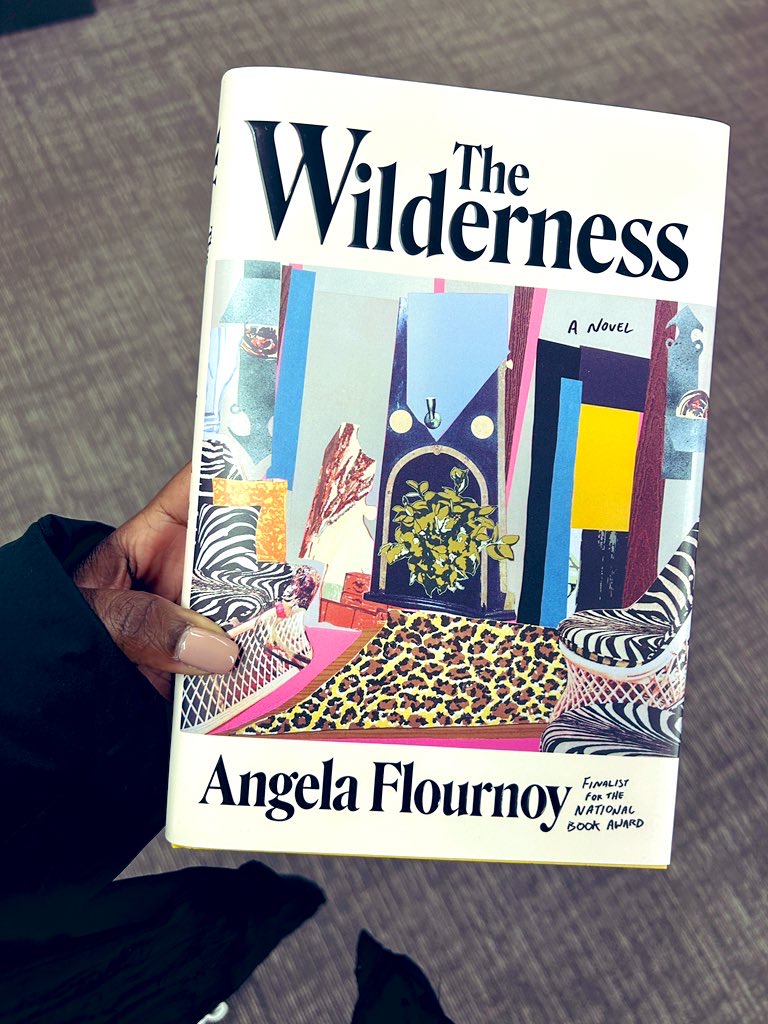
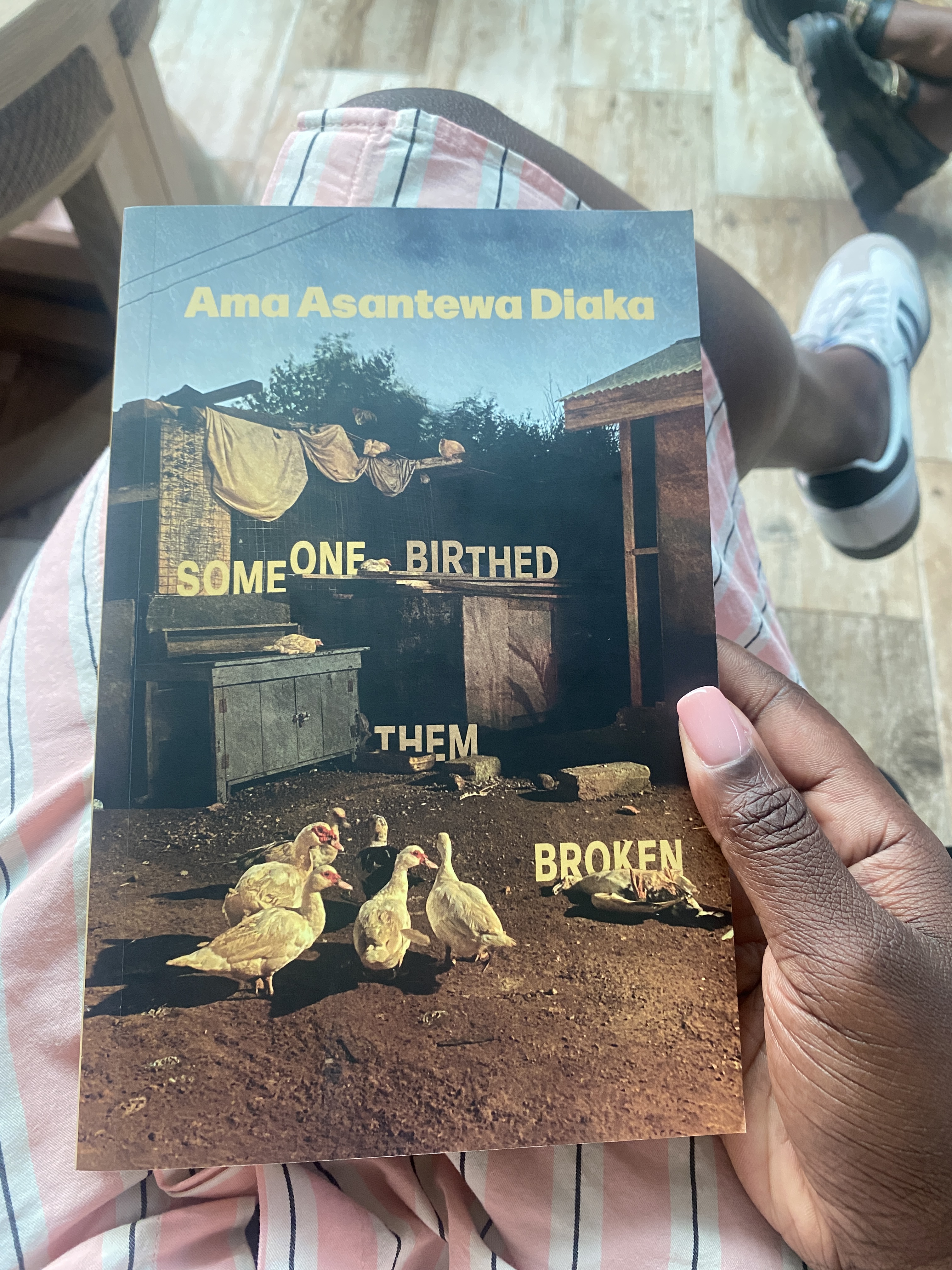
What have you all been reading? Due to my busy schedule, I’ve only managed to finish reading: The Wilderness by Angela Flournoy and Someone Birthed Them Broken by Ama Asantewa Diaka. I rated them were both 4 stars, but Diaka’s book is leaning more towards 4.5 stars – it’s very Ghanaian, in all (fantastic) ways!
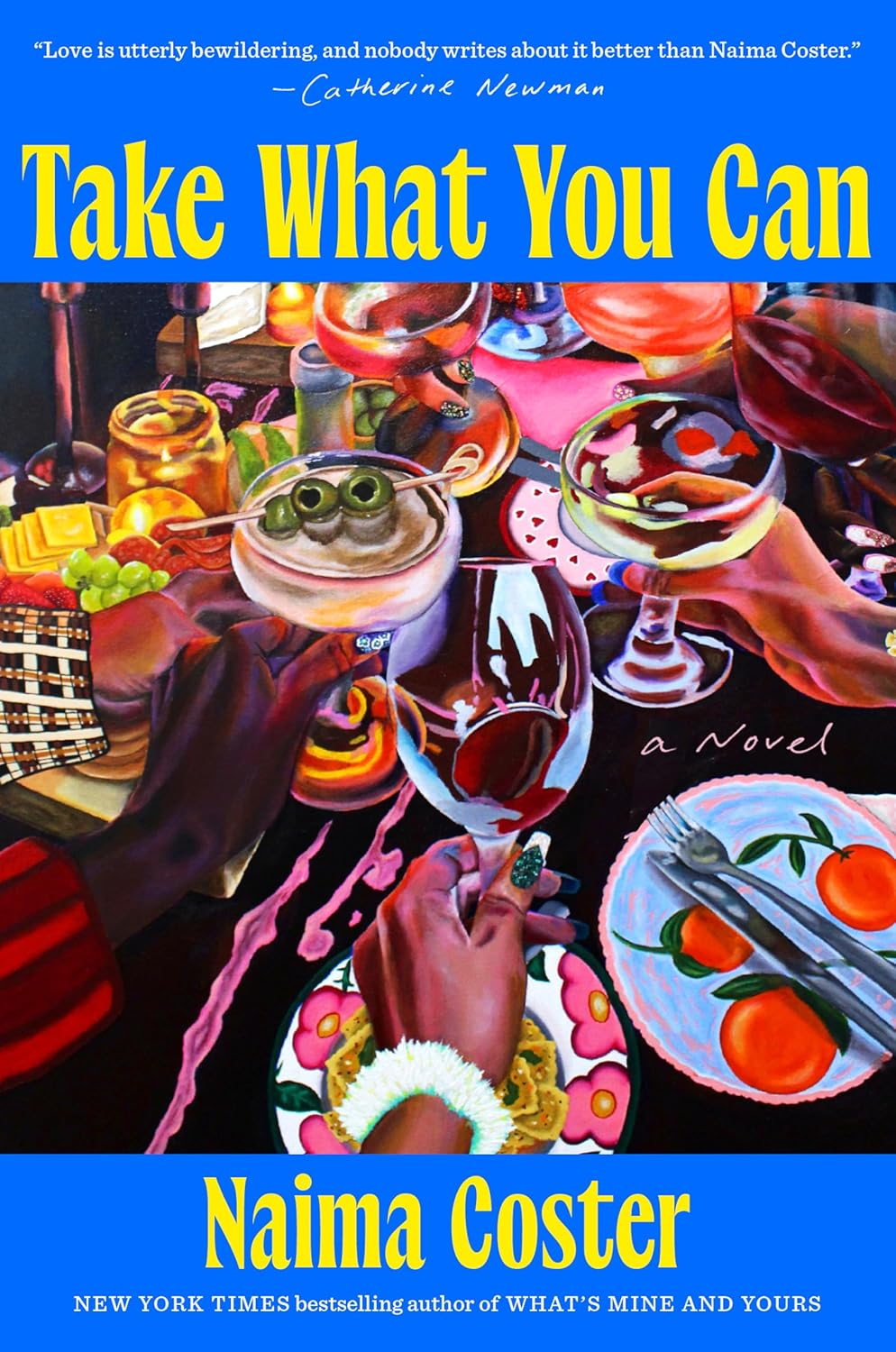
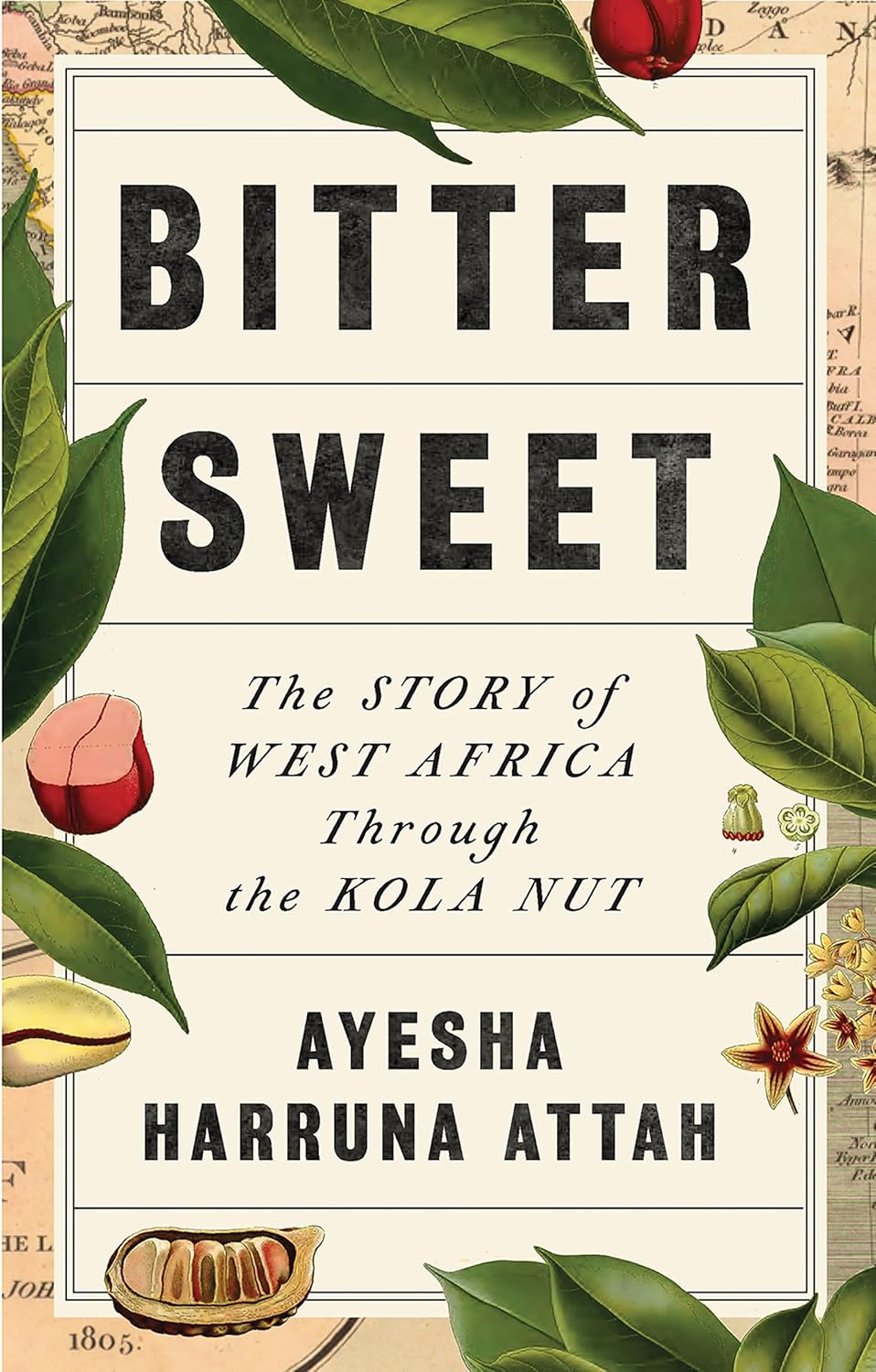
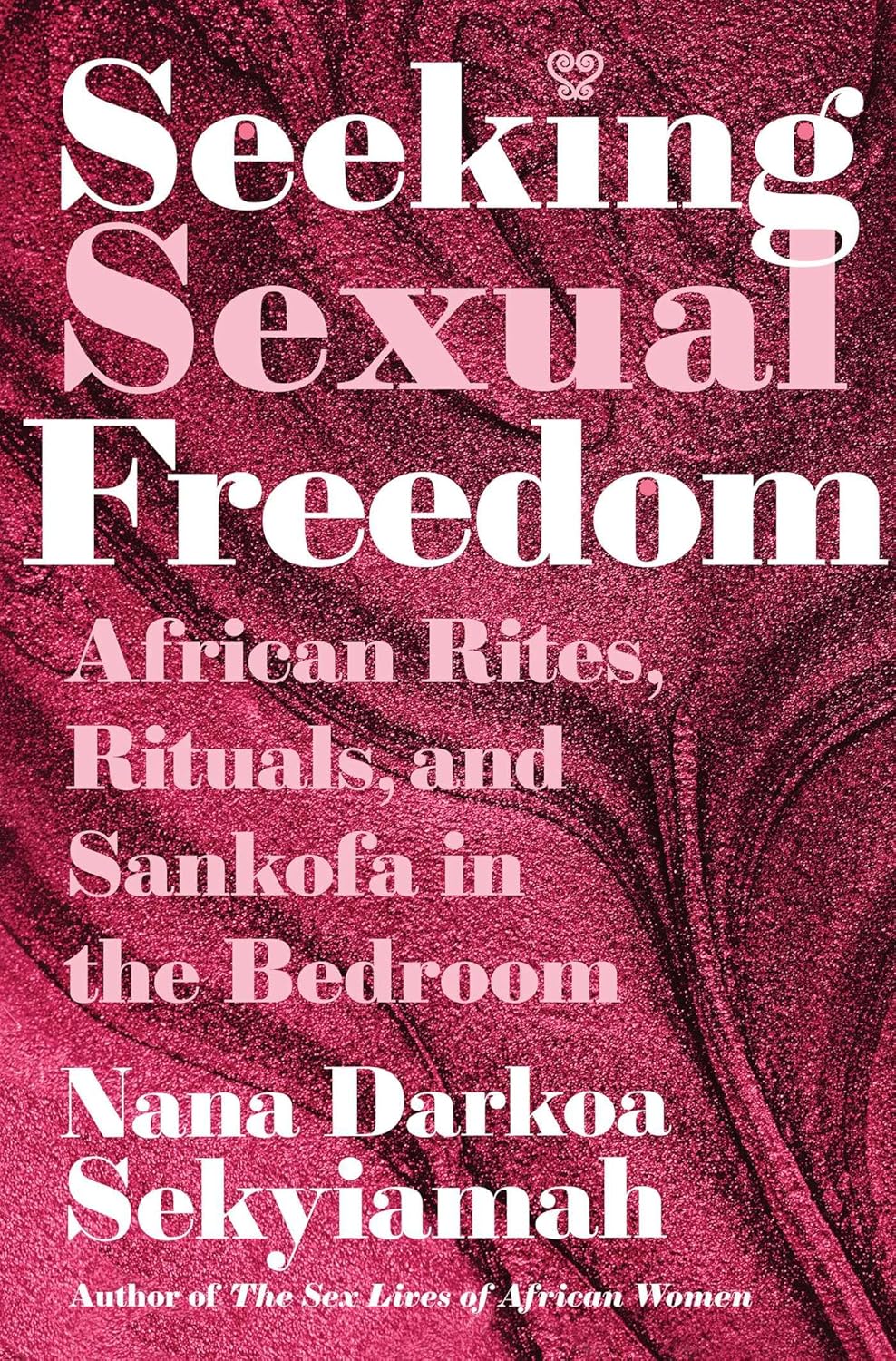
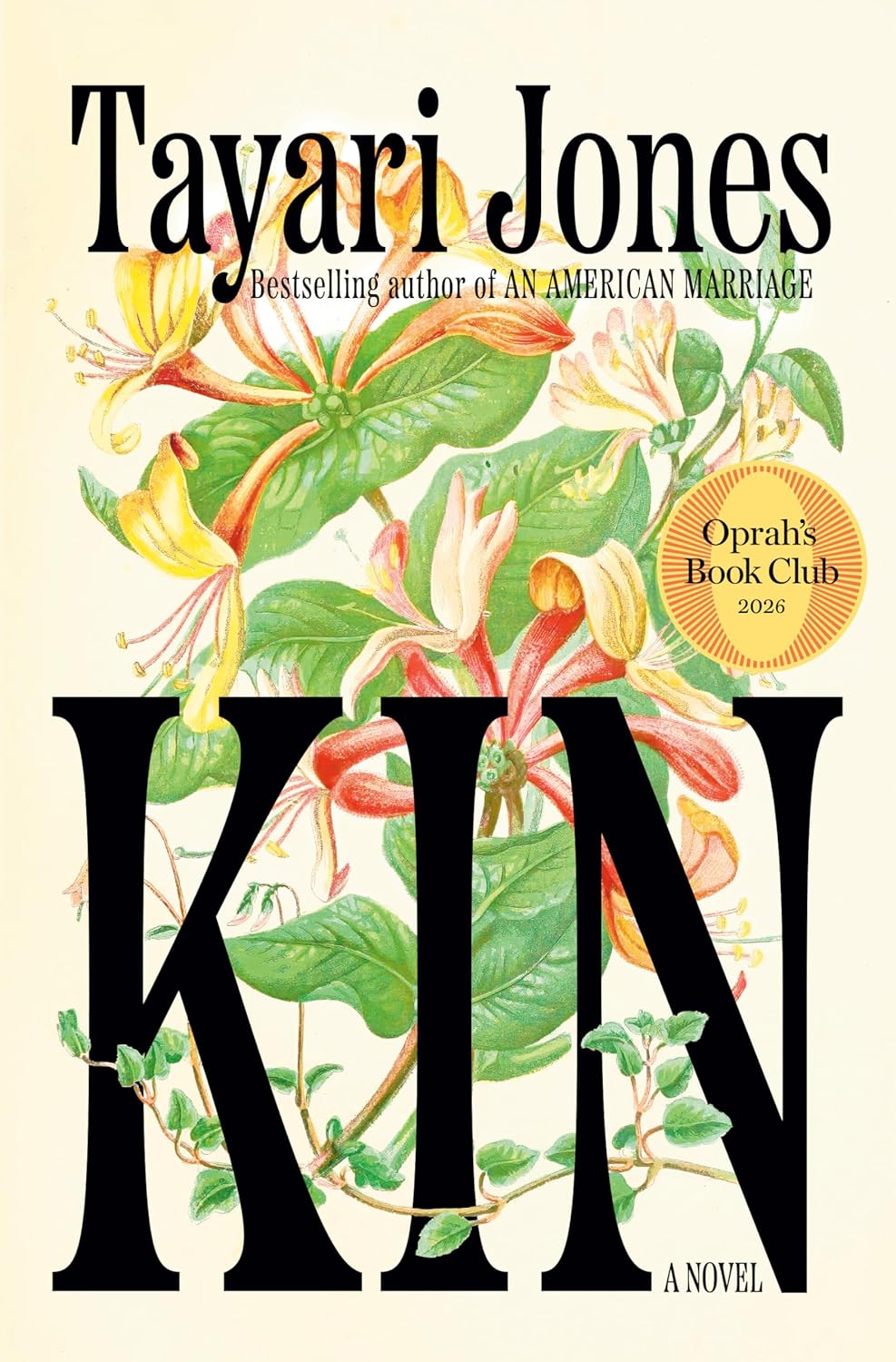
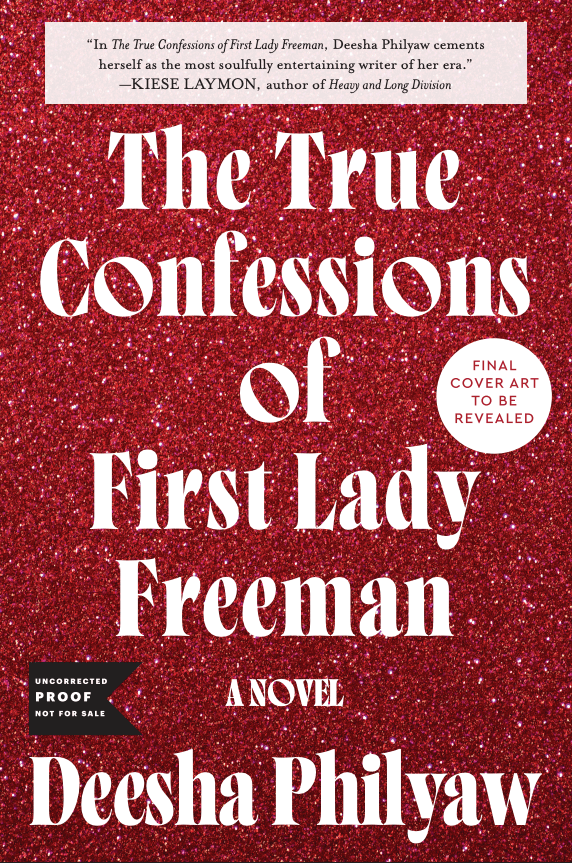
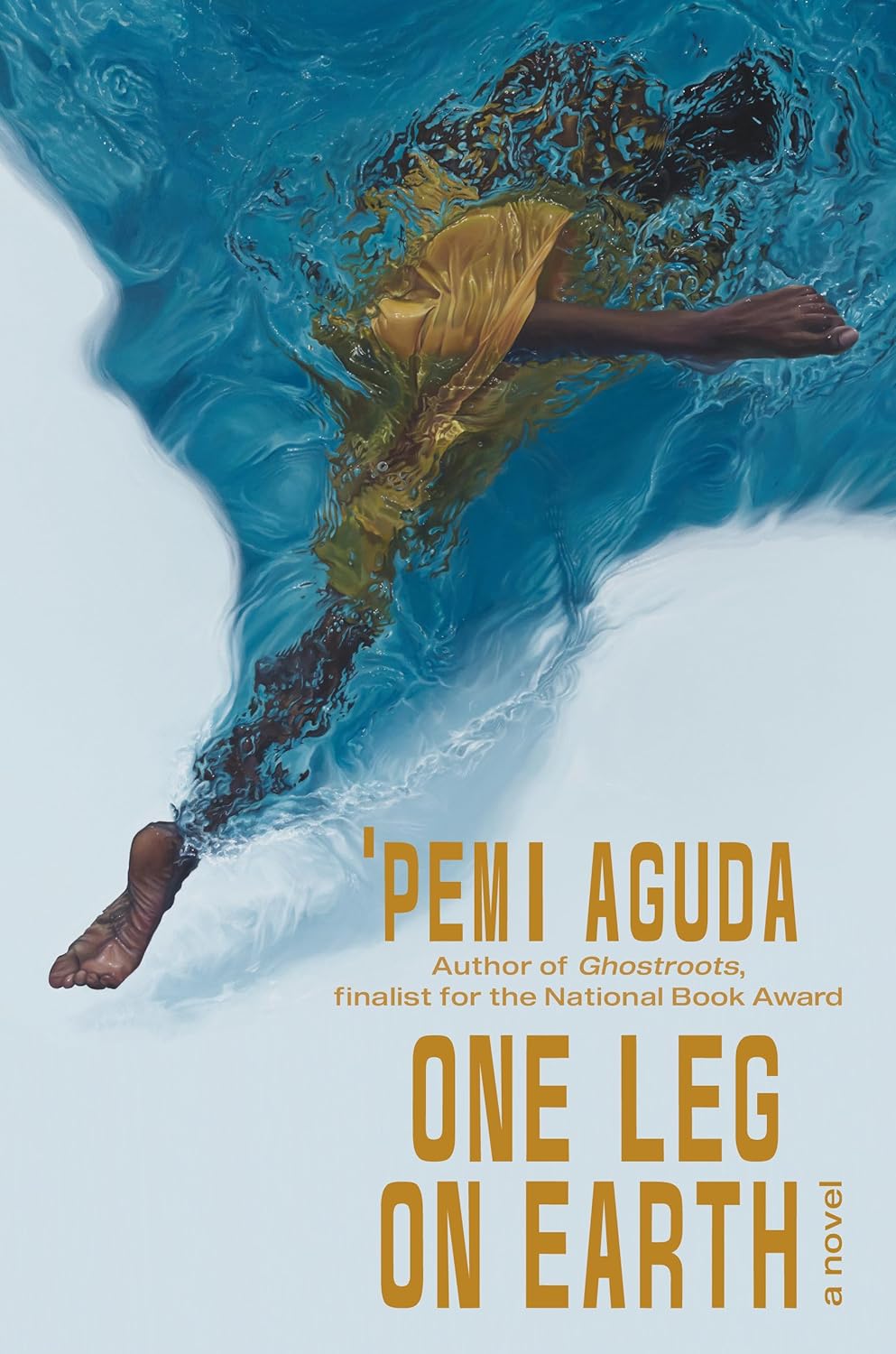
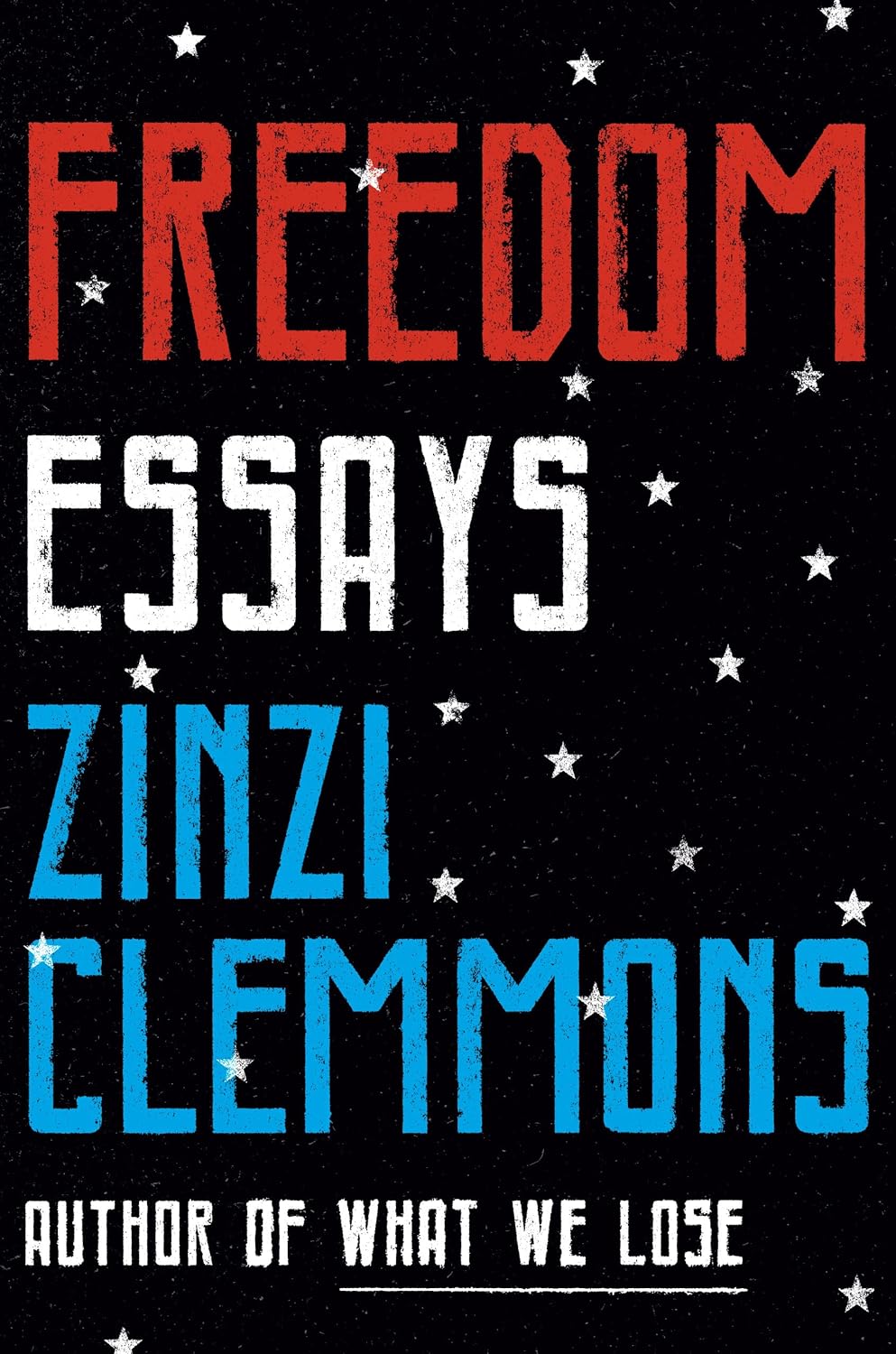
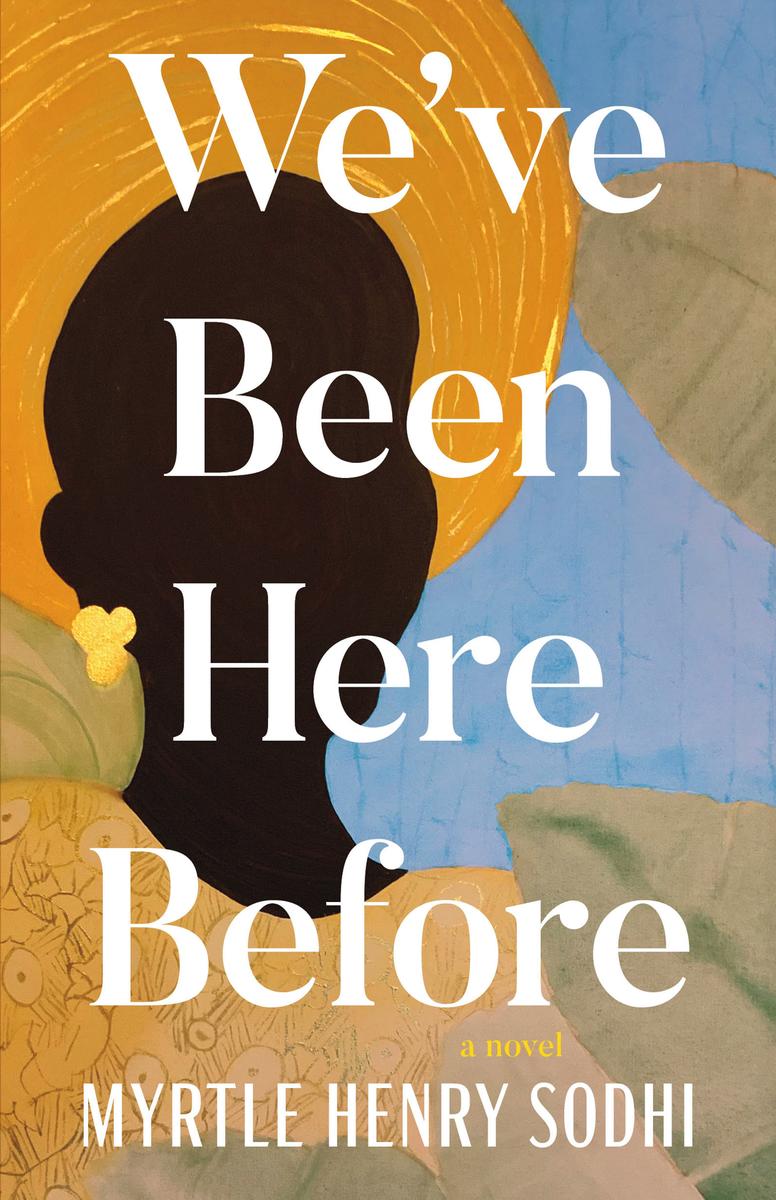
I’ve been perusing the book streets lately and found 21 books super compelling – with respect to their synopses, and book cover designs. Most of these books are/will be published this year (2026) and some were published last year. I’m especially looking forward to new work from Zinzi Clemmons, Jessica George, Imbolo Mbue, Edwidge Danticat, Ayesha Harruna Attah, Tayari Jones, Nana Darkoa Sekyiamah and Deesha Philyaw and Naima Coster. I’ve read and reviewed work by most of these writers, so reading their new work will be very exciting! Those reviews can be found here on this blog, or on my Goodreads.
What books have you read so far this year? What new books have you added to your TBR?
It’s summertime! What is everyone reading this summer?
This year, I set my Goodreads challenge to read 24 books – because we’re in the year 2024, duh! Well, we are halfway through the year and I’m proud to say that I’m about 3 books behind schedule haha.
I’ve read 9 books out of 24:
I’m very behind on my reading challenge, but I know I’ll achieve the 24 books goal – even if slowly.
I have only truly enjoyed reading 5 out of the 9 books I’ve read thus far- The Fire Next Time by James Baldwin, Blessings by Chukwuebuka Ibeh, The Other Significant Others (audio) by Rhaina Cohen, The Three of Us by Ore Agbaje-Williams and Dyscalculia (audio) by Camonghne Felix. These were 4 star reads for me, except The Other Significant Others which isn’t by a Black author, but such a stellar (non-fiction) book! I read the book via audio and deeply appreciated the arguments Cohen presented, as I believe centering friendships over romantic partnerships should be talked about more. That’s the only 5 star book I’ve read so far.
I’m yet to read a book I’m head over heels about this year though. And because of how unenthusiastic I am about books I’ve read so far, I find myself unable to focus on one book at a time. So, I’m currently reading:
I’m reading to Power Moves by Sarah Jakes Roberts via audio and alternating between Hangman and Our Gen. Whenever I practice book polygamy, it means I can’t focus on just one book. One book isn’t arresting my attention enough to finish and move on to the next, systematically. So far, Hangman (which was long-listed for the Women’s Prize this year) is weird! Weird, in a good, original way. But it gets boring after reading 30 pages at a time. Our Gen is quite fun to read, but I’m struggling to get to the plot of the story. But I’ll continue to push through.
Books I have on my radar/TBR for the 2nd half of the year:
I’m really excited to read My Parents’ Marriage because I love fellow Ghanaian-American Nana Ekua Brew-Hammond’s work. Temple Folk looks like a collection I would enjoy. I wish the podcast – Identity Politics, by Ikhlas Saleem and Makkah Ali wasn’t a thing of the past. I’d love to hear them speak to Aaliyah Bilal on her book!
Obviously Chigozie Obioma’s new novel is on my radar – I’ve been a huge fan from the beginning. Jonathan Escoffery’s collection – If I Survive You is popular and I would like to see what the hype is all about. Uche Okonkwo’s debut collection, A Kind of Madness is also on my radar because I love short story collections. Hopefully I can read some of these before the year ends and have some reviews up as well.
In the meantime, I’ll continue to slowly achieve my reading goal this year. I just want it to be more fun. I want to read books and enjoy storylines that I haven’t experienced before. I want to be consumed by original, thought-provoking, compelling work.
What is everyone reading this summer? Please share some of the books you’ve absolutely loved reading so far in 2024.
Below is my annual collage of new books to anticipate this year. I’ve compiled 102 new African, African-American, Black-Brit and Caribbean books that look very promising. Please note – this list/collage is just a snippetof books by Black authors 2023 has to offer!
An enthralling and original first novel about exile, diaspora, and the impossibility of Black refuge in America and beyond.
In the morning, I received a phone call and was told to board a flight. The arrangements had been made on my behalf. I packed no clothes, because my clothes had been packed for me. A cararrived to pick me up.
A man returns home to sub-Saharan Africa after twenty-six years in America. When he arrives, he finds that he doesn’t recognize the country or anyone in it. Thankfully, someone recognizes him, a man who calls him brother—setting him on a quest to find his real brother, who is dying.
In Hangman, Maya Binyam tells the story of that search, and of the phantoms, guides, tricksters, bureaucrats, debtors, taxi drivers, relatives, riddles, and strangers that will lead to the truth.
It is an uncommonly assured debut: an existential journey; a tragic farce; a slapstick tragedy; and a strange, and strangely honest, story of one man’s stubborn quest to find refuge—in this world and in the world that lies beyond it.
This incendiary debut of linked stories narrates the everyday lives of Soweto residents, from the early years of apartheid to its dissolution and beyond.
Imbued with the thrilling texture of township language and life, and uncompromising in its depiction of Black South Africa, Innards tells the intimate stories of everyday folks processing the savagery of apartheid with grit, wit, and their own distinctive, bewildering humor.
Magogodi oa Mphela Makhene—who was born in apartheid-era South Africa—plunges readers into an electrifying first collection filled with indelible characters. Meet a fake PhD and ex–freedom fighter who remains unbothered by his own duplicity, a girl who goes mute after stumbling on a burning body, and twin siblings nursing a scorching feud. Like many Americans today, Innards’ characters mirror the difficulty of navigating the shadows of a living past alongside the uncertain opportunities of the promised land.
A work of intelligence and vision—flush with forgiveness, rage, ugliness, and wild beauty—Innards heralds the arrival of a major new voice in contemporary fiction.
WOMB CITY imagines a dark and deadly future Botswana, rich with culture and true folklore, which begs the question: how far must one go to destroy the structures of inequality upon which a society was founded? How far must a mother go to save the life of her child?
Nelah seems to have it all: wealth, fame, a husband, and a child on the way. But in a body her husband controls via microchip and the tailspin of a loveless marriage, her hopes and dreams come to a devastating halt. A drug-fueled night of celebration ends in a hit-and-run. To dodge a sentencing in a society that favors men, Nelah and her side-piece, Janith Koshal, finish the victim off and bury the body.
But the secret claws its way into Nelah’s life from the grave. As her victim’s vengeful ghost begins exacting a bloody revenge on everyone Nelah holds dear, she?ll have to unravel her society’s terrible secrets to stop those in power, and become a monster unlike any other to quench the ghost’s violent thirst
In exactly 1 week, the 2022 AKO Caine Prize winner will be announced!
For those who are not familiar, the AKO Caine Prize(formerly as the Caine Prize for African Writing), which was first awarded in year 2000, is an award open to writers from anywhere in Africa for work published in English. It’s focus is on the short story, reflecting the contemporary development of the African story-telling tradition.
The AKO Caine Prize for African Writing is a registered charity whose aim is to bring African writing to a wider audience using the annual literary award (source).
Some notable winners of the Caine Prize include (click on links to my reviews):
Leila Aboulela, from Sudan (2000) – author of novels Minaret,The Translator,Lyrics Alley, among others.
Binyavanga Wainaina, from Kenya (2002) – founding editor of Kwani?, author of memoir One Day I Will Write About This Place and the essay How To Write About Africa found in various literary magazines. *sigh* Rest In Power, Binya!
Yvonne A. Owuor, from Kenya (2003) – author of the novel, Dust.
E.C Osondu, from Nigeria (2009) – author of the novel This House is not For Sale and collection Voice of America: stories.
NoViolet Bulawayo, from Zimbabwe (2011) – author of the novel, We Need New Names.
Previously shortlisted writers include: (2001) Mia Couto from Mozambique, (2002) Chimamanda Adichie from Nigeria, (2006) Laila Lalami from Morocco, (2013) Chinelo Okparanta from Nigeria, (2013) Pede Hollist from Sierra Leone, (2014) Tendai Huchu from Zimbabwe, (2013 & 2015) Elnathan John from Nigeria, (2021) Doreen Baingana from Uganda, among others!
The AKO Caine Prize and the shortlisted stories play huge roles in the authors I read from Africa and the Diaspora. Many AKO Caine Prize winners and shortlisted writers have found great success and I’ve reviewed a good number of these writers’ work here on African Book Addict!
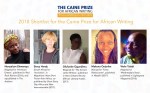
This year, the AKO Caine Prize shortlist comprises of five talented writers with stories showcasing the “vibrancy, variety and splendor of creative talent among writers of African descent” – Okey Ndibe; (left to right):
Another year where women dominate the shortlist – I love to see it. And FINALLY, Ghana is well represented on the shortlist! I never thought I would see the day where Nigerians, Kenyans and South African stories did not dominate haha.
When A Man Loves A Women by Nana-Ama Danquah is a well-paced story that turns pretty dark by the end. I think this is expected, as the short story was originally published in the Accra Noir anthology (via Akashic). The story centers a loving Ghanaian couple from the US who later relocate to Cantonments, Accra. Kwame and Adwoa were high school sweethearts and are now well into their 50’s, dealing with various ailments that normally afflict the body in middle-age. Kwame is diagnosed with cancer and it seems the couple’s normal routine of coping with their marriage is disrupted. The story is quite simple… almost predictable, but not in a bad way. I’ve always found Danquah’s writing to be very accessible and digestible. If you remember my 2018 book review of her memoir – Willow Weep For Me, you’ll understand my love of her ability to aptly capture the realities of life.
A Double-Edged Inheritance by Hannah Giorgis was an enjoyable read for me! I’m pretty fond of Giorgis’s writing in The Atlantic, where she covers (pop)culture. I had no idea she wrote fiction as well, so it was a nice surprise to see her on this shortlist. A Double-Edged Inheritance was originally published in the Addis Ababa Noir anthology (via Akashic) so I expected some level of darkness in the story. The only issue I had with the story was that it had waaay too many characters and it was hard to track who was who sometimes. The story moves from Addis Ababa to the US and back to Addis, where readers are acquainted with a few heroines – Tigist, Almaz and Meskerem. Meskerem – who is the daughter of Tigist (now dead, thanks to the man she fell in love with) is an Ethiopian-American who is on a quest to find her roots in Addis. Her grandaunt – Almaz (who I think is the MVP of this story) is the glue that holds all the characters together, thanks to her wealth, social currency and resilience. The story turns dark when Meskerem is on holiday in Addis Ababa and she eventually meets her father, unintentionally. It’s hard to summarize this story, as it has so many characters and sub-plots. But I would love to see this story turn into a full-fleshed novel!
But ooooooooooh, my! Five Years Next Sunday by Idza Luhumyo will definitely win the AKO Caine Prize this year. What a beautifully magical story! I’m now a fan of the main character of Five Years Next Sunday and Idza, the writer! This mythical story follows a young girl, Pili, whose hair-which is in the form of luscious locs, is a god of the land. Her hair grows beautifully and attracts lots of attention to her poor family. Her family later becomes wealthy, thanks to her hair, as it attracts the likes of white people who fetishize it. But as her hair is growing and becoming a main attraction, the land is parched, as it hasn’t rained in five years. Cutting her hair would signal the clouds to finally let out rain; but cutting it would also banish her to “the quarter of witches, where all women who have the rain are sent”. Honey, white woman who is jealous of Pili’s attention, feigns connection with Pili, only for Pili to mistaken this connection for desire and later make the choice of cutting her locs.
My summary of this story does NOT do it justice. The beauty of the story is in the sublime, engaging, light writing! The story holds deeper meaning, depending on how intently it is read. On the surface, I loved how the nature of a Black woman’s hair was being revered. Hair was the source of life for a group of people – which is akin to water. On a deeper level, the story touches on themes such as – the environment, nature, womanhood, colonization, fetishization, desire, destiny and ancestral connections. Five Years Next Sunday was the winner of the Short Story Day Africa Prize in 2021. This story also deserves to win the 2022 AKO Caine Prize!
Which story is your favorite? Who do you think will win the AKO Caine Prize this year?
The winner will be announced on Monday 18th July 2022. Good luck to all the shortlisted candidates!
You can also check out my past commentary on the AKO Caine Prize below:
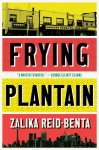
Kara Davis is a girl caught in the middle – of her Canadian nationality and her desire to be a ‘true’ Jamaican, of her mother and grandmother’s rages and life lessons, of having to avoid being thought of as too ‘faas’ or too ‘quiet’ or too ‘bold’ or too ‘soft’.
Set in Little Jamaica, Toronto’s Eglinton West neighbourhood, Kara moves from girlhood to the threshold of adulthood, from elementary school to high school graduation, in these twelve interconnected stories. We see her on a visit to Jamaica, startled by the sight of a severed pig’s head in her great aunt’s freezer; in junior high, the victim of a devastating prank by her closest friends; and as a teenager in and out of her grandmother’s house, trying to cope with the ongoing battles between her unyielding grandparents.
A rich and unforgettable portrait of growing up between worlds, Frying Plantain shows how, in one charged moment, friendship and love can turn to enmity and hate, well-meaning protection can become control, and teasing play can turn to something much darker. In her brilliantly incisive debut, Zalika Reid-Benta artfully depicts the tensions between mothers and daughters, second-generation Canadians and first-generation cultural expectations, and Black identity and predominately white society.
◊◊
Review – ★★★ (3 stars)
The title of this collection is so cool! Everyone loves fried plantain, so the title is truly inviting (Fun fact – fried plantain is called kelewele in Ghana (when diced & spiced), dodo in Nigeria, alloco in Cote d’Ivoire). Frying Plantain is a coming-of-age collection of interconnected short stories that follow Canadian-Jamaican girl, Kara Davis. Initially, I thought with each successive story, I’d be engrossed into Kara’s journey as she went through childhood into adolescence. But now, a part of me feels a little disappointed by this collection. While reading, I felt like I was drowning because I found the characters relentlessly toxic, hence making my reading experience a bit sour.
The collection commences with a story called ‘Pig Head.’ In ‘Pig Head’, we’re introduced to Kara who is on holiday in Jamaica with her family. While on holiday, Kara is sent to get something from the freezer and is terrified by the sight of a huge severed pig head stored there. Kara goes back to her 4th grade classmates in Canada and tells fibs about the pig head. She brags about how she helped kill the pig and gives her classmates gory details of the killing, which eventually land her into trouble with her school’s principal and her mother. Kara fabricates the story in an effort to seem unique and to claim her Jamaican roots even though her neighborhood friends call her ‘stush’ (posh/boujee).
Throughout this collection, Kara tries to fit in by either lying, falling prey to peer pressure or staying quiet to keep the peace. As a child, she spends a lot of time with (toxic) neighborhood friends, who are also of Caribbean heritage. Among her group of friends, some are even straight from the Islands and they impose their Caribbean authenticity by constantly reminding others within the group – including Kara, of how un-Jamaican/Caribbean they are –
Miss Canada gwine fi bust out the patois? Yuh need to stop Ja-fakin’ it, Kara – pg. 32
I enjoyed the short stories that explored Kara’s relationships with boys and wanted more! I found the descriptions of her first kiss so cringey yet hilarious, as Reid-Benta aptly portrays the awkwardness –
I told him he could kiss me, and then he inched forward and meshed his lips with mine… My own lips were still puckered when he started to open his mouth. He pressed the tip of his tongue against my teeth until I unclenched and allowed him access. I couldn’t figure him out… I hunched my shoulders instead, trying to show eagerness, and twirled my tongue around his, but he got excited and shoved his tongue so far down my throat I gagged. I pulled away – pg. 116
But Kara’s mother’s sharp gaze always marred my joy of witnessing Kara find love (or have fun, in general). Kara is raised by a single mother – Eloise, who seems pretty miserable. Initially I didn’t feel any love between mother and daughter, but later I realized Eloise’s brash, over-controlling manner was driven by fear. Eloise raises Kara on her own but with the help of her own parents, who come with their own set of issues. *sigh* Eloise’s relationship with her parents (Kara’s grandparents) is tragic – there is a lot of emotional abuse, verbal abuse, manipulation and gaslighting between Eloise and her parents, but also between Kara and her grandparents. Eloise’s parents also have a dysfunctional marriage – but I don’t even have the energy to get into their marriage. Kara’s family dynamics in this book are just A LOT.
Since Kara is raised in an over-controlled, stern environment, her personality is unassuming and quite unclear. She comes off as meek, subdued and repressed; but she can defend herself or react to unfair treatment when pushed to her limit, which is often.
According to other readers on Goodreads, this collection is very Canadian. I wasn’t sensitive to the Canadian-ness of this collection, as I wouldn’t even know where to catch the nuances. I’ve only visited Canada three times (Toronto when I was about 5 years old, Montréal as a sophomore in college and Windsor when I was a senior in college), so I didn’t have the eye for spotting the Canadian vibes from the collection. I did like the mention of poutine though, when Kara and her friends trekked through a snow storm just to eat some.
I thoroughly enjoyed Zalika Reid-Benta’s writing style. She has a beautiful way with words such that I vividly saw Kara’s quiet awkwardness; I could hear Eloise shouting at Kara to stop crying; I could feel Kara’s desire to fit in with her fellow Caribbean friends. Zalika Reid-Benta’s writing is the reason I finished this collection. She has a gift with words, and I surely admire that!
I think I would have enjoyed this collection more if I was new to African Diaspora literature. But I’ve read countless stories like this, so it didn’t really stand out to me as super unique. I just find it very interesting how Caribbean women writers always seem to touch on strained mother-daughter relationships in their work. I haven’t read a ton of work by Caribbean women writers, but so far Jamaica Kincaid, Edwidge Danticat, Naomi Jackson, Alexia Arthurs ALL touch on this strained relationship in their stories. Why is this type of relationship so prevalent in their work? Anyway, even though I wasn’t blown away by this collection, I look forward to reading more of Reid-Benta’s work! She’s a pretty damn good writer.
Thank you to House of Anansi Press for sending me a review copy of the book!
★★★ (3 stars) – Good book. I recommend it, I guess.
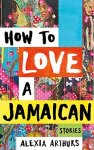
Tenderness and cruelty, loyalty and betrayal, ambition and regret—Alexia Arthurs navigates these tensions to extraordinary effect in her debut collection about Jamaican immigrants and their families back home. Sweeping from close-knit island communities to the streets of New York City and midwestern university towns, these eleven stories form a portrait of a nation, a people, and a way of life.
In “Light-Skinned Girls and Kelly Rowlands,” an NYU student befriends a fellow Jamaican whose privileged West Coast upbringing has blinded her to the hard realities of race. In “Mash Up Love,” a twin’s chance sighting of his estranged brother—the prodigal son of the family—stirs up unresolved feelings of resentment. In “Bad Behavior,” a couple leave their wild teenage daughter with her grandmother in Jamaica, hoping the old ways will straighten her out. In “Mermaid River,” a Jamaican teenage boy is reunited with his mother in New York after eight years apart. In “The Ghost of Jia Yi,” a recently murdered student haunts a despairing Jamaican athlete recruited to an Iowa college. And in “Shirley from a Small Place,” a world-famous pop star retreats to her mother’s big new house in Jamaica, which still holds the power to restore something vital.
Alexia Arthurs emerges in this vibrant, lyrical, intimate collection as one of fiction’s most dynamic and essential authors.
◊◊
Review – ★★★★ (4 stars)
My 4 stars rating for How To Love A Jamaican doesn’t mean I loved all the stories. In fact, out of the 11 short stories, I absolutely loved just 4 of them. But I give this collection 4 out of 5 stars because I LOVED how this collection made me feel. I carried this book everywhere with me for the two weeks it took me to finish it. I was always eager to pick it up again and didn’t mind re-reading some stories just to be in the world of the characters again. It took me a while to finish this collection mostly because of school (this is ALWAYS my excuse, have you noticed?), but also because I wanted to take my time and imbibe myself into the stories! It took me forever to get my hands on this book, so I just wanted to savor every word. Special thanks to my friend Kobby from @bookworm_man on Bookstagram who initially lent me his copy, then later allowed me to keep it 🙂
While some stories fell flat for me – especially ‘Bad Behavior’, ‘Mash Up Love’, ‘Shirley From a Small Place’ (I wasn’t fond of how Shirley’s story resembled Rihanna Fenty’s career trajectory), I mostly enjoyed how accessible Arthurs’s writing was – especially the patois. At the beginning of the book, she makes it clear that this collection is ‘For Jamaicans’ and she is true to her words. Reading stories about Jamaicans, mostly IN Jamaica or Jamaicans who were born and bred in Jamaica without migrating out of the Island, was definitely refreshing and inspiring.
••
My favorite stories were:
Island – This story is excellent. Island is about three girlfriends who travel to a Caribbean island for a wedding. One of the girls in this group is a lesbian and her friends subtly malign her throughout the trip. The tension within the friend group was palpable and maddening. It had me thinking about friendship – why we call certain people our friends and how our choice of friends reflects who we are, or who we aren’t.
On Shelf – This story was pretty ordinary from beginning to end. But Arthurs’s ability to just tell a normal story about an academically successful 40 year old Jamaican woman in the US, settling with a man below her standards in order to move forward with life and bear a child felt very real.
Light-skinned girls and Kelly Rowlands – I love that the collection commences with this story! It kept me wanting more and I eagerly anticipated reading the rest of the stories, thanks to this one. This story follows two young women in college – NYU, who become friends unexpectedly. Cecelia is dark-skinned; upper class; only dates white men; of Jamaican heritage but was born and bred in California. Brittney on the other hand is from a low/middle-class family; prefers dating black men; was born in Jamaica but moved to Brooklyn when she was six years old. I loved the sisterhood these friends shared, but I also despised the tension between them, especially when they had disagreements. I felt Brittney constantly tried to undermine Cecelia’s Jamaicanness/Blackness, because she was more or less an ‘oreo’ and had never been to Jamaica before. The ending of this story just reminded me of gnawing issues I have with folks born and raised in their native lands versus pure Diasporans.
The recurrent themes in this collection include: good ole’ problematic Jamaican pigmentocracy (aka- colorism), mother-daughter relationships (I find many Caribbean women writers love writing on this theme! So far Edwidge Danticat, Jamaica Kincaid and Naomi Jackson all touch on this theme and always suggest a fraught relationship between mothers and daughters in their writing), mermaids, being haunted by ghosts, love & relationships. I especially LOVED when queer characters and issues surrounding members of the LGBTQ spectrum were introduced into stories – they were the most compelling.
YES, it’s that time of year again! In less than a month, the 2018 Caine Prize winner will be announced!
For those who are not familiar, the Caine Prize for African Writing, which was first awarded in year 2000 is an award “open to writers from anywhere in Africa for work published in English. Its focus is on the short story, reflecting the contemporary development of the African story-telling tradition” (source).
Some notable winners of the Caine Prize include (click on links to my reviews):
Leila Aboulela, from Sudan (2000) – author of novels Minaret,The Translator,Lyrics Alley,among other works.
Binyavanga Wainaina, from Kenya (2002) – founding editor of Kwani?, author of memoir One Day I Will Write About This Place and the essay How To Write About Africa found in various literary magazines.
Yvonne A. Owuor, from Kenya (2003) – author of the novel, Dust.
E.C Osondu, from Nigeria (2009) – author of the novel This House is not For Sale and collection Voice of America: stories.
NoViolet Bulawayo, from Zimbabwe (2011) – author of the novel, We Need New Names.
Previously shortlisted writers include: (2001) Mia Couto from Mozambique, (2002) Chimamanda Adichie from Nigeria, (2006) Laila Lalami from Morocco, (2013) Chinelo Okparanta from Nigeria, (2013) Pede Hollist from Sierra Leone, (2014) Tendai Huchu from Zimbabwe, (2013 & 2015) Elnathan John from Nigeria, among others!
The Caine Prize and the shortlisted stories play huge roles in the authors I read from Africa. Many Caine Prize winners and shortlisted writers have found great success and I’ve reviewed a good number of these writers’ works here on African Book Addict!
This year, the Caine Prize shortlist comprises of five talented writers with unique short stories (left to right):
So this year, we have 4 stories by women and 1 story by a man ; 3 out of 5 stories are by Nigerians, 1 story each by a Kenyan and South African. Nigerian excellence always dominates these shortlists – what’s new? For the past 4 years, I’ve been providing commentary on which of the shortlisted stories I enjoyed and disliked… but this year, I will not be reviewing any of them.
I hope you all get a chance to read some of the stories linked above. May the best story win!
Which story is your favorite? Who do you think will win the Caine Prize this year?
The winner will be announced in London at Senate House Library in partnership with SOAS, on 2 July 2018. Good luck to all the shortlisted candidates!
You can also check out past commentary on the Caine Prize below:
Akashic Books and Peepal Tree Press, two of the foremost publishers of Caribbean literature, launch a joint Caribbean-focused imprint, Peekash Press, with this anthology. Consisting entirely of brand-new stories by authors living in the region (not simply authors from the region), this collection gathers the very best entries to the Commonwealth Short Story Prize, including a mix of established and up-and-coming writers from islands throughout the Caribbean.
◊◊
Review –★★★★ (4 stars)
I always enjoy reading anthologies. It’s an opportunity for me to discover new writers and to get a taste of their writing styles through their short stories. I discovered a good number of new Caribbean writers from Pepperpot, especially as this anthology purposely featured stories by lesser-known Caribbean writers, mostly residing on the Islands. I absolutely love that these stories contain local dialect WITHOUT a glossary at the back of the book. If a reader wants to look-up a certain word or phrase, they can Google it! It’s almost as if this anthology was written for readers in the Caribbean and not necessarily Western readers/ the white gaze – which is awesome.
It was refreshing to read a Caribbean anthology free from Island tropes like the sandy beaches & blue skies, palm trees, coconuts, cliché Jamaican jargon – nope, not in this collection! The stories in Pepperpot explore a myriad of issues, such as: family secrets, violence, domestic abuse, infidelity, spirituality (Christianity), incest, death, homosexuality, fraught relationships, coming-of-age, poverty, grief, mental illness. Every story in this anthology had a different flavor – it’s as if the editor (Olive Senior) carefully selected these stories such that the flavor of this pepperpot (pun intended) wouldn’t be off balance.
Even though the 13 stories in this anthology were divided into 3 parts, I felt most of the stories had a cryptic, mysterious nature to them, and I really loved that. Among the 13 short stories – 5 stories are from Jamaica, 4 stories are from Trinidad & Tobago and 1 story each from Belize, Antigua & Barbuda, Barbados and the Bahamas.
• •
My favorite stories were:
The Science of Salvation by Dwight Thompson (Jamaica) – This story had me at the edge of my seat. The threat of violence from a notorious gang member, coupled with the staunch Christian lifestyle of a family in a panic-struck neighborhood made for an intense tale. The evolution of the story was so heartless and unexpected. I loved it.
This Thing We Call Love by Ivory Kelly (Belize) – What I loved most about this story was the dialogue in local dialect and the mentions of popular Belizean dishes like Salbutes, Garnaches, Panades etc. This tale was a pretty hilarious take on a woman trying to prevent her husband from committing adultery.
A Good Friday by Barbara Jenkins (Trinidad & Tobago) – This story started off strange as hell! It’s Good Friday (the day Jesus was tortured and killed) and a woman walks into a bar from church, and starts crying. A fellow at the bar who had been admiring this woman from afar approaches her and a strange conversation ensues. The way this tale evolved was just so unpredictable and… had me in awe!
All the Secret Things No One Ever Knows by Sharon Leach (Jamaica) – “Ten years ago, I found out that I wasn’t my father’s only girlfriend” is the first line of this story. YES, it’s insane! This tale turned out to be pretty sick and twisted. I NEED to indulge in more of Sharon Leach’s work! Lord!
Amelia at Devil’s Bridge by Joanne C. Hillhouse (Antigua & Barbuda) – I was happy to see Joanne C. Hillhouse’s name as one of the contributors of this anthology, as she is a favorite of mine (and a reader of this book blog, which is how I got to know her! Last summer, I had a pretty popular book chat on Caribbean literature with Hillhouse). This story felt so light and read so smoothly. Hillhouse captured nuance in such a beautiful way. The tale follows a naked 13 year old girl – Amelia, who seems to be a ghost at Devil’s Bridge. It’s a layered, mysterious tale that explores Amelia’s family life.
Waywardness by Ezekel Alan (Jamaica) – Initially, I thought this story was brilliant. Alan writes with such force and he’s extremely vivid with his descriptions. But as the story progressed, I found the storyline quite ridiculous to the point where I was started to feel queasy and confused. This tale follows Brian, who is described as a deranged bisexual… he’s homeless, he’s a rapist, he sleeps with his cousin (consensual sex) and he seems poor. In short, I found this tale brutal, yucky, violent and impossible! The storyline felt too forced and I wasn’t sure if it was meant to be a satire on homosexuality in Jamaica (?). But I commend Ezekel Alan. His imagination is WILD.
Mango Summer by Janice Lynn Mather (Bahamas) – *sigh* This tale follows 2 sisters – the younger sister is rude and nosy, while the older sister is hardworking and actively tries to protect her younger sister. The sisters quarrel from time to time, but they are quite close and it’s evident that they love one another. When the younger sister is kidnapped, the story progresses with the older sister feeling perplexed and lonely. This story was so poetic, so gentle and so innocent. Mangoes play a humorous role in the storyline as well. I LOVED it (Mather’s debut novel will be published this year! – June 2018).
I highly recommend this anthology and I will be re-reading this collection again.








 African Book Addict!