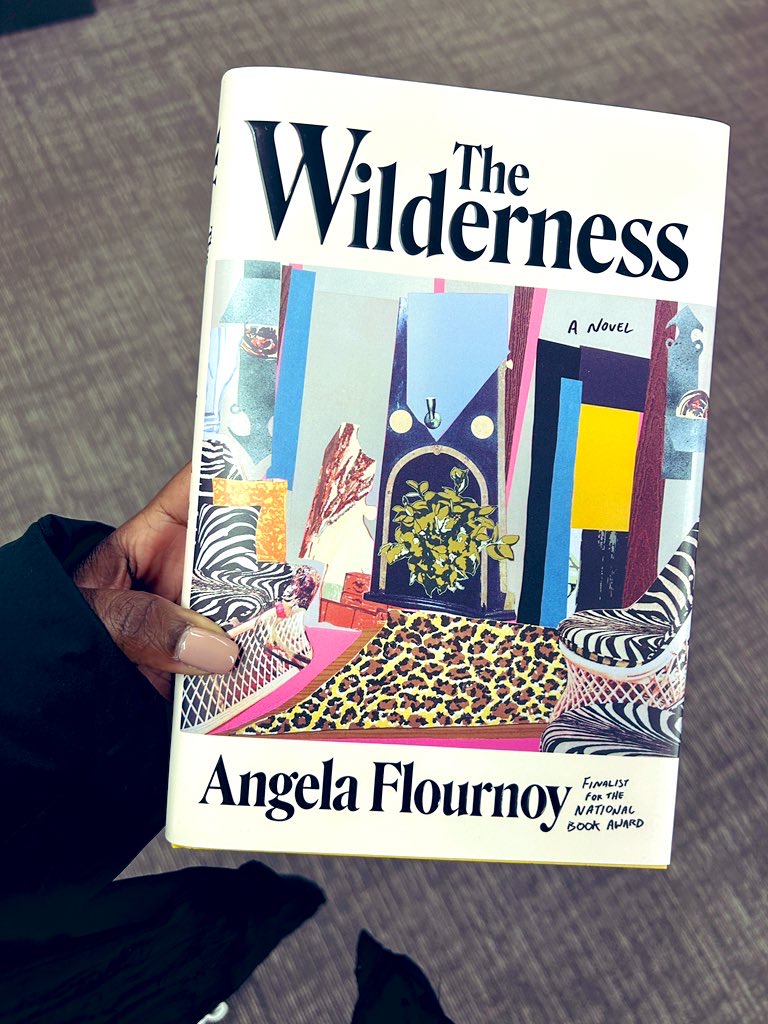
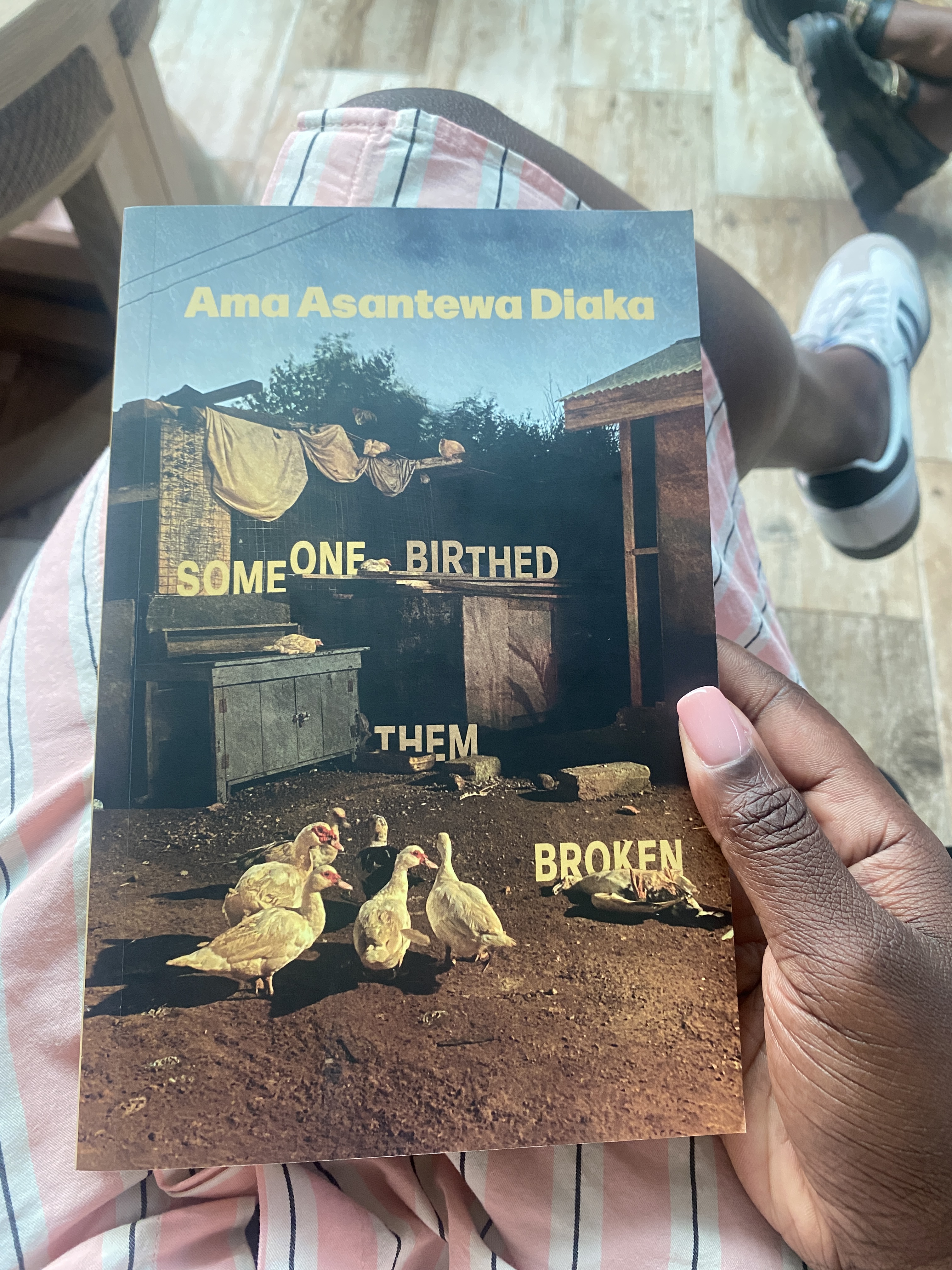
What have you all been reading? Due to my busy schedule, I’ve only managed to finish reading: The Wilderness by Angela Flournoy and Someone Birthed Them Broken by Ama Asantewa Diaka. I rated them were both 4 stars, but Diaka’s book is leaning more towards 4.5 stars – it’s very Ghanaian, in all (fantastic) ways!
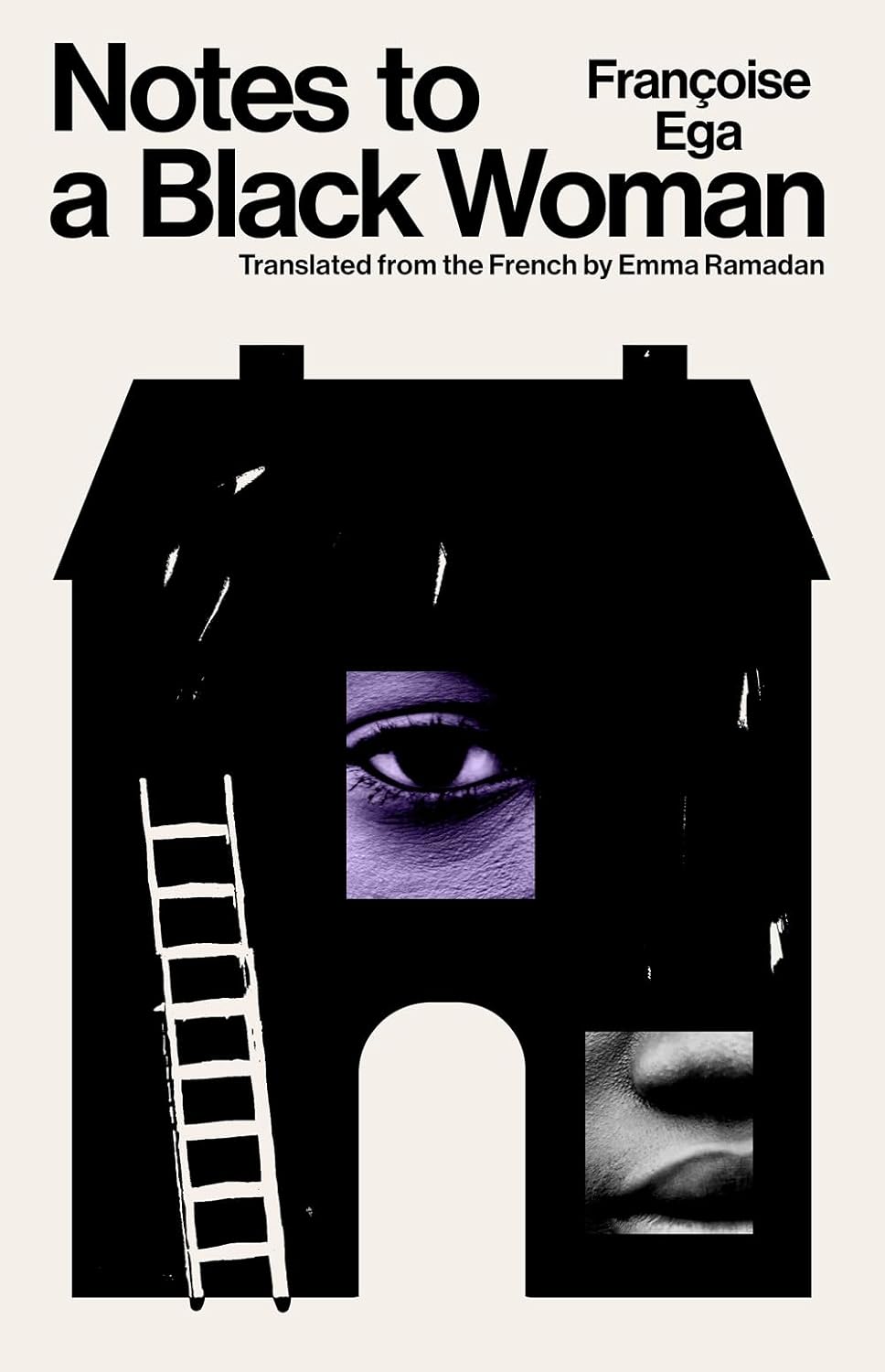
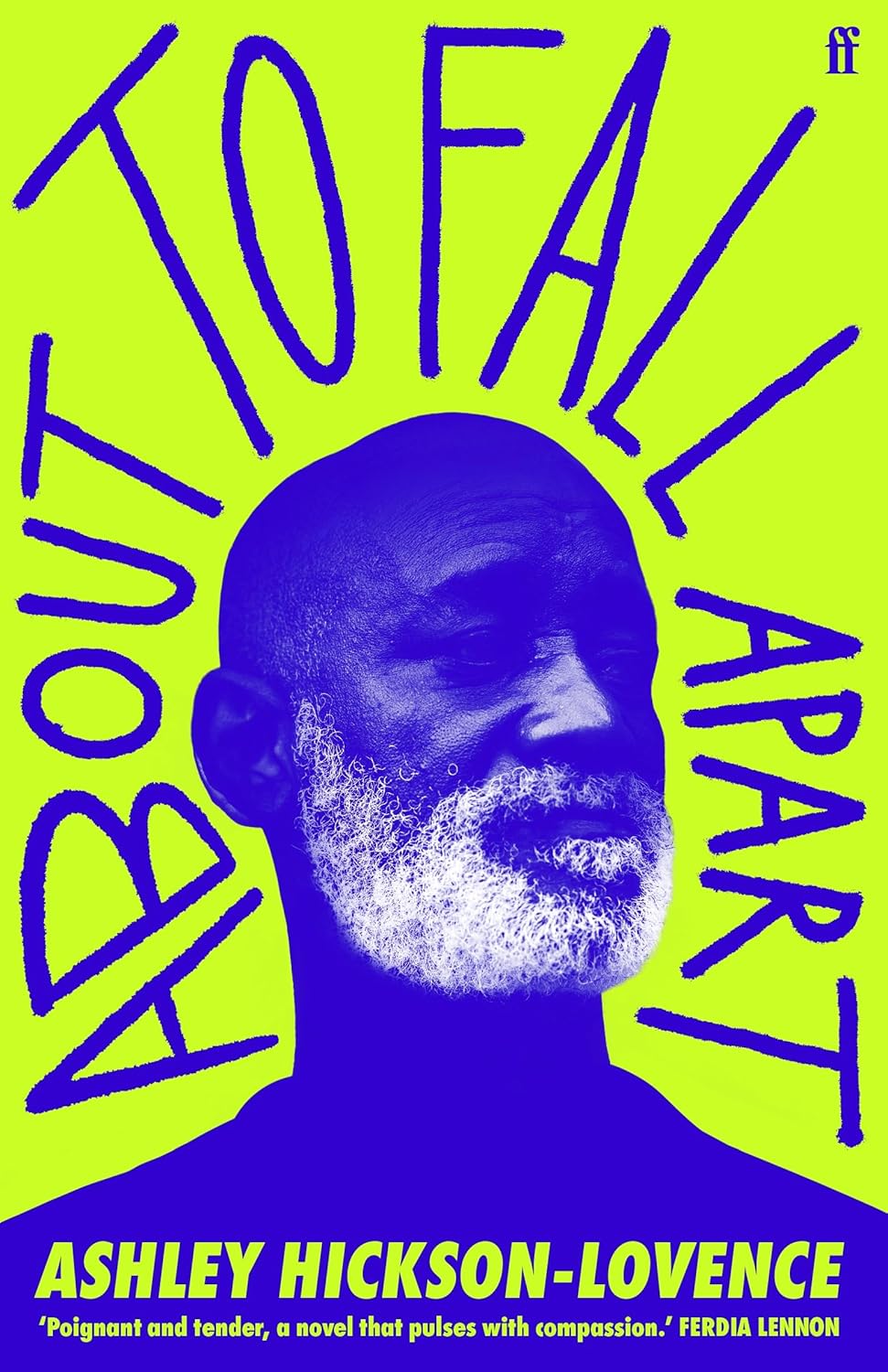
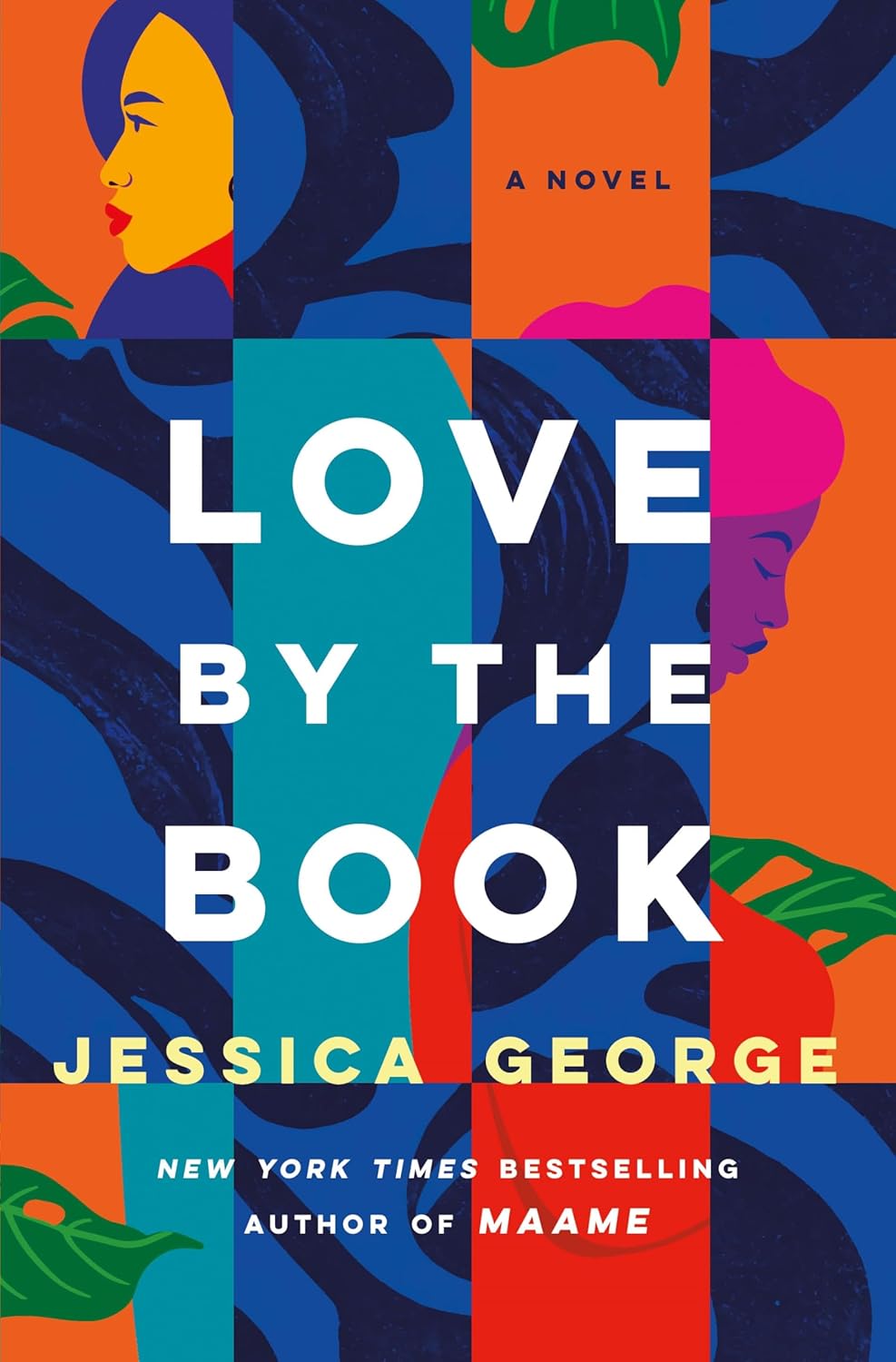
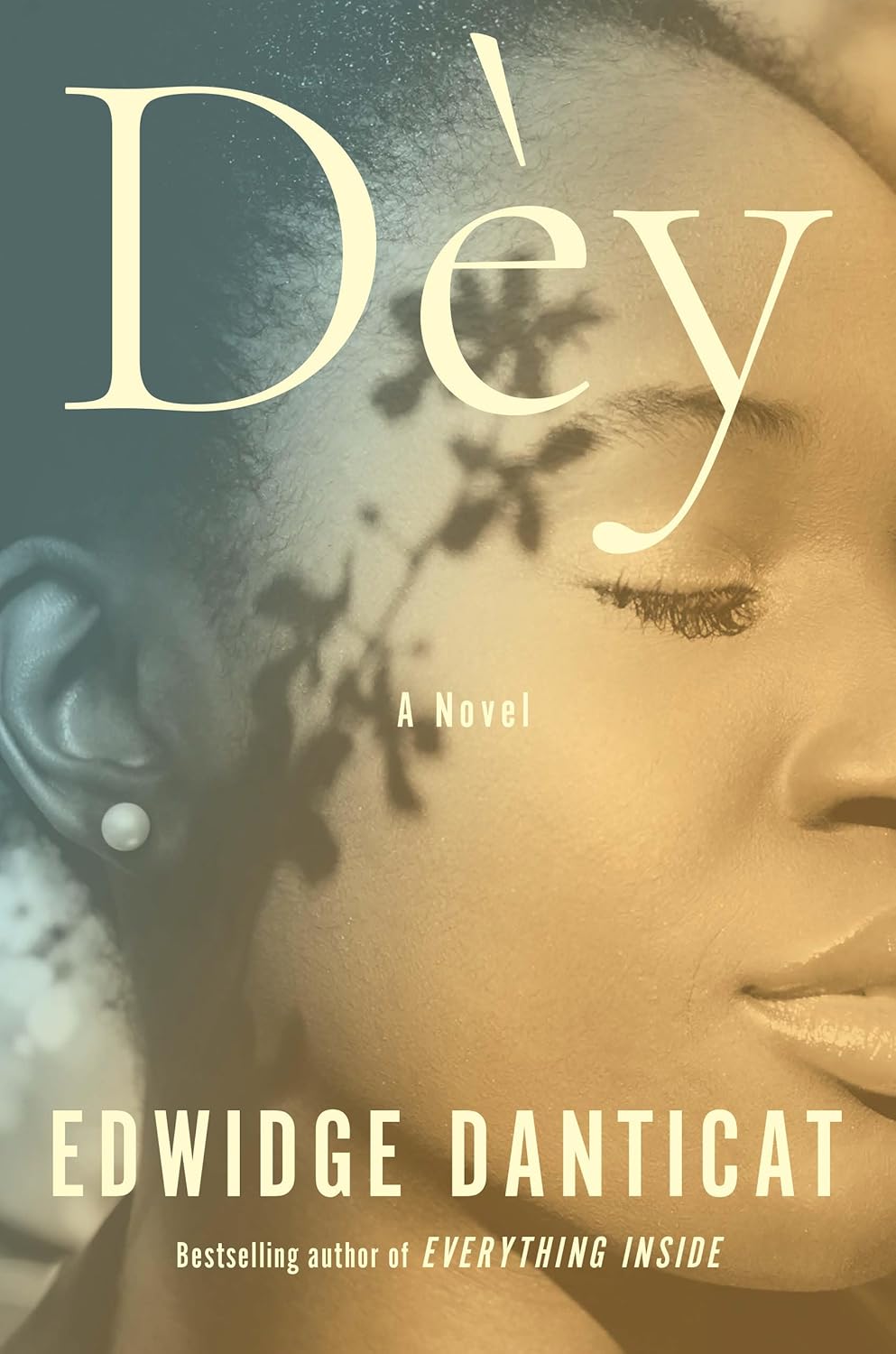
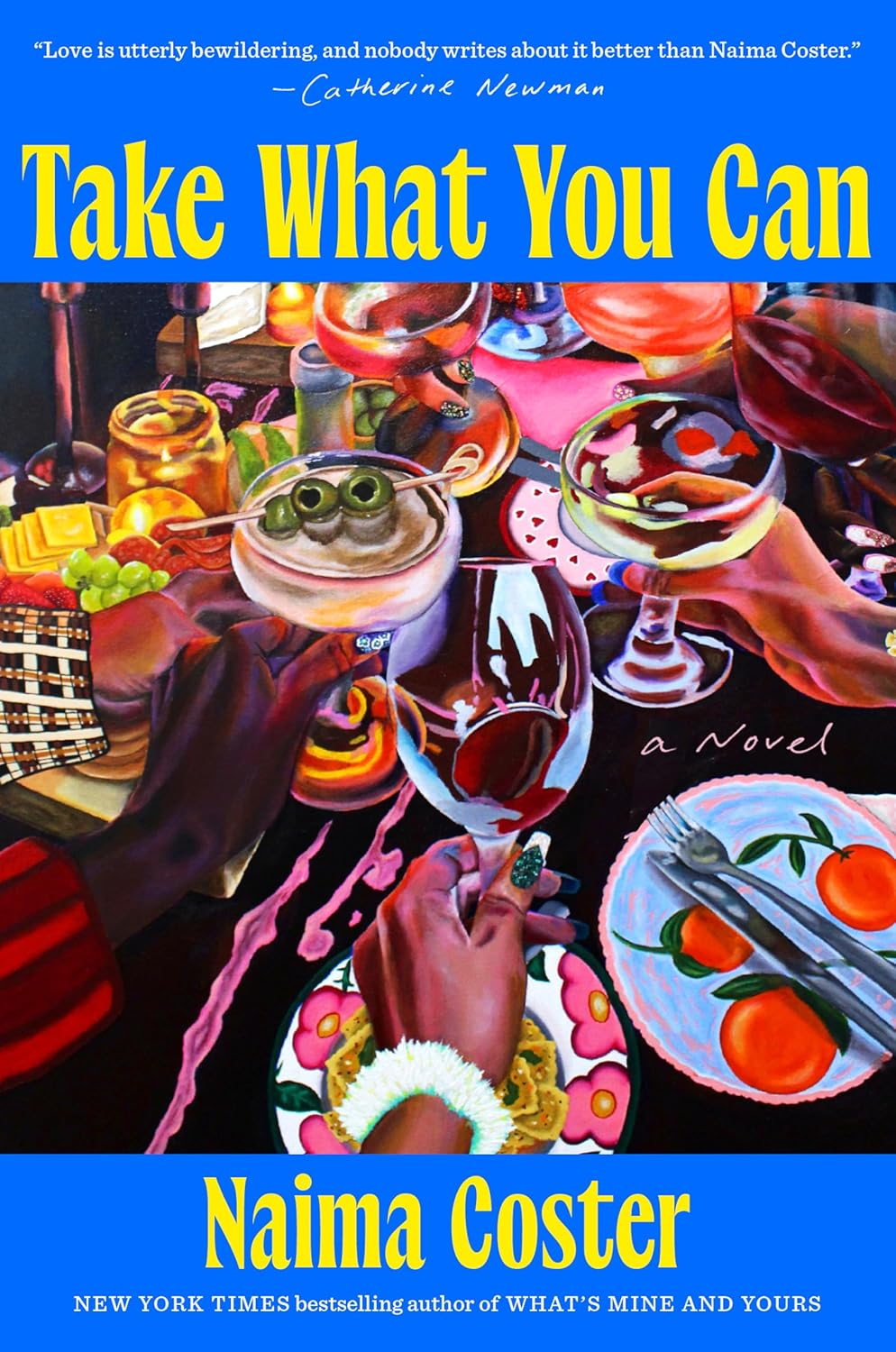
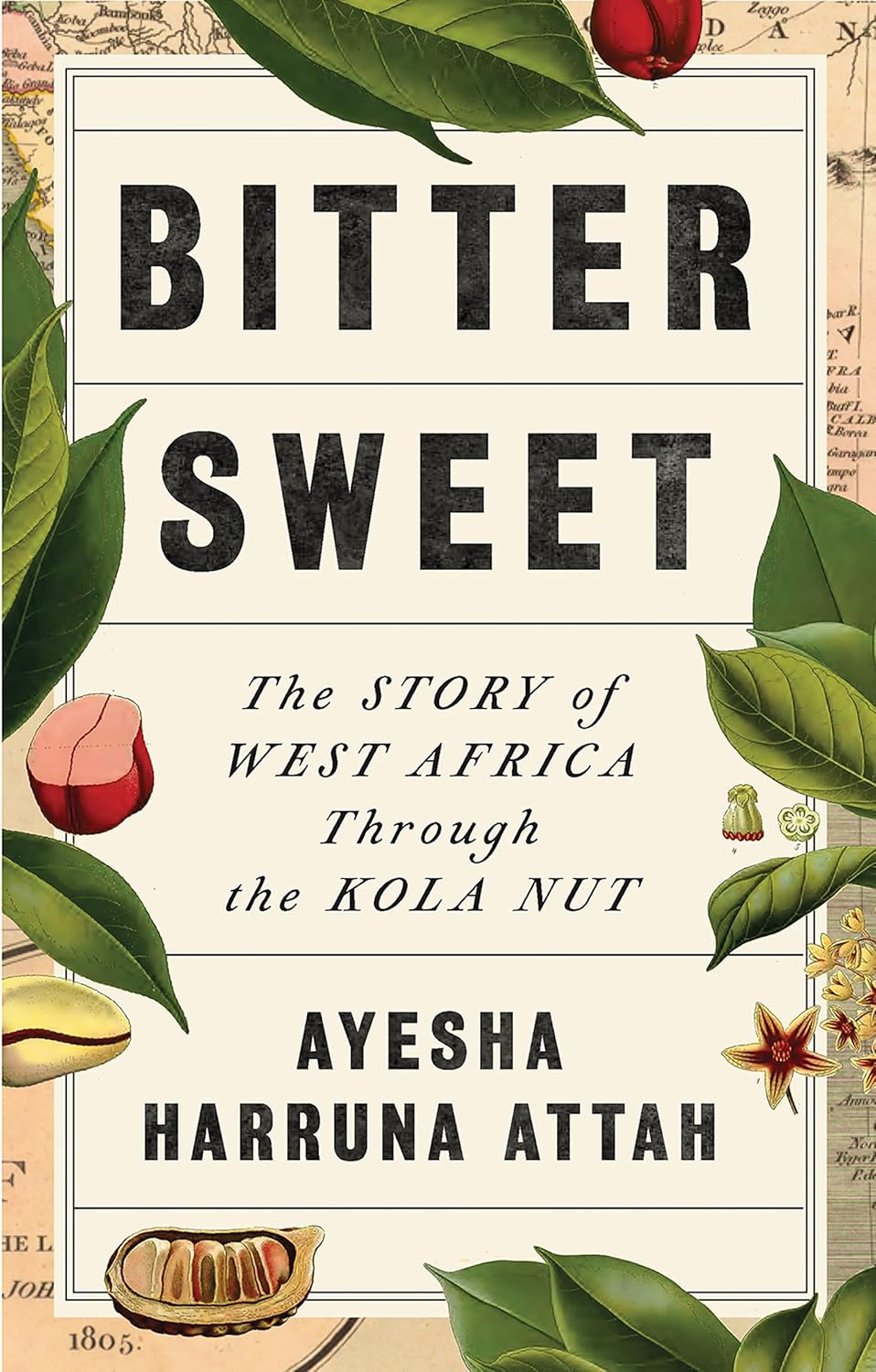
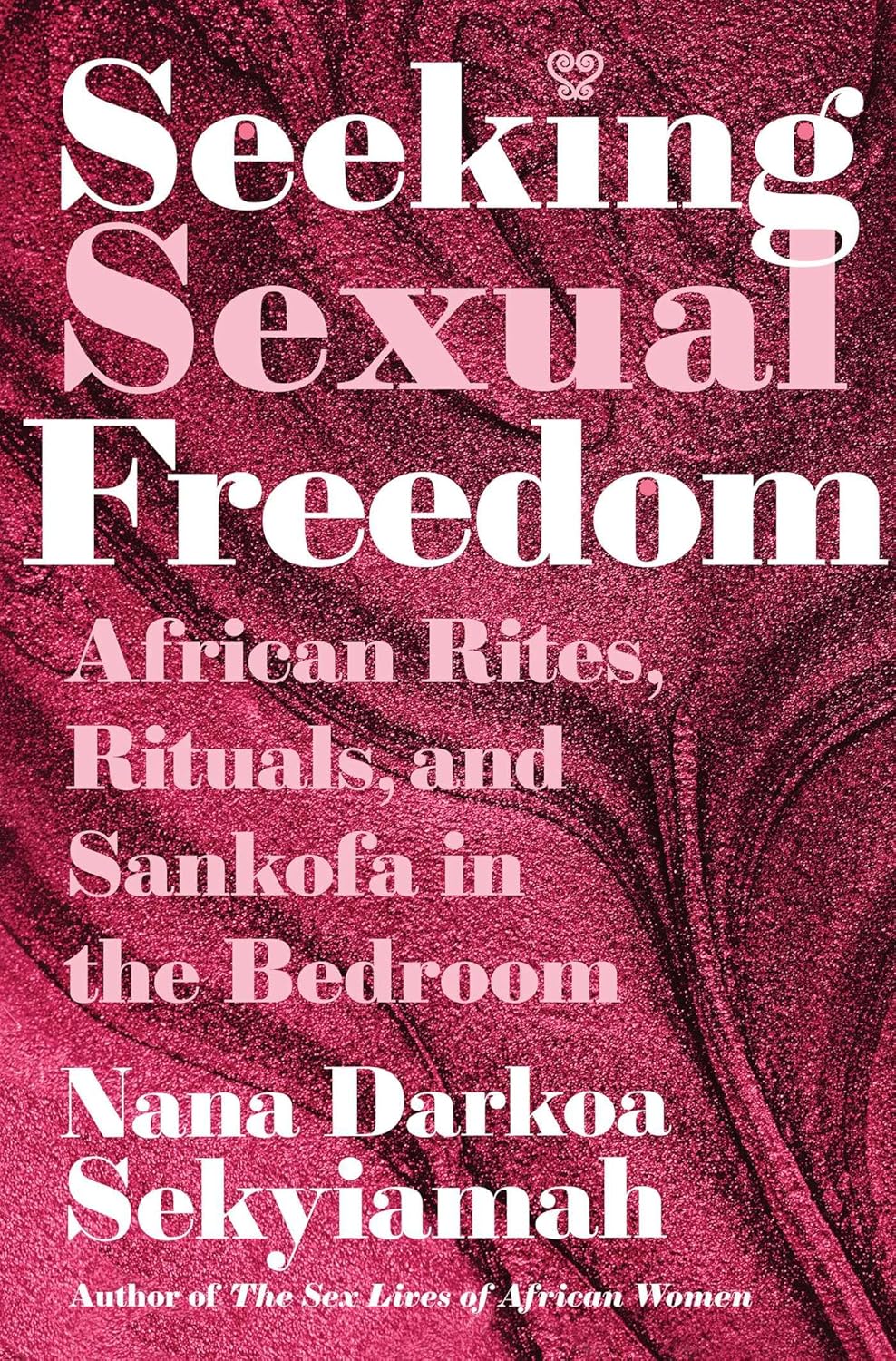
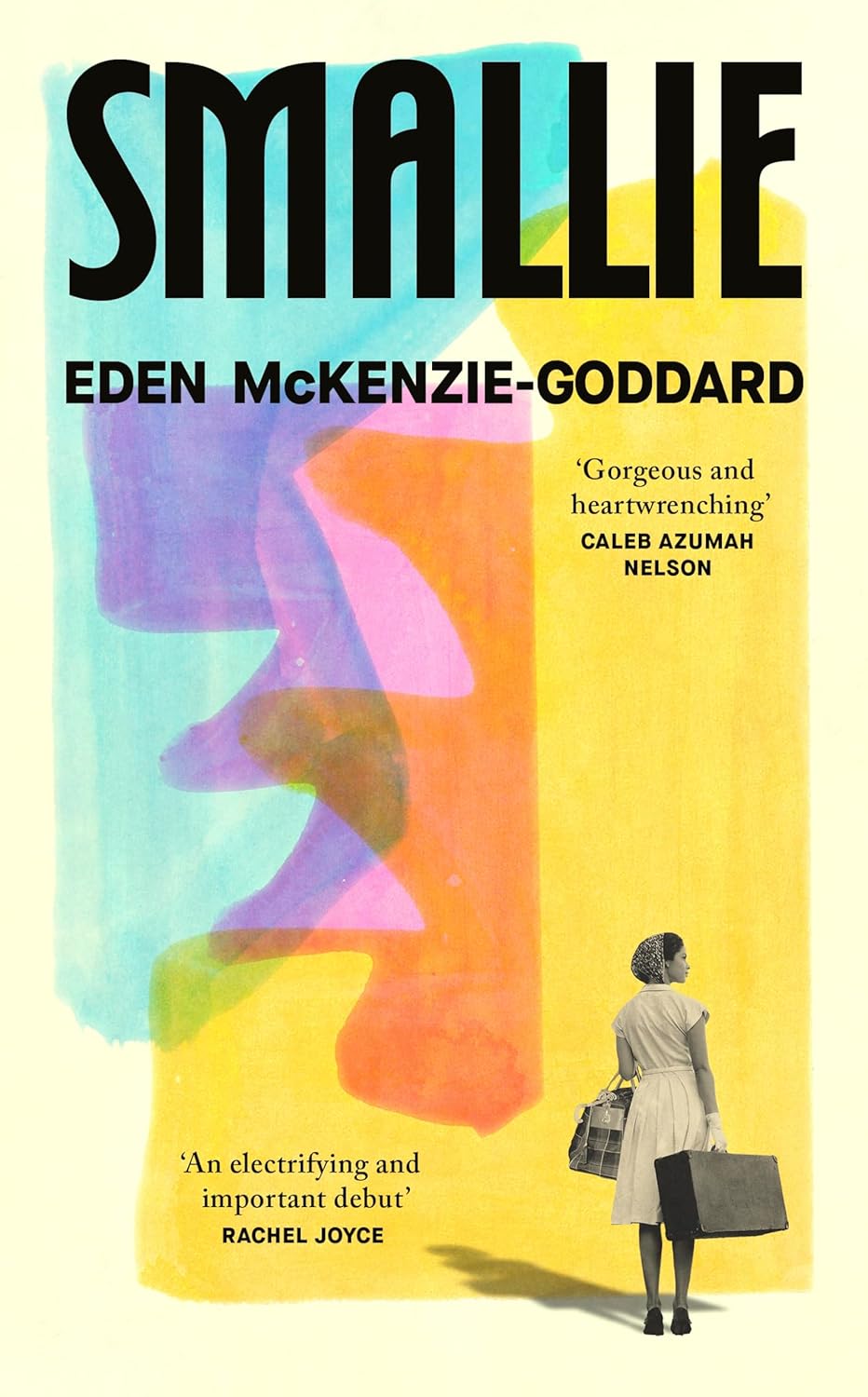
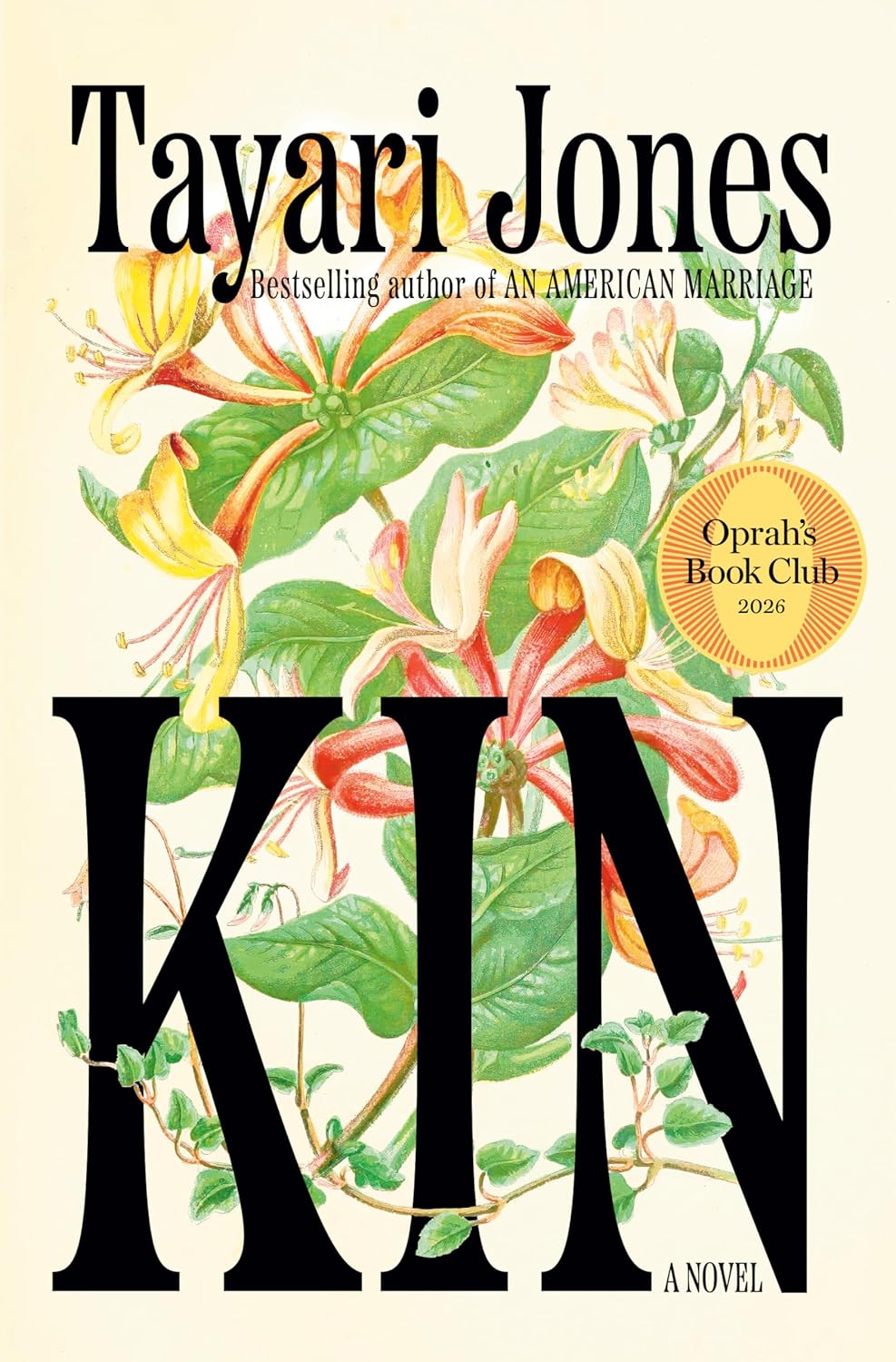
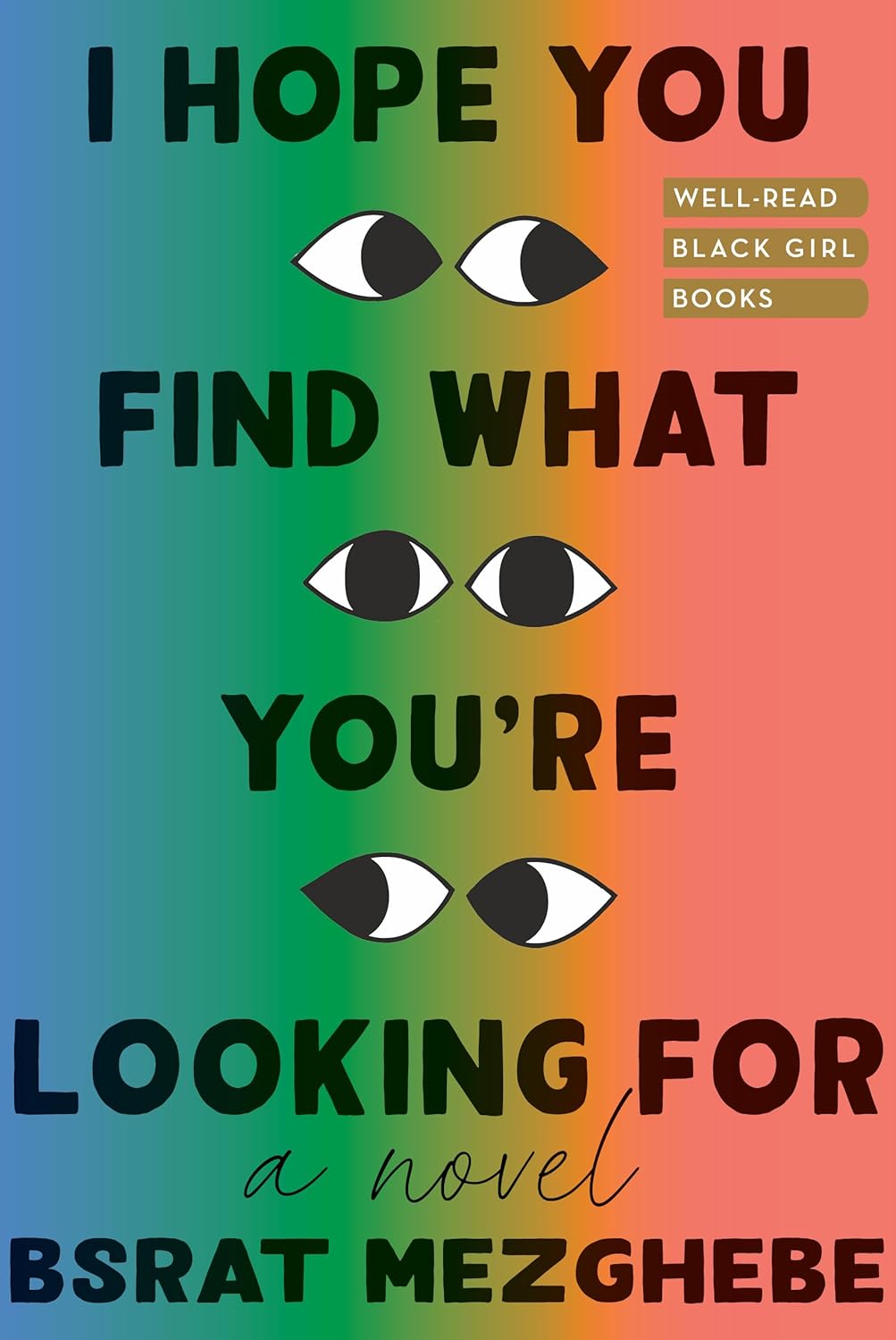
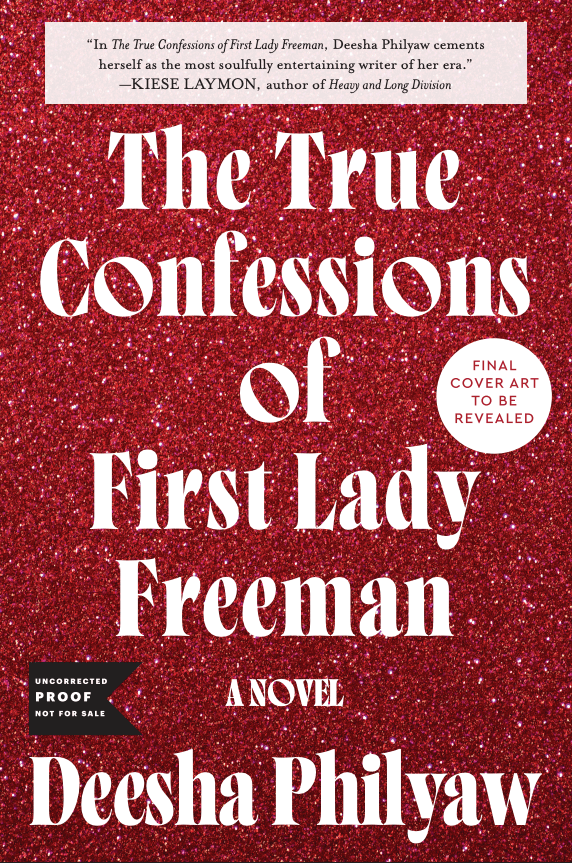
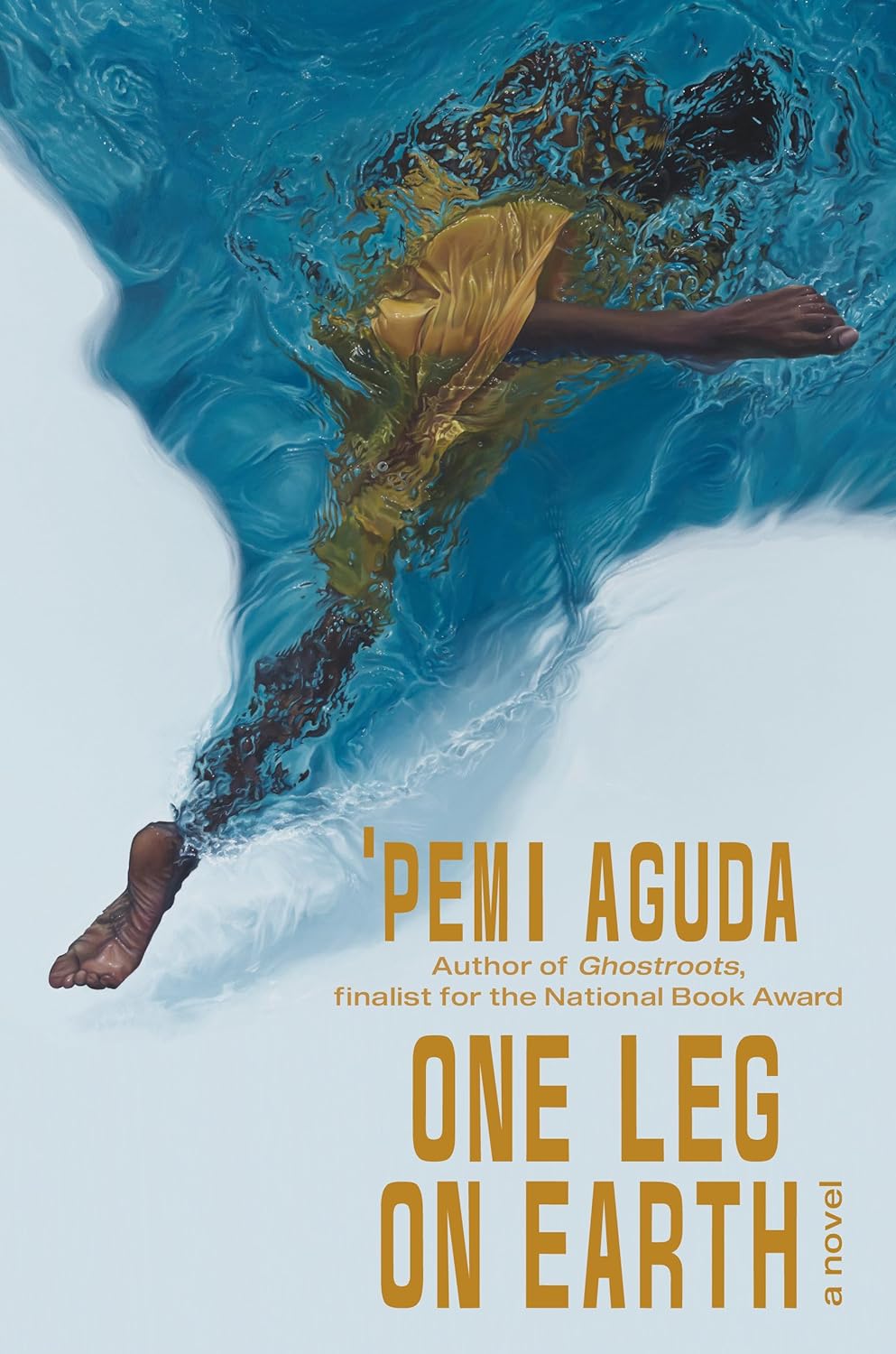
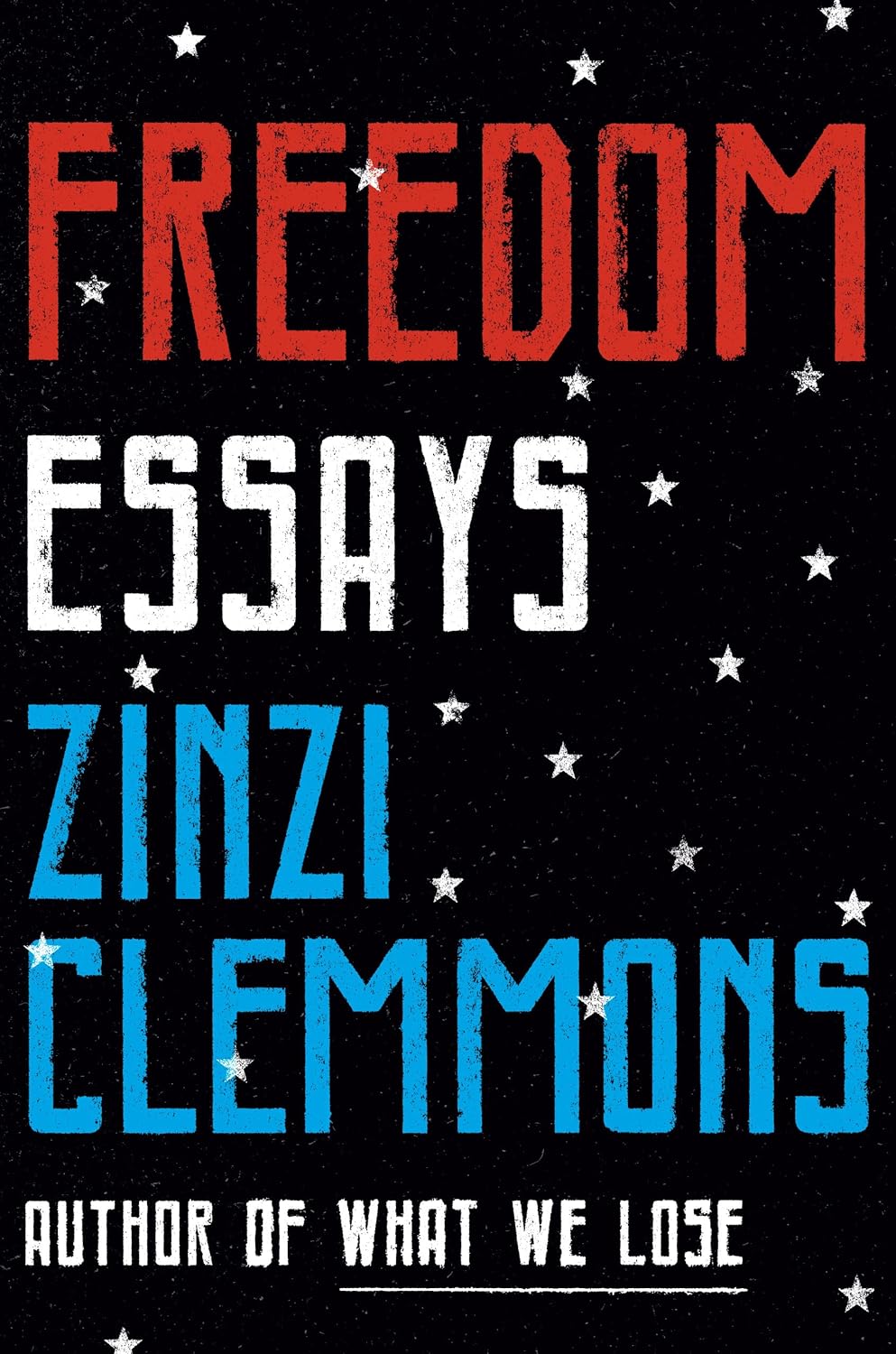
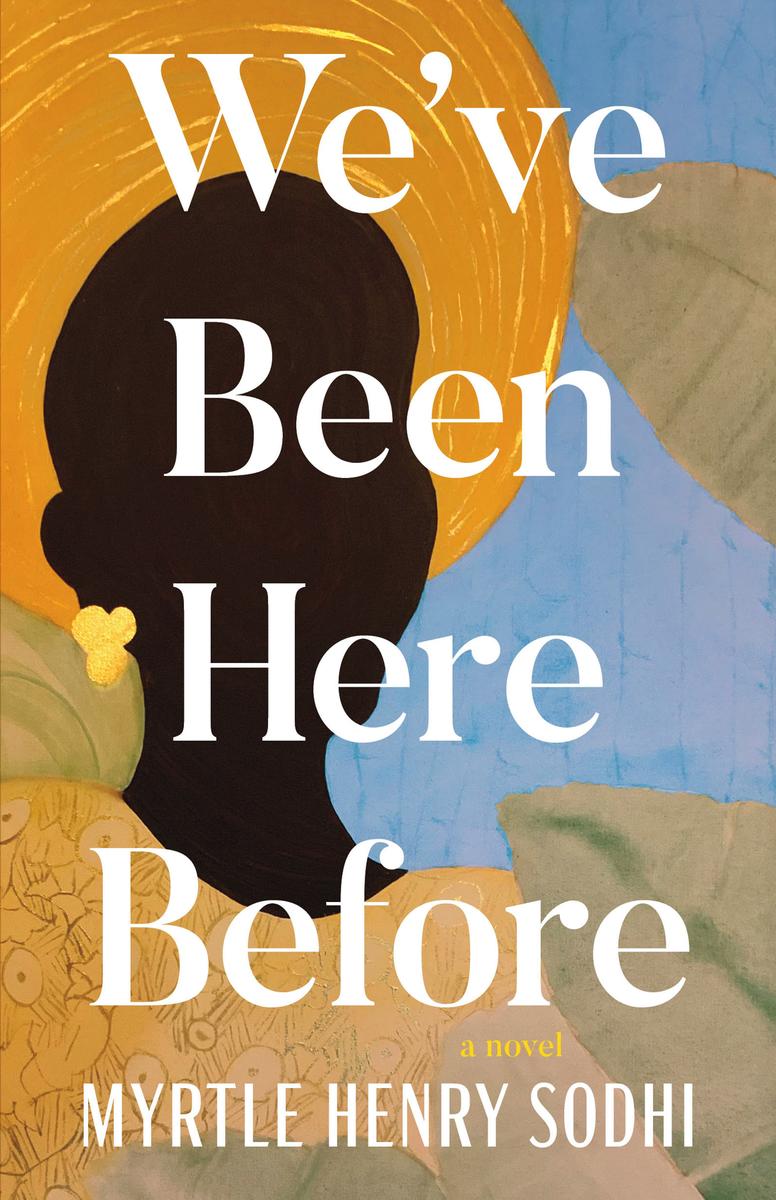
I’ve been perusing the book streets lately and found 21 books super compelling – with respect to their synopses, and book cover designs. Most of these books are/will be published this year (2026) and some were published last year. I’m especially looking forward to new work from Zinzi Clemmons, Jessica George, Imbolo Mbue, Edwidge Danticat, Ayesha Harruna Attah, Tayari Jones, Nana Darkoa Sekyiamah and Deesha Philyaw and Naima Coster. I’ve read and reviewed work by most of these writers, so reading their new work will be very exciting! Those reviews can be found here on this blog, or on my Goodreads.
What books have you read so far this year? What new books have you added to your TBR?
It’s summertime! What is everyone reading this summer?
This year, I set my Goodreads challenge to read 24 books – because we’re in the year 2024, duh! Well, we are halfway through the year and I’m proud to say that I’m about 3 books behind schedule haha.
I’ve read 9 books out of 24:
I’m very behind on my reading challenge, but I know I’ll achieve the 24 books goal – even if slowly.
I have only truly enjoyed reading 5 out of the 9 books I’ve read thus far- The Fire Next Time by James Baldwin, Blessings by Chukwuebuka Ibeh, The Other Significant Others (audio) by Rhaina Cohen, The Three of Us by Ore Agbaje-Williams and Dyscalculia (audio) by Camonghne Felix. These were 4 star reads for me, except The Other Significant Others which isn’t by a Black author, but such a stellar (non-fiction) book! I read the book via audio and deeply appreciated the arguments Cohen presented, as I believe centering friendships over romantic partnerships should be talked about more. That’s the only 5 star book I’ve read so far.
I’m yet to read a book I’m head over heels about this year though. And because of how unenthusiastic I am about books I’ve read so far, I find myself unable to focus on one book at a time. So, I’m currently reading:
I’m reading to Power Moves by Sarah Jakes Roberts via audio and alternating between Hangman and Our Gen. Whenever I practice book polygamy, it means I can’t focus on just one book. One book isn’t arresting my attention enough to finish and move on to the next, systematically. So far, Hangman (which was long-listed for the Women’s Prize this year) is weird! Weird, in a good, original way. But it gets boring after reading 30 pages at a time. Our Gen is quite fun to read, but I’m struggling to get to the plot of the story. But I’ll continue to push through.
Books I have on my radar/TBR for the 2nd half of the year:
I’m really excited to read My Parents’ Marriage because I love fellow Ghanaian-American Nana Ekua Brew-Hammond’s work. Temple Folk looks like a collection I would enjoy. I wish the podcast – Identity Politics, by Ikhlas Saleem and Makkah Ali wasn’t a thing of the past. I’d love to hear them speak to Aaliyah Bilal on her book!
Obviously Chigozie Obioma’s new novel is on my radar – I’ve been a huge fan from the beginning. Jonathan Escoffery’s collection – If I Survive You is popular and I would like to see what the hype is all about. Uche Okonkwo’s debut collection, A Kind of Madness is also on my radar because I love short story collections. Hopefully I can read some of these before the year ends and have some reviews up as well.
In the meantime, I’ll continue to slowly achieve my reading goal this year. I just want it to be more fun. I want to read books and enjoy storylines that I haven’t experienced before. I want to be consumed by original, thought-provoking, compelling work.
What is everyone reading this summer? Please share some of the books you’ve absolutely loved reading so far in 2024.
Long-standing tensions between a husband, his wife, and her best friend finally come to a breaking point in this sharp domestic comedy of manners, told brilliantly over the course of one day.
What if your two favorite people hated each other with a passion?
The wife has it all. A big house in a nice neighborhood, a ride-or-die snarky best friend, Temi, with whom to laugh about facile men, and a devoted husband who loves her above all else—even his distaste for Temi.
On a seemingly normal day, Temi comes over to spend a lazy afternoon with the wife: drinking wine, eating snacks, and laughing caustically about the husband’s shortcomings. But when the husband comes home and a series of confessions are made, the wife’s two confidants are suddenly forced to jockey for their positions, throwing everyone’s integrity into question—and their long-drawn-out territorial dance, carefully constructed over years, into utter chaos.
Told in three taut, mesmerizing parts—the wife, the husband, the best friend—over the course of one day, The Three of Us is a subversively comical, wildly astute, and painfully compulsive triptych of domestic life that explores cultural truths, what it means to defy them, and the fine line between compromise and betrayal when it comes to ourselves and the people we’re meant to love.
Review –★★★★ (4 stars)
Wait, so was Temi lying in the end? Whew.
Favorite chapters: Temi > wife > husband.
This book is all about perception – how we perceive ourselves and how others perceive us. We know Temi is self-centered, obnoxious, lacks boundaries, is very childish and probably has a mental disorder (is she a psychopath?) with how anal she is about controlling her friend’s life and how much of the past she wants to re-live. We know the husband is slightly misogynistic, unable to enforce healthy boundaries to ensure his family’s wellbeing and exhibits traits of toxic masculinity (controlling, wants to be the breadwinner [as a form of control], dictates his wife’s diet, activities etc).
But really, who is the wife? Is she simply the role she plays to both Temi and her husband? Or is she a woman of her own volition? She’s someone who hates the control of her parents, but is definitely being controlled by Temi and her husband. She essentially lacks integrity, and is living her life just to fulfill the roles to those around her. I find this quite sad and miserable, but real.
None of these characters are supposed to be like-able. While the ending/cliff-hanger is slightly anti-climatic, it brings to light key traits of the 3 characters – it shows just how inauthentic the wife is, it reveals how transactional the husband is towards his wife/their marriage and it shows how persistently childish and manipulative Temi is.
Wine plays a huuuge role in this book. I’m a wine lover (WSET level 1 certified, thankyouverymuch), so I enjoyed a glass or two while reading. About 7 or 8 bottles of wine were consumed by the characters in this book, so it only makes sense that the wine fueled that tannic ending – pun intended.
I took the writing style of this book for what it was- different, unique. No quotation marks demarcate the various characters’ speech, but this is something I got used to after the 1st page. For the life of me, I don’t understand why this book has such low ratings. Sooooo much can be said about these characters! It’s an excellent book club read.
The Three of Us was an engaging read for me, and a great (also annoying, because of the shitty characters hahaa) addition to books on friendship that I’m really loving at this point in my life.
February is a great time to indulge in the romance genre. Even though Valentine’s Day is over, I consider the whole month of February to be the month of love!
Back in 2015, I highlighted The Valentine’s Day Anthology 2015 which was published by Ankara Press. Stories in this anthology are translated into Pidgin, Kpelle, Kiswahili, Yoruba, Igbo, French and Hausa. For every story in English, there is a translated version in either of the languages previously listed.
Some of the writers of the stories include: Hawa Jande Golakai, Sarah Ladipo-Manyika, Chikodili Emelumadu, Edwige-Renée Dro, Abubakar Adam Ibrahim and my favorite- Binyavanga Wainaina, amongst others. A lot of work went into publishing this collection – translating stories is not easy. It’s been 9 years since the publication of the anthology and I think it’s still worth the read!
I know what you were thinking when you saw the title, ‘African Love Stories’ – no, this is not a collection of sappy, romantic, unrealistic, happily-ever-after tales. African Love Stories: An Anthology is a collection of 21 contemporary short stories laden with breathtaking originality.
I stand by this quote. African Love Stories: An Anthology was published in 2006 and is still worth the read! I must give it a re-read soon.
•••••••
This year, I had the honor of chatting with a pair of writer-friends who love reading and writing romance and also co-host a bookish romance podcast called – 2 Hearts In A Pod – Kwatemaa Tweneboah (this is their joint pen name). In case you missed it, I highlighted the fact that they published their debut – The Kelewele Connection last year. I’m not a huge fan of the romance genre, so I found their romance-enthusiastic responses quite informative! Enjoy the book chat below – and get your TBR lists ready!
[Kwatemaa Tweneboah = the joint pen name of Abena Kwatemaa Karikari & Nana Adwoa Tweneboah Amponsah-Mensah]
What’s your favorite romance novel by a Black author?
NA: A very tough question. I’ll make a list instead – Reel by Kennedy Ryan, Seven Days in June by Tia Williams, Before I Let Go by Kennedy Ryan, Behind the Scenes by Christina C Jones, and Call Me Legachi by Adesuwa O’man Nwokedi.
AK: Definitely Reel by Kennedy Ryan. All her books are great but Reel is a masterpiece for me. If I could add a second, Seven Days in June by Tia Williams.
Who are your top 3 Black romance writers and which of their work is your favorite?
NA: I think I answered this at question 1 without realising! Read above.
AK: In no particular order –
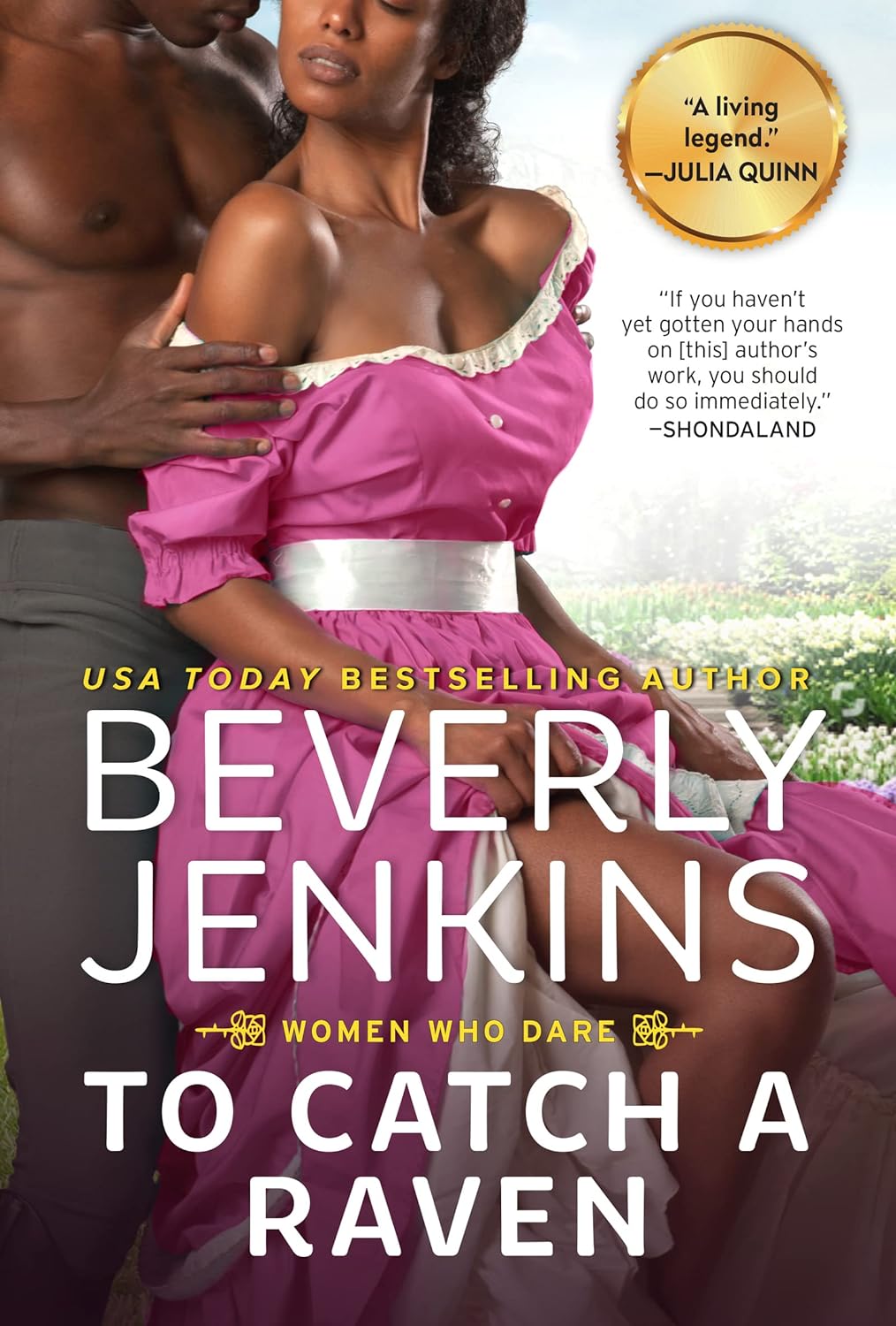
1. Beverly Jenkins – Forbidden, To Catch a Raven
2. M. Monique – Blu
3. Adesuwa O’man Nwokedi – Any Love
What about the romance genre appeals to you? Do you think there’s a difference between romance novels written by Black/POC writers and white writers?
NA: The simple answer is the guaranteed joy at the end ie the Happy Ever After. I love reading a book, going through all these wild emotions, angst, sometimes pain, knowing that in the end, it’ll be ok. I love the assurance. It’s an assurance we don’t often get in real life and it’s soothing.
There is definitely a difference between books written by white authors and black or writers of colour. There is often the overarching sense of being the ‘main character’ that you get from stories by white authors. Their characters are self assured and don’t often question their place in their world. I enjoy both works by white and black authors equally but you can’t help picking up on this. Books by black authors often have a lot more riding on them. they have to be the ones representing their culture. Sometimes, that burden comes out in the story.
AK: The fact that the genre is the only one which can contain other characteristics of other fiction genres while maintaining its goal of a happily ever after. Example fantasy romance, historical romance, paranormal romance and so on. The diversity of themes the genre is able to address fascinates me and gives me so much joy.
There is definitely some difference between romances written by black/POC writers and white writers and this is especially evident from the themes addressed. There are also slight differences in terms of language and style particularly in black/POC authored romances that portray black love, it just hits different in a way that excites me as a black reader of romance.
Given that both of you are relatively well-read in the romance genre, what else/more (or less) would you like to see in the (Black) romance genre?
NA: I would like to see more whispy black romance. A story that doesn’t feel the need to be an ambassador but just is. I want to see black romance that is soft, kind and all about two people connecting and choosing to love each other kindly. They exist, I just want more.
AK: I would love to see traditional/mainstream publishing opening up to black romances that don’t dilute the black experience and also I would love to see more black romance writers experimenting with the fantasy romance sub-genre.
Did any African/Ghanaian romance writers influence The Kelewele Connection?
NA: By the time we were halfway through with The Kelewele Connection we had discovered Adesuwa Nwokedi. Her style definitely influenced us and continues to. I hope she can see some of her influence when she reads our works going forward as well.
Adesuwa O’man Nwokedi is a prolific romance writer of Nigerian descent! Above are some of my (Darkowaa) favorite book covers of her work.
AK: Adesuwa O’man Nwokedi was and continues to be a big inspiration for us having more confidence about self-publishing. She has published so many herself and actually accepted to read the advanced reader’s copy , and gave us encouraging feedback before we put it out.
Long time, no blog! (more on that at the end of the blog post)
I never thought I’d ever make a blog post on books written by my own friends. Since 2014, I’ve been blogging about books written by Black authors I either have para-social relationships with online, or who are acquaintances. This year, three of my Ghanaian friends published their debuts, and I couldn’t be more proud of them!
#ReadGhanaian🇬🇭
The Kelewele Connection by Kwatemaa Tweneboah
Synopsis
What starts out as a quick trip to the kelewele joint on campus, leads two kelewele lovers to discover a connection like no other.
Afriyie just wanted to get some kelewele to munch while she enjoyed a movie in her room but is disappointed when she doesn’t get the exact kind she loves. Her disappointment turns into a pleasant impromptu ‘date’ with the guy who offers to share the last bit of kelewele he bought.
Nana Yaw never shares his kelewele. Never. So when he catches himself offering to do just that with the cute girl he’s been spying for the past few weeks, he knows this is a connection he cannot ignore.
They don’t have much time till Afriyie has to go back to resume her studies in Edinburgh but the connection they share is too strong to ignore. Will their brief time together be all they have or will their instant spark turn into something long-lasting?
One of my favorite and smartest bookish friends – Abena Kwatemaa Karikari, (or better known as @BookwormInGH on her Bookstagram and Booktube channel) wrote a book with one of her good friends – Nana Adwoa Tweneboah Amponsah-Mensah. Their joint pen name is Kwatemaa Tweneboah. These two friends love reading and writing romance and also co-host a bookish romance podcast called 2 Hearts In A Pod.
Even though Abena and Nana Adwoa separately have their work published in a number of anthologies, The Kelewele Connection is their debut self-published novel under their joint pen name. Not only will readers of romance love this book, but I have a feeling food lovers (especially plantain/kelewele lovers) will enjoying reading this novel as well!
Kwatemaa Tweneboah (Nana Adwoa on the left & Abena Kwatemaa on the right) on a panel at Pa Gya! discussing their debut, in October
The book cover is very endearing – the natural hair, the skin tones of the characters and even the bowl of spiced plantain. I’m sure Kwatemaa Tweneboah have more books up their sleeve, waiting to be published. In fact, they have a Christmas novelette in the works called A Kelewele Christmas! Stay tuned!
A story about God, a spear and an angel’s thirst for unruly power.
Not forgetting, the return of Earth’s greatest saviour.
Head to the first page and I’ll meet you inside.
I normally do not review or highlight religious novels – mostly because I know people of ALL religions read this book blog. No discrimination here. But I would be remiss if I didn’t highlight God’s Spear by my good friend, Jeffrey Bones. I had the privilege of reading the book back in April of this year, when it was in its final editing stages.
Jeffrey Bones at his book launch in September
Without giving away any spoilers, God’s Spear is a 60 page graphic novel that follows an angel’s quest for power via a spear. I enjoyed the dialogue between the characters, as well as the gradual rise of suspense towards the end. The writing is pretty descriptive, which allows readers to use their imagination to visualize the text and interpret the storyline through their own understanding.
God’s Spear is suitable for readers of all ages; readers who appreciate animation would especially love the illustrations in the book! As with any graphic novel, the illustrations pleasantly augment the reading experience, as we actually get a glimpse into Jeffrey Bones’ (and the illustrator’s) vision for the characters we experience.
Purchase God’s Spear by contacting Jeffrey Bones for a copy
No One Dies Yet by Kobby Ben Ben
Synopsis
A genre-breaking novel from a powerful new African voice.
2019. The Year of the Return. It has been exactly 400 years since the first slave ships left Ghana for America. Ghana has now opened its doors to Black diasporans, encouraging them to return and get to know the land of their ancestors.
Elton, Vincent, and Scott arrive from America to visit preserved sites from the transatlantic slave route, and to explore the country’s underground queer scene. Their activities are narrated by their two combative guides: Kobby, their guide to Accra’s privileged circles; and Nana, the voice of tradition and religious principle.
The pair’s tense relationship sets the tone for what becomes a shocking and unsettling tale of murder that is at times funny, at times erotic, yet always outspoken and iconoclast.
Last but not least, No One Dies Yet was published in August via Europa Editions. This book has been featured in so many of my ‘New Books to Anticipate‘ posts, so we are all elated that it’s finally out in the world! It will be published in the US in February of 2024.
No One Does Yet is a big book (over 380 pages) that’s basically the embodiment of Kobby’s complex, inspiring mind. Trust and believe that as soon as I finish this book, the review will be up. From my discussions with Kobby on the inspiration behind the book, one of the ideas behind the novel is slightly akin to an article another friend of mine wrote during Ghana’s Year of Return celebrations, in 2020.
Me and Kobby with an ARC of his book, back in January
African Book Addict will be 10 years old in 2024! Time flies. I plan on setting up a series of posts and (maybe) events to celebrate the 10 years. Stay tuned (and keep your fingers crossed because [traditional] blogging is quite challenging nowadays).
Below is my annual collage of new books to anticipate this year. I’ve compiled 102 new African, African-American, Black-Brit and Caribbean books that look very promising. Please note – this list/collage is just a snippetof books by Black authors 2023 has to offer!
An enthralling and original first novel about exile, diaspora, and the impossibility of Black refuge in America and beyond.
In the morning, I received a phone call and was told to board a flight. The arrangements had been made on my behalf. I packed no clothes, because my clothes had been packed for me. A cararrived to pick me up.
A man returns home to sub-Saharan Africa after twenty-six years in America. When he arrives, he finds that he doesn’t recognize the country or anyone in it. Thankfully, someone recognizes him, a man who calls him brother—setting him on a quest to find his real brother, who is dying.
In Hangman, Maya Binyam tells the story of that search, and of the phantoms, guides, tricksters, bureaucrats, debtors, taxi drivers, relatives, riddles, and strangers that will lead to the truth.
It is an uncommonly assured debut: an existential journey; a tragic farce; a slapstick tragedy; and a strange, and strangely honest, story of one man’s stubborn quest to find refuge—in this world and in the world that lies beyond it.
This incendiary debut of linked stories narrates the everyday lives of Soweto residents, from the early years of apartheid to its dissolution and beyond.
Imbued with the thrilling texture of township language and life, and uncompromising in its depiction of Black South Africa, Innards tells the intimate stories of everyday folks processing the savagery of apartheid with grit, wit, and their own distinctive, bewildering humor.
Magogodi oa Mphela Makhene—who was born in apartheid-era South Africa—plunges readers into an electrifying first collection filled with indelible characters. Meet a fake PhD and ex–freedom fighter who remains unbothered by his own duplicity, a girl who goes mute after stumbling on a burning body, and twin siblings nursing a scorching feud. Like many Americans today, Innards’ characters mirror the difficulty of navigating the shadows of a living past alongside the uncertain opportunities of the promised land.
A work of intelligence and vision—flush with forgiveness, rage, ugliness, and wild beauty—Innards heralds the arrival of a major new voice in contemporary fiction.
WOMB CITY imagines a dark and deadly future Botswana, rich with culture and true folklore, which begs the question: how far must one go to destroy the structures of inequality upon which a society was founded? How far must a mother go to save the life of her child?
Nelah seems to have it all: wealth, fame, a husband, and a child on the way. But in a body her husband controls via microchip and the tailspin of a loveless marriage, her hopes and dreams come to a devastating halt. A drug-fueled night of celebration ends in a hit-and-run. To dodge a sentencing in a society that favors men, Nelah and her side-piece, Janith Koshal, finish the victim off and bury the body.
But the secret claws its way into Nelah’s life from the grave. As her victim’s vengeful ghost begins exacting a bloody revenge on everyone Nelah holds dear, she?ll have to unravel her society’s terrible secrets to stop those in power, and become a monster unlike any other to quench the ghost’s violent thirst
In exactly 1 week, the 2022 AKO Caine Prize winner will be announced!
For those who are not familiar, the AKO Caine Prize(formerly as the Caine Prize for African Writing), which was first awarded in year 2000, is an award open to writers from anywhere in Africa for work published in English. It’s focus is on the short story, reflecting the contemporary development of the African story-telling tradition.
The AKO Caine Prize for African Writing is a registered charity whose aim is to bring African writing to a wider audience using the annual literary award (source).
Some notable winners of the Caine Prize include (click on links to my reviews):
Leila Aboulela, from Sudan (2000) – author of novels Minaret,The Translator,Lyrics Alley, among others.
Binyavanga Wainaina, from Kenya (2002) – founding editor of Kwani?, author of memoir One Day I Will Write About This Place and the essay How To Write About Africa found in various literary magazines. *sigh* Rest In Power, Binya!
Yvonne A. Owuor, from Kenya (2003) – author of the novel, Dust.
E.C Osondu, from Nigeria (2009) – author of the novel This House is not For Sale and collection Voice of America: stories.
NoViolet Bulawayo, from Zimbabwe (2011) – author of the novel, We Need New Names.
Previously shortlisted writers include: (2001) Mia Couto from Mozambique, (2002) Chimamanda Adichie from Nigeria, (2006) Laila Lalami from Morocco, (2013) Chinelo Okparanta from Nigeria, (2013) Pede Hollist from Sierra Leone, (2014) Tendai Huchu from Zimbabwe, (2013 & 2015) Elnathan John from Nigeria, (2021) Doreen Baingana from Uganda, among others!
The AKO Caine Prize and the shortlisted stories play huge roles in the authors I read from Africa and the Diaspora. Many AKO Caine Prize winners and shortlisted writers have found great success and I’ve reviewed a good number of these writers’ work here on African Book Addict!
This year, the AKO Caine Prize shortlist comprises of five talented writers with stories showcasing the “vibrancy, variety and splendor of creative talent among writers of African descent” – Okey Ndibe; (left to right):
Another year where women dominate the shortlist – I love to see it. And FINALLY, Ghana is well represented on the shortlist! I never thought I would see the day where Nigerians, Kenyans and South African stories did not dominate haha.
When A Man Loves A Women by Nana-Ama Danquah is a well-paced story that turns pretty dark by the end. I think this is expected, as the short story was originally published in the Accra Noir anthology (via Akashic). The story centers a loving Ghanaian couple from the US who later relocate to Cantonments, Accra. Kwame and Adwoa were high school sweethearts and are now well into their 50’s, dealing with various ailments that normally afflict the body in middle-age. Kwame is diagnosed with cancer and it seems the couple’s normal routine of coping with their marriage is disrupted. The story is quite simple… almost predictable, but not in a bad way. I’ve always found Danquah’s writing to be very accessible and digestible. If you remember my 2018 book review of her memoir – Willow Weep For Me, you’ll understand my love of her ability to aptly capture the realities of life.
A Double-Edged Inheritance by Hannah Giorgis was an enjoyable read for me! I’m pretty fond of Giorgis’s writing in The Atlantic, where she covers (pop)culture. I had no idea she wrote fiction as well, so it was a nice surprise to see her on this shortlist. A Double-Edged Inheritance was originally published in the Addis Ababa Noir anthology (via Akashic) so I expected some level of darkness in the story. The only issue I had with the story was that it had waaay too many characters and it was hard to track who was who sometimes. The story moves from Addis Ababa to the US and back to Addis, where readers are acquainted with a few heroines – Tigist, Almaz and Meskerem. Meskerem – who is the daughter of Tigist (now dead, thanks to the man she fell in love with) is an Ethiopian-American who is on a quest to find her roots in Addis. Her grandaunt – Almaz (who I think is the MVP of this story) is the glue that holds all the characters together, thanks to her wealth, social currency and resilience. The story turns dark when Meskerem is on holiday in Addis Ababa and she eventually meets her father, unintentionally. It’s hard to summarize this story, as it has so many characters and sub-plots. But I would love to see this story turn into a full-fleshed novel!
But ooooooooooh, my! Five Years Next Sunday by Idza Luhumyo will definitely win the AKO Caine Prize this year. What a beautifully magical story! I’m now a fan of the main character of Five Years Next Sunday and Idza, the writer! This mythical story follows a young girl, Pili, whose hair-which is in the form of luscious locs, is a god of the land. Her hair grows beautifully and attracts lots of attention to her poor family. Her family later becomes wealthy, thanks to her hair, as it attracts the likes of white people who fetishize it. But as her hair is growing and becoming a main attraction, the land is parched, as it hasn’t rained in five years. Cutting her hair would signal the clouds to finally let out rain; but cutting it would also banish her to “the quarter of witches, where all women who have the rain are sent”. Honey, white woman who is jealous of Pili’s attention, feigns connection with Pili, only for Pili to mistaken this connection for desire and later make the choice of cutting her locs.
My summary of this story does NOT do it justice. The beauty of the story is in the sublime, engaging, light writing! The story holds deeper meaning, depending on how intently it is read. On the surface, I loved how the nature of a Black woman’s hair was being revered. Hair was the source of life for a group of people – which is akin to water. On a deeper level, the story touches on themes such as – the environment, nature, womanhood, colonization, fetishization, desire, destiny and ancestral connections. Five Years Next Sunday was the winner of the Short Story Day Africa Prize in 2021. This story also deserves to win the 2022 AKO Caine Prize!
Which story is your favorite? Who do you think will win the AKO Caine Prize this year?
The winner will be announced on Monday 18th July 2022. Good luck to all the shortlisted candidates!
You can also check out my past commentary on the AKO Caine Prize below:
From the award-winning author of Under the Udala Trees and Happiness, Like Water comes a brilliant, provocative, up-to-the-minute novel about a young white man’s education and miseducation in contemporary America.
Harry Sylvester Bird grows up in Edward, Pennsylvania, with his parents, Wayne and Chevy, whom he greatly dislikes. They’re racist, xenophobic, financially incompetent, and they have quite a few secrets of their own. To Harry, they represent everything wrong with this country. And his small town isn’t any better. He witnesses racial profiling, graffitied swastikas, and White Power signs on his walk home from school. He can’t wait until he’s old enough to leave. When he finally is, he moves straight to New York City, where he feels he can finally live out his true inner self.
In the city, he meets and falls in love with Maryam, a young Nigerian woman. But when Maryam begins to pull away, Harry is forced to confront his identity as he never has before—if he can.
Brilliant, funny, original, and unflinching, Harry Sylvester Bird is a satire that speaks to all the most pressing tensions and anxieties of our time—and of the history that has shaped us and might continue to do so.
◊◊
Review – ★★★★ (4 stars)
Sigh. Where do I even begin with this book???? There are so many layers to this satire, and I have so many complaints and questions! Chinelo Okparanta really had the gall to portray the life of a white boy / man, as a Black African woman writer and I deeply admire her for that. Reading Harry Sylvester Bird was mind-boggling and mortifying as hell, but I’m always down for an original, chaotic read by an author I admire (my book review of Okparanta’s 2013 collection – Happiness, Like Waterthoroughly celebrates my love for her storytelling).
Harry Sylvester Bird is a coming-of-age novel that takes readers from Edward Pennsylvania, Centralia Pennsylvania, New York City, Ghana (Cape Coast, Aburi, Afajato) and back to New York City, spanning the years of 2016 to 2026. Harry’s stalk is extremely racist, but he does everything in his power to distance himself from the burdens of his personal and racist family history.
Once I finished reading this book, I concluded that my dear Harry, is a sick man. I don’t know whether he has a white savior complex, body dysmorphia, obsessive-compulsive disorder or all three – but the man is… strange. I found Harry to be adorable yet repulsive, timid, lonely, calm, selfish, confused, weird and inherently racist as fuck – through no fault of his own.
While reading, I kept wondering whom Okparanta wrote this novel for. I can’t wait to attend her virtual book tour to hear her talk about this book! Surely, I can see sensitive white readers hating this novel. Harry loathing his whiteness will definitely make white readers uncomfortable. Black readers may be baffled and annoyed as hell at this novel, because Harry seems to be reminiscent of Rachel Dolezal – just Google her, if you’ve been living under a rock. Harry believes he is a Black man in a white body, but in my opinion, his belief holds no grounds! I wouldn’t even call him an ally… he’s just a lonely white person who is a product of his abandoned, white supremacist upbringing. Harry never engaged actively with Black culture or Black folks, besides Maryam – a Nigerian young woman at his college who he was deeply fond of. The only engagement Harry had with Black ‘culture’ was his family trip to Tanzania in 2016, which was the epitome of of micro-aggressions, fetishization and a weird admiration for the locals.
This book has a lot of great characters besides Harry. Maryam added a nice twist to Harry’s coming-of age-story. I was worried that the introduction of a Black African woman character would turn the book into a love story. But Maryam’s existence in the novel only unravels Harry’s true-blue being (pun intended). At certain points in the novel, I felt Maryam’s embarrassment, annoyance and shame for engaging with Harry, as she slowly realized the man he truly was. Okparanta did a good job portraying Chevy and Wayne as well. They are an insane pair with lots of depth with respect to their eroding relationship – you’d have to read the book to find out who these two are. And brace yourself!
Memory plays a huge role in Harry Sylvester Bird. Harry is the sole narrator of this coming-of-age novel, which is a first-person narrative. As readers go through his life in 10 years, we only rely on his flawed recollection of events. Many happenings in the book are hence exaggerations of reality/the truth, as we see life through Harry’s insecure, troubled lens. While I found it fascinating reading Harry’s voice and inner thoughts, again, I really wonder how other readers would take to this novel. Some happenings are far-fetched, some happenings are hilarious and others are simply perturbing. As we move passed 2022 and into the future, I loved Okparanta’s take on how the future – sans the pandemic would be. I especially liked her depiction of Ghana – it felt accurate and even hopeful (with respect to Ghana’s use of energy and transportation).
This satire aims at questioning the evolution and limitations of identity and race. Obviously, our identities are ever-evolving, as long as we are alive. But can our race evolve? Is it possible to be phenotypically white but feel as if you’re Black within? Black folks who pass as white may battle with this, but in Harry’s case, he’s genotypically and phenotypically a white boy/man who adamantly believes that he’s a Black man. Once you finish the novel, you begin to question whether dear Harry is actually well mentally, especially as his love for the Black race seems to originate from micro-aggresssions and terrible stereotypes.
While this book is hilarious, it explores various political stances that may be uncomfortable to imbibe. I just want to know why Okparanta chose to write this story. Authors are free to write what they like – duh. But was she trying to humanize racist white men? Was she trying to expose racist white people? Was she indirectly celebrating the gloriousness of our Black race? Was she trying to open up the dreadful trans-racial conversation? Was she trying to flip the white gaze? I have soooo many questions! Nevertheless, Okparanta did a damn good job with this original novel. Dear reader, please remember that this novel is a SATIRE – lighten up! Harry and this glorious mess of a novel will be on my mind for a long time.




 African Book Addict!