AND THE 2020 AKO CAINE PRIZE WINNER ISโ€ฆ

In less than a month, the 2020 AKO Caine Prize winner will be announced!

For those who are not familiar, the Caine Prize for African Writing (now known as the AKO Caine Prize), which was first awarded in year 2000, is an award โ€œopen to writers from anywhere in Africa for work published in English. Its focus is on the short story, reflecting the contemporary development of the African story-telling traditionโ€ย (source).

Some notable winners of the Caine Prize include (click on links to my reviews):

  • Leila Aboulela, from Sudan (2000) โ€“ author of novelsย Minaret,ย The Translator,ย Lyrics Alley,ย among other works.ย 
  • Binyavanga Wainaina,ย from Kenya (2002) โ€“ founding editor ofย Kwani?,ย author of memoirย One Day I Will Write About This Placeย and the essayย How To Write About Africaย found in various literary magazines.ย *sigh* Rest In Power, Binya!
  • Yvonne A. Owuor, from Kenya (2003) โ€“ author of the novel,ย Dust.
  • E.C Osondu, from Nigeria (2009) โ€“ author of the novelย This House is not For Saleย and collectionย Voice of America: stories.
  • NoViolet Bulawayo, from Zimbabwe (2011) โ€“ author of the novel,ย We Need New Names.ย 
  • Lesley Nneka Arimah, from Nigeria (2019) – author of short story collection, What It Means When A Man Falls From The Sky

Previously shortlisted writers include:ย (2001)ย Mia Coutoย from Mozambique, (2002)ย Chimamanda Adichieย from Nigeria,ย (2006)ย Laila Lalamiย from Morocco,ย (2013)ย Chinelo Okparantaย from Nigeria, (2013)ย Pede Hollistย from Sierra Leone, (2014)ย Tendai Huchuย from Zimbabwe, (2013 & 2015)ย Elnathan Johnย from Nigeria, among others!

The AKO Caine Prize and the shortlisted stories play huge roles in the authors I read from Africa and the Diaspora. Many AKO Caine Prize winners and shortlisted writers have found great success and Iโ€™ve reviewed a good number of these writersโ€™ work here on African Book Addict!


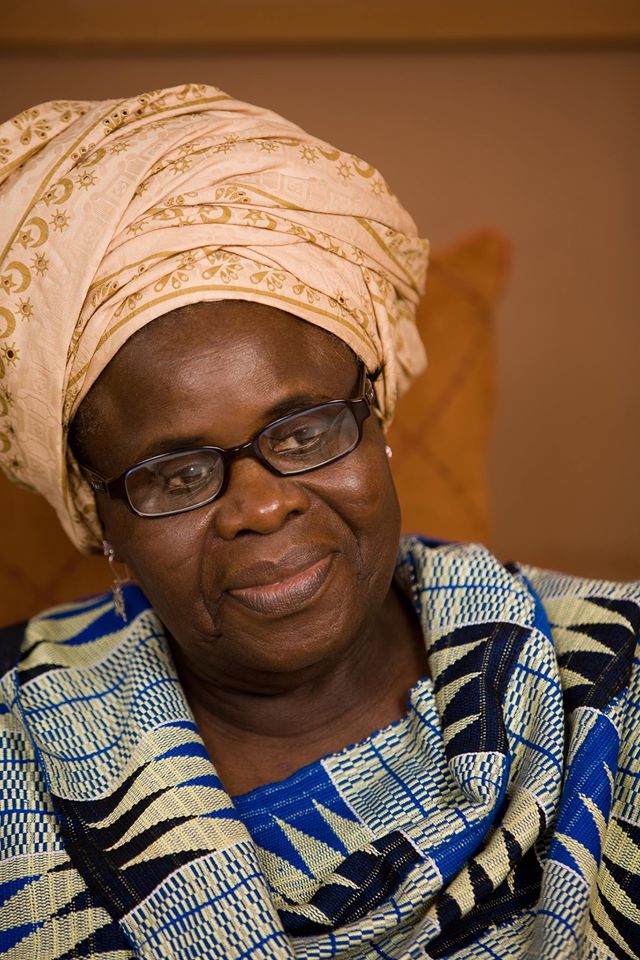
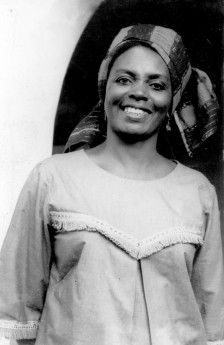
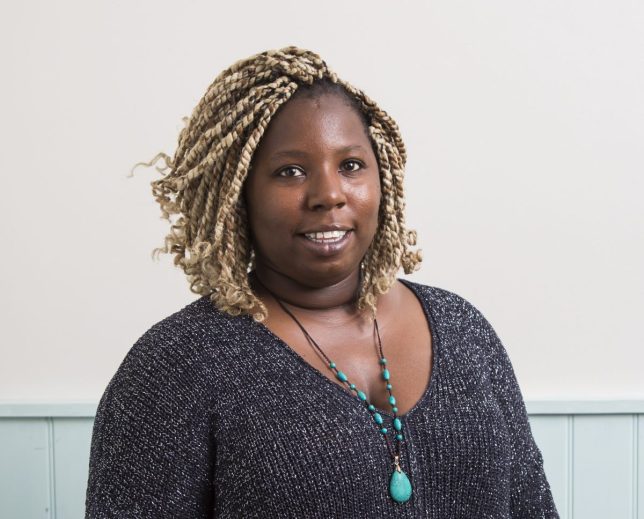
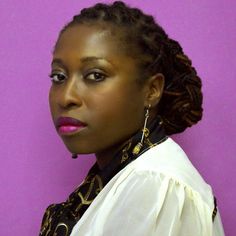
This year, the AKO Caine Prize shortlist comprises of five talented writers with stories that ‘speak eloquently to the human condition’ (left to right):
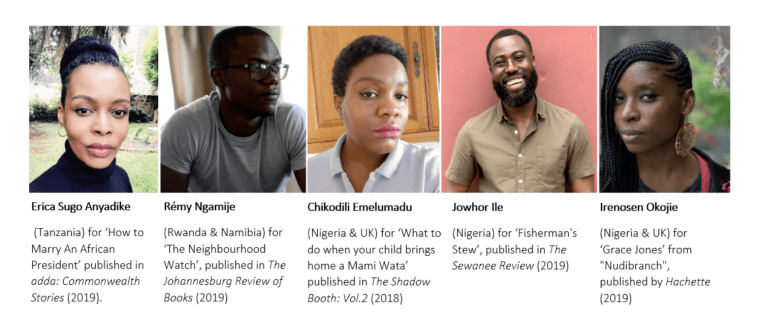
(Imageย viaย caineprize.com)

Erica Sugo Anyadike (Tanzania) – Read her story: How to Marry An African President

Rรฉmy Ngamije (Rwanda & Namibia) – Read his story: The Neighbourhood Watch

Chikodili Emelumadu (Nigeria & UK) – Read her story: What To Do When Your Child Brings Home a Mami Wata

Jowhor Ile (Nigeria) – Read his story: Fisherman’s Stew

Irenosen Okojie (Nigeria & UK) – Read her story: Grace Jones


Women dominate the shortlist again – I LOVE to see it! I’m still making my way through all the stories. So far I’ve read Erica Sugo Anyadike and Jowhor Ile’s stories; and skimmed through Chikodili Emelumadu and Irenosen Okojie’s stories.

Fisherman’s Stew by Ile is a calm story about Nimi, an elderly woman, who believes her dead husband comes home to her one night. It seems she frequently has encounters with this man who has long passed away, but when she mentions this to her daughter or her neighbor, they worry about her mental health. As the story progresses, readers get to decipher whether Nimi’s encounters are true or imagined. The story is quite simple, not mind-blowing. The writing is simple, yet beautiful. The descriptions of the market and it’s foodstuff, Nimi’s late night cooking of fish stew and even the opening scene (which caught me off-guard) where Nimi and her husband lay together, definitely showcased Ile’s lovely way with words. I’m not sure if the story is a prize-winning story, though.

How to Marry An African President is another good story that’s easy to read, but it wasn’t a story I hadn’t read before. I skimmed through What To Do When Your Child Brings Home a Mami Wata and I was reminded of Emelumadu’s humor! Her story Bush Baby was shortlisted for the Caine Prize in 2017, so I expected nothing less than her wonderful, sharp satire. I also skimmed through Grace Jones by Okojie (I really want to read her three books that have been published. But getting access to physical books is almost impossible now, thanks to the borders being close). It was a little hard for me to understand what was going on initially, but so far I’m captivated by the writing!

Sigh… To be honest, I’ve slowly lost interest in the Caine Prize over the years. I’m no longer excited about the shortlist or the stories, or who wins. I’m not sure if I’m fatigued at how repetitive everything is, or if I’m just fatigued in general.

Anyway, may the best story win. I won’t be shocked if Grace Jones is the winner. Okojie’s writing is known to be out of this world!

โ€ขโ€ข

Which story is your favorite? Who do you think will win the AKO Caine Prize this year?

The winner will be announced on 27th July 2020. Good luck to all the shortlisted candidates!

You can also check out my past commentary on the AKO Caine Prize below:

2014ย |ย 2015ย ย |ย 2016ย |ย 2017ย |ย 2018 | 2019

2020 Black British Books on my TBR

Hello everyone!

Over the years, I’ve been slowly working my way through some compelling Black Brit reads. So far I’ve loved work by a few writers of African descent who reside in the UK (or who’ve lived there for an extended period of time), like – Diriye Osman, Yrsa Daley-Ward, Warsan Shire, Chibundu Onuzo.

I still have a ways to go with regards to reading more books from this special sector of Black literature, but below are 20 books by Black British authors that are on my radar this year! Some of these books were already highlighted in my annual New Releases To Anticipate! post in January, and majority are yet to be published this year. Obviously, this list/collage is just aย snippetย of books by Black Brit authors 2020 has to offer. The books highlighted in this post are just the ones on my TBR list!


Please click on the images to read the blurbs and/or to purchase the books.

Bad Love by Maame Blue can be pre-ordered on Jacaranda’s website

Get a sneak peek into Maame Blue’s writing by reading her award-winning short story on AFREADA

Poor by Caleb Femi can be pre-ordered at Penguin


What other books (not necessarily published this year) by Black British authors are on your TBR?

2020 NEW RELEASES TO ANTICIPATE!

Happy New Year, everyone!

We are in the year 2020 – how crazy is that? 2020 sounds like a year in a Sci-Fi novel, doesn’t it?!

Below is my annual collage of new books to anticipate this year. I’ve compiled about 80 new African, African-American and Caribbean books that look very promising. Please note – this list/collage is just a snippet of books by Black authors 2020 has to offer!

Please click on the images to read the blurbs and/or to purchase the books.

(this post containsย Amazonย affiliate links)

MORE books to look out for in 2020:

image via Essence

Bamboozled by Jesus: How God Tricked Me into the Life of My Dreamsย by Yvonne Orjiย 

The Blurb

In Bamboozled by Jesus, a frank and fresh advice book, Orji takes readers on a journey through twenty life lessons, gleaned from her own experiences and her favorite source of inspiration: the Bible. She infuses wit and heart along with practical pointersโ€•such as why being talented is not as sexy as being available, and how fear is similar to food poisoningโ€•with the goal of helping others live the most fulfilling, audacious life possible.

With bold authenticity and practical relatability, Orji will inspire everyone to catapult themselves out of the mundane and into the magnificent. Bamboozled by Jesus paints a powerful picture of what it means to say โ€œyesโ€ to your most rewarding lifeโ€•no matter your beliefs.

To be published May 2020


image via Twitter

An Ordinary Wonder by Buki Papillon


The Blurb

An Ordinary Wonderย is the powerful coming of age story of an intersex twin, Oto, who is forced to live as a boy despite his heartfelt belief that he is a girl. His wealthy and powerful family are ashamed of him and treat him cruelly to secure his silence. His twin sister’s love wavers in a world of secrets and lies that seems determined to tear them apart, and Oto must make drastic choices that will alter their lives forever.

Richly imagined with African mythology, art and folk tales, this moving and modern book follows Oto through his life at home and at boarding school in Nigeria, and his ultimate dream of emigrating to a new life in the United States. It is a novel that explores complex desires as well as challenges of family, identity, gender and culture.ย An Ordinary Wonderย takes us on a beautiful journey of what it means to feel whole.

To be published April 2020


image via Big Friendship

Big Friendship: How We Keep Each Other Close by Aminatou Sowย andย Ann Friedman

The Blurb

Two of the nationโ€™s leading feminists and hosts of the hit podcastย Call Your Girlfriendย make the bold and compelling argument that a close friendship is the most influential and important relationship a human life can containโ€”helping you improve as a person and in your relationships with others.

To be published July 2020


Also look out for work from: Ayesha Harruna Attah’s YA novel – The Deep Blue Between, Maame Blue, Thando Mgqolozana, Bryan Washington.


What new releases are you excited about? Please do share!

#ReadGhanaian๐Ÿ‡ฌ๐Ÿ‡ญ updates / check-in

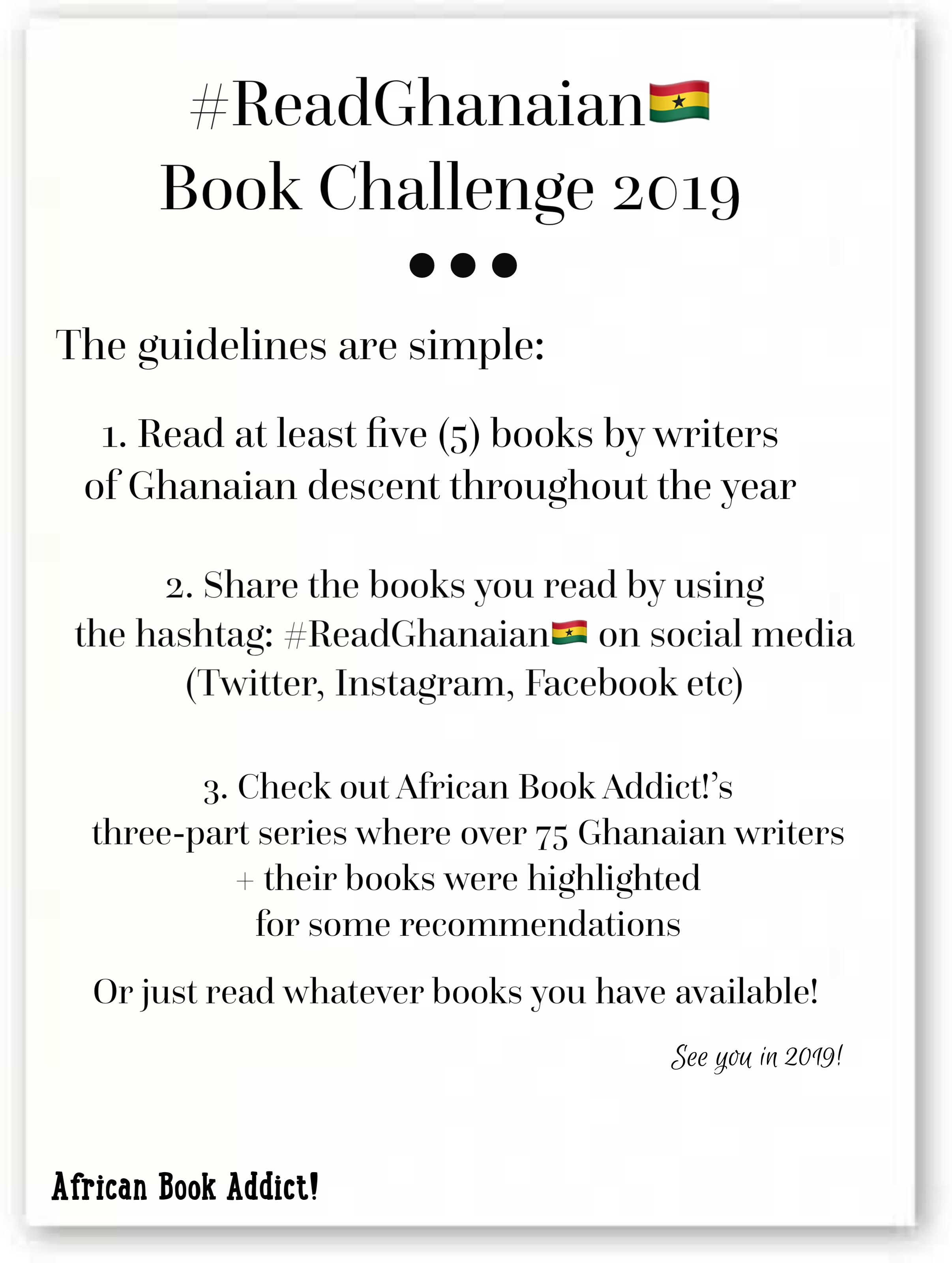
Hello everyone! How is the #ReadGhanaian๐Ÿ‡ฌ๐Ÿ‡ญ book challenge going? The year isn’t over yet!

So far I’ve only read 3 out of the 5 books for the challenge. I’m currently a final year dental student and it’s been a struggle to find time to read recently, but I am determined to complete the book challenge. I’m currently reading Tampered Press Vol. 2 – Braided Quilt. This edition of the magazine features many more stories by young Ghanaian writers, which are excellent so far.

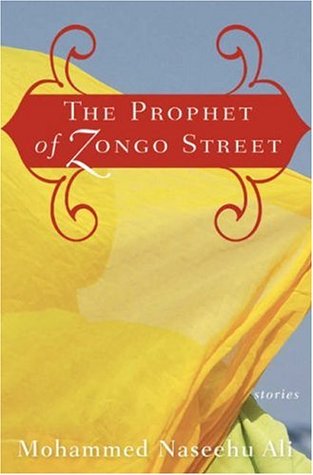
On my #ReadGhanaian๐Ÿ‡ฌ๐Ÿ‡ญ TBR, I want to read Black Gold of The Sun by Ekow Eshun, From Pasta to Pigfoot by Frances Mensah-Williams and complete The Prophet of Zongo Street by Mohammed Naseehu Ali. This is an ambitious TBR if I’m being honest, but I will complete this challenge oh!

โ€ขโ€ขโ€ข

My artist brother – AduKofs, created a cool template for the #ReadGhanaian๐Ÿ‡ฌ๐Ÿ‡ญ book challenge! To those who are unfamiliar, templates are pretty popular on Instagram/ Bookstagram. This template is to help those participating in the book challenge to track the books they’ve read thus far.

Share the books you’ve read by posting the filled-in template on your Instagram stories or Facebook and Twitter for others to see which books they are missing out on! Including the hashtag also helps others see what books by writers of Ghanaian descent are out there! If you are not active on social media, you can print out this template and simply record the books you have read or plan to read for the book challenge.

Template created by AduKofs

โ€ขโ€ขโ€ข

Last month, the Malala Fund featured African Book Addict! and the #ReadGhanaian๐Ÿ‡ฌ๐Ÿ‡ญ book challenge on their digital publication and newsletter – Assembly. It was such an honor to shed light on this book challenge with Malala’s audience! Do check out the feature if you have time. Thanks again to the Malala Fund Assembly team!

via the Malala Assembly feature

โ€ขโ€ขโ€ข

For more recommendations of books by writers of Ghanaian descent, check out:

GH at 60 | Our Writers & Their Booksย part 1

GH at 60 | Our Writers & Their Booksย part 2

GH at 60 | Our Writers & Their Booksย part 3

+ Kid Lit recommendations by Booksie:

#ReadGhanaian๐Ÿ‡ฌ๐Ÿ‡ญ: KidLit Edition

Please note: These recommendations are not exhaustive by any means! The book challenge includes even reading short stories/non-fiction by writers of Ghanaian descent in anthologies, magazines, cookbooks, poems etc.ย 


What books have you read thus far for the #ReadGhanaian๐Ÿ‡ฌ๐Ÿ‡ญ book challenge? Please share some of your reads!

A Particular Kind of Black Man by Tope Folarin

Date Read: August 30th 2019

Published: August 6th 2019

Publisher: Simon & Schuster

Pages:ย 272

ย The Blurb

A stunning debut novel, from Rhodes Scholar and winner of the Caine Prize for African Writing, Tope Folarin about a Nigerian family living in Utah and their uncomfortable assimilation to American life.

Living in small-town Utah has always been an uneasy fit for Tunde Akinolaโ€™s family, especially for his Nigeria-born parents. Though Tunde speaks English with a Midwestern accent, he canโ€™t escape the children who rub his skin and ask why the black wonโ€™t come off. As he struggles to fit in and find his place in the world, he finds little solace from his parents who are grappling with their own issues.

Tundeโ€™s father, ever the optimist, works tirelessly chasing his American dream while his wife, lonely in Utah without family and friends, sinks deeper into schizophrenia. Then one otherwise-ordinary morning, Tundeโ€™s mother wakes him with a hug, bundles him and his baby brother into the car, and takes them away from the only home theyโ€™ve ever known.

But running away doesnโ€™t bring her, or her children, any relief from the demons that plague her; once Tundeโ€™s father tracks them down, she flees to Nigeria, and Tunde never feels at home again. He spends the rest of his childhood and young adulthood searching for connectionโ€”to the wary stepmother and stepbrothers he gains when his father remarries; to the Utah residents who mock his fatherโ€™s accent; to evangelical religion; to his Texas middle schoolโ€™s crowd of African-Americans; to the fraternity brothers of his historically black college. In so doing, he discovers something that sends him on a journey away from everything he has known.

Sweeping, stirring, and perspective-shifting, A Particular Kind of Black Man is a beautiful and poignant exploration of the meaning of memory, manhood, home, and identity as seen through the eyes of a first-generation Nigerian-American.

โ—Šโ—Šย 

Review โ€“ โ˜…โ˜…โ˜…โ˜… (4 stars)

I was so excited when Simon & Schuster sent me Folarinโ€™s debut. Iโ€™m a fan of Folarinโ€™s Caine Prize shortlisted stories – Miracle and Genesis and I had been waiting for this debut since 2016 – when he was shortlisted for the second time for the Caine Prize.

A Particular Kind of Black Man is a coming-of-age tale that follows Tunde and his family, in Utah and later in Dallas. Throughout the novel, Tunde is trying to understand himself while enduring various changes that emotionally rock his family.

While reading this debut, I was hoping it wouldnโ€™t be the clichรฉ immigrant story of the first-generation American character trying to strike a balance between their American-ness and their African-ness โ€“ Iโ€™ve honestly read ENOUGH of such stories over the years. This novel did touch on those identity issues, but Folarin gave us more. I love that Folarin shed light on the importance of a motherโ€™s love in the development of the boy child; the effect a motherโ€™s abuse and absence have on the boy childโ€™s psyche. Throughout the novel, itโ€™s clear that Tunde childhood with and without his mother affected him in a plethora of ways. I always knew mothers/mother figures were important in families, but this novel somehow made me see their importance from a whole different angle, especially with Tundeโ€™s lack of his motherโ€™s love.

Tundeโ€™s dad is such an important character in this book – if this debut is ever read for a literature class or discussed in a book club, soooo much can be said about him! He was a loving, strict father, who was deeply affected by the demise of his marriage(s). He was a proud Yoruba man, yet desired to assimilate into American culture (especially in his need to acquire an American accent) just so he could keep a job. Stress gets the best of him and readers see hints of depression, as he fought to stay jovial and positive for his family. Reading and relating to his character felt so real, because in real life, many immigrants donโ€™t always achieve the โ€˜American dream.โ€™ I wish Folarin gave more insight into Tundeโ€™s dadโ€™s life towards the end of the novel, because he just vanished when Tunde went off to college.

Folarin made this debut more exciting for me with how he played with perspective and memory throughout the novel. At one point, the novel is written in first person (Tunde’s voice) and in some chapters itโ€™s written in the third person. With chapters that are written in first person, Tunde admits to readers that the re-telling of various events discussed in the book may be false, as he seems to suffer from double-memory. I found this both upsetting and fascinating, because Tunde himself isnโ€™t sure of anything anymore, to the point where he thinks he possesses symptoms of his motherโ€™s Schizophrenia. Tunde steadily tries to be a particular type of black man, and Folarinโ€™s use of various perspectives help us witness Tundeโ€™s performance from various aspects.

What Iโ€™ve always liked about Folarinโ€™s writing is how lucid and artfully descriptive his stories are. This debut shows Folarinโ€™s poetic and funny side, as various passages display bits of humor and poetic melodies. I will continue to read anything Folarin writes! Read this book if you can.

Special thanks to Simon & Schuster for a copy of this book!

โ˜…โ˜…โ˜…โ˜… (4 stars) โ€“ Great book. Highly recommend!

Purchase A Particular Kind of Black Man on Amazon

AND THE 2019 CAINE PRIZE WINNER ISโ€ฆ

In less than a month, the 2019 Caine Prize winner will be announced!

For those who are not familiar, the Caine Prize for African Writing, which was first awarded in year 2000, is an award โ€œopen to writers from anywhere in Africa for work published in English. Its focus is on the short story, reflecting the contemporary development of the African story-telling traditionโ€ (source).

Some notable winners of the Caine Prize include (click on links to my reviews):

  • Leila Aboulela, from Sudan (2000) โ€“ author of novels Minaret, The Translator, Lyrics Alley, among other works. 
  • Binyavanga Wainaina, from Kenya (2002) โ€“ founding editor of Kwani?, author of memoir One Day I Will Write About This Place and the essay How To Write About Africa found in various literary magazines. *sigh* Rest In Power, Binya!
  • Yvonne A. Owuor, from Kenya (2003) โ€“ author of the novel, Dust.
  • E.C Osondu, from Nigeria (2009) โ€“ author of the novel This House is not For Sale and collection Voice of America: stories.
  • NoViolet Bulawayo, from Zimbabwe (2011) โ€“ author of the novel, We Need New Names. 

Previously shortlisted writers include: (2001) Mia Couto from Mozambique, (2002) Chimamanda Adichie from Nigeria, (2006) Laila Lalami from Morocco, (2013) Chinelo Okparanta from Nigeria, (2013) Pede Hollist from Sierra Leone, (2014) Tendai Huchu from Zimbabwe, (2013 & 2015) Elnathan John from Nigeria, among others!

The Caine Prize and the shortlisted stories play huge roles in the authors I read from Africa. Many Caine Prize winners and shortlisted writers have found great success and Iโ€™ve reviewed a good number of these writersโ€™ works here on African Book Addict!


This year, the Caine Prize shortlist comprises of five talented writers with unique short stories (left to right):

(Image via caineprize.com)

Lesley Nneka Arimah (Nigeria) – Read her story: Skinned

Meron Hadero (Ethiopia) – Read her story: The Wall

Cherrie Kandie (Kenya) – Read her story: Sew My Mouth

Ngwah-Mbo Nana Nkweti (Cameroon) – Read her story: It Takes A Village Some Say

Tochukwu Emmanuel Okafor (Nigeria) – Read his story: All Our Lives


There’s finally some diversity in the countries represented on this year’s shortlist! Ethiopia and Cameroon! And women are dominating, once again – I love it. So far, I’ve only read 3 out of the 5 stories and I’m feeling pretty good about them.

Cherrie Kandie starts Sew My Mouth with- “My lover can only love me behind drawn curtains,” taking readers on a rollercoaster ride of the relationship between two women lovers/friends and their forbidden love. I think I liked Kandie’s short story. The writing was very matter-of-fact, in that, she doesn’t mince her words in her descriptions. She does a great job of gradually creating tension and remorse between the characters, as one of them isn’t quite out as a lesbian, which causes heartbreak and pain (literally). The ending of the story was quite disappointing though. I found it anti-climatic and it left a bitter taste in my mouth. I do hope Kandie is writing a novel though! I’d like to read more of her work.

Tochukwu Okafor’s short story – All Our Lives was very easy to read. I enjoyed how accessible and lucid his writing was. But Okafor’s story is not new to readers of African fiction. It actually reminded me of NoViolet Bulawayo’s We Need New Names which I have conflicting feelings about. All Our Lives paints the picture of poverty in a Nigerian city – from the descriptions, probably Lagos, Nigeria. We follow the desperate lives of Yahoo boys/419 boys, trying to catch a break via deceit, ‘The cybercafes are our second home. They are tight spaces on ground floors in one- or two- storey buildings… Do not think we are searching for love. Love does not exist in this city. We are men of the night. Our reward is money.’

Okafor describes the plight of the poor very vividly, constantly reminding readers of the dire conditions in the city. But the ending of this short story had me confused! It briefly describes how some of these Yahoo boys all of a sudden start viewing gay porn and have a ‘longing to be explored by men’ and touches briefly on the consequences of these desires. I found this random mention of same-sex desire too brief, almost oversimplifying the true lives of LGBTQIA in Nigerian cities. For those who’ve read this short story – was the ending as random to you as it was for me?

The Caine Prize shortlist hasn’t been this exciting in years, so obviously I had to read the story by Meron Hadero, from Ethiopia! The Wall is a slow burn type of short story… I actually hope she’s developing this story into a full-fledged novel. I’m assuming the story is semi-autobiographical, as Hadero’s personal life seems to coincide a bit with the main character of the story.

In The Wall, readers follow an un-named young girl refugee, who recently moved to the US with her family from Ethiopia via Berlin. She knows very little English, but is fluent in German and her mother tongue – Amharic. By chance, she meets Professor Weil aka – Herr Weil, at a community potluck who generously offers to teach the young girl English after school, and they form a beautiful friendship. While Herr Weil helps this young girl learn English, he mostly creates space for her to express herself and her feelings about her new environment – in German. As I was reading, I was so scared that this old German man would take advantage of her in someway, but I was pleasantly surprised by his pure heart. There isn’t much to say about this short story with respect to an exciting plot, but Hadero tackles various issues – such as, loneliness, same-sex attraction, courage versus regret, friendship, ageism, the plight of the lives of refugees etc. The ending of this story had me wanting more and I will read anything Hadero writes henceforth!

I haven’t read Lesley Nneka Arimah and Ngwah-Mbo Nana Nkweti’s short stories yet. This year marks the third year of Arimah making the Caine Prize shortlist. I wonder why she continues to compete for the prize, given the success of her short story collection from two years ago… but then again – why not? I raved about Arimah’s phenomenal work back in 2017 via What It Means When A Man Falls From The Sky, and I have no doubt that her current shortlisted story is breathtaking.

Even though I haven’t read all the stories yet, my money is on Hadero’s, The Wall to win the prize. It’s truly just a beautiful story. I hope you all get a chance to read some of the stories linked above. May the best story win!

Which story is your favorite? Who do you think will win the Caine Prize this year?

The winner will be announced in London at Senate House Library in partnership with SOAS, on 8th July 2019. Good luck to all the shortlisted candidates!

You can also check out past commentary on the Caine Prize below:

2014 | 2015  | 2016 | 2017 | 2018

KidLit Book Chat | with founder of Booksie, Edem Torkornoo

Children’s literature is a genre I rarely blog about. I don’t have any children yet, so kid literature is almost never on my radar. But there are sooo many African/Black authors writing phenomenal books for children nowadays. Last year, Edem Torkornoo founded BOOKSIE, which is a pan-African child-focused company on a mission to inspire young African readers by intentionally giving them access to books that tell African realities.

This week in celebrating Ghanaian excellence, I chat with Edem Torkornoo as we discuss Booksie, the Booksie Box (which ships worldwide!), African children’s literature + some recommendations for children aged 3-12!

(note โ€“ โ€˜ETโ€™ represents Edem Torkornooโ€™s responses)

[image via mybooksiebox.com]

โ€ขโ€ขโ€ข

  • Booksie as a pan-African company primarily focuses on making childrenโ€™s literature more accessible. Why did you decide to focus on kidlit?

ET: Itโ€™s something that came to me naturally. Iโ€™m a huge bookworm and Iโ€™ve always loved working and playing with children. I enjoy their company so kidlit allows me to bring my two loves together.

Looking back though, I think my interest in kidlit piqued when I heard about Deborah Ahenkorah and the Golden Baobab Prize in my first year of college, so that would be 2009. I found it fascinating that Deborah had started a prize to promote African literature for children and it stuck with me.

As I went through college and started working, I explored my interests and realised that I want to create entertainment (books and TV shows) for African children and I want that entertainment to have characters that look like the children they are for. I want my nephews Ian (5) and Joel (3) and cousins Nana Araba (5) and Afua (2) to see themselves in books and on TV. You can call them my muses. Thereโ€™s something very powerful about representation and it may not always be obvious but seeing images of people who look like you in the media you consume does something to your confidence.


  • Whatโ€™s My Booksie Box all about? How does it work?

ET: My Booksie Box is Booksieโ€™s flagship product. Itโ€™s a subscription service that curates childrenโ€™s books written by African authors and/or with primarily African characters and delivers it individuals and schools on a regular basis. The books are categorized by age (3-5; 6-8; 9-12 years-old) and subscribers can choose how often they want to receive books (monthly, bi-monthly or quarterly).

My Booksie Box has three main goals:

  • make childrenโ€™s books written by African authors easily accessible
  • nurture a love of reading
  • give authors and publishers on the continent a channel to sell their work.

Weโ€™ve also created the Afterschool Book Club, a community for young book lovers that runs from 3-7pm weekly. We work with children who are just learning to read and help them to improve their proficiency. On one hand, children get to read a good book, do their homework and explore their passions through engaging in creative activities. On the other hand, parents are able to bridge the gap between school and home time by leaving their children in a safe environment. We call it a win-win situation.

Finally, we host book club events on the weekend so that children who canโ€™t make it to the weekday one are still able to join the community.

[images kind courtesy from Booksie]


  • Are books selected for the subscription box primarily by African authors or other Black authors? Will Booksie include childrenโ€™s books by other Black authors?

ET: Yes, the books are primarily by African authors but weโ€™ve discovered some amazing books with African characters or based on African cities that are written by non-Africans so we will include them. There are also African writers who have written fantastic books with non-African characters so weโ€™ve started to relook at our selection criteria.
Weโ€™re open to books by Black authors but the primary focus is those written by Africans.


  • How do you select the books & genres featured in the Booksie Box? Is there a plethora of writers and books to choose from?

ET: There are 3 main criteria:

  1. Is the book written by an African author and does it have primarily African characters?
  2. Is the book telling a fun, engaging and memorable story that children can relate to?
  3. Does the book have beautiful, eye-catching illustrations? This is particularly important for books in the 3-5 year-old and 6-8 year-old category.

The last ‘secret’ criteria is, will my nephews Ian and Joel be drawn to the book or will they snob it?

There are a plethora of books to choose from in the 6-8 year-old age category. Iโ€™m discovering that when it comes to childrenโ€™s books many writers cater to that age group. However, there arenโ€™t many to choose from in the 3-5 and 9-12 year-old age groups so weโ€™re always on the lookout for them.

The African kidlit space is also missing board books for babies and toddlers. I havenโ€™t come across any yet so please let us know if you know any.


  • Do you remember the first childrenโ€™s book you read as a child? If so, was it by an African author? How was the experience?

ET: I remember some lines from the first book I learned to read by myself. I memorized it. But I donโ€™t remember the title. Haha. It says something like โ€œthe sky is grey and it is pouring, sitting here is very boring, Iโ€™d like to go out to play โ€ฆโ€

It wasnโ€™t by an African author. In terms of experience, I think I felt accomplished reading that book because I could read it by myself. I read it over and over again. Thatโ€™s why I can remember some lines.

My vivid reading memories though are from the time I discovered the Baby Sitters Club, Nancy Drew, Enid Blyton and Sweet Valley. Those were magical times and all Iโ€™d do on the ride to and from school was read. I think this was in class two or three.


  • For beginners of African kidlit, where should one start? Could you give three of your favorite books for children aged 3-12?

ET: I love Dela Avemegaโ€™s Lulu Series and Niki Dalyโ€™s books about Jamela. Iโ€™ve also heard amazing things about Atinukeโ€™s Anna Hibiscus series but Iโ€™m yet to read any of them.

Iโ€™ll give one favourite from each of the age categories that My Booksie Box caters to:

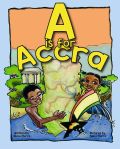
ages 3-5: A is for Accra by Ekow and Nana Afua Pierre


ages 6-8: Where is Jamela? by Niki Daly


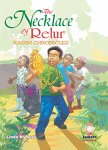
ages 9-12: The Necklace of Relur: Kagim Chronicles by Linda Masi


  • When should we be expecting a childrenโ€™s book written by you, Edem?

ET: Fingers crossed, soon!


P.S – If you haven’t checked out Booksie’s #ReadGhanaian๐Ÿ‡ฌ๐Ÿ‡ญ: KidLit Edition where nine Ghanaian children’s writers & their books are highlighted, what are you waiting for?

For more information on how to discover amazing African children’s books, kindly check out Booksie’s website for more information; where all FAQ’s are answered!

Also, be sure to contact Edem / the Booksie team via WhatsApp – +233 24 131 6433 | Instagram | Twitter


Edem Torkornoo is the Founder and chief bookworm at Booksie, a pan-African book subscription service and book club for 3-12 year-olds. Prior to Booksie, she served as a Teaching Fellow at MEST-Africa and was on the Founding Team at the African Leadership University (ALU) where she managed all things digital. Edem is a child at heart and likes to make people happy through food.

#ReadGhanaian๐Ÿ‡ฌ๐Ÿ‡ญ mini book/author collage + LIT links

Once again, the month of March is here! Ghana gained independence in March (TODAY, March 6th 1957), so I like to dedicate this month to celebrating Ghanaian excellence! As a reader of Ghanaian heritage, I enjoy discovering new Ghanaian writers and learning about our pioneer writers. If we donโ€™t celebrate our own, who will?

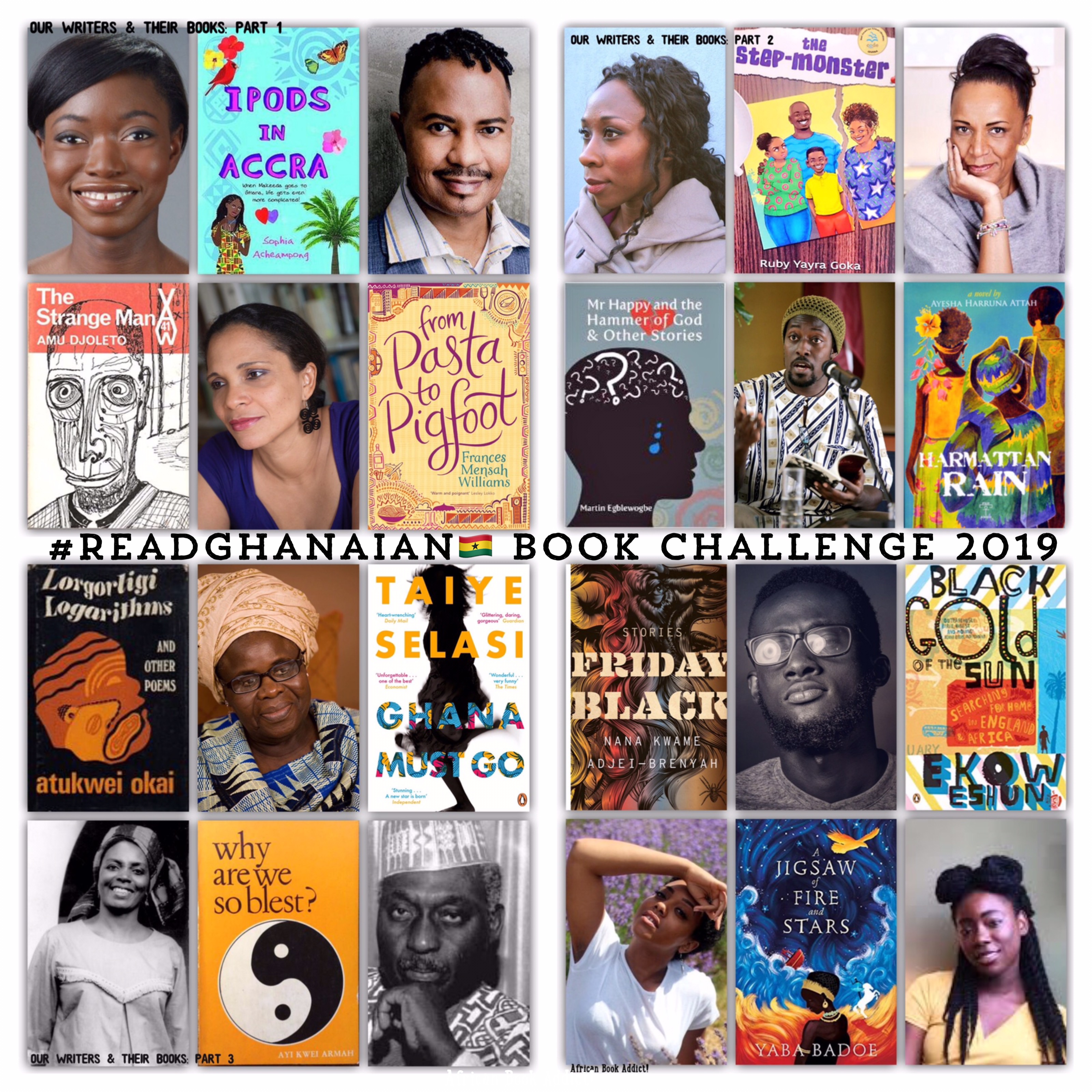
The #ReadGhanaian๐Ÿ‡ฌ๐Ÿ‡ญ book challenge is well underway and it’s great to see lots of folks participating in the challenge of reading at least 5 books by writers of Ghanaian descent! Below is a mini collage showing a snippet of some of the Ghanaian books and writers highlighted two years ago in the GH at 60 | Our Writers & Their Books series ~

GH at 60 | Our Writers & Their Books part 1

GH at 60 | Our Writers & Their Books part 2

GH at 60 | Our Writers & Their Books part 3

While the 3-part series is not exhaustive by any means, it highlights over 80 Ghanaian writers & their books! With the plethora of Ghanaian writers and books highlighted in the series, there is no excuse if anyone claims they donโ€™t know (m)any writers from Ghana!


Check out: #ReadGhanaian๐Ÿ‡ฌ๐Ÿ‡ญ: KidLit Edition

by Edem Torkornoo, founder of Booksie.

โ€ขโ€ขโ€ข

Below are lit(erature) links I’ve been enjoying lately. These are links to some great short stories, poems and articles on the interwebs, showcasing Ghanaian EXCELLENCE:

I was stuck in a position where I had to learn.


How I came to possess the name of the boxer who was once the most famous and baddest man on the planet happened by accident.


  • I add the leaf of the cocoyam plant to dried mudfish, mushrooms and snails, and think of my indomitable ancestors.


[This story was published as the winner of the 2018  AFREADA x Africa Writes Competition. + Maame Blue is one of the 20 Black British writers who will have work published by Jacaranda Books in 2020!]


Raised by a single, independent mother, one young woman struggles with her familial inheritance and the relationship between self-sufficiency and social isolation.


The links between knowing history, media and political agency in northern Ghana.