How To Love A Jamaican: Stories by Alexia Arthurs

Date Read: March 5th 2019

Published: 2018

Publisher: Picador

Pages: 256
 The Blurb

Tenderness and cruelty, loyalty and betrayal, ambition and regret—Alexia Arthurs navigates these tensions to extraordinary effect in her debut collection about Jamaican immigrants and their families back home. Sweeping from close-knit island communities to the streets of New York City and midwestern university towns, these eleven stories form a portrait of a nation, a people, and a way of life.

In “Light-Skinned Girls and Kelly Rowlands,” an NYU student befriends a fellow Jamaican whose privileged West Coast upbringing has blinded her to the hard realities of race. In “Mash Up Love,” a twin’s chance sighting of his estranged brother—the prodigal son of the family—stirs up unresolved feelings of resentment. In “Bad Behavior,” a couple leave their wild teenage daughter with her grandmother in Jamaica, hoping the old ways will straighten her out. In “Mermaid River,” a Jamaican teenage boy is reunited with his mother in New York after eight years apart. In “The Ghost of Jia Yi,” a recently murdered student haunts a despairing Jamaican athlete recruited to an Iowa college. And in “Shirley from a Small Place,” a world-famous pop star retreats to her mother’s big new house in Jamaica, which still holds the power to restore something vital.

Alexia Arthurs emerges in this vibrant, lyrical, intimate collection as one of fiction’s most dynamic and essential authors.

 ◊◊

Review – ★★★★ (4 stars)

My 4 stars rating for How To Love A Jamaican doesn’t mean I loved all the stories. In fact, out of the 11 short stories, I absolutely loved just 4 of them. But I give this collection 4 out of 5 stars because I LOVED how this collection made me feel. I carried this book everywhere with me for the two weeks it took me to finish it. I was always eager to pick it up again and didn’t mind re-reading some stories just to be in the world of the characters again. It took me a while to finish this collection mostly because of school (this is ALWAYS my excuse, have you noticed?), but also because I wanted to take my time and imbibe myself into the stories! It took me forever to get my hands on this book, so I just wanted to savor every word. Special thanks to my friend Kobby from @bookworm_man on Bookstagram who initially lent me his copy, then later allowed me to keep it 🙂

While some stories fell flat for me – especially ‘Bad Behavior’, ‘Mash Up Love’, ‘Shirley From a Small Place’ (I wasn’t fond of how Shirley’s story resembled Rihanna Fenty’s career trajectory), I mostly enjoyed how accessible Arthurs’s writing was – especially the patois. At the beginning of the book, she makes it clear that this collection is ‘For Jamaicans’ and she is true to her words. Reading stories about Jamaicans, mostly IN Jamaica or Jamaicans who were born and bred in Jamaica without migrating out of the Island, was definitely refreshing and inspiring.

••

My favorite stories were:

Island – This story is excellent. Island is about three girlfriends who travel to a Caribbean island for a wedding. One of the girls in this group is a lesbian and her friends subtly malign her throughout the trip. The tension within the friend group was palpable and maddening. It had me thinking about friendship – why we call certain people our friends and how our choice of friends reflects who we are, or who we aren’t.

On Shelf – This story was pretty ordinary from beginning to end. But Arthurs’s ability to just tell a normal story about an academically successful 40 year old Jamaican woman in the US, settling with a man below her standards in order to move forward with life and bear a child felt very real.

Light-skinned girls and Kelly Rowlands – I love that the collection commences with this story! It kept me wanting more and I eagerly anticipated reading the rest of the stories, thanks to this one. This story follows two young women in college – NYU, who become friends unexpectedly. Cecelia is dark-skinned; upper class; only dates white men; of Jamaican heritage but was born and bred in California. Brittney on the other hand is from a low/middle-class family; prefers dating black men; was born in Jamaica but moved to Brooklyn when she was six years old. I loved the sisterhood these friends shared, but I also despised the tension between them, especially when they had disagreements. I felt Brittney constantly tried to undermine Cecelia’s Jamaicanness/Blackness, because she was more or less an ‘oreo’ and had never been to Jamaica before. The ending of this story just reminded me of gnawing issues I have with folks born and raised in their native lands versus pure Diasporans.

The recurrent themes in this collection include: good ole’ problematic Jamaican pigmentocracy (aka- colorism), mother-daughter relationships (I find many Caribbean women writers love writing on this theme! So far Edwidge Danticat, Jamaica Kincaid and Naomi Jackson all touch on this theme and always suggest a fraught relationship between mothers and daughters in their writing), mermaids, being haunted by ghosts, love & relationships. I especially LOVED when queer characters and issues surrounding members of the LGBTQ spectrum were introduced into stories – they were the most compelling.

★★★★ (4 stars) – Great book. Highly recommend!

Purchase How To Love A Jamaican on Amazon

KidLit Book Chat | with founder of Booksie, Edem Torkornoo

Children’s literature is a genre I rarely blog about. I don’t have any children yet, so kid literature is almost never on my radar. But there are sooo many African/Black authors writing phenomenal books for children nowadays. Last year, Edem Torkornoo founded BOOKSIE, which is a pan-African child-focused company on a mission to inspire young African readers by intentionally giving them access to books that tell African realities.

This week in celebrating Ghanaian excellence, I chat with Edem Torkornoo as we discuss Booksie, the Booksie Box (which ships worldwide!), African children’s literature + some recommendations for children aged 3-12!

(note – ‘ET’ represents Edem Torkornoo’s responses)

[image via mybooksiebox.com]

•••

  • Booksie as a pan-African company primarily focuses on making children’s literature more accessible. Why did you decide to focus on kidlit?

ET: It’s something that came to me naturally. I’m a huge bookworm and I’ve always loved working and playing with children. I enjoy their company so kidlit allows me to bring my two loves together.

Looking back though, I think my interest in kidlit piqued when I heard about Deborah Ahenkorah and the Golden Baobab Prize in my first year of college, so that would be 2009. I found it fascinating that Deborah had started a prize to promote African literature for children and it stuck with me.

As I went through college and started working, I explored my interests and realised that I want to create entertainment (books and TV shows) for African children and I want that entertainment to have characters that look like the children they are for. I want my nephews Ian (5) and Joel (3) and cousins Nana Araba (5) and Afua (2) to see themselves in books and on TV. You can call them my muses. There’s something very powerful about representation and it may not always be obvious but seeing images of people who look like you in the media you consume does something to your confidence.


  • What’s My Booksie Box all about? How does it work?

ET: My Booksie Box is Booksie’s flagship product. It’s a subscription service that curates children’s books written by African authors and/or with primarily African characters and delivers it individuals and schools on a regular basis. The books are categorized by age (3-5; 6-8; 9-12 years-old) and subscribers can choose how often they want to receive books (monthly, bi-monthly or quarterly).

My Booksie Box has three main goals:

  • make children’s books written by African authors easily accessible
  • nurture a love of reading
  • give authors and publishers on the continent a channel to sell their work.

We’ve also created the Afterschool Book Club, a community for young book lovers that runs from 3-7pm weekly. We work with children who are just learning to read and help them to improve their proficiency. On one hand, children get to read a good book, do their homework and explore their passions through engaging in creative activities. On the other hand, parents are able to bridge the gap between school and home time by leaving their children in a safe environment. We call it a win-win situation.

Finally, we host book club events on the weekend so that children who can’t make it to the weekday one are still able to join the community.

[images kind courtesy from Booksie]


  • Are books selected for the subscription box primarily by African authors or other Black authors? Will Booksie include children’s books by other Black authors?

ET: Yes, the books are primarily by African authors but we’ve discovered some amazing books with African characters or based on African cities that are written by non-Africans so we will include them. There are also African writers who have written fantastic books with non-African characters so we’ve started to relook at our selection criteria.

We’re open to books by Black authors but the primary focus is those written by Africans.


  • How do you select the books & genres featured in the Booksie Box? Is there a plethora of writers and books to choose from?

ET: There are 3 main criteria:

  1. Is the book written by an African author and does it have primarily African characters?
  2. Is the book telling a fun, engaging and memorable story that children can relate to?
  3. Does the book have beautiful, eye-catching illustrations? This is particularly important for books in the 3-5 year-old and 6-8 year-old category.

The last ‘secret’ criteria is, will my nephews Ian and Joel be drawn to the book or will they snob it?

There are a plethora of books to choose from in the 6-8 year-old age category. I’m discovering that when it comes to children’s books many writers cater to that age group. However, there aren’t many to choose from in the 3-5 and 9-12 year-old age groups so we’re always on the lookout for them.

The African kidlit space is also missing board books for babies and toddlers. I haven’t come across any yet so please let us know if you know any.


  • Do you remember the first children’s book you read as a child? If so, was it by an African author? How was the experience?

ET: I remember some lines from the first book I learned to read by myself. I memorized it. But I don’t remember the title. Haha. It says something like “the sky is grey and it is pouring, sitting here is very boring, I’d like to go out to play …”

It wasn’t by an African author. In terms of experience, I think I felt accomplished reading that book because I could read it by myself. I read it over and over again. That’s why I can remember some lines.

My vivid reading memories though are from the time I discovered the Baby Sitters Club, Nancy Drew, Enid Blyton and Sweet Valley. Those were magical times and all I’d do on the ride to and from school was read. I think this was in class two or three.


  • For beginners of African kidlit, where should one start? Could you give three of your favorite books for children aged 3-12?

ET: I love Dela Avemega’s Lulu Series and Niki Daly’s books about Jamela. I’ve also heard amazing things about Atinuke’s Anna Hibiscus series but I’m yet to read any of them.

I’ll give one favourite from each of the age categories that My Booksie Box caters to:

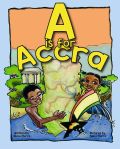
ages 3-5: A is for Accra by Ekow and Nana Afua Pierre


ages 6-8: Where is Jamela? by Niki Daly


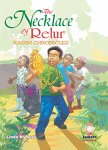
ages 9-12: The Necklace of Relur: Kagim Chronicles by Linda Masi


  • When should we be expecting a children’s book written by you, Edem?

ET: Fingers crossed, soon!


P.S – If you haven’t checked out Booksie’s #ReadGhanaian🇬🇭: KidLit Edition where nine Ghanaian children’s writers & their books are highlighted, what are you waiting for?

For more information on how to discover amazing African children’s books, kindly check out Booksie’s website for more information; where all FAQ’s are answered!

Also, be sure to contact Edem / the Booksie team via WhatsApp – +233 24 131 6433 | Instagram | Twitter


Edem Torkornoo is the Founder and chief bookworm at Booksie, a pan-African book subscription service and book club for 3-12 year-olds. Prior to Booksie, she served as a Teaching Fellow at MEST-Africa and was on the Founding Team at the African Leadership University (ALU) where she managed all things digital. Edem is a child at heart and likes to make people happy through food.

#ReadGhanaian🇬🇭 mini book/author collage + LIT links

Once again, the month of March is here! Ghana gained independence in March (TODAY, March 6th 1957), so I like to dedicate this month to celebrating Ghanaian excellence! As a reader of Ghanaian heritage, I enjoy discovering new Ghanaian writers and learning about our pioneer writers. If we don’t celebrate our own, who will?

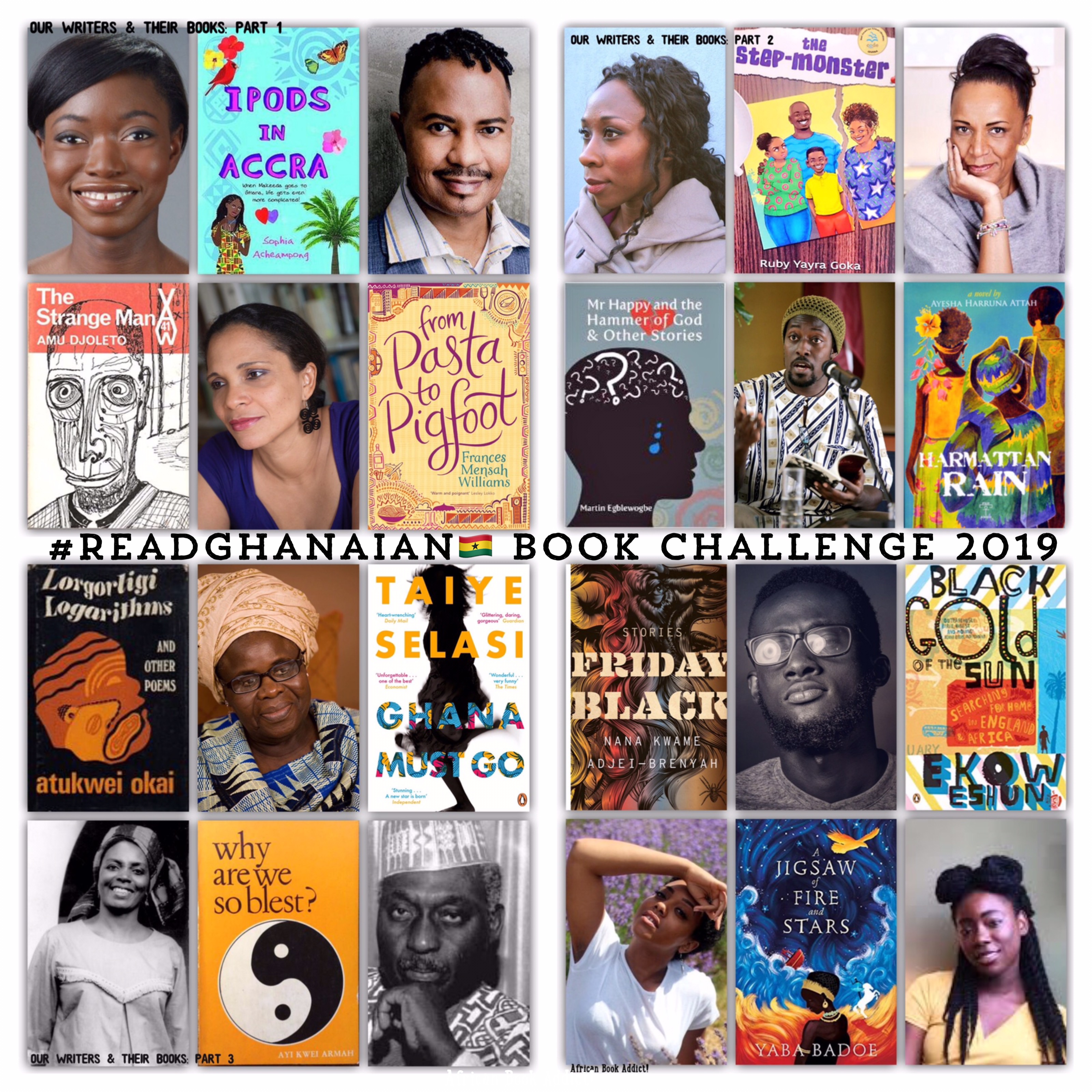
The #ReadGhanaian🇬🇭 book challenge is well underway and it’s great to see lots of folks participating in the challenge of reading at least 5 books by writers of Ghanaian descent! Below is a mini collage showing a snippet of some of the Ghanaian books and writers highlighted two years ago in the GH at 60 | Our Writers & Their Books series ~

GH at 60 | Our Writers & Their Books part 1

GH at 60 | Our Writers & Their Books part 2

GH at 60 | Our Writers & Their Books part 3

While the 3-part series is not exhaustive by any means, it highlights over 80 Ghanaian writers & their books! With the plethora of Ghanaian writers and books highlighted in the series, there is no excuse if anyone claims they don’t know (m)any writers from Ghana!


Check out: #ReadGhanaian🇬🇭: KidLit Edition

by Edem Torkornoo, founder of Booksie.

•••

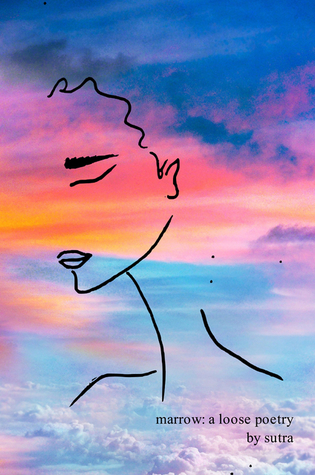
Below are lit(erature) links I’ve been enjoying lately. These are links to some great short stories, poems and articles on the interwebs, showcasing Ghanaian EXCELLENCE:

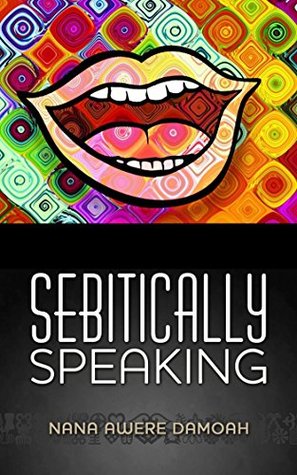
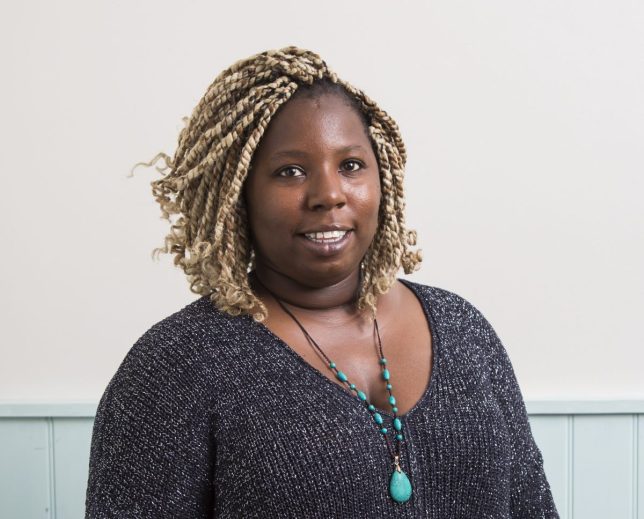
I was stuck in a position where I had to learn.


How I came to possess the name of the boxer who was once the most famous and baddest man on the planet happened by accident.


  • I add the leaf of the cocoyam plant to dried mudfish, mushrooms and snails, and think of my indomitable ancestors.


[This story was published as the winner of the 2018  AFREADA x Africa Writes Competition. + Maame Blue is one of the 20 Black British writers who will have work published by Jacaranda Books in 2020!]


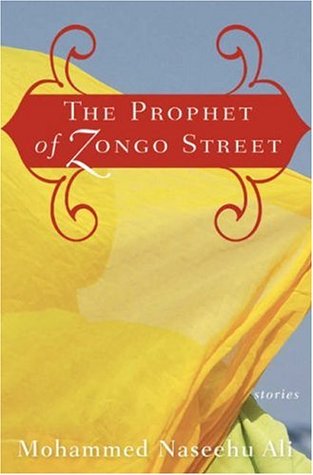
Raised by a single, independent mother, one young woman struggles with her familial inheritance and the relationship between self-sufficiency and social isolation.


The links between knowing history, media and political agency in northern Ghana.


Period Pain by Kopano Matlwa

Date Read: January 20th 2018

Published: 2017

Publisher: Jacana Media

Pages: 188

 The Blurb

Period Pain captures the heartache and confusion of so many South Africans who feel defeated by the litany of headline horrors; xenophobia, corrective rape, corruption and crime and for many the death sentence that is the public health nightmare. Where are we going, what have we become? Period Pain helps us navigate our South Africa. We meet Masechaba, and through her story we are able to reflect, to question and to rediscover our humanity.

◊◊

Review –★★★★ (4 stars)

Dr. Kopano Matlwa is a writer and doctor I truly admire! I remember purchasing her debut – Coconut, back in 2011. But I never got around to finishing the book that year, thanks to never-ending college papers. I hope to rectify this soon and possibly finish reading Matlwa’s debut this year!

Period Pain follows Masechaba (aka – Chaba), a young house officer/1st year doctor fighting through tough working conditions in a South African hospital. Not only is Chaba struggling to work in under-resourced hospital conditions, but she’s also dealing with her own health issues – severe menorrhagia, depression, PTSD; while trying to aid in the fight against xenophobia in the nation. I’m yet to read a novel set in South Africa where violence isn’t one of the main characters of the novel. *sigh*

While Period Pain is raw and agonizing, it’s not all depressing. I had many good laughs while reading this short novel! Chaba is humorous and her (only) friend we encounter in the novel – Nyasha from Zimbabwe, is such a bitch – but a ‘woke’ one, I suppose! The exploration of Chaba and Nyasha’s friendship felt very real. Nyasha was such an abrasive, ruthless person, while Chaba was the complete opposite and almost depended on Nyasha’s approval to feel good about herself. The trajectory of their friendship was quite sad and left me almost hating Nyasha, despite the fact that everyone hated her as a foreigner in South Africa.

Besides Matlwa’s exploration of female friendship in this novel, I especially related to the many helpless incidents (and the medical jargon) Chaba faced on the wards, as I’m a dental student. I’m truly starting to love novels that intersect with my medical/dental education. Such stories make me feel less alone in the struggles of the training.

Kopano Matlwa’s ability to blend heavy issues such as: suicide, sexual assault, xenophobia, depression, violence, Christian hypocrisy etc. with humor made me love this novel! The book is written in the form of a diary/journal, where Chaba talks to God about anything and everything. Her conversations with God felt like the conversations very close friends have with one another – light, needy, lonely, confused, desperate. I like that the book is laced with Bible verses and showed how Chaba meditated on the verses, but practiced the opposite of what the scriptures instructed. It sort of mirrored the lifestyle of many Christians of today.

Matlwa’s writing style was deeply compelling and made me wonder how much of HER life is part of Chaba’s story. Matlwa’s ability to make you feel Chaba’s pain, confusion and victories were visceral. I would have rated Period Pain 5 stars, but the ending fell a little flat. It felt predictable and was tied up a little too neatly for me, hence my overall rating of 4.5 stars.

Side note – Upon finishing the novel, I now see why British publishers (Sceptre) decided to name this book Evening Primrose. But I don’t understand why they thought a change in the title (from ‘Period Pain’) would sell the book better. Period Pain as a title is loud & severe, and simply embodies the essence of this novel. I’m glad I purchased this South African edition (published by Jacana Media). Supporting African publishers is necessary + I like the book cover too!

★★★★ (4 stars) – Great book. Highly recommend!

Purchase Period Pain on Amazon
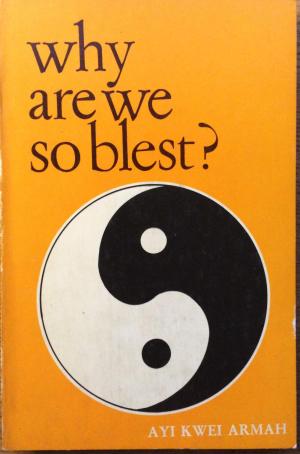
Mini Reviews | Houseboy & Tropical Fish

Hey everyone!

In an effort to reduce the growing backlog of book reviews I owe this platform, below are mini reviews of two excellent books I read a couple of years ago.

Houseboy by Ferdinand Oyono

Date Read: September 22nd 2017

Published: 1991

Publisher: Heinemann

Pages: 122

The Blurb

This book is written in the form of a diary kept by Toundi, an innocent Cameroonian houseboy who is fascinated and awed by the white world, the world of his masters.


Review – ★★★★★ (5 stars)

*sigh* Oyono’s Houseboy is such a painful, humorous, tragic tale.


Toundi – the main character (the houseboy), is naïve of the realities of his world in the French colony of Cameroon. While he’s is a good natured boy with a pure heart, the French exploitation of native Cameroonians cause the demise of Toundi (this isn’t a spoiler, trust me!).

This book really highlighted how fearful French colonialists were of native Cameroonians and Black Africans, in general. They were so fearful, insecure, ignorant and mentally fragile that they constantly exerted their supposed superiority over natives with hateful, brutal abuse. Toundi’s innocence gave this novel so much humor. The ways he misunderstood the lifestyle of white people was hilarious and sad at the same time. The ways the natives spoke about the French gave me some good laughs as well.

No, it can’t be true, I told myself, I couldn’t have seen properly. A great chief like the Commandant uncircumcised… I was relieved by this discovery. It killed something inside me… I knew I should never be frightened of this Commandant again. (pg. 28)

This was actually the 1st African novel I’ve ever read (I was initially in love with African-American fiction before I ever started reading books by African writers… well, besides Anansi stories). My Mom encouraged (or forced?) me to read Houseboy back when I was about thirteen years old. Back then, I didn’t enjoy this book at all and found it difficult to understand the myriad of proverbial phrases this story is blessed with. Today, I finally appreciate this novel as a superb, underrated classic within the African Writer’s Series.

★★★★★ (5 stars) – Amazing book, I loved it. Absolutely recommend!

Purchase Houseboy on Amazon


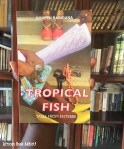
Tropical Fish: Tales from Entebbe by Doreen Baingana

Date Read: September 16th 2016

Published: 2008

Publisher: Cassava Republic Press

Pages: 158


The Blurb

In her fiction debut, Doreen Baingana follows a Ugandan girl as she navigates the uncertain terrain of adolescence. Set mostly in pastoral Entebbe with stops in the cities Kampala and Los Angeles, Tropical Fish depicts the reality of life for Christine Mugisha and her family after Idi Amin’s dictatorship.

Three of the eight chapters are told from the point of view of Christine’s two older sisters, Patti, a born-again Christian who finds herself starving at her boarding school, and Rosa, a free spirit who tries to “magically” seduce one of her teachers. But the star of Tropical Fish is Christine, whom we accompany from her first wobbly steps in high heels, to her encounters with the first-world conveniences and alienation of America, to her return home to Uganda.

As the Mugishas cope with Uganda’s collapsing infrastructure, they also contend with the universal themes of family cohesion, sex and relationships, disease, betrayal, and spirituality. Anyone dipping into Baingana’s incandescent, widely acclaimed novel will enjoy their immersion in the world of this talented newcomer.


Review –★★★★ (4 stars)

After reading Doreen Baingana’s short story entitled ‘Tropical Fish’ in African Love Stories: An Anthology at the beginning of 2016, I knew I had to find her book.

I loved how nuanced this collection of interlocking stories were. Readers get a good feel of life in Entebbe, Uganda during Idi Amin’s ruling. I enjoyed the three sisters: Patti, Rosa and Christine Mugisha. I had wanted more insight into Patti’s life; she had a gentle, holier-than-thou demeanor that I wished was explored more. Rosa’s chapters were quite hilarious and poetic. I admired Baingana’s uncommon perspective on HIV/AIDS and sex through Rosa’s promiscuous lifestyle. Christine’s life (the youngest sister) is more closely followed in this book – from her days as a little girl playing in her parents’ bedroom to when she is twenty-nine years old and a recent ‘returnee’ from the States.

Baingana’s attention to the littlest things/feelings/observations we overlook in our daily lives made me love this collection. The writing was not overly descriptive; the commentary was witty, clever and overall, the exploration of life in Entebbe and the US was just heartfelt. I’m very fond of Baingana’s writing and it’s no wonder she was the winner of the Commonwealth Writers’ Prize for Best First Book in the Africa region and has garnered other literary awards for her writing. I hope she writes a new novel very soon.

★★★★ (4 stars) – Great book. Highly recommend!

Purchase Tropical Fish: Tales from Entebbe on Amazon
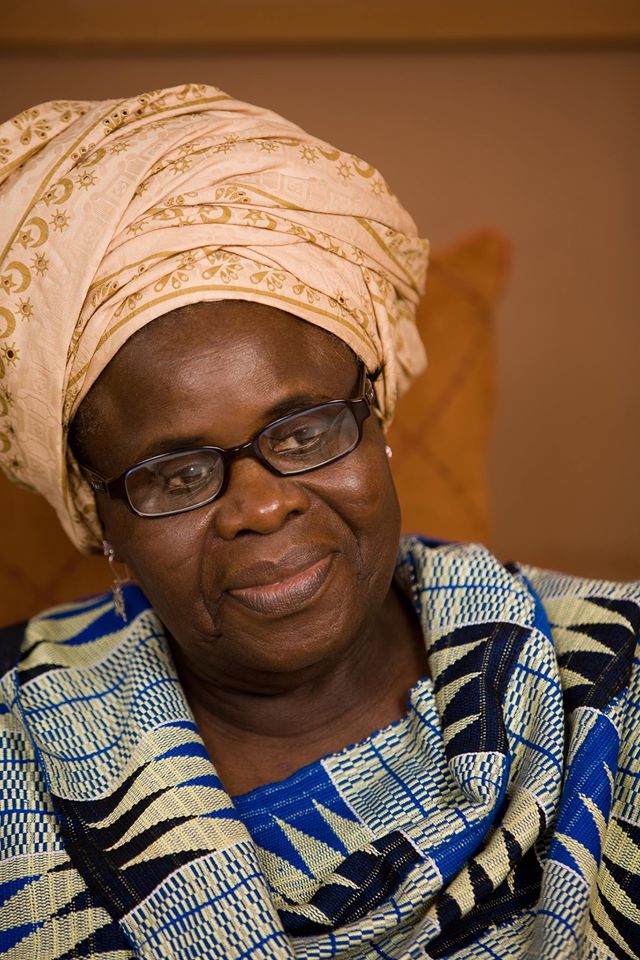
2019 READING INTENTIONS

New year, new set of reading intentions!

Instead of using the word ‘goals’, I’ll use the word ‘intentions’. Goals are focused on a specific achievement, while intentions are lived on a daily basis – which is how I intend my reading experience to be every year. My past reading intentions have been tough to adhere to, so this year I hope to set some reasonable ones.

I’ll continue to read what my mood calls for. I don’t have a set number of African, Caribbean or African-American books to read nor do I have a specific number of books written by women or men I’d like to read either. I like to track books read each year via Goodreads, so entering the Goodreads Reading Challenge helps me do that. Every year I like to declare a goal of at least 18 books as a set point, just to help me gauge my reading experience for the year. I’ll probably read a fewer number of books this year as DENTAL SCHOOL life is very real at the moment. I’ll just be going with the flow – no need to make reading stressful. Reading isn’t a race or competition – at least not for me.

Below are some intentions I’ll be considering during the year:

[Some books I plan to (re)read during the first quarter of the year]


  • To READ MORE GHANAIAN LITERATURE. 2 years ago during Ghana’s 60th Independence Anniversary, I showcased over 75 Ghanaian writers and their books. It was a daunting, yet fulfilling mini project that I’m very proud of! As I was researching the writers and books for the project, I realized I had read just a handful of the books highlighted.

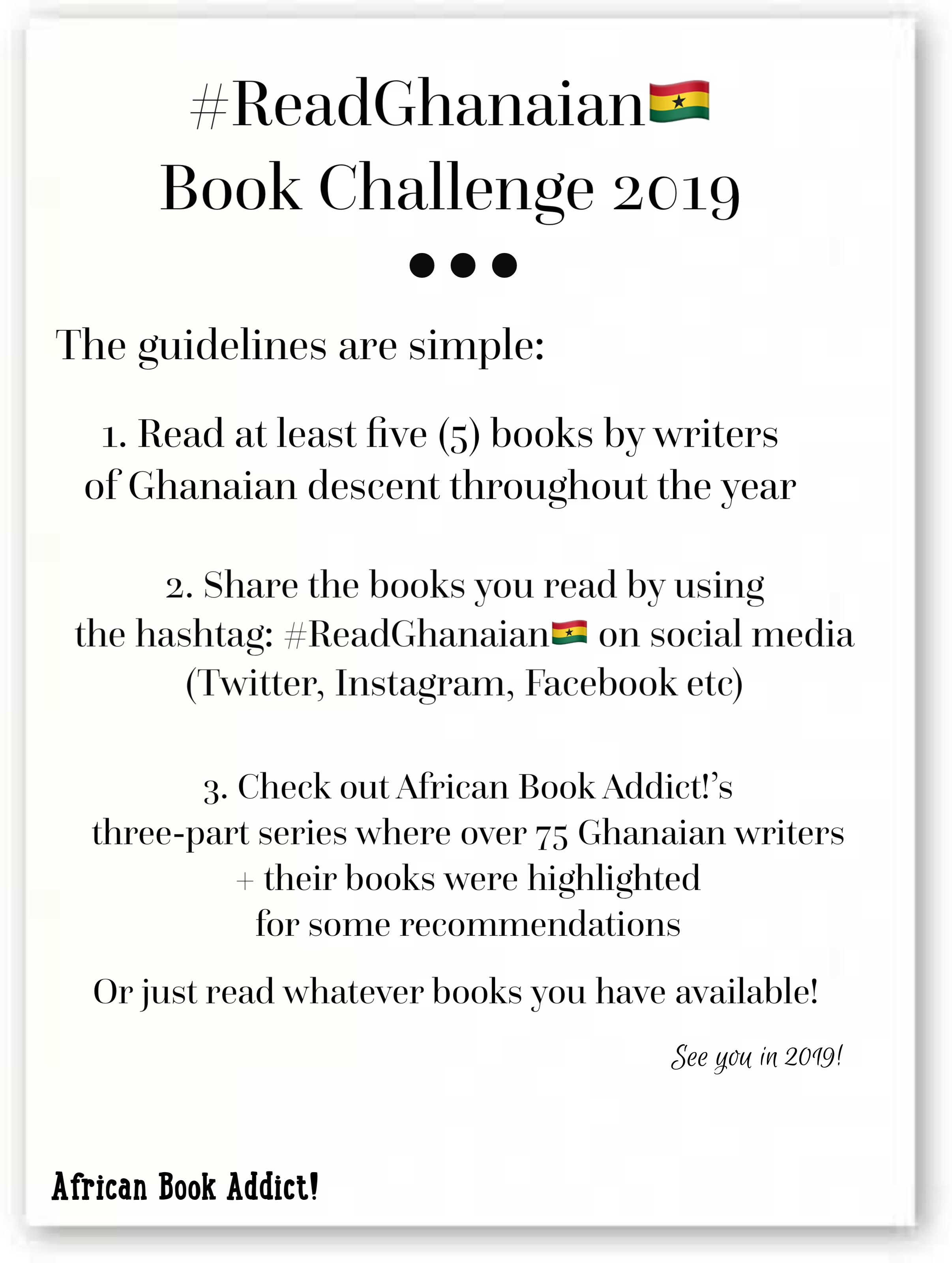
As a Ghanaian, its important for me to read and celebrate the work of writers from my homeland. I recently decided (on Twitter) to start the #ReadGhanaian Book Challenge. Ever since I announced the book challenge with the guidelines (below), many other readers seem to be participating as well! I hope to read at least 5 books by Ghanaian writers this year. Please join me in this challenge, if you can! Ghanaian literature is so underrated.

••

  • To RE-READ BOOKS I LOVED IN THE PAST. Some readers don’t believe in re-reading books. We live in an age where the hype of new releases makes us forget the phenomenal books of earlier years. I personally don’t think books are meant to be read and forgotten. Books should be read, meditated on and read AGAIN whenever the need arises. So this year, I want to try and re-read at least 3 books I loved in the past (that haven’t been reviewed on this platform). I’m currently re-reading Americanah. The first time I read Adichie’s masterpiece was back in 2013, in October – a whole year before the concept of African Book Addict! was even conceived. So far, this re-read is triggering, but still a glorious experience!

••

  • To CATCH UP ON MY BOOK REVIEWS. I’ve incorporated interesting book chats and discussions onto this platform. I plan on continuing the book chats, but I must stay true to the essence of this book blog – which was initially (and still is) a book reviewing / book recommendations space. I have a growing backlog of book reviews from previous years that I plan on posting throughout this year.

••

I think Bookstagram has been quite distracting for me. While I’ll always value excellent (book) blogs over Bookstagram (this is just my preference – don’t come for me!), it’s a bit easier interacting with other readers and posts on that platform especially since it’s photo-based with less text. Regardless, community is very important to me and I’d like to get back to interacting with other bloggers and writers on their various blogs/websites. I miss the camaraderie and recommendations (of books, TV shows, movies, podcasts) I used to receive from these interactions.

••

  • To LISTEN TO AT LEAST 3 AUDIOBOOKS. Back in August, I reviewed 4 excellent audiobooks. As an avid consumer of numerous podcasts, audiobooks – especially essay collections and non-fiction (read by the author), act as extended podcast episodes for me. I’d love to indulge in Michelle Obama’s memoir via audiobook this year, as well as two other gems. I’m open to any great recommendations!

••

  • To continue to READ FOR AT LEAST 40 MINUTES A DAY. I’m a 5th year dental student (I’m in a 6-year program) so my nose always has to be in a textbook, in group-study discussions or in the lab/clinic completing requirements and attending to patients. But if I’m able to continue to dedicate 40 minutes a day to just reading leisurely, I think that would keep me sane.


I have other intentions – like, collaborating with other creatives, donating to more literary causes, planning events etc. But these intentions are a bit more personal and will be shared if/when the time is right!


Here’s to a successful year of reading (with few reading slumps), for all of us!

It’s almost the end of the 1st month of 2019, have you figured out your reading intentions/goals yet? Please do share some!

2019 NEW RELEASES TO ANTICIPATE!

Happy New Year, everyone!

What books are you excited to read this year? Below are 80 new African, African-American and Caribbean books that look very promising. This is just a snippet of the books 2019 has to offer!

Please click on the images to read the blurbs and/or to purchase the books.

(this post contains Amazon affiliate links)
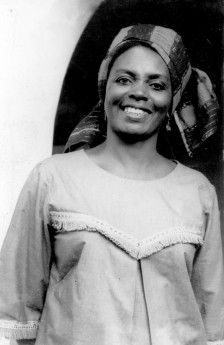
MORE books to look out for in 2019:

Image via Twitter

The Black Flamingo by Dean Atta

The Blurb

Fiercely told, this is a timely coming-of-age story, told in verse about the journey to self-acceptance. Perfect for fans of Sarah Crossan, Poet X and Orangeboy.

A boy comes to terms with his identity as a mixed-race gay teen – then at university he finds his wings as a drag artist, The Black Flamingo. A bold story about the power of embracing your uniqueness. Sometimes, we need to take charge, to stand up wearing pink feathers – to show ourselves to the world in bold colour.

To be published August 2019


Image via Ayana Mathis

A Violent Woman by Ayana Mathis

The Blurb

The story of an estranged mother and daughter separated by a thousand miles, the mother’s shadowy past as an itinerant blues singer, and her daughter’s mental illness and recruitment into a radical political group.

Check out my book review of Mathis’s debut novel – The Twelve Tribes of Hattie. I’m really looking forward to this new novel!!

To be published September 2019


Image via Elise Dillsworth Agency

Nudibranch by Irenosen Okojie 

The Blurb

Nudibranch is Irenosen Okojie’s second collection of short stories, a follow up to Speak Gigantular which was shortlisted for the 2016 Jhalak Prize and 2017 Edge Hill Short Story Prize.

The collection focuses on offbeat characters caught up in extraordinary situations – a mysterious woman of the sea in search of love arrives on an island inhabited by eunuchs; dimensional-hopping monks navigating a season of silence face a bloody reckoning in the ruins of an abbey; an aspiring journalist returning from a failed excursion in Sydney becomes what she eats and a darker, Orwellian future is imagined where oddly detached children arrive in cycles and prove to be dangerous in unfamiliar surroundings.
To be published October 2019


Image via The New York Review of Books

The Fraud by Zadie Smith

Synopsis

The Fraud is inspired by the real events on North West London (Smith’s childhood home that she has chronicled in most of her novels, most notably NW) from the 1830s to the 1870s.


Also look out for work from: Akwaeke Emezi, Petina Gappah, Talib Kweli, Maaza Mengiste, Rivers Solomon, Binyavanga Wainaina


What new releases are you excited about? Please do share!

2018 Christmas Wish List

Hey everyone!

Christmas is right around the corner and I have some new wishes for Santa! Incase you were wondering, I acquired two of the books from my 2017 wish listBlack Cool: One Thousand Streams of Blackness edited by Rebecca Walker and Always Another Country by Sisonke Msimang (which I’m currently reading). Below are books on my 2018 Christmas wish list:

(not in order of preference; click titles to read the blurbs on Goodreads)

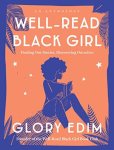
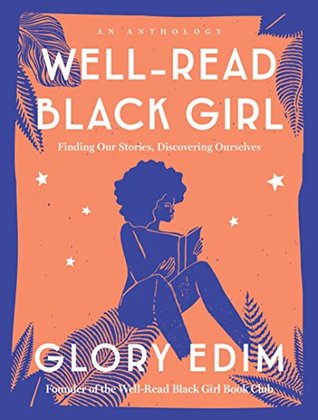
Well-Read Black Girl: Finding Our Stories, Discovering Ourselves edited by Glory Edim

I’ve already ordered by copy of Glory Edim’s Well-Read Black Girl: Finding Our Stories, Discovering Ourselves, so this is definitely a Christmas treat to myself. We all love and relate to stories that specifically speak to us – us, black women; and this anthology prides itself on discussing the importance of recognizing ourselves in literature. I’m ready to be inspired by the contributors of this anthology and especially look forward to the pieces by Zinzi Clemmons, Gabourey Sidibe and Glory Edim! If you’ve already indulged in this anthology, how did you like it?


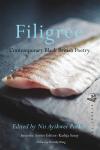
Filigree: Contemporary Black British Poetry edited by Nii Ayikwei Parkes + preface by Professor Dorothy Wang

Filigree typically refers to the finer elements of craftwork, the parts that are subtle; our Filigree anthology contains work that plays with the possibilities that the word suggests, work that is delicate, that responds to the idea of edging, to a comment on the marginalization of the darker voice. Filigree includes work from established Black British poets residing inside and outside the UK; new and younger emerging voices of Black Britain and Black poets who have made it their home as well as a selection of poets the Inscribe project has nurtured and continue to support

This anthology is fairly new – it was published November of this year. I hope to indulge in it soon and I especially look forward to the poems by the poets of Ghanaian descent: Victoria Adukwei Bulley, Nana-Essi Casely-Hayford, Louisa Adjoa Parker, as well as the other contributors! The collection is edited by Ghanaian-Brit writer/poet Nii Ayikwei Parkes (with a preface by Professor Dorothy Wang), so I know this anthology will be worth the read.


Talk Stories by Jamaica Kincaid

I’m a huge Jamaica Kincaid fan. I’ve read a good number of her work and still have a couple of books to finish before I can confidently declare that I’m an OG fan. Talk Stories (how chic is the book cover?!) is a book I’d love to add to my collection. It’s a collection of her original writing for the New Yorker’s ‘Talk of the Town’ column, where the young Kincaid (fresh from Antigua) wrote on her experiences in New York back in the late 1970’s – early 1980’s. I expect these stories to be humorous, thoughtful, slightly miserable and sensitive – in good ol’ Kincaid style!

Check out Jamaica Kincaid’s pieces from the 1970’s to the early 2000’s – The New Yorker


Friday Black by Nana Kwame Adjei-Brenyah

Everyone has been raving about this short story collection! I’m seriously out of the loop. Some of my online bookish-friends describe this collection as intense, raw, too much – the list goes on. According to the blurb:

Adjei-Brenyah reveals the violence, injustice, and painful absurdities that black men and women contend with every day. These stories tackle urgent instances of racism and cultural unrest and explore the many ways we fight for humanity in an unforgiving world.’

Another thing that attracts me to this collection is that fact that Nana Kwame Adjei-Brenyah is of Ghanaian descent. If you follow me on social media (Bookstagram & Twitter), you’d know I’m all for supporting Ghanaian literature/Ghanaian writers, hence I created the #ReadGhanaian hashtag where readers can explore the plethora of books by Ghanaian writers out there. Friday Black is at the top of my TBR!


The Moor’s Account by Laila Lalami

I’ve read very few books by writers from Northern Africa. A couple of my friends claim The Moor’s Account is one of the best books they’ve ever read! I recently read an article where Gary Younge also praised Laila Lalami’s work, after reading a bunch of books by African women writers this year. It’s time for me to experience this brilliant novel as well! Lalami has a new novel coming out next year and I’d love to read The Moor’s Account first, as a great introduction to her work.


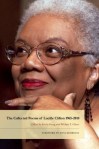
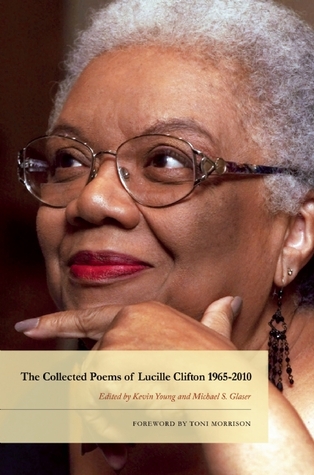
The Collected Poems of Lucille Clifton 1965-2010 by Lucille Clifton

This collection is 720 pages! I’ve only read a few of Clifton’s poems online, or quotes from friends who are fans of her work. Her poem – won’t you celebrate with me is pure brilliance:

won’t you celebrate with me by Lucille Clifton

won’t you celebrate with me

what i have shaped into

a kind of life? i had no model.

born in babylon

both nonwhite and woman

what did i see to be except myself?

i made it up

here on this bridge between

starshine and clay,

my one hand holding tight

my other hand; come celebrate

with me that everyday

something has tried to kill me

and has failed.

[Source: Poetry Foundation]

These are the types of poems that speak to me directly. Poems like this are comforting and unforgettable. It’s written so eloquently, but echoes loudly. I’d be privileged to own any of Lucille Clifton’s work and the generations after me would benefit from The Collected Poems of Lucille Clifton 1965-2010 as part of my collection of books as well.


What books are on your Christmas wish list? Please share some titles!

Happy Holidays & Merry Christmas, everyone!