Blessings by Chukwuebuka Ibeh

Date Read: April 13th 2024

Published: February 2024

Publisher: Masobe Books

Pages: 250

The Blurb

‘Chukwuebuka Ibeh’s writing has a certain delicacy to it, so wonderfully observant, and so beautiful’ – Chimamanda Ngozi Adichie

When Obiefuna’s father witnesses an intimate moment between his teenage son and the family’s apprentice, newly arrived from the nearby village, he banishes Obiefuna to a Christian boarding school marked by strict hierarchy and routine, devastating violence. Utterly alienated from the people he loves, Obiefuna begins a journey of self-discovery and blossoming desire, while his mother Uzoamaka grapples to hold onto her favorite son, her truest friend.

Interweaving the perspectives of Obiefuna and his mother Uzoamaka, as they reach towards a future that will hold them both, Blessings is an elegant and exquisitely moving story of love and loneliness. Asking how we can live freely when politics reaches into our hearts and lives, as well as deep into our consciousness, it is a stunning, searing debut.

ย โ—Šโ—Š

Reviewย โ€“ย โ˜…โ˜…โ˜…โ˜… (4 stars)

My chest. My heart!


Just as much as my heart raced while readingย Blessings, Ibeh endlessly repeats throughout this novel just how often Obiefuna- the main character, notices his own heart constantly beating against his chest – either out of fear, guilt, love, joy or pain.

This coming-of-age novel offers incredible nuanceโ€ฆ and pain. There are quite a few characters to keep up with, but Ibehโ€™s level of detail and care for each character doesnโ€™t make the reading experience arduous. Experiencing Obiefuna come into boyhood & manhood is a bittersweet journey. His experiences in secondary school were so typical of African boarding schools: traumatizing, maddening and rewarding- with the friends he made. His life in university felt a little less traumatizing, but so unfair in the end.

Uzoamaka – Obiโ€™s Mom, is really a secondary character. To me, her role in the book, albeit a joint sorrowful and joyful one, was simply to portray her unconditional love for the son she ultimately regarded as a blessing. They had a sweet, tender relationship. I just wish her storyline was a bit more interwoven with Obi’s. When they were not interacting, it felt like her storyline didn’t really have much to do with the overall plot of the book.

What struck me most were the internal struggles Obiefuna faced when coming to terms with his sexuality; the deep regrets, the pain of simply being. Pain plays a huge role in this book, in my opinion! I found myself wanting to quickly finish the book just to relieve myself of the paaain! Ibehโ€™s writing hooks you from the first page to the last. I definitely see Chimamanda Adichieโ€™s influence on his writing. Itโ€™s brave, measured, calm and exact.

While I loved this book, I did find the last chapters a bit didactic with the charactersโ€™ conversation around the 2014 anti-gay bill in Nigeria. I felt the characters were a bit clichรฉ with their takesโ€ฆ I wanted a bit more there. It breaks my heart that Ghana is still pressing to pass an equally harmful, stupid anti-gay bill. Itโ€™s completely upsetting.ย 

ย โ—Šโ—Š

My favorite characters were:

  • Jekwu & Wisdom – Even though they didnโ€™t really know Obiefuna fully, they somehow grounded him and offered him an awesome brotherhood.

  • Sparrow – Whewโ€ฆ my heart bleeds for him and I respect him so, so much. His character made me wonder: why do we tend to respect folks who don’t snitch? It’s painful to bear certain consequences alone, and Sparrow’s character really embodied this dilemma I just questioned.

  • Miebi – I liked the comfort he provided Obiefuna during universityโ€ฆ but the trajectory of his storyline made him appear a bit phony in my eyes. Great guy though (?).

Characters I hated:

  • Senior Papilo – Whenever I saw this character’s name on the page, I felt sick to my stomach. He’s a terror, a sadist, an abuser/groomer and a piece of shit.
  • Senior Kachi – He’s a hypocrite, a user; another piece of shit.
  • The Chaplain – Sigh… this man is a fear-monger, yet suffering the same things he preached against. Tragic.

ย โ—Šโ—Š

Congrats to Chukwuebuka Ibeh on this brave work. Given the African continent’s irrational and dangerous stance on same-sex relationships, I wonder if this book could have been originally published in Nigeria and not the US/UK. Food for thought…

This is definitely a 4.5 stars read!

โ˜…โ˜…โ˜…โ˜… (4 stars) โ€“ Great book. Highly recommend!

(pre-order) Purchase Blessings on Amazon

The Three of Us by Ore Agbaje-Williams

Date Read:ย March 17th 2024

Published:ย May 2023

Publisher:ย Masobe Books

Pages:ย 189

The Blurb

Long-standing tensions between a husband, his wife, and her best friend finally come to a breaking point in this sharp domestic comedy of manners, told brilliantly over the course of one day.

What if your two favorite people hated each other with a passion?

The wife has it all. A big house in a nice neighborhood, a ride-or-die snarky best friend, Temi, with whom to laugh about facile men, and a devoted husband who loves her above all elseโ€”even his distaste for Temi.

On a seemingly normal day, Temi comes over toย spend a lazy afternoon with the wife: drinking wine, eating snacks, and laughing caustically about the husband’s shortcomings. But when the husband comes home and a series of confessions are made, the wife’s two confidants are suddenly forced to jockey for their positions, throwing everyone’s integrity into questionโ€”and their long-drawn-out territorial dance, carefully constructed over years, into utter chaos.ย 

Told in three taut, mesmerizing partsโ€”the wife, the husband, the best friendโ€”over the course of one day,ย The Three of Usย is a subversively comical, wildly astute, and painfully compulsive triptych of domestic life that explores cultural truths, what it means to defy them, and the fine line between compromise and betrayal when it comes to ourselves and the people we’re meant to love.


Reviewย โ€“โ˜…โ˜…โ˜…โ˜… (4 stars)

Wait, so was Temi lying in the end? Whew.

Favorite chapters: Temi > wife > husband.

This book is all about perception – how we perceive ourselves and how others perceive us. We know Temi is self-centered, obnoxious, lacks boundaries, is very childish and probably has a mental disorder (is she a psychopath?) with how anal she is about controlling her friendโ€™s life and how much of the past she wants to re-live. We know the husband is slightly misogynistic, unable to enforce healthy boundaries to ensure his familyโ€™s wellbeing and exhibits traits of toxic masculinity (controlling, wants to be the breadwinner [as a form of control], dictates his wifeโ€™s diet, activities etc).

But really, who is the wife? Is she simply the role she plays to both Temi and her husband? Or is she a woman of her own volition? Sheโ€™s someone who hates the control of her parents, but is definitely being controlled by Temi and her husband. She essentially lacks integrity, and is living her life just to fulfill the roles to those around her. I find this quite sad and miserable, but real.

None of these characters are supposed to be like-able. While the ending/cliff-hanger is slightly anti-climatic, it brings to light key traits of the 3 characters – it shows just how inauthentic the wife is, it reveals how transactional the husband is towards his wife/their marriage and it shows how persistently childish and manipulative Temi is.

Wine plays a huuuge role in this book. Iโ€™m a wine lover (WSET level 1 certified, thankyouverymuch), so I enjoyed a glass or two while reading. About 7 or 8 bottles of wine were consumed by the characters in this book, so it only makes sense that the wine fueled that tannic ending – pun intended.

I took the writing style of this book for what it was- different, unique. No quotation marks demarcate the various charactersโ€™ speech, but this is something I got used to after the 1st page. For the life of me, I donโ€™t understand why this book has such low ratings. Sooooo much can be said about these characters! It’s an excellent book club read.

The Three of Us was an engaging read for me, and a great (also annoying, because of the shitty characters hahaa) addition to books on friendship that Iโ€™m really loving at this point in my life.

โ˜…โ˜…โ˜…โ˜… (4 stars) โ€“ Great book. Highly recommend!

Purchaseย The Three of Us onย Amazon

AND THE 2019 CAINE PRIZE WINNER ISโ€ฆ

In less than a month, the 2019 Caine Prize winner will be announced!

For those who are not familiar, the Caine Prize for African Writing, which was first awarded in year 2000, is an award โ€œopen to writers from anywhere in Africa for work published in English. Its focus is on the short story, reflecting the contemporary development of the African story-telling traditionโ€ (source).

Some notable winners of the Caine Prize include (click on links to my reviews):

  • Leila Aboulela, from Sudan (2000) โ€“ author of novels Minaret, The Translator, Lyrics Alley, among other works. 
  • Binyavanga Wainaina, from Kenya (2002) โ€“ founding editor of Kwani?, author of memoir One Day I Will Write About This Place and the essay How To Write About Africa found in various literary magazines. *sigh* Rest In Power, Binya!
  • Yvonne A. Owuor, from Kenya (2003) โ€“ author of the novel, Dust.
  • E.C Osondu, from Nigeria (2009) โ€“ author of the novel This House is not For Sale and collection Voice of America: stories.
  • NoViolet Bulawayo, from Zimbabwe (2011) โ€“ author of the novel, We Need New Names. 

Previously shortlisted writers include: (2001) Mia Couto from Mozambique, (2002) Chimamanda Adichie from Nigeria, (2006) Laila Lalami from Morocco, (2013) Chinelo Okparanta from Nigeria, (2013) Pede Hollist from Sierra Leone, (2014) Tendai Huchu from Zimbabwe, (2013 & 2015) Elnathan John from Nigeria, among others!

The Caine Prize and the shortlisted stories play huge roles in the authors I read from Africa. Many Caine Prize winners and shortlisted writers have found great success and Iโ€™ve reviewed a good number of these writersโ€™ works here on African Book Addict!


This year, the Caine Prize shortlist comprises of five talented writers with unique short stories (left to right):

(Image via caineprize.com)

Lesley Nneka Arimah (Nigeria) – Read her story: Skinned

Meron Hadero (Ethiopia) – Read her story: The Wall

Cherrie Kandie (Kenya) – Read her story: Sew My Mouth

Ngwah-Mbo Nana Nkweti (Cameroon) – Read her story: It Takes A Village Some Say

Tochukwu Emmanuel Okafor (Nigeria) – Read his story: All Our Lives


There’s finally some diversity in the countries represented on this year’s shortlist! Ethiopia and Cameroon! And women are dominating, once again – I love it. So far, I’ve only read 3 out of the 5 stories and I’m feeling pretty good about them.

Cherrie Kandie starts Sew My Mouth with- “My lover can only love me behind drawn curtains,” taking readers on a rollercoaster ride of the relationship between two women lovers/friends and their forbidden love. I think I liked Kandie’s short story. The writing was very matter-of-fact, in that, she doesn’t mince her words in her descriptions. She does a great job of gradually creating tension and remorse between the characters, as one of them isn’t quite out as a lesbian, which causes heartbreak and pain (literally). The ending of the story was quite disappointing though. I found it anti-climatic and it left a bitter taste in my mouth. I do hope Kandie is writing a novel though! I’d like to read more of her work.

Tochukwu Okafor’s short story – All Our Lives was very easy to read. I enjoyed how accessible and lucid his writing was. But Okafor’s story is not new to readers of African fiction. It actually reminded me of NoViolet Bulawayo’s We Need New Names which I have conflicting feelings about. All Our Lives paints the picture of poverty in a Nigerian city – from the descriptions, probably Lagos, Nigeria. We follow the desperate lives of Yahoo boys/419 boys, trying to catch a break via deceit, ‘The cybercafes are our second home. They are tight spaces on ground floors in one- or two- storey buildings… Do not think we are searching for love. Love does not exist in this city. We are men of the night. Our reward is money.’

Okafor describes the plight of the poor very vividly, constantly reminding readers of the dire conditions in the city. But the ending of this short story had me confused! It briefly describes how some of these Yahoo boys all of a sudden start viewing gay porn and have a ‘longing to be explored by men’ and touches briefly on the consequences of these desires. I found this random mention of same-sex desire too brief, almost oversimplifying the true lives of LGBTQIA in Nigerian cities. For those who’ve read this short story – was the ending as random to you as it was for me?

The Caine Prize shortlist hasn’t been this exciting in years, so obviously I had to read the story by Meron Hadero, from Ethiopia! The Wall is a slow burn type of short story… I actually hope she’s developing this story into a full-fledged novel. I’m assuming the story is semi-autobiographical, as Hadero’s personal life seems to coincide a bit with the main character of the story.

In The Wall, readers follow an un-named young girl refugee, who recently moved to the US with her family from Ethiopia via Berlin. She knows very little English, but is fluent in German and her mother tongue – Amharic. By chance, she meets Professor Weil aka – Herr Weil, at a community potluck who generously offers to teach the young girl English after school, and they form a beautiful friendship. While Herr Weil helps this young girl learn English, he mostly creates space for her to express herself and her feelings about her new environment – in German. As I was reading, I was so scared that this old German man would take advantage of her in someway, but I was pleasantly surprised by his pure heart. There isn’t much to say about this short story with respect to an exciting plot, but Hadero tackles various issues – such as, loneliness, same-sex attraction, courage versus regret, friendship, ageism, the plight of the lives of refugees etc. The ending of this story had me wanting more and I will read anything Hadero writes henceforth!

I haven’t read Lesley Nneka Arimah and Ngwah-Mbo Nana Nkweti’s short stories yet. This year marks the third year of Arimah making the Caine Prize shortlist. I wonder why she continues to compete for the prize, given the success of her short story collection from two years ago… but then again – why not? I raved about Arimah’s phenomenal work back in 2017 via What It Means When A Man Falls From The Sky, and I have no doubt that her current shortlisted story is breathtaking.

Even though I haven’t read all the stories yet, my money is on Hadero’s, The Wall to win the prize. It’s truly just a beautiful story. I hope you all get a chance to read some of the stories linked above. May the best story win!

Which story is your favorite? Who do you think will win the Caine Prize this year?

The winner will be announced in London at Senate House Library in partnership with SOAS, on 8th July 2019. Good luck to all the shortlisted candidates!

You can also check out past commentary on the Caine Prize below:

2014 | 2015  | 2016 | 2017 | 2018

Poetry | soft magic. & Questions for Ada

Hey everyone! At the end of my review ofย salt. by Nayyirah Waheed, I listed a bunch of contemporary poets and expressed my keen interest in reading their work in the near future. Poets – Upile Chisalaย and Ijeoma Umebinyuo were on that list and I finally purchased their collections (for my birthday last year) and enjoyed them at the beginning of this year. Below are mini reviews of their respective poetry collections.

(this is African Book Addict!’s 100thย post by the way!)

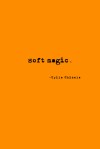
soft magic. byย Upile Chisala

Date Read: January 7thย 2017

Published: Septemberย 2015

Publisher:ย CreateSpace Independent Publishing

Pages: 122


The Blurb

soft magic. is the debut collection of prose and poetry by Malawian writer, Upile Chisala. This book explores the self, joy, blackness, gender, matters of the heart, the experience of Diaspora, spirituality and most of all, how we survive. soft magic. is a shared healing journey.


Reviewย โ€“ย โ˜…โ˜… (2 stars)

soft magic.ย is a decent collection, Upile (who is a young storyteller and ‘artivist’ from Malawi) has done well. I liked thatย soft magic. was healing and self-helpish, but this collection is more of a 2.5 stars rating, for me. It’s hard to rate and review a poetry collection you aren’t really fond of, because poetry is so personal to the poet and his/her journey – who am I to have an opinion on anyone’s journey?

This collection could have benefitted from more editing- the typos were quite annoying to spot. I hate to compare (especially since Upile recently went on a rant on Twitter about how discouraging it can be when people compare African writers to Chimamanda Adichie) but in my opinion, some of the poems felt like a knock-off from ‘salt.’ Also, I felt Upile overused the word ‘darling’ in this collection. I rolled by eyes so hard at every poem (which is about 80% of them) where ‘darling’ appeared; there are so many other words of endearment that could have been used in this collection. On a lighter note, I do appreciate how pro-black this collection is. The poems that expressed Upile’s unapologetic pride for her heritage and blackness were the most powerful.

My favorite poems:

being this ebony.
having this name.
carrying this language in my mouth.
there were times when I only wanted
to blend in
to sit unnoticed,
un-special,
but blending in is fading out


here we are,
black and in love with ourselves
and they spite us for it

Even though this short poetry collection is very pro-black, I wouldn’t highlyย recommend it. I just didn’t find the poems compelling or wholesome. Like I stated before – it is difficult to rate and review a poetry collection, because poetry is very personal to the poet and his/her journey. But you never know – give this collection a try, we all have different tastes! Upile recently published a new collectionย called Nectar, which I hope is a bit more polished than soft magic. I might purchase Nectar in the near future but until then, I will continue to enjoy Upile’s thoughtful commentary on Twitter and her lovely photos on Instagram.

โ˜…โ˜… (2 stars) โ€“ Thumbs down.

Purchase soft magic. on Amazon


Questions for Ada byย Ijeoma Umebinyuo

Date Read: January 27thย 2017

Published: Augustย 2015

Publisher:ย CreateSpace Independent Publishing

Pages: 216


The Blurb

The artistry of Questions for Adaย defies words, embodying the pain, the passion, and the power of love rising from the depths of our souls.ย  Ijeoma Umebinyuoโ€™s poetry is a flower that will blossom in the spirit of every reader as she shares her heart with raw candor.ย  From lyrical lushness to smoky sensuality to raw truths, this tome of transforming verse is the book every woman wants to write but canโ€™t until the broken mirrors of their lives have healed. In this gifted authorโ€™s own wordsโ€”โ€œI am too full of life to be half-loved.โ€ย  A bold celebration of womanhood.

Review โ€“ย โ˜…โ˜…โ˜…โ˜…โ˜… (5 stars)

THIS collection right here is pure gold. Questions for Ada by Nigerian poet – Ijeoma Umebinyuo, is full of strength, vulnerability and pride. Every word in these poems is heavy with meaning and purpose. These poems show you that all your emotions are valid and must be felt. Many poetry collections published nowadays feel lazy and words just seem to be thrown onto the pages. But Questions for Ada is a collection that was carefully crafted with love and full awareness of self. I’ve dog-eared sooo many of the pages in this book because the poems truly resonated withย me. I found myself reflecting after reading a couple of poems at a time. I love when a piece of writing makes you reflect on your life and society and allows you to think about them critically.ย Ijeoma did the damn thing with this poetry collection!

My favorite poems:

Your mother was your first mirror.
tell me,
didn’t she carry herself well enough
to make you feel like a God?
(pg. 16)

Freedom-

Your feminism
wears a wrapper,
cooks for her husband
changed her surname
(pg 33)

you are not alive
to please the aesthetic
of colonized eye
(pg. 117)

You asked your father
how you should say your name.
He said if they cannot say your name
then they must try,
but you will not soften it,
you will not break the magic apart,
you will not be ashamed of it.
(pg. 160)


Questions for Ada –

Ada, are you in love? Yes.

Is being in a relationship hard work? Yes

Do you write love poems for your lover?

Every day.

Does you lover believe in you?

Yes, but sometimes I fear my lover does not

comprehend her light.

What do you do on those days?

I bathe her, I play some Jazz,

I fed her, I weep for her.

Describe her in a sentence.

Her eyes carry strength,

her words scratch, she speaks love.

Ada, are you in love? Yes.

Is being in a relationship hard work? Yes.

Who is your lover? Myself.

(pg. 78)

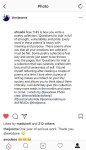
If I could quote all the poems in this collection, I would – but I have to respect the writer’s copyright terms! Please purchase the book to enjoy the rest! A couple of weeks ago, AFREADA featured Questions for Adaย in their weekly #AFREADS recommendations on Instagram and used my short review fromย Goodreads as the caption for the post. I was elatedย to see that Ijeoma appreciated my words (which don’t even do this collection’s excellence justice).

I had to screenshot this before it got deleted ๐Ÿ™‚

Questions for Ada by Ijeoma Umebinyuo is beautiful work. I like to believe her target audience is women of color/ black women in Africa and the Diaspora; the poems speak on blackness, womanhood, relationships, brokenness, Africa, Diaspora, heritage, loving thyself and others. But I wholeheartedly recommend this collection for everyone to experience these poems, even if you aren’t a woman or a person of color – you would still appreciate Ijeoma’s artistry and even learn something about yourself. We’re only in the month of May and I’ve already re-read the whole collection for a second time; I plan onย re-visiting and mulling over certain poems throughout the year.

If you don’t plan on reading any poetry this year, please endeavor to add Questions for Ada to your 2017 reads! And if you’re not really a fan of poetry, be assured that this collection will make you understand the beauty of poetry, as a pure literary form.

โ˜…โ˜…โ˜…โ˜…โ˜… (5 stars) โ€“ Amazing book, I loved it. Absolutely recommend!

Purchase Questions for Ada on Amazon

#NonFictionNovember currently reading + GIVEAWAY!

Hey everyone!

What are you all currently reading? At the moment, I’m reading Hopes and Impediments: Selected Essays by the great Chinua Achebe and Bettah Days by Veronica Wells.

I haven’t really seen many African #NonFictionNovember suggestions on social media, so I’d like to share my enjoyment of Achebe’s work with you all! I reviewed The Trouble with Nigeria by Chinua Achebe last year and I was blown away by the boldness of Achebe’s words and his brave stances on various Nigerian and African social, cultural and political issues. In Hopes and Impedicimets: Selected Essays, I’m already enjoying Achebe’s candid writing style and his sharp wit, with regards to short essays/chapters like: ‘An Image of Africa: Racism in Conrad’s Heart of Darkness‘ ; ‘The Truth of Fiction’ ; ‘Thoughts on the African Novel’ ; ‘The Writer and His Community’; ‘Names for Victoria, Queen of England’; ‘James Baldwin (1924 – 1987)’ and so much more.

Check out the blurb:

“One of the most provocative and original voices in contemporary literature, Chinua Achebe – author of the iconic novel Things Fall Apartย – here considers the place of literature and art in our society. This collection of essays spans his writing and lectures over the course of his career, from his ground-breaking and provocative essay on Joseph Conrad and Heart of Darkness to his assessments of the novel’s role as a teacher and of the truths of fiction. Achebe reveals the impediments that still stand in the way of open, equal dialogue between Africans and Europeans, between blacks and whites, but also instills us with hope that they will soon be overcome.”

I will be coupling this book prize with the amazing African City tote bag by APiF (African Prints in Fashion). “It’s a 100 % cotton tote bag in black with white handles – 22 African city names printed on both sides. This tote bag is huge and you can fit anything from your laptop, your trainers, books to groceries in it. And actually also all of these items together!” Check out more products from the APiF website – here. (No, this is not a sponsored giveaway).

img_6077

And as promised from the Sweet Medicine by Panashe Chigumadzi review, I will be giving away a brand new copy of her debut (by itself) as well – as a second prize!

img_4283

Tell a friend to tell a friend! I encourage everyone to enter the giveaway raffle multiple times to increase the chances of enjoying either Achebe’s gems from the essay collection + the awesome African City tote bag or Panashe’s great debut,ย Sweet Medicine.ย You have about 9 days to try your luck!

Expect a review of Hopes and Impediments: Selected Essays by Chinua Achebe early next year.

Click to enter > theย Rafflecopter giveaway


Giveaway TERMS & CONDITIONS:

  • The giveaway starts November 13thย 2016 at 12am GMT and ends November 23rdย 2016 at 12am GMT (Greenwich Mean Time).
  • This is an international giveaway โ€“ it is open to everyone, worldwide.
  • You must be 18 years and older to participate in this giveaway.
  • The winners will be selected by Random.org, through Rafflecopter and will be notified by email.
  • The winners will have 48 hours to respond to the email before new winners are selected.
  • If you are lucky winners of the prizes, Darkowaa will be shipping your prizes via DHL directly to you.
  • Once the winners are notified via email, providing shipping details will go to Darkowaa only and will only be used for the purpose of shipping the prizes to the winners.
  • This is NOT a sponsored giveaway.ย Items offered in this giveaway are free of charge, no purchase is necessary.
  • If there are any questions and concerns about this giveaway, please contact at: africanbookaddict@gmail.com

Good luck, everyone!

Check out the previous giveaway from February – here.

Summer in Igboland (ebook) by Ifeanyi Awachie

Date Read: January 4th 2016

Published: July 1st 2015

Publisher: Pronoun

Pages: 73

Awachie

The Blurb

Ifeanyi Awachie, a Nigerian-American Yale University student, was tired of images of terrorism, corruption, and povertyโ€“ the only images Western media seemed to use to portray her birth country. So she went back to Nigeria for the first time in nineteen years to change the narrative.
Through Awachieโ€™s vivid photos and honest, poetic writing, Summer in Igbolandย presents contemporary Nigeria from a unique perspective. The book takes on everything from Nigerian nightlife to the politics of hair to vibrant foods to meeting extended family for the first time as an adult.
As intimate as a diary and as informative as a travel blog, Summer in Igbolandย is a story of finding fun, personal struggle, and most importantly, oneโ€™s roots in a country whose negative stories are often the most prominent. Explore it, and discover modern Nigeria through the eyes and voice of an adventurous, passionate first-generation Nigerian.

โ—Šโ—Š

Review โ€“ โ˜…โ˜…โ˜… (3 stars)

Ifeanyi Awachie, a rising senior of Yale at the time won a fellowship to conduct an independent study in Nigeria. The aim of the study was to use photography to challenge the negative stereotypes associated with Nigeria. Ifeanyi was born in Nigeria, left when she was eighteen months old and was raised in Atlanta, Georgia. She had never been back to Nigeria since her move to the United States, so this summer project was supposed to be a great way to connect with her heritage.

Summer in Igboland is a travelogue where Ifeanyi takes readers to different towns in Nigeria and discusses random happenings of the places she visits, while trying to gain a sense of belonging at the place of her birth. This was a fast and easy read! I enjoyed how the travelogue was written with a personal diary feel and that it wasn’t heavy with historical facts about Nigeria.

As Ifeanyi interacts with Nigeria natives and some relatives, she begins to feel her โ€˜Americannessโ€™ is a flaw, as her differences are very apparent, like: her American accent, her natural hair (she did not wear a weave as most young Nigerian women did), being a vegetarian (even though she hides this from her family) and her inability to speak the language – Igbo. She poses a lot of thought provoking questions with respect to her identity as she navigates her way through Nigeria. When people call her oyibo (which means ‘white person’) or make a fuss about her not speaking the language, she found that her own people tended to relegate her and made her feel less Nigerian. I could completely understand Ifeanyi feeling her Americanness was a flaw, especially with respect to sounding American and not being very fluent in the native language. Why is it that whenever people find that you are different from them, they tend to make you feel guilty for being different? Will we ever live in a world where differences are appreciated?

I particularly enjoyed the anecdotes on Ifeanyiโ€™s new love for fufu*. Before her trip to Nigeria, she detested fufu. Whenever she was forced to eat fufu as a young girl, she would take bites of it with a fork. Fork? WHO EATS FUFU WITH A FORK? is what I asked myself as I read this. In Ghana, when you don’t use your fingers to eat fufu, you simply use a spoon! But then it occurred to me that Nigerians eat fufu differently from Ghanaians – Ghanaian fufu is usually embedded in bowl of soup. Whereas, the dense pounded yam of Nigerian fufu is usually in a separate bowl from the preferred soup. Once I remembered these differences, I was able to understand why Ifeanyi used to eat fufu with a fork, I guess. Check out what Nigerian fufu looks like – here ; Check out what Ghanaian fufu looks like – here. (Nigerian readers, please correct me if I’m wrong with the fufu comparisons!)

Throughout her exploration of different types of fufu and soups, Ifeanyi even states some fufu facts she learned while in Nigeria:

  1. One does not eat fufu with utensils.
  2. One does not chew fufu โ€“ one simply swallows.

With respect to the latter, lots of people chew fufu โ€“ myself included! *sigh* I can write a whole thesis on this swallowing of fufu phenomenon but Iโ€™ll save that for another day. But it was cute to read on Ifeanyi’s love for a dish she initially disliked as I could completely relate to her fufu-eating experience.

Iโ€™m glad I read this ebook. I just wish some of the anecdotes were concluded in a more cohesive way. From the blurb, Ifeanyi wanted to change the negative stereotypes associated with Nigeria, but I didn’t really get that from this short ebook. Nevertheless, Summer in Igboland made me think back to the time when I first arrived in Accra at the age of 10 and how I now identify as Ghanaian as well as American. Reading books like Summer in Igboland affirm my love of reading books written by people of African descent / people of the Diaspora because you see yourself in these stories! You start to see and feel that your experience as African, African-American, Caribbean, Black – whatever your heritage or (bi-)cultural upbringing, are all valid. Please consider reading this book, I’d love to discuss it with other readers!

โ˜…โ˜…โ˜… (3 stars) โ€“ Good book. I recommend it, I guess.

Purchase Summer in Igboland on Amazon

Ankara Press: A New Kind of Romance – Two NEW stories!

I’d like to give a special thank you to the lovely ladies over at Ankara Press for reaching out to me and sending me two e-copies of the new additions to their African romance fiction collection. Ever since they launched as an imprint of Cassava Republic Press (Nigeria) in 2014, Iโ€™ve always wanted to read some of the stories so I couldnโ€™t pass up the opportunity!

Ankara Pressย aims at publishing a new kind of romance, for the modern African woman where stories are more grounded with a healthy thrill of fantasy. Stories published byย Ankara Press feature young, independent, ambitious African women who are unafraid to love, in African cities from Lagos to Cape Town. Their books challenge African romance stereotypes by portraying women who embrace their sexuality and are open to finding true love.

Mini reviews of the two ebooks are below:

The Seeing Place by Aziza Eden Walker

Date Read: March 1stย 2016The Seeing Place

Published: February 14th 2016

Publisher: Ankara Press

Pages: 171


Review โ€“ย โ˜…โ˜…โ˜… (3 stars)

I enjoyed this African romance/chic lit novel. The story takes place in Cape Town and Johannesburg and follows the growing relationship between caramel-colored beauty, Thuli and dark chocolate hunk, Andile. Andile works as a barman but is actually a talented actor, waiting for his next gig; Thuli works as a TV/Film producer. They meet at Andileโ€™s workplace โ€“ a bar, when Thuli sought refuge there after she twisted her ankle, trying to evade the rowdiness of a wild street party in Cape Town. They are instantly attracted to one another when their eyes meet and the story takes readers on a rollercoaster of incidents and emotions these characters endure.

The sex scenes in this story were surprisingly quite explicit (I ain’t complaining, haha) and I think readers should be 18 years or older to read this. The storyline was very fairytale-ish, as most romance books are. I donโ€™t know if the average South African woman would identify with Thuli, since her life seemed perfect, despite the โ€˜hardshipsโ€™ she faced as a child โ€“ does the average 28 year old South African woman drive a matte black Mercedes-Benz and own her own film producing company? All in all, I liked that I learned something from this novel (the importance of communication and being honest) at the end and it wasn’t a flippant tale โ€“ as most perceive romance novels to be. Aziza Eden Walker is a great writer! Her writing style was clear and vivid and I enjoyed her way with words. I give The Seeing Place 3.5 stars!

โ˜…โ˜…โ˜… (3 stars) โ€“ Good book. I recommend it, I guess.


Love Next Door by Amina Thula

Love Next DoorDate Read: Marchย 6thย 2016

Published: February 14th 2016

Publisher: Ankara Press

Pages: 152


Review โ€“ย โ˜…โ˜…โ˜… (3 stars)

Love Next Door is a cute story about Abongile (or Abby) and Kopano in Johannesburg, South Africa. Abby, an ambitious business analyst is finally independent and has moved into her new apartment in Johannesburg. Next door to her new apartment is school teacher and artist, Kopano. Once they meet outside Abby’s door as she struggles with hauling groceries into her new home, it is like at first sight and readersย follow the blooming love affair between Abby and Kopano.

This was a quick read and I loved how the author incorporated a lot of South African culture into the story, for example: Amina Thula enlightens readers on the negative and positive stereotypes surrounding Xhosa women and the Xhosa language peppered throughout the novel gave the story an authentic feel. I didnโ€™t even need a glossary at the end of the book as it was easy to infer the meanings of the various foreign words. The intimate moments between the main characters were milder than that of The Seeing Place, so I guess readers of all ages could enjoy this book. But the writing style wasnโ€™t as vivid as I had liked and the book could have been edited a little more closely. The ending was quite abrupt for meโ€ฆ or maybe I just didnโ€™t agree with how the characters seamlessly reconciled their love after all the ups and downs they endured. Perhapsย Love Next Door targets a younger, teenage audience as the tale was quite juvenile… or maybe the characters were a bit juvenile to me. On the whole, this book was well thought-out and I commend Amina Thula for writing this modern love story.

โ˜…โ˜…โ˜… (3 stars) โ€“ Good book. I recommend it, I guess.


Ankara Press Cover Artt

Image via http://www.ankarapress.com

How amazingly chic is the cover art?ย Onyinye Iwu (@only_onyi) designed the cover art for the novels published by Ankara Press and she does a lovely job at highlighting the vibrant colors of the Vlisco cloth, as well as portraying African women of all skin tones, shapes and sizes.

Iโ€™m fairly new to the African romance genre, but it would be cool for Ankara Press to explore:

  • Maybe having some stories written by men? Men write romance tales too! In the Valentineโ€™s Day Anthologyย 2015,ย (an anthology Ankara Press published last year, featuring writers like: Sarah Ladipo-Manyika, Eghosa Imasuen, Chuma Nwokolo and my favorite- Binyavanga Wainaina) men penned a good number of the stories. I’d love to read a romance novel from a man’s perspective and also see men on the book covers wearing amazing ankara fabric shirts!
  • It would also be cool to read a romance novel featuring characters in a same-sex relationship.
  • Do all romance novels have to end happily-ever-after? It would be interesting to read a tragic African love tale too.

Thank you again toย Ankara Press for the ebooks. I enjoyed the stories and look forward to reading more soon! Please do check out blurbs of the various stories published by Ankara Press at www.ankarapress.com.

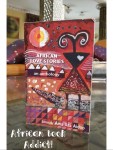
African Love Stories: An Anthology edited by Ama Ata Aidoo

Date Read: January 23rd 2016

Published: 2006

Publisher: Ayebia Publishing

Pages: 249

aidoo

The Blurb

African love stories? Is that not some kind of anomaly? This radical collection of short stories, most published in this edition for the first time, aims to debunk the myth about African women as impoverished helpless victims. With origins that span the continent, it combines budding writers with award-winning authors; the result is a melting pot of narratives from intriguing and informed perspectives.

These twenty odd tales deal with challenging themes and represent some of the most complex of love stories. Many are at once heart breaking yet heart warming and even courageous. In Badoe’s hilarious ‘The Rival’, we encounter a 14 -year-old girl who is determined to capture her uncle’s heart. His wife, she decided would just have to go. Mr. Mensah the uncle is all of sixty years old.

Crafted by a stellar cast of authors that includes El Saadawi, Ogundipe, Magona, Tadjo, Krog, Aboulela, Adichie, Oyeyemi, wa Goro, Atta, Manyika and Baingana, there is hardly any aspect of women’s love life untouched. From labour pains to burials, teenagers to octogenarians, and not to mention race-fraught and same-sex relationships, the human heart is all out there: beleaguered and bleeding, or bold, and occasionally triumphant.

โ—Šโ—Š

Review – โ˜…โ˜…โ˜…โ˜…โ˜… (5 stars)

I think I have a soft spot for anthologies. Anthologies help me discover new writers. African Love Stories: An Anthology is the second African womenโ€™s anthology Iโ€™ve enjoyed. In 2014, I reviewed Opening Spaces: Contemporary African Womenโ€™s Writing edited by Yvonne Vera (1999) and was thrilled by the diverse stories and cast of African women writers. I even took interest in the writers who were unfamiliar to me at the time, like Leila Aboulela and Lรญlia Momplรฉ.

I know what you were thinking when you saw the title, โ€˜African Love Storiesโ€™ – no, this is not a collection of sappy, romantic, unrealistic, happily-ever-after tales. African Love Stories: An Anthology is a collection of 21 contemporary short stories laden with breathtaking originality. The stories speak on: the issues inter-racial couples face, a womanโ€™s wrath when she discovers her lover is married, the lengths a village boy goes to rescue his wife-to-be, domestic violence, a child born out-of-wedlock who is scorned at her fatherโ€™s funeral, same-sex relationships, sisterhood, a motherโ€™s love, sacrifice and so much more. There are layered complexities in all 21 stories and the writers skillfully consummate each short tale such that readers ponder and cherish them, even days after enjoying the stories.

The women writers and the stories of this anthology span across the African continent โ€“ from Egypt to South Africa. Well-known authors such as: Nawal El Saadawi, Veronique Tadjo, Chimamanda N. Adichie, Leila Aboulela, Sindiwe Magona, Sefi Atta, Monica Arac de Nyeko, Helen Oyeyemi amongst others, are featured in the anthology. But I expected more diversity with respect to the countries represented in this collection. I didnโ€™t expect a lot of the stories (11 of them) to be written by Nigerian women – this is not a bad thing, donโ€™t get me wrong! I just wish there was a better mix of countries represented, as was in Opening Spaces: Contemporary African Womenโ€™s Writing edited by Yvonne Vera (1999). (Iโ€™m not comparingโ€ฆ but Iโ€™m comparing haha)

Anyways, I enjoyed all the stories from this collection (well, except two) and my faves were:

“Something Old, Something New” by Leila Aboulela (Sudan) โ€“ This is a story that chronicles the events that occur prior to a wedding between a young, muslim, dark-skinned Sudanese woman of the diaspora and a white, muslim man from Edinburgh. During their trip to Khartoum for the ceremony, several events occur that threaten their impending wedding. I really admire the calm manner of Aboulela’s storytelling, especially in this tale.

“The Rival” by Yaba Badoe (Ghana) โ€“ The Rival has got to be the most absurd story Iโ€™ve ever read! In this story, a wife tries her best to keep her marriage from falling apart by the twisted, affectionate love of her husbandโ€™s niece. Since when did nieces start falling for their uncles and dreaming of being the โ€˜madamโ€™ of the house? How awkward! Yaba Badoe created a masterpiece with this strange story.

“Tropical Fish” by Doreen Baingana (Uganda) โ€“ University student – Christine, finds herself sleeping with a British expat who exports fish to the UK. The story takes us through the inner thoughts of Christine as she tries to find herself โ€“ because she truly seems lost. I was disgusted and at times mad at Christine for tolerating the intolerable in this story. I loved how Doreen Baingana kept me on the edge of my seat while reading this! (I have Doreen Bainganaโ€™s novel Tropical Fish which this story is an excerpt from, and Iโ€™m excited to read it soon!)

“Needles of the Heart” by Promise Ogochukwu (Nigeria) โ€“ I enjoyed the easy, simple nature in the writing of this story. A woman marries a man who she discovers is a chronic abuser. She constantly finds herself making excuses for her husband, even while she suffers on hospital beds from his fury. The ending of the story had me wondering if the author actually condones domestic violence… This story is pretty scary, but holds a great message if you read in-between the lines.

The editor, Ama Ata Aidoo urges readers to enjoy this collection slowly:

Dear reader, it is highly recommended that you take these stories one at a time, so that you meet these African women properly and individually, and listen to them and their hearts: whether Sudanese, Kenyan, Ghanaian, Nigerian or Zimbabweanโ€ฆ (pg. xiv)

and I totally concur with her. I read these stories slowly and savored them. Why rush through such a rich anthology? Thatโ€™s no fun!

Even though this anthology was published in 2006 – about 10 years ago, I believe the content is ever so relevant to this day. I wholeheartedly recommend this collection to everyone. These contemporary stories may be set in countries in Africa, but the theme of love is universal to all!

โ˜…โ˜…โ˜…โ˜…โ˜… (5 stars) โ€“ Amazing book, I loved it. Absolutely recommend!

IMG_3007

Purchase African Love Stories: An Anthology on Amazon


GIVEAWAY ALERT!

February is the month of love, and Iโ€™d like to give away one brand new copy of this lovely anthology! Enter the giveaway below to stand a chance at winning African Love Stories: An Anthology. The winner will be announced a day after Valentineโ€™s Day โ€“ so you have about 10 days to try your luck!

a Rafflecopter giveaway

Giveaway TERMS & CONDITIONS:

  • Giveaway starts Feb 4th 2016 at 12am GMT & ends Feb 15th 2016 at 12am GMT (Greenwich Mean Time)
  • This is an international giveaway – it is open to everyone, worldwide.
  • You must be 18 years and older to participate in this giveaway.
  • The winner will be selected by Random.org, through Rafflecopter and will be notified by email.
  • The winner will have 48 hours to respond to the email before a new winner is selected.
  • If you are the lucky winner of the book, Darkowaa will be shipping your prize to you directly.
  • Once the winner is notified via email, providing shipping details will go to Darkowaa only and will only be used for the purpose of shipping the prize to the winner.
  • The item offered in this giveaway is free of charge, no purchase is necessary.
  • If there are any questions and concerns about this giveaway, please email: africanbookaddict@gmail.com

Good luck, everyone!

Update: This giveaway has ended. Thanks to those who participated! Congrats to the winner!