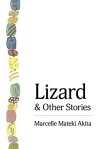
Follow the stories of five young characters who try to make sense of loss, sex and sexuality in Lizard & Other Stories. Marcelle Mateki Akita explores how topics such as broken family and romantic relationships, sexual violence and masturbation impact a young girl and woman’s development. The collection’s short stories and flash fiction focus on girls and women of Ghanaian and mixed heritage. Written in an imaginative and sobering style, Lizard & Other Stories will unsettle and surprise you.
◊◊
Review – ★★★ (3 stars)
How cute is the cover art of Lizard & Other Stories? The beads are truly attractive! Lizard & Other Stories is the good debut of short stories by reader, researcher and co-founder of Afrikult. (a literary platform that discusses, explores and celebrates the diversity of African literature) – Marcelle Mateki Akita. The collection consists of five stories that focus mainly on girls and women of Ghanaian or mixed heritage. The stories in this collection are vivid, bold and told in a calm manner. Once I started reading, I was drawn into Marcelle’s comfy, calm writing style, which allowed me to get to know the characters at relatively good paces. Some issues explored in this collection are: coming of age, religion, family, sexuality, (domestic) violence, naivety and betrayal.
What makes this collection special is the ambiguous nature of all the stories. If you read this collection more than once – which I highly encourage, you will realize that there are various interpretations and extra, juicy details you probably missed during the first reading. When I got the chance to discuss Lizard & Other Stories with Marcelle during Christmas break, I realized I interpreted the stories, especially the final one, entitled Kwesi, in a completely different way than she did. It takes talent to pull that off, even if it’s never a writers’ intention to give stories various meanings. Another thing that’s great about this collection is the unpredictability of the stories. I felt really cozy while reading the first story, entitled Ama, until the story took an unexpected turn and left a sour taste in my mouth. From the way the stories commence to their finality are polar opposites, which was refreshing!
I would’ve been more satisfied with these stories if the characters were developed a little further for readers to fully understand their actions. Also, some passages in this collection seemed overly descriptive, which isn’t my preference when reading short stories and flash fiction. But I must say, the vivid descriptions certainly allow one to picture exactly what is being observed, which was appreciated.
If you want to indulge in bold, unpredictable stories written in a calm voice, definitely look into reading this collection! I eagerly look forward to Marcelle’s future projects – a novel soon, maybe? Pretty please?
Special thanks to Marcelle, for the free copy of Lizards & Other Stories, in exchange for an honest review 🙂
To get a feel of her writing, check out Marcelle’s story that was published by AFREADA last year – Cassava’s Finest
Read more of Marcelle’s work on her website! She posts wonderful musings of the mind and soul every Monday and 100 word stories every Wednesday.
★★★ (3 stars) – Good book. I recommend it, I guess.
What books are you excited to read this year? Below are some (this is just a snippet of books 2017 has to offer!) new African, African-American and Caribbean novels that look very promising.
Please click on the images to read the blurbs and/or to purchase the books.
I hope the holiday season has been relaxing for you all. 2016 is almost over and it’s time for a recap of the year! I ended up reading 24 books this year. The break down of my 2016 reading experience is as follows:
Average books read per month: 2 books
e-books read: 11 books (wow! I didn’t realize this, even though I really dislike e-books)
African literature: 17 books
Caribbean literature: 2 books
African-American literature: 3 books
Other: 2 books (these are non-African/non-diaspora books. I read books written by – Rupi Kaur and Tim LaHaye).
These books took a toll on my emotions the most! If you’ve read my reviews for these books, you know exactly why they’re my top 5 of the year. Definitely look into reading these 5 books if you haven’t already!
Reviews for books read this year are in the Book Reviews section of the book blog. [Missing reviews (6 of them) will be posted in 2017].
What were your top 5 favorite books of 2016?
Favorite bookish events / images of the year:
Book Giveaway #1. Winner was announced back in February 🙂
Purchased this Achebe classic for my little cousins over the summer. ‘Chike and the River’ is suitable for ages 7-11!
Ankara Press books are now in paperback and available at Vidya Bookstore in Osu, Accra!
An array of books displayed after a reading, hosted by Writers Project Ghana at the Goethe Institute.
Collage I created for my review of the Caine Prize stories this year.
Bought this gem from the 14th Ghana International Book Fair!
Some 2016 summer reads.
Book + African City tote bag giveaway #2. Winner was announced late November; Third book (Sweet Medicine by Panashe Chigumadzi) winner was announced the same day.
Chuma Nwokolo and member of CACE at the Storymoja Festival in Accra.
‘Americanah’ by Chimamnda Adichie making an appearance on Neflix comedy-drama, ‘Orange Is The New Black’ season 4 (very upsetting season!)
Ghanaian authors – Ayesha H. Attah and Ayi Kwei Armah in conversation at ‘Brazil House’ James Town, Accra.
Awesome (but expensive) array of books on display at Brown Sugar boutique in Osu, Accra.
Ghanaian authors – Ayesha H. Attah and Ayi Kwei Armah in conversation at ‘Brazil House’ James Town, Accra.
Finally got my hands on ‘How to Spell Naija in 100 Short Stories vol. 2’ by Chuma Nwokolo after his reading at the Storymoja Festival 🙂
Ghanaian kid lit on display at the 14th Ghana International Book Fair.
Author – Celestine, of book blog -‘Reading Pleasure’ (https://readinpleasure.wordpress.com/) signing my copy of her African Haiku collection, at her book launch!
Favorite book of the year! Please read it if you haven’t yet!
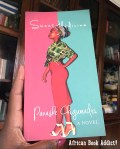
Brunch over Books’s maiden event at Cafe Kwae in Accra [with my bissap (hibiscus tea) cocktail and the book I exchanged].
Also:
African Book Addict! was featured on Mary Okeke Reviews and Brown Books & Green Tea for the blogger spotlight project and #DiverseBookBloggers feature, respectively.
In May, I joined the ladies of Not Your African Cliché podcast to discuss Somali-Brit writer – Warsan Shire, Beyonce’s album Lemonade, and the need for us (Africans) to support our art/artists more.
2016 Reading Goals round up:
At the beginning of the year, I set 4 reading goals and I believe I’ve achieved most of them!
I planned to read a wider array of African novels: I ended up reading wonderful books from 10 African countries: Botswana, Sierra Leone, Uganda, Sudan, Ghana, Somalia, Nigeria, South Africa, Côte d’Ivoire and Zimbabwe. (All reviews are in the book reviews section of the book blog)
I also set out to read more poetry: I wasn’t a big fan of poetry prior this goal, but I ended up reading 5 poetry collections and seriously enjoyed them! I hope to continue reading and feeling the words of many more great contemporary poets in the years ahead.
I wanted to broaden my horizon and read 1 African romance novel and/or 1 African thriller: Thanks to Ankara Press, I was sent 2 African romance novels in exchange for honest reviews. With regards to an African thriller, I read Tendai by Boakyewaa Glover which is actually of the science-fiction genre, but felt like a thriller to me! (watch out for the review in 2017). So maybe I kinda sorta missed the mark on the African thriller goal?
My final goal was to give back by hosting 2 or 3 giveaways this year: I achieved this by officially hosting 2 international giveaways and gave away 3 books in total (plus a cute African City tote bag to hold books!).
It’s truly rewarding to see that I have reached my goals, especially with my hectic (dental) school schedule. I always had these goals at the back of my mind and slowly tried to achieve them on a daily monthly basis. I’m proud of these achievements!
Were you able to achieve some of your 2016 Reading Goals?
[Don’t beat yourself up if you weren’t able to – its definitely not that serious and you can still achieve them in 2017!]
I’m truly grateful to everyone who frequents this book blog and for the great discussions (agreements, disagreements and recommendations) we have in the comments section. I really appreciate the support and love shown here from you all. This year, I’ve enjoyed discovering lots of new book blogs + book lovers and hope to connect with more in the future! Here’s to more great years of reading ahead, for all of us. 🙂
Christmas is right around the corner! I honestly have no business buying any new books, anytime soon. But a simple wish list won’t hurt would it? Below are books I’d love Santa to drop into my imaginary Christmas stockings (not in order of preference; click titles to read the blurbs on Goodreads):
The Turner Houseby Angela Flournoy has been on my TBR for a while. It actually got bumped up my list after Flournoy was shortlisted for the National Book Prize last year + some of my friends highly recommend this novel. I hear there are similarities between The Turner House and Ayana Mathis’s The Twelve Tribes of Hattie, which I LOVED (and reviewed).
The Beautiful Things That Heaven Bearsby Dinaw Mengestu is a book I’m very keen to read. I haven’t read anything by Mengestu but I’ve seen many reviews of his books – especially his 2014 novel, All Our Nameson several book blogs. I’m eager to read about the immigrant experience in the U.S through an Ethiopian lens in this book!
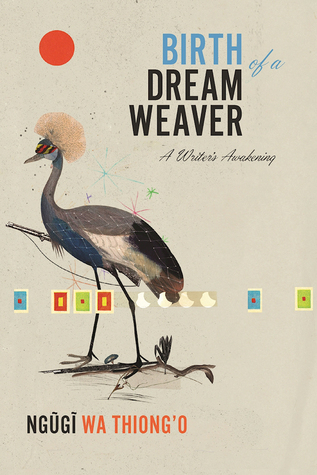
Birth of a Dream Weaver: A Memoir of a Writer’s Awakeningby Ngūgī wa Thiong’o was released late October of this year. I found out about this book from highlights of the 2016 Aké Arts and Books Festival and was surprised this book existed, as I didn’t even know Ngūgī wa Thiong’o was actively writing a new memoir! I deeply enjoy anything Thiong’o writes, so this would be a great addition to my already growing Ngūgī wa Thiong’o collection.
Longthroat Memoirs: Soups, Sex and Nigerian Taste Budsby Yemisi Aribisala was published back in November (2016) by Cassava Republic. I have been waiting for a book like this for a while! If you’ve read my review of Pig Tails ‘n Breadfruit: A Culinary Memoir by Barbadian writer Austin Clarke (RIP), I spoke on my desire to read more books that highlight African food. Longthroat Memoirs showcases Nigerian cuisine while discussing various feminist issues. I need this book.
My Name is Leonby Kit de Waal has the best book cover! From what I hear, My Name is Leon is a story about 9 year old Leon – who is biracial and his new baby brother Jake – who is white. Once their mother is deemed unfit to care for them, they are taken into the foster care system. When Leon’s baby brother is adopted before he is, readers see Leon face various prejudices, while trying to save his broken family. I’m ready to have all the feels reading this book.
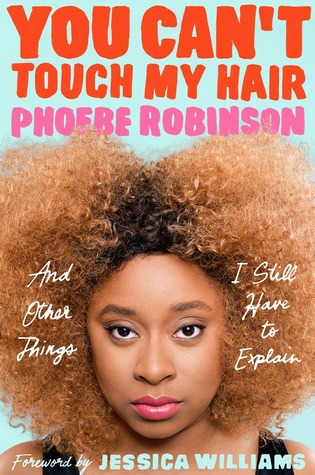
You Can’t Touch My Hair: And Other Things I Still Have To Explainby Phoebe Robinsonlooks like it’d be a great book to get anyone out of a reading slump. Every once in a while I like to let loose and read something humorous and light. The author, Phoebe Robinson – is a comedian and hosts a podcast with Jessica Williams called 2 Dope Queens. I’ve given their fun podcast a couple of listens and even downloaded a sample of this book on Kindle. All I can say is, I know I’ll be entertained by this book!
What books are on your Christmas wish list? Please share some titles!🙂
What are you all currently reading? At the moment, I’m reading Hopes and Impediments: Selected Essays by the great Chinua Achebe and Bettah Days by Veronica Wells.
I haven’t really seen many African #NonFictionNovember suggestions on social media, so I’d like to share my enjoyment of Achebe’s work with you all! I reviewed The Trouble with Nigeria by Chinua Achebe last year and I was blown away by the boldness of Achebe’s words and his brave stances on various Nigerian and African social, cultural and political issues. In Hopes and Impedicimets: Selected Essays, I’m already enjoying Achebe’s candid writing style and his sharp wit, with regards to short essays/chapters like: ‘An Image of Africa: Racism in Conrad’s Heart of Darkness‘ ; ‘The Truth of Fiction’ ; ‘Thoughts on the African Novel’ ; ‘The Writer and His Community’; ‘Names for Victoria, Queen of England’; ‘James Baldwin (1924 – 1987)’ and so much more.
Check out the blurb:
“One of the most provocative and original voices in contemporary literature, Chinua Achebe – author of the iconic novel Things Fall Apart – here considers the place of literature and art in our society. This collection of essays spans his writing and lectures over the course of his career, from his ground-breaking and provocative essay on Joseph Conrad and Heart of Darkness to his assessments of the novel’s role as a teacher and of the truths of fiction. Achebe reveals the impediments that still stand in the way of open, equal dialogue between Africans and Europeans, between blacks and whites, but also instills us with hope that they will soon be overcome.”
I will be coupling this book prize with the amazing African City tote bag by APiF (African Prints in Fashion). “It’s a 100 % cotton tote bag in black with white handles – 22 African city names printed on both sides. This tote bag is huge and you can fit anything from your laptop, your trainers, books to groceries in it. And actually also all of these items together!” Check out more products from the APiF website – here. (No, this is not a sponsored giveaway).
And as promised from the Sweet Medicine by Panashe Chigumadzi review, I will be giving away a brand new copy of her debut (by itself) as well – as a second prize!
Tell a friend to tell a friend! I encourage everyone to enter the giveaway raffle multiple times to increase the chances of enjoying either Achebe’s gems from the essay collection + the awesome African City tote bag or Panashe’s great debut, Sweet Medicine. You have about 9 days to try your luck!
Expect a review of Hopes and Impediments: Selected Essays by Chinua Achebe early next year.
The giveaway starts November 13th 2016 at 12am GMT and ends November 23rd 2016 at 12am GMT (Greenwich Mean Time).
This is an international giveaway – it is open to everyone, worldwide.
You must be 18 years and older to participate in this giveaway.
The winners will be selected by Random.org, through Rafflecopterand will be notified by email.
The winners will have 48 hours to respond to the email before new winners are selected.
If you are lucky winners of the prizes, Darkowaa will be shipping your prizes via DHL directly to you.
Once the winners are notified via email, providing shipping details will go to Darkowaa only and will only be used for the purpose of shipping the prizes to the winners.
This is NOT a sponsored giveaway. Items offered in this giveaway are free of charge, no purchase is necessary.
If there are any questions and concerns about this giveaway, please contact at:africanbookaddict@gmail.com
Good luck, everyone!
Check out the previous giveaway from February – here.
Published: 2014 (originally published by Langaa Press, 2012)
Publisher: Jacaranda Books
Pages: 352
The Blurb
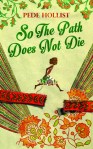
Long after Fina has left Sierra Leone for America, memories of a broken initiation still haunt her. She longs to return, to find her grandmother and right the path that has been set for young girls centuries past. Her journey from the streets of Freetown to Washington echo with the tensions, ambiguities, and fragmentation of the diaspora. Fina’s inner turmoil and feelings of ‘otherness’, persist as she travels further from home. Ultimately, the broken path of her childhood brings Fina back to Sierra Leone, to a life she had never imagined for herself. So the Path Does Not Die is a tender and gently observed novel exploring attitudes towards female circumcision, and a beautifully rendered novel, from an exciting new voice in African literature.
◊◊
Review – ★★★★★ (5 stars)
Is it me, or were there not enough people talking about this fascinating book back in 2014 when it was published? I was introduced to Pede Hollist’s writing when his short story – Foreign Aidwas shortlisted for the 2013 Caine Prize. Back then, it was great to see a Sierra Leonean on the shortlist for a change. And I really hope more writers from Sierra Leone are brought to the spotlight soon!
So The Path Does Not Die is fundamentally a story of love and the belongingness of people and place. Finaba’s (or later known as ‘Fina’ by her adopted family) life revolves around her interrupted FGM (female genital mutilation)/ initiation process in her village. In the novel, the deadly practice of FGM is a coming-of-age event where a girl finally becomes a woman and ‘belongs’ to the people of the village. Fina’s parents loathed this practise but her grandma strongly supported it. After Fina’s family is shunned from their village due to an abominable act by her father to save Fina from this deadly practise, they move to Freetown (Sierra Leone’s capital) with heaps of curses on their heads.
In Freetown, Fina endures hardships in all aspects of her life – family problems, university struggles, ethnic group discrimination (as she’s Fulani which is known to be in the minority), just to name a few. When Fina finally escapes Sierra Leone to the United States, though she matures beautifully and becomes relatively successful thanks to her determination to be happy and independent, she faces a new set of struggles: immigration woes, Africans vs. African-Americans vs. Caribbean concerns, the myth of the American dream and cultural alienation. For some reason, all the painful lessons Fina experiences seem to be tied back to the night of her interrupted initiation process. She somehow feels she does not ‘belong’, even when she finally finds true love. To Fina, Sierra Leone seems to be the only place where she thinks she would feel valued; a place where she feels she’d be ‘on the right path’ in life.
Initially, Pede Hollist’s storytelling gave me a Chinua Achebe vibe as the story starts off with a folktale. Hollist’s writing style is rhythmic, simple, and accurate in all the nuances he captures and I was satisfied with how this story came full circle by the end! I was a bit skeptical on how Pede Hollist would accurately write and speak for Fina in this book, as he is a man and would probably portray a man better. But I was impressed by his careful attention to consciously writing Fina’s character in a way that spoke on many feminist issues.
So The Path Does Not Die had me thoroughly entertained and I shamelessly giggled at all the intense dramatic happenings that occurred in this story! Some of the depictions of certain cultural groups portrayed in this novel may seem stereotypical, but I believe Hollist executes these depictions with finesse and in a jovial manner. This novel actually reminded me of Chimamanda Adichie’s Americanah, as there are several side stories of the people Fina encounters in this story. Some characters include: Sidebe – a diamonds trader; Aman – Fina’s African-American best friend; Cammy – Fina’s Trinidadian fiancé; Mawaf – a child soldier’s wife, just to name a few. The socio-political backgrounds and commentary on these characters are all so layered and beautifully tied into Fina’s personal story of trying to find happiness, while being true to herself. I absolutely adore how this book is a cultural melting-pot of Black peoples’ (African, African-American and Caribbean) similarities, differences and the connection they all have to the African continent.
I learned a great deal about Sierra Leone from this novel! You would think us West Africans would know more about our fellow brethren on this coast, but I really had no clue. I jotted down a lot of the cultural references, ethnic groups, native foods, languages, national costumes, native names and natural resources from Sierra Leone. I particularly liked that this novel wasn’t grim with the horrors of FGM, but rather acted as a conduit for speaking against the horrible act, while commenting on other tough Sierra Leonean economic, cultural and social issues as well. Reading dialogue in Trinidadian patois and Sierra Leonean Krio as well as recognizing various West African mannerisms and sayings, made this novel all the more enjoyable, as various happenings and conversations really came to life! Don’t you just love when you learn about our world through a good, entertaining story?
I encourage anyone who is looking for a captivating book on Sierra Leone and the Diaspora to pick this up! I eagerly look forward to Pede Hollist’s future projects and I definitely plan on reading more books published by Jacaranda Books!
★★★★★ (5 stars) – Amazing book, I loved it. Absolutely recommend!
Purchase So The Path Does Not Dieby Pede Hollist on Amazon
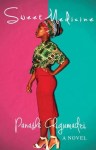
Sweet Medicine is the story of Tsitsi, a young woman who seeks romantic and economic security through ‘otherworldly’ means. The story takes place in Harare at the height of Zimbabwe’s economic woes in 2008.
◊◊
Review – ★★★ (3 stars)
Sweet Medicine is a good debut! Don’t you love the book cover? It’s one of the reasons I just had to have this book. In between reading, I watched interviews and talks on YouTube that featured Panashe, where she spoke on racism in South Africa (where she was raised. She’s originally from Zimbabwe), feminism and the makings of an online magazine she founded – Vanguard Magazine, which isa womanist platform for young black women in South Africa speaking to the intersectionality of queer politics, Black Consciousness and pan-Africanism. Panashe is simply an amazing inspiration, and she’s only 25!
Set in present day Zimbabwe, Tsitsi – the main character, seems to be a victim of the economic crisis in Zimbabwe. Throughout this novel, she does all she can to achieve economic and romantic stability through ways that seriously contradict her staunch Christian upbringing. I must say – it was hard not to judge Tsitsi while reading this novel. Her forbidden relationship with Mr. Zvobgo (a rich man who’s recently divorced from his wife) was uncalled for, yet understandable, I guess? Unfortunately, just like Tsitsi in Sweet Medicine, many young women find themselves at the mercy of rich men as they try to survive in the midst of economic crises. This novel tackles several dichotomies of dilemmas Tsitsi and other ordinary women (even with university degrees) suffer thanks to the terrible economic states of their nations, like – desperation versus true love; spirituality versus worldliness; feminism versus patriarchy; tradition verses modernity; poverty versus abundance, and much more.
Sweet Medicine might be one of the few African novels I’ve read, where I can confidently say is written for Africans – Zimbabweans to be exact. Panashe unapologetically throws readers into Zimbabwean slang & Shona and into the happenings of Zimbabwe’s economic crisis – as if we are natives! Initially, Sweet Medicine was a little challenging for me to read as it took me a while to adjust to the writing style and the myriad of Shona expressions and phrases blended into the dialogue. But once I got the hang of it, I enjoyed the measured suspense of Tsitsi and Mr. Zvobgo’s undulating relationship issues, as well as the glimpses of Zimbabwean life Sweet Medicinefed me.
If you get the chance to read Sweet Medicine, just immerse yourself into the atmosphere of 2008 Zimbabwe for about 200 pages. Cringe at the silly interactions and exchanges between Tsitsi and her super bold sister-friend, Chiedza. Appreciate Tsitsi’s relationship and her tortuous quandary of wanting to live a comfortable life (and provide for her family) with the man of her dreams versus wanting to honor God and her mother. And when you’re done, go back and admire the ultra-chic book cover which I believe, embodies Tsitsi’s persona. Sweet Medicine made for a decent summer read! I recommend this – especially to readers who’ve been longing to read a contemporary African novel, written for us – Africans.
P.S: I have an extra, brand new copy of Sweet Medicine which I will be giving away- amongst other goodies during my hosting the second and last give-away of the year. Stay tuned! 🙂
★★★ (3 stars) – Good book. I recommend it, I guess.
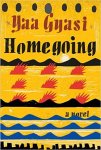
A novel of breathtaking sweep and emotional power that traces three hundred years in Ghana and along the way also becomes a truly great American novel. Extraordinary for its exquisite language, its implacable sorrow, its soaring beauty, and for its monumental portrait of the forces that shape families and nations, Homegoing heralds the arrival of a major new voice in contemporary fiction.
◊◊
Review – ★★★★★ (5 stars)
Yaa Gyasi’s debut – Homegoing, is historical fiction at its best. I honestly thought Chimamanda Adichie’s Americanah hit home for me back in 2013 when I read it. But Homegoing IS home. Homegoing is about my home. I never thought I’d read a book that perfectly articulates the dynamics of being Ghanaian-American. The only book I’ve read that somewhat touches on the identity complexities of being Ghanaian by blood and American (or British) by birth, was Powder Necklace by Nana Ekua Brew-Hammond (another awesome Ghanaian-American writer). I might have to re-read Powder Necklace and review it on this platform soon!
Homegoing was an emotional read – throughout! I started reading during the wake of the horrific Alton Sterling and Philando Castile police shootings of early July, so you can imagine how haunting these real life events paralleled with this particular historical fiction, which focuses on the legacy of slavery in America and Ghana. Homegoing follows two half sisters – Effia and Esi who live in 18th century Ghana and the generations after them, making Effia and Esi the matriarchs of dual lineages. Effia becomes the wench (not wife) of the British governor of Cape Coast Castle (a slave castle here in Ghana) and is the matriarch of the Ghanaian line of the family; while Esi, who is kept as a slave in the dungeons of this same Cape Coast Castle where Effia resides with the governor, is the matriarch of the American line of the family. Homegoingalternatesbetween the descendants of the two sisters, chronologically from 18th century Ghana to present day (after the millennium), in both Ghana and the US. As with most books of the historical fiction genre, a family tree is provided on the first page of the novel which makes following the two lineages and the different family members pretty easy.
To be honest, I don’t think it’s possible to read Homegoing without harboring some resentment for the insanity white folks forced people of African descent to endure. From the events of the Trans-Atlantic slave trade, to the injustice and discrimination black folks faced in the American south as slaves, to the Anglo-Ashanti wars in Ghana, to present day racial tensions and disregard for black bodies, are all legacies of slavery. I truly admire how Gyasi manages to personalize slavery and its effects through the use of character development in each chapter. In every chapter, readers witness how each generation got some inheritance of slavery – be it through mass incarceration, the need to pass as white, lynching, colorism, the fragmenting of families and so much more.
As much as the terrors white folks caused black people are highlighted in Homegoing, I appreciate Gyasi for not letting Africans off the hook for being complicit in the slave trade. Unfortunately, the role African nations played in enabling slavery are rarely addressed. All the ethnic wars, kidnapping of innocent people and trading of human beings in exchange for goods from the British, Dutch and Portuguese were all selfish, contributing factors to the slave trade and the inhumane effects they still manifest. While reading Homegoing, I kept thinking about Maya Angelou’s autobiography – All God’s Children Need Traveling Shoes and her valid feelings of anger and disappointment she expressed after visiting the Elmina Castle (a Portuguese slave castle here in Ghana) in Cape Coast, Ghana back in the 1970’s. I understood her anger, as she was a descendent of our people who were captured and sold to the Europeans. As upsetting as the slave trade was, I applaud Gyasi for using Homegoing as a way for opening up conversations on the obscure relationship between Africans and African-Americans today, thanks to our disturbed past.
Gyasi’s ability to seamlessly weave Ghanaian and African-American histories into this story was very ambitious and exciting to read! I was impressed with the plethora of themes, actual historical events and icons that made realistic cameos in this novel. Don’t get me wrong – Homegoing is not rigid with historical facts. It’s very much a holistic novel with issues like interracial relationships, sharecropping, racial passing, lynching, homosexuality, mental illness, abelism, colorism and so much more, embedded into the storyline with respect to the times in which the characters live. Real historic icons and happenings like Yaa Asantewaa of Ejisu, The Asantehene, the civil rights movement & non-violent resistance headed by Dr. Martin Luther King Jr., the Fugitive Slave Act of 1850, the Harlem heroin epidemic of the late 1960’s and others are all impressively packed into this novel of 305 pages!
I enjoyed most of the chapters and characters in Homegoing. But my favorite character was Marjorie. I like to believe Marjorie’s chapter is Yaa Gyasi – fictionalized. Marjorie was born in Ghana and raised in the US, just like Yaa Gyasi. In Marjorie’s chapter, I loved how the character articulates how she doesn’t identify fully as Ghanaian or ‘Black American’ which is sometimes used synonymously with the ambiguous term – ‘akata’ by some Africans. I especially loved that Marjorie found joy in reading books by writers of African descent,
Her work was in African and African American literature, and when Marcus asked her why she choose those subjects, she said that those were the books that she could feel inside her. (pg. 295)
Is Marjorie me? That quote is basically the essence of why I created African Book Addict! It was refreshing to read Majorie’s chapter, as I completely understood her identity struggles. While my life story is a little different from Majorie’s/Yaa Gyasi’s, reading a character with a similar background as yours is deeply gratifying. You begin to realize that there are others like you in the world; that you’re not alone in your confusion as to where you call home; that your convictions on your ever evolving identities are valid.
While discussing Homegoing with other book lovers here in Accra, I realized there were some minor inaccuracies in the novel. But I didn’t mind the minor inaccuracies others felt the need to point out. I did however find the ending of this phenomenal book a bit corny. Marcus’s chapter should have ended with a bang – as all the other chapters did! Regardless, Homegoing was emotional and heartbreaking, yet exhilarating to read. I hope Yaa Gyasi makes a trip to Ghana soon or adds Accra to her book tour. I’d love a good ole’ chat with a fellow Ghanaian-American and of course, for my copy of the book to be graced with her signature!
I’d like to extend a special thank you to my new friend – Trish Tchume and publishers A. A Knopf for my copy of the book. Homegoing is definitely one of my top 5 favorite books of this year. Don’t be surprised when it is required reading in schools soon.
★★★★★ (5 stars) – Amazing book, I loved it. Absolutely recommend!
My copy of Homegoingbefore and after reading.
P.S: I’ve typed all of the quotes I highlighted while reading and I’m open to sending anyone who’s interested, the PDF file of the compiled quotes via email. Some of the quotes, notes and suggested readings I highlighted would make for amazing book club discussions 🙂


 .
. .
. that will be released in June/July.


![Brunch over Books's maiden event at Cafe Kwae in Accra [with my bissap (hibiscus tea) cocktail and the book I exchanged].](https://i0.wp.com/africanbookaddict.com/wp-content/uploads/2016/07/img_4563.jpg?w=218&h=290&ssl=1)












 African Book Addict!