Ghanaian Writers | Book Chat :: with Nana Ekua Brew-Hammond

Once again, the month of March is here! Ghana gained independence in March, so I like to dedicate this month to celebrating Ghanaian writers and their work. In the African literature scene, Ghanaian writers and their books are seriously underrated. As a reader of Ghanaian heritage, I enjoy discovering new Ghanaian writers and learning about our pioneer writers. If we donโ€™t celebrate our own, who will?

Last year on African Book Addict! we celebrated 75 Ghanaian writers and their books in a 3-part series. This month, (more like this month), Iโ€™ll be in conversation with some of the writers highlighted in last yearโ€™s series! This week is the last installment of the conversations I have with writers of Ghanaian descent.


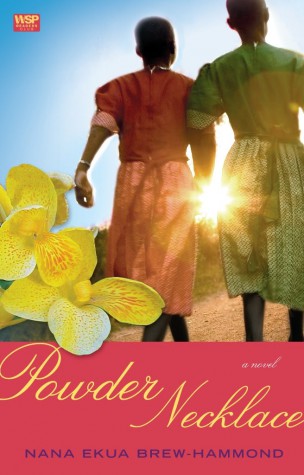
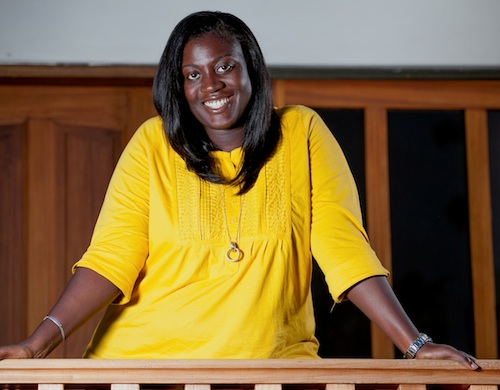
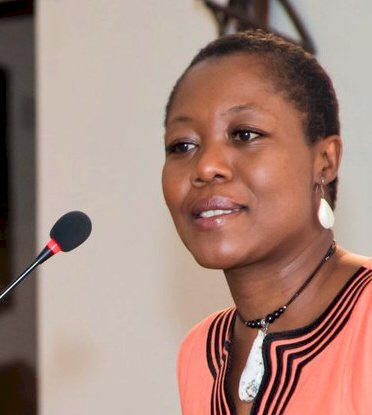
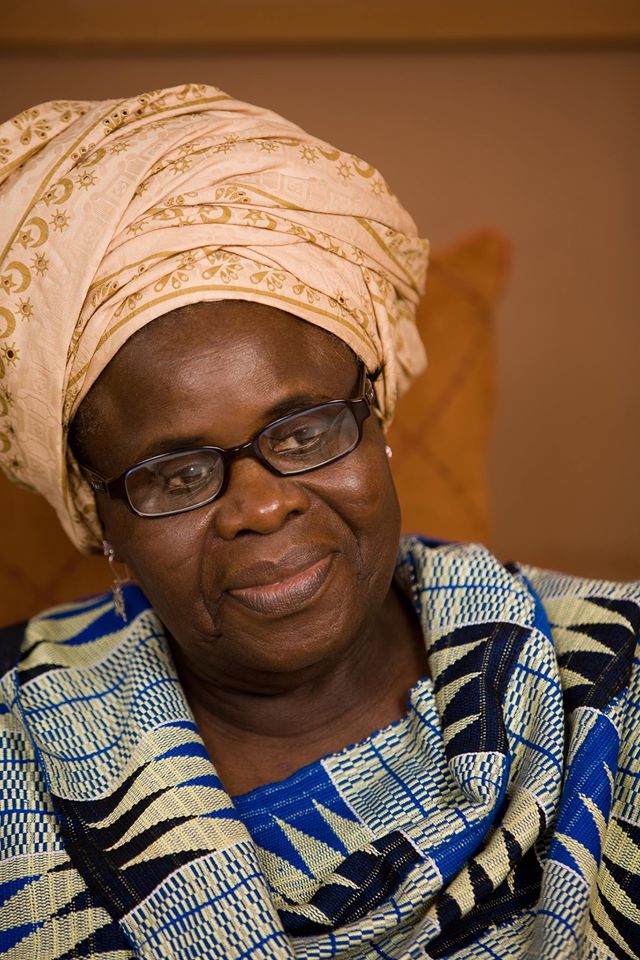
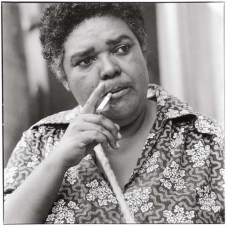
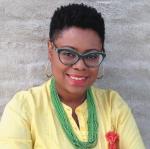
This week, I chat with Nana Ekua Brew-Hammond – author of Powder Necklace, which was published in 2010. I enjoyed Powder Necklace back in 2013, before the creation of this book blog (hence no book review on the site). Since my 2018 reading intentions are to re-read some novels and indulge in more work by Ghanaian writers, I shall be re-reading and reviewing Nana Ekua’s coming-of-age debut this year. Enjoy this fun book chat where Nana Ekua talks about what she learned about herself while writing her debut, how she feels about the future of Ghanaian literature, the Black writers who influence her work, new projects that will be published soon & more!

(note โ€“ โ€˜NEBHโ€™ represents Nana Ekua Brew-Hammondโ€™s responses)

โ€ขโ€ข

Check out the synopsis for Powder Necklace below:

To protect her daughter from the fast life and bad influences of London, her mother sent her to school in rural Ghana. The move was for the girlโ€™s own good, in her motherโ€™s mind, but for the daughter, the reality of being the new girl, the foreigner-among-your-own-people, was even worse than the idea. 

During her time at school, she would learn that Ghana was much more complicated than her fellow ex-pats had ever told her, including how much a London-raised child takes something like water for granted. In Ghana, water โ€œbecame a symbol of who had and who didnโ€™t, who believed in God and who didnโ€™t. If you didnโ€™t have water to bathe, you were poor because no one had sent you some.โ€

After six years in Ghana, her mother summons her home to London to meet the new man in her motherโ€™s lifeโ€”and his daughter. The reunion is bittersweet and short-lived as her parents decide itโ€™s time that she get to know her father. So once again, sheโ€™s sent off, this time to live with her father, his new wife, and their young children in New Yorkโ€”but not before a family trip to Disney World.

  • I remember reading your debut novel, Powder Necklace back in 2013 and resonating with it on so many levels. At the time, I hadnโ€™t read a book that accurately articulated the many issues I had with myself and others (mostly Ghanaians) after I moved to Ghana at the age of 10, so I thank you! Why was it important for you to write the story?

NEBH: Thank you! Iโ€™m so glad to know Powder Necklace resonated with you. It was important to me to write Powder Necklace because I had so many misconceptions about Ghana before I went to live and school there at 12.

My parents had pumped it up as this utopia where kids never misbehaved, and would threaten to send my siblings and me there whenever we didnโ€™t act right. Meanwhile, it felt like American news programs of the early โ€˜80s were conflating the Ethiopian famine with all of Africa. Add that to the Save the Children commercials starring Sally Struthers that were repeatedly on air, and it seemed as if Africa was a Land of Flies and Kwashiorkor-Stricken Children. No wonder some of my classmates in the States thought anyone from Africa was a โ€œBooty Scratcher.โ€

With Powder Necklace, I wanted to share the slice of Africa I experienced in Ghana. Yes, there was poverty, but there was also wealth and both stations were far more complicated than depicted in American media or even by family. Everything and everyone I encountered was far more nuanced.

I also felt like there werenโ€™t many contemporary books for Black kids who werenโ€™t African-Americanโ€”at least I hadnโ€™t come across many growing up. In the โ€˜90s, when Black literature was experiencing a wave with books by Terry McMillan, E. Lynn Harris, Bebe Moore Campbell, J. California Cooper, April Sinclair, et al, most centered on the African-American experience. I wanted Powder Necklace to speak to the experience of being Black and African in the diaspora.


  • Did you learn anything about yourself while writing Powder Necklace?

NEBH: I did. Powder Necklace was inspired by my experience getting sent to school in Ghana at 12. It fundamentally changed my personality and intensified my faith in God, but I had not fully dealt with the resentment and anger I felt from being tricked into staying in Ghana. As I began to write the book, I realized how much I had suppressed about the experience. I was surprised by how painful it was to revisit the isolation and fear I felt as a kid when it sunk in that I would be in Ghana without my parents for years, at a boarding school two hoursโ€™ drive from my home in Accra.

I had also been hazed by many of my schoolmates during my time at school. In my mind they were all villains, but as I wrote, and had the distance to see myself as a character in a bigger story, I could see the cultural chauvinism I brought to my interactions with my fellow students and still held in some ways.


  • Three years ago, I read a compelling essay of yours in Mosaic Literary Magazine โ€“ โ€˜The African Renaissanceโ€™, where you discussed the trajectory of African literature over the years and the interrogation of โ€˜authenticโ€™ African identity tagged to stories and writers. Some writers dislike being โ€˜pigeon-holedโ€™ and labeled as โ€˜African writerโ€™ or โ€˜Black writer.โ€™ How do you prefer to be identified as a writer?

NEBH: I appreciate being identified as an โ€œAfrican writerโ€ or โ€œBlack writerโ€ because I am proud of my Africanness and my Blackness. It took me a long time to get here. I had to get over years of cultural indoctrination designed to make me feel ashamed of my dark skin, and my Ghanaian name and originโ€”and now that I have, I refuse to have my identity erased or downgraded by anyone, including myself.

The only reason being labeled an โ€œAfricanโ€ or a โ€œBlackโ€ writer can pigeonhole is because mainstream culture is infected with racist notions about what it means to be African and Black, and the powers that be have a track record of allowing only certain types of narratives by Black people to see the light of day. By standing proudly in my identity and working to tell authentic stories, I am defying the idea that we should be ashamed of who we are and forcing people to see that no race or ethnicity can be narrowed down to one story or experience.


  • Do you remember the first book you read by a Ghanaian writer? If so, what book was it and how was the experience? After working on the #GHat60 project last year, I was amazed at the great number of Ghanaian writers doing amazing work. How do you feel about the future of Ghanaian literature?

NEBH: The first book I read by a Ghanaian writer was a playโ€”Ama Ata Aidooโ€™s The Dilemma of a Ghost. I immediately connected with her story of a Ghanaian man bringing his African-American wife home to Ghana and the clash they were dealing with because I was going through a similar experience as I read it at school in Ghana.

I think the future of Ghanaian literature is limitless. Writers like Kofi Akpabli, Nana-Ama Danquah, Nana Awere Damoah, Esi Edugyan, Martin Egblewogbe, Boakyewaa Glover, Yaa Gyasi, Ayesha Harruna Attah, Lesley Lokko, Cheryl Ntumy, Nii Ayikwei Parkes, Kwei Quartey, Taiye Selasi, and yourself are not only writing a diversity of stories, but many are creating opportunities and support systems for other writers.

Nana Awere Damoah has started the Ghana-based online bookstore BookNook, which should make it easier for readers in Ghana to get their hands on books by Ghanaian authors. Together with Kofi Akpabli, Nana Awere Damoah also goes around Ghana producing open mic nights. Martin Egblewogbe co-founded Writers Project Ghana and co-hosts a radio show on Ghanaโ€™s Citi FM that features Ghanaian writers as well as writers from all over the continent.

(all these Ghanaian writers were featured in the #GHat60 3-part series, last year)

You have your blog, which promotes African authors, and there are other sites focused on African literature too like Nana-Ama Kyerematenโ€™s AfriDiaspora and Ainehi Edoroโ€™s Brittle Paper. Plus, there are writing contests geared toward young Ghanaians like the #360WritersChallenge, which is aimed at university students and the Blooming Minds Young Writers Award for children, not to mention the proliferation of prizes that have cropped up in the last five years geared toward African writers including the Miles Morland Writing Scholarship.

Right now, Ghanaian writers of any age and stage can find encouragement, support, and inspiration among peers and promoters. If this continuesโ€”and I believe it will if we as writers and lovers of literature remain vigilant about creating and supporting individuals, initiatives, and institutions that support usโ€”thereโ€™s no reason Ghana canโ€™t be home to a proliferation of powerful literary voices generation after generation.


  • What have you been reading and loving lately? And who are some of your favorite Black writers and influencers of your work?

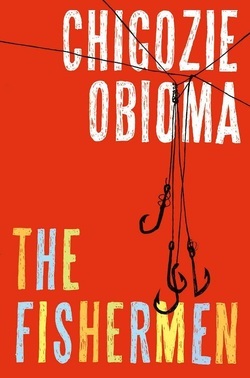
NEBH: I recently devoured Baruch Stermanโ€™s The Rarest Blue. I know Iโ€™m so so late on The Life of Pi, but I finally read it and absolutely loved it. Currently, Iโ€™m in the middle of Chigozie Obiomaโ€™s The Fishermen.

My favorite Black writer is Buchi Emecheta. Reading her work, itโ€™s clear how much empathy she had for her characters, and she had a gift for pacing. In addition to Ms. Emecheta, there are so many Black writers I aspire to be as honest and fearless as in my writing, including Zadie Smith and Chimamanda Ngozi Adichie. Both women are such astute and commanding storytellers.

I love the care Ayesha Harruna Attah gives to the tiniest details. NoViolet Buluwayo has a fierce way with words that I deeply admire. I so appreciate the poetry of Taiye Selasiโ€™s style. And Ama Ata Aidoo is a legend. Her commitment to telling nuanced stories of Ghanaian lives, particularly Ghanaian womenโ€™s lives, has set the benchmark for contemporary Ghanaian writers.


  • I enjoyed your short story – Mama Africa, which was published in the Africa39 Anthology (2014) and Iโ€™m excited to see that youโ€™ll be featured in Everyday People: The Color of Life โ€“ a Short Story Anthology this summer (August 2018). Do you have a new novel or collection of stories currently in the works to be published soon?

NEBH: Thank you for reading and following my work! I have finished a second novel that Iโ€™m really eager to get out into the world. I donโ€™t have a publication date yet, or a publisher, but Iโ€™m confident I will soon. In the meantime, Iโ€™m working on another novel, a childrenโ€™s book series, and a literary project for Ghanaian writers. I also have a short story in the forthcoming anthology Accra Noir.


  • Thanks so much for taking the time to participate in this book chat!

NEBH: Thank YOU for all of your support.

Purchase Powder Necklace on Amazon

SPECIAL THANKS TO: Ayesha Harruna Attah and Nana Ekua Brew-Hammond for participating in this fun miniseries of book chats! Also, thank you to all the readers of the book blog who have enjoyed these book chats with writers of Ghanaian descent. #ReadGhanaian!


Check out the 75 Ghanaian writers that were highlighted in last yearโ€™s 3-part series below:

Ghanaian Writers | Book Chat :: with Ayesha Harruna Attah

Once again, the month of March is here! Ghana gained independence in March (TODAY, March 6th 1957), so I like to dedicate this month to celebrating Ghanaian writers and their work. In the African literature scene, Ghanaian writers and their books are seriously underrated. As a reader of Ghanaian heritage, I enjoy discovering new Ghanaian writers and learning about our pioneer writers. If we donโ€™t celebrate our own, who will?

Last year on African Book Addict! we celebrated 75 Ghanaian writers and their books in a 3-part series. This year (more like this month), Iโ€™ll be in conversation with some of the writers highlighted in last yearโ€™s series!


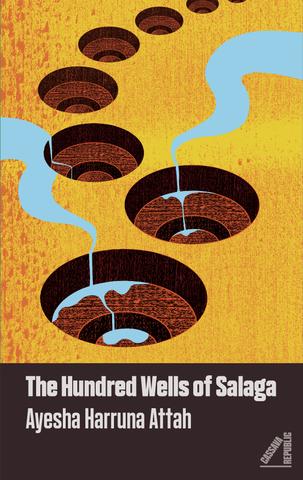
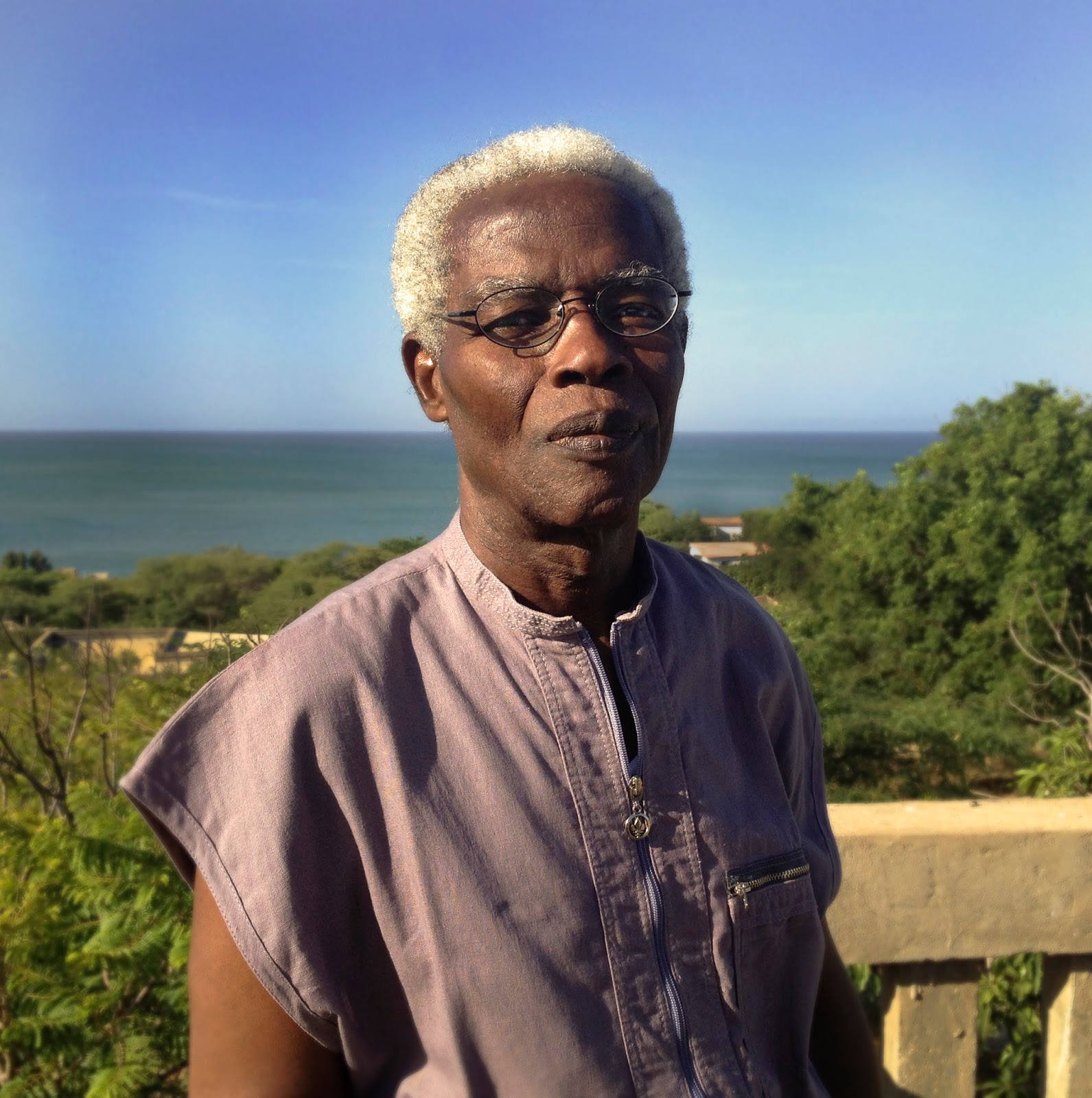
First up is Ayesha Harruna Attah – author of Harmattan Rain, Saturday’s Shadows and forthcoming The Hundred Wells of Salaga, which will be published by Cassava Republic Press in May! Enjoy this fun book chat where Ayesha talks about the inspirations for her forthcoming novel, the first book she read by a Ghanaian writer & the future of Ghanaian literature, the Black writers who influence her work and why we should indulge in The Hundred Wells of Salaga.

(note โ€“ โ€˜AHAโ€™ represents Ayesha Harruna Attahโ€™s responses)

โ€ขโ€ข

Check out the synopsis for The Hundred Wells of Salaga below:

Aminah lives an idyllic life until she is brutally separated from her home and forced on a journey that turns her from a daydreamer into a resilient woman. Wurche, the willful daughter of a chief, is desperate to play an important role in her father’s court. These two women’s lives converge as infighting among Wurche’s people threatens to cleave the region, during the height of the slave trade at the end of the 19th century.

Set in pre-colonial Ghana, The Hundred Wells of Salaga is a story of courage, forgiveness, love and freedom. Through the experiences of Aminah and Wurche, it offers a remarkable view of slavery and how the scramble for Africa affected the lives of everyday people.

  • The Hundred Wells of Salaga is your 3rd forthcoming novel, congratulations on this achievement! When did you first get ideas on the story and how long did it take you to write the novel?

AHA: Thank you! About ten years ago, I found out that my great-great grandmother was enslaved. I wanted to know more. Who was she? Where had she come from? What were her desires before her dreams were snatched away? To unearth more, I made a trip to Salaga, in northern Ghana, where there was an infamous slave market. But I kept hitting walls โ€“ either people didnโ€™t want to talk or they didnโ€™t know enough. So in 2012, I decided to research how people ended up in Salaga and to also put my imagination to work. I officially started writing in 2014.


  • Did you learn anything about yourself while writing The Hundred Wells of Salaga?

AHA: I learned just how much I didnโ€™t know about African history. For instance, it was a big surprise to me that in the 19th century in the Sokoto Caliphate, there were women teachers, jajis, who taught other women and they used poetry as a way of disseminating values.


  • While reading Harmattan Rain, I saw bits of my life reflected in Sugriโ€™s character and in Saturdayโ€™s Shadows, Kojoโ€™s character mirrored a lot of my life as well! How much of your personal life seeps into your stories?

AHA: I donโ€™t consciously set out to put my lived experiences into my writing, but it would be almost impossible to divorce myself from my characters. Even if I were writing the vilest character on earth, it would be with my flavor and through my eyes. Of course, there are certain moments in life that are too good to keep to oneself and, those, I very intentionally put into my stories. For instance, the anecdote in Saturdayโ€™s Shadows, where a man cuts himself with a blade to prove heโ€™s invincibleโ€”that was a real life scene I witnessed.


  • Do you remember the first book you read by a Ghanaian writer? If so, what book was it and how was the experience? After working on the #GHat60 project last year, I was amazed at the great number of Ghanaian writers doing amazing work. How do you feel about the future of Ghanaian literature?

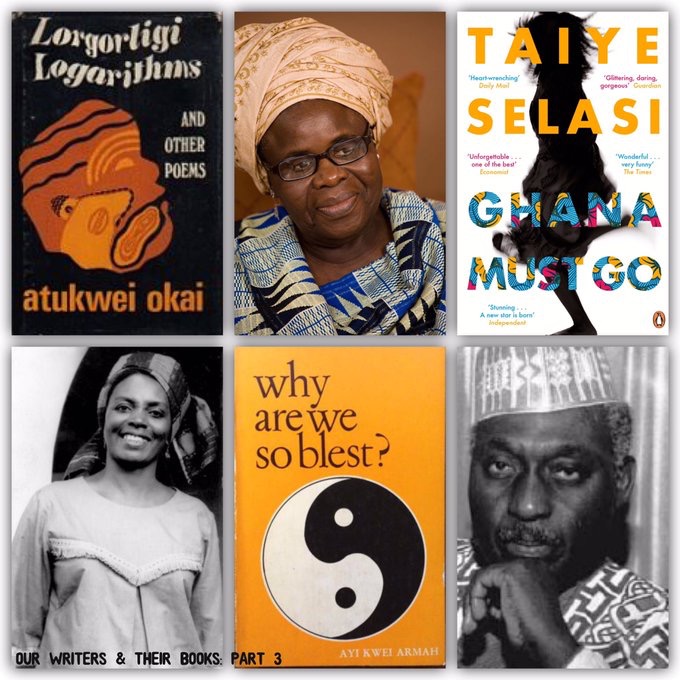
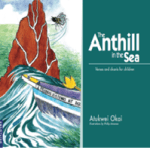
AHA: I think it was The Anthill in the Sea, an illustrated poetry book by Atukwei Okai. I donโ€™t even remember how old I was. Maybe seven. I loved it.

On the future of Ghanaian literature, there is so much potential and possibility brimming, which I find really exciting. I think the work the Writers Project of Ghana is doing is commendable and writers such as Ruby Goka, Nana Awere Damoah, Mohammed Naseehu Ali, Nana Ekua Brew-Hammond, Nii Ayikwei Parkes, Boakyewaa Glover give me hope for our generation of writers. What we desperately need are publishing houses with serious distribution networks.

(all these Ghanaian writers were featured in the #GHat60 3-part series, last year)


  • What have you been reading and loving lately? And who are some of your favorite Black writers and influencers of your work?

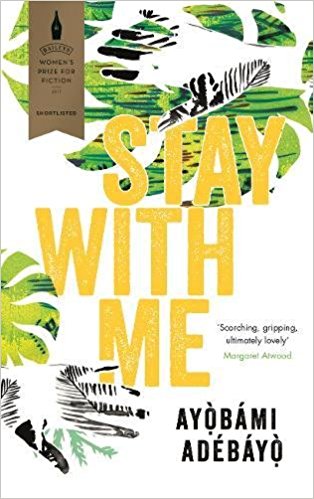
AHA: After almost a year and a half of new mummy duties, I have started reading again. Since January, I have read Akwaeke Emezi, JJ Bola, Ayobami Adebayo, all debut novelists and I have loved all their books.

I devour work by Toni Morrison, Alice Walker, Bessie Head, Ama Ata Aidoo, Lucille Clifton, and of course, Ayi Kwei Armah, who gave me the push I needed to write my first novel.


  • Finally, why would you like readers to indulge in your forthcoming, The Hundred Wells of Salaga? What would you like us to take away from the story?

AHA: The involvement of Africans in the slave trade is a part of history that I feel hasnโ€™t been confronted or dealt with enough. There were entire villages built in rocks to prevent slave raiders from attacking. It was a traumatic moment we suffered on the continent, and if trauma isnโ€™t healed it manifests itself in disease, passiveness, self-harmโ€ฆ The list is endless. My impression is that most African countries do not want to deal with this past. Just recently, the world learned of slave auctions in Libya. I was ashamed and appalled that Ghanaians and Nigerians were involved, once again as middlemen. I hope that this book will wake us up to the role that we played in the slave trade, and begin us on the path of forgiveness and healing.

Pre-order The Hundred Wells of Salaga on Amazon

Check out my thoughts on Ayesha Harruna Attah’s novels:

Harmattan Rain  |  Saturday’s Shadows


Check out the 75 Ghanaian writers that were highlighted in last year’s 3-part series below:

LIT LINKS Mร‰LANGE V

Hey everyone!

I hope the month of February is treating everyone well. Over the weeks, Iโ€™ve been consuming great literature gems online. Below is a compilation of some of the LIT links I highly recommend you indulge in:


Raised by a single, independent mother, one young woman struggles with her familial inheritance and the relationship between self-sufficiency and social isolation.

(Image via Longreads viaย Klaus Vedfelt/Getty)

This isn’t the first time I’m mentioning Zoรซ’s name on this platform. In previous LIT Links posts, I highlighted her short story-ย Safe House, which wasย featured in AFREADA two years ago; she was also among the 75 Ghanaian writers highlighted in the GH at 60 | Our Writers & Their Books series, back in March.

Read My Secondhand Lonely and marvel at Zoรซ’s visceral, lucid writing. I hope she blesses us with a full novel or collection of short stories in the near future! Don’t be surprised when you seeย Zoรซ Gadegbeku’s name in lights soon.


  • AFREADA’s Valentine’s Day Short Story Collectionย – In case you’ve been living under a rock, AFREADA held a Valentine’s Day short story competition, where writers could submitย love/romance-related stories for a chance to winย ยฃ100! The competition is over now – as Valentine’s Day has passed (check out the winning story – HERE), but a bunch of the stories have been compiled into an ebook! Check out the breathtaking stories, for free – HERE.


  • Oldie but Goodie: Book review – African Love Stories: An Anthology edited by Ama Ata Aidoo. We’re still in the month of love! Two years ago, I reviewed this wonderful anthology on love stories, which was published in 2006. I gave the book 5 stars and encourage everyone to enjoy some love stories once in a while!


  • ย Market FiftyFour is a new platform that publishes and markets affordable audio and e-books in African languages! Marthe van der Wolf andย Melat G. Nigussie who are both Ethiopian, run Market FiftyFour.

Their first publication is entitled –ย Sheekadii Noloshayadaย (in English –ย The Story of Us), which is a a collection of short stories published in Somali byย Hanna Ali. I recently had the opportunity to read the English version of the collection by Ali and I’m excited to review it soon. I look forward to the future projectsย Market FiftyFour will be publishing and hope more stories are from the Horn of Africa are published, as stories from that region of the continent aren’t really popular in the mainstream literary sphere!

(Image via Market FiftyFour)


  • Listen to episode 14 of The Sankofa Book Club, where I was joined Co-founder – Akua, to discussed their December book – Questions For Ada by Ijeoma Umebinyuo. The Sankofa Book Club was featured on this platform last year, and it’s still a popular post!

I had lots of fun recording with Akua over the Christmas break on this phenomenal poetry collection. I’ve spoken ad nauseam about this collection as it was the BEST book I read in 2017. If you’re still wondering whether you should purchase Questions For Ada, what are you waiting for? Enjoy the episode!

https://soundcloud.com/the-sankofa-book-club/014-questions-for-ada-ft-darkowaa-adu-kofi


  • Libros Agency is an online bookstore and publishing agency based in Kenya, founded by Giovanni Patrick and Carly Gilbert. The aim of Libros Agency is ‘to have the unheard and unread stories of talented authors in the hands of ย yearning readers.’ They have a good selection of books in their online bookstore, which delivers books digitally. Check them out if you want to enjoy the unread stories of talented writers!

(Image via Libros Agency)


  • ย I hopeย Black History Month has been inspiring so far!ย If youโ€™re active on social media (Twitterย &ย Instagram), definitely follow the annualย #ReadSoulLitย photoย challenge which was curated by Didi ofย Brown Girl Readingย 4 years ago,ย with the aim of encouraging the love of books by African-American authors.

Check out Didi’s interview with Leslie Reese of blog –ย Folklore & Literacy, and read on how theย #ReadSoulLit photo challenge begun and why it’s important. Its not too late to join the photo challenge- it’s running till the end of Black History Month!


ยทยทยทยทยท

Check out:

LIT Links Mรฉlange I |ย LIT Links Mรฉlange II

LIT Links Mรฉlange III |ย LIT Links Mรฉlange IV

2018 NEW RELEASES TO ANTICIPATE!

Happy New Year, everyone!

What books are you excited to read this year? Below are 56 new African, African-American and Caribbean books that look very promising. This is just a snippet of the books 2018 has to offer!

Please click on the images to read the blurbs and/or to purchase the books.

(this post contains Amazon affiliate links)

MORE books to look out for in 2018:

Image via Nylon

Well-Read Black Girl: Finding Our Stories, Discovering Ourselves

Yes! Glory Edim, aka – Well-Read Black Girl, is working on an anthology that will feature black women writers like – Zinzi Clemons, Nicole Dennis-Benn, Marita Golden, and Tayari Jones as they highlight the first time they saw themselves represented in literature. To be published by Random House.


Image via Simon & Schuster

I first encountered Bahamian writer – Janice Lynn Mather’s writing in the 2014 anthology, Pepperpot: Best New Stories From The Caribbean. Her short story- ‘Mango Summer’ was such a poetic, gentle and innocent tale on sisterhood and loneliness; with the abundance of mangoes being a humorous distraction to the heartfelt tale.

I loved her writing in ‘Mango Summer’ and eagerly look forward to this debut! To be published by Simon & Schuster, June 2018.


Image via Reader’s Digest 

She Would Be King by Wayรฉtu Moore

Wayรฉtu Moore is a writer of Liberian heritage and is the founder of One Moore Book, which is a children’s book publishing company that focuses on providing culturally sensitive and educational stories for children living in regions with low literacy rates and underrepresented cultures. Her debut – She Would Be King, reimagines the dramatic story of Liberiaโ€™s early years through three characters who share an uncommon bond. I can’t wait for the book cover to be revealed soon!! To be published by Graywolf Press, September 2018.


Image via Anissa Photography 

On The Come Up by Angie Thomas

If you loved The Hate You Give, you’ll probably love Angie Thomas’ second novel – On The Come Up! I hope the book cover is revealed soon. To be published by Balzer + Bray, May 2018.


Image via Ibi Zoboi

Pride by Ibi Zoboi

Haitian writer – Ibi Zoboi’s second novel, Pride is a love story inspired by Jane Austen’s Pride and Prejudice, set in Bushwick (Brooklyn, NY). To be published by Balzer + Bray, September 2018.


What new releases are you excited about? Please do share!

2017 Recap & My Top 5!

Hey everyone!

I hope the holiday season has been relaxing for you all. 2017 is almost over and itโ€™s time for a recap of the year! I ended up reading 28 books this year. The break down of my 2017 reading experience is as follows:

Average books read per month: 2 books 

Anthologies read: 3 books

Audiobooks ‘read’: 3 books

African literature: 10 books

Caribbean literature: 4 books

African-American literature: 13 books

Others: 1 book (this is a non-African/non-Diaspora book. Written by Cheryl Strayed).

20 women writers 5 men writers


Top 5 favorite books of 2017

  1. Questions for Ada by Ijeoma Umebinyuo
  2. Our Sister Killjoy by Ama Ata Aidoo
  3. Born On A Tuesday by Elnathan John
  4. Houseboy by Ferdinand Oyono
  5. Now We Will Be Happy by Amina Gautier

These were the most insightful, affirming and enjoyable books for me this year! School/life has been quite hectic this year, so I’m behind on book reviews. Expect the remaining book reviews in 2018, but in the meantime, I HIGHLY recommend these 5 books!

Reviews for books read this year are in the Book Reviews section of the book blog.

What were your top 5 favorite books of 2017?


Favorite bookish events / images of the year:


African Book Addict! FEATURES:

It’s been both overwhelming and exciting being recognized for all the hard work that goes into creating content for this book blog. Book blogging here at African Book Addict! is purely a hobby (as I’m currently a 4th year Dental Student – its a 6 year program), so receiving recognition and praise is always affirming and such a blessing.

Below is a list of the features and recognitions African Book Addict! has gained this year:

Also, special thanks to the authors who’ve contacted me to show their appreciation for reviews of their books that have been posted on this platform and/or AFREADA.

Image via novelscript Instagram stories


2017 Reading Intentions round up:

At the beginning of the year, I set 3 reading intentions. But I don’t think I’ve successfully achieved them all…

  • My first reading intention was to READ MY OWN DAMN BOOKS. Only 9 of the books I read this year had been on my bookshelf for a while. The rest of the books I’ve enjoyed were acquired THIS year! Is it possible for a moody book lover to restrict him/herself to just the books sitting on one’s bookshelf? It’s tough y’all!


  • The second reading intention was to PURCHASE LESS books this year. Well… I ended up purchasing about 30 books (discounted/ used books – chill out!) over the summer and many, many more for friends & family as gifts. I might have jinxed myself by setting this goal/intention for myself!  *shrug*


  • Lastly, I set out to buddy-read some novels with other book bloggers/ book lovers. I successfully read Behold The Dreamers with Ifeyinwa Arinze and we had a great conversation on the book as well! I had planned to read books with other bloggers – Osondu (of Incessant Scribble), Didi (of Brown Girl Reading) and Afoma (of Afoma Umesi). Osondu and I weren’t excited about the book we set out to read, so our buddy-read was unsuccessful; Didi and I were to read a debut that a writer had sent us – but we couldn’t get passed the first 50 pages, so we quit; Afoma and I also tried to read an ARC together this month, but the book is super slow… maybe we’ll continue to read it together in the new year. Buddy-reading has been challenging! I think I’ll talk more about this in the new year.

Were you able to achieve some of your 2017 Reading Intentions? 

[Donโ€™t beat yourself up if you werenโ€™t able to โ€“ its definitely not that serious and you can still achieve them in 2018!]

Total books read in 2017

Iโ€™m TRULY grateful to everyone who frequents this book blog and for the great discussions (agreements, disagreements and recommendations) we have in the comments section. I always appreciate the support and love shown here, from you all. This year, Iโ€™ve enjoyed discovering new book blogs, book lovers & Bookstagram accounts (Book Instagram) and I hope to connect with more in the future! Hereโ€™s to more great years of reading ahead, for all of us. ๐Ÿ™‚  


2017 Christmas Wish list

Hey everyone!

Christmas is right around the corner and I honestly have no business buying any new books, anytime soon! But a simple wish list wonโ€™t hurt, would it? Below are books Iโ€™d love Santa to drop into my imaginary Christmas stockings:

(not in order of preference; click titles to read the blurbs on Goodreads)

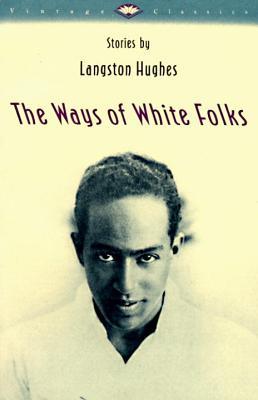
The Ways of White Folks by Langston Hughes

It’s been a while since I indulged in some Langston Hughes. The last time I enjoyed his work (poetry/ stories) was 5 years ago in college, for the myriad of American Studies, African American History and African American Literature classes I was taking. This short story collection is set in the 1920โ€™s and 30โ€™s โ€“ so you can be assured it explores racial tension between black and white folk and possibly tension within the black community. Is it me, or does Mr. Hughes look super hot on the book cover? I want it!


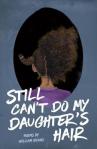
Still Can’t Do My Daughter’s Hair by William Evans

I never knew this collection even existed! I discovered this poetry collection and the author thanks to Black Book Quotes Bookstagram account, where Leila highlights a huge array of books by Black writers. How adorable is the cover art?! In this collection, Evans explores masculinity, fatherhood, family, and what it means to make a home as a black man in America today. Since this book is about 96 pages, I could easily read it via my Kindle app, but the cover art makes me want to buy the physical copy! It deserves a spot in my bookshelf.


Always Another Country: A Memoir of Exile and Home by Sisonke Msimang

If youโ€™ve read All your faves are problematic: A brief history of Chimamanda Ngozi Adichie, stanning and the trap of #blackgirlmagic via Africa Is A Country, Iโ€™m sure youโ€™d want to indulge in more of Msimang’s lucid writing. Jonathan Ball Publishers in South Africa released this memoir back in October of this year. Unfortunately, Sisonke Msimang hasnโ€™t sold the book rights outside South Africa yet, so its unavailable online at the moment. In Always Another Country, Msimang takes readers from Zambia to Kenya, Canada, the US and South Africa as she reflects on childhood jealousies, adult passions, motherhood and โ€˜what it means to be born into a life scored by history.โ€™ I want this book in my hands!


The House of Hunger by Dambudzo Marechera

The House of Hunger has been on my TBR for about 3 years. All the readers I know whoโ€™ve indulged in Marecheraโ€™s work claim him as an ultimate favorite. This novella portrays life in a Zimbabwean township and explores the lives of families living in black urban areas. Some readers have described this novella as โ€˜a masterpieceโ€™ and โ€˜one of the greatest Zimbabwean novels of our timeโ€™ while using words like โ€˜brutalโ€™, โ€˜sharpโ€™, โ€˜disturbingโ€™, โ€˜sublimeโ€™ to describe Marecheraโ€™s writing. I want to see/read what Iโ€™ve been missing out on! I hope to read this at some point in 2018.


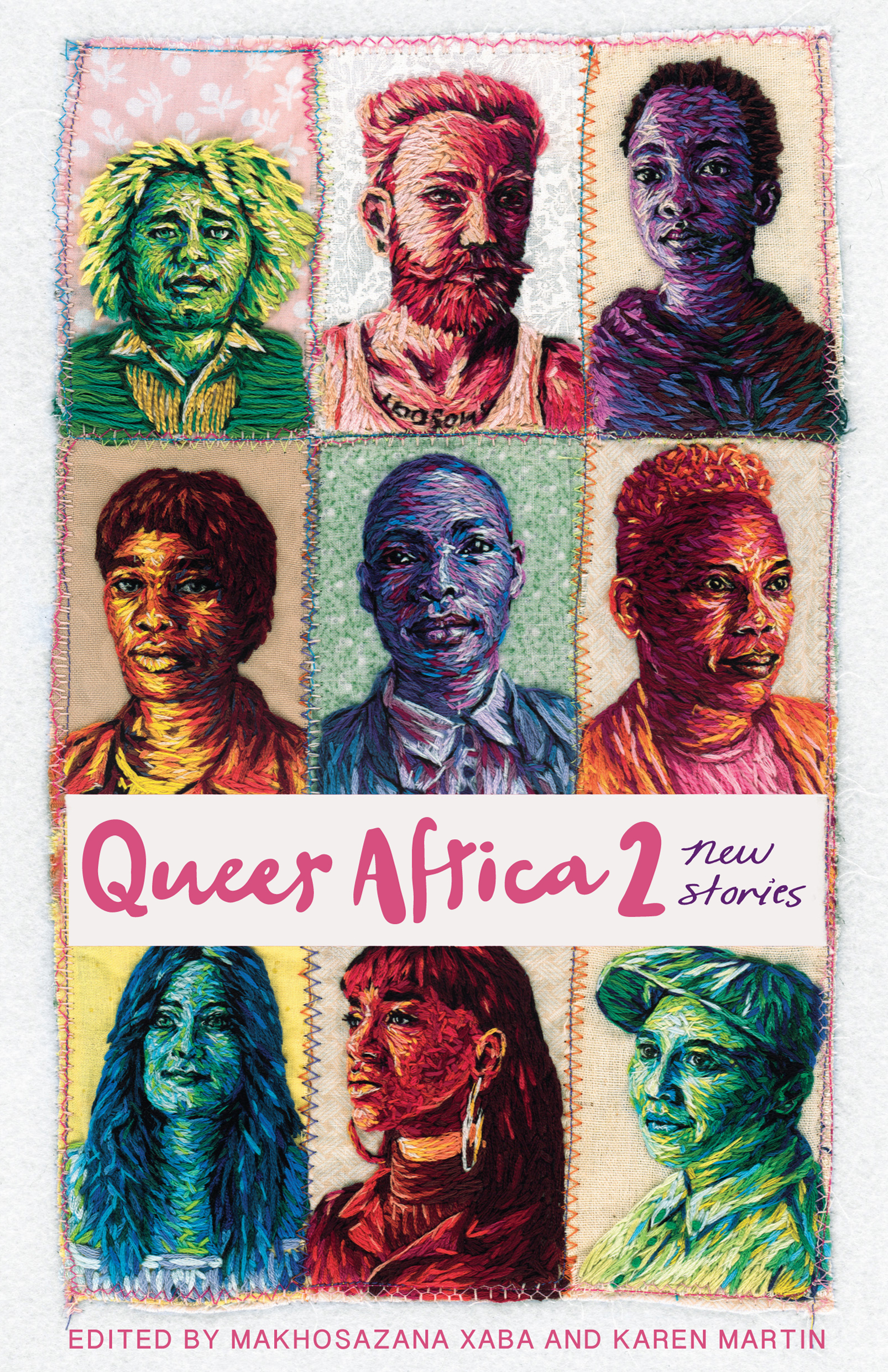
Queer Africa 2 edited by Makhosazana Xaba and Karen Martin

This anthology (pub. 2017) is the sequel to Queer Africa: New and Collected Fiction which found great success back in 2013. It consists of 25 stories by writers from Kenya, Nigeria, Rwanda, Sierra Leone, Somalia, South Africa, Uganda. The stories touch on โ€œdesire, disruption and dreams; others on longing, lust and love – a range of human emotions abound in lives of Africans and those of the Diaspora who identify variously along the long and fluid line of the sexuality, gender and sexual orientation spectrum in the African continent.โ€ I absolutely love the colorful needlework on the book cover! Last time I checked, this anthology was quite pricey. I hope my local library gets this book soon so I can experience the stories.


Black Cool: One Thousand Streams of Blackness edited by Rebecca Walker

Whether you like it or not, BLACK people have defined what it means to be cool โ€“ worldwide. Black Cool, which is edited by well-known feminist – Rebecca Walker (Alice Walker’s daughter), explores the emergence of black cool, through essays by Mat Johnson, bell hooks, Margo Jefferson and more. Henry Louis Gates forwards the anthology with historical context, where he connects past African elements to the current concepts of โ€˜coolโ€™. I’m mostly curious to know how the writers articulate the thousand streams of our blackness. Blackness embodies so many shades, cultures, countries, customs, beliefs. Blackness is surely NOT a monolith!


What books are on your Christmas wish list? Please share some titles!

Happy Holidays & Merry Christmas, everyone!

โ€ข Check out the 2016 Christmas wish list

Book Chat | On Being ‘Well Read’ (part 2)

Welcome back to Part 2 โ€“ the final installment of this book chat!

โ€ขโ€ขโ€ข

When you hear the words – ‘well read’, what comes to mind? What does it mean to be ‘well read’?

From my observations over the years, I realized being ‘well read’ was synonymous with being knowledgable in the ‘Classics’ – which typically comprise the works of English writers like William Shakespeare, Charles Dickens, Jane Austen,ย Joseph Conrad, Charlotteย Brontรซ ; American writers like John Steinbeck, Harper Lee, Louisa May Alcott, Mark Twain, J.D. Salinger, F. Scott Fitzgerald ; Canadian writers like Margaret Atwoodโ€Ž, Lucy Maud Montgomery and a myriad of other books by WHITE writers.

Image via Arao Ameny’s Instagram

The concept of being ‘well read’ is very subjective and personal. In my opinion, there’s more to being ‘well read’ than being well-versed in the work of white writers or books we were forced to read in English Literature class.

I wanted to know how other readers defined being ‘well read’, so I asked some of my favorite readers and writers I follow and interact with via Twitter, Goodreads and Instagram. In this book chat, three of my favorite readers and writers will enlighten us on what it means to be ‘well read’, with some recommendations on which authors and/or books we should indulge in to be considered ‘well read’, per their views on the concept.

Enjoy!


Efo Dela is a book lover I frequently see at book readings and other bookish events here in Accra. He’s an avid reader and writesย poetryย as well. I always look forward to reading Efo’s (funny) opinions on Twitter, so I just had to include him in this conversation. Check out what being ‘well read’ means to him:

  • What does being โ€˜well readโ€™ mean to you?ย 

Being well read means being able to enjoy a wide spectrum of writing genres. For me good writing is good writing it doesn’t matter the genre. I will read it. I’ve found myself reading academic work unrelated to what I do just because the writing is good. I don’t know if it’s because I have an interest in many topics that I read so wide or if I have an interest in many things because I read wide.

  • Which books and/or authors should be on our reading lists, given your take on what it means to be โ€˜well readโ€™?

Born a Crime – Trevor Noah

Akata Witch – Nnedi Okarafor

Prey – Michael Crichton

The Last Day – Glenn Kleier

Teaching My Mother How to Give Birth – Warsan Shire

A Song of Ice and Fire (6 books) – George RR Martin

The Three-Body Problem – Cixin Liu

Go Tell it on the Mountain – James Baldwin

Ghana (the autobiography of Kwame Nkrumah) – Kwame Nkrumah

Catch 22 – Joseph Heller


Zaynab has a way of making reading look so sexy, via her photographs on Instagram, where she goes by – @bookminimalist.ย Zaynab, who is based in Nigeria, is a passionate reader and a popular Bookstagrammer (which is the Bookish community of Instagram) who promotes African literature through her photos and fearless commentary on the books she showcases. Check out her views on the concept of being ‘well read’:

  • What does being โ€˜well readโ€™ mean to you?

What it means to be well-read? Well read? I have to be honest this question gave me sleepless nights.

The week you sent the question I wrote: “it meant reading all genres; science fiction, romance, speculative fiction, etc. Reading your favourite genre alone or classics alone doesn’t make you a Well-read person.” ย I just realised how naive this answer was days later.

And then I swapped it to, Well-read means reading books from all corners of the world. North Africa, Indian Ocean African Islands, Middle East, reading books published in every region in the world. And this sounded too pompous, and very bombastic. Does this mean someone who lives in a village in Nigeria who doesn’t have access to some of these books is not well read?

And then minutes ago, it changed to reading at least 10 books on the ‘100 books you should read before you die’ list. Haha.

Now writing this, I suddenly had an epiphany, being well read should not only be about the number of books, or how many translated works you have read (even though I think this is important too), being well read is reading at a level in which you digest and absorb what youโ€™re reading and are able to incorporate it into your life. Reading in such a way that allows you to think and converse about the human experience intelligently.

Being well read means becoming a better human being from something you have read from Toni Morrison, from an anecdote you saw in Wole Soyinka’s book. Speaking out against corruption, bad governance after reading Achebe, realising your silence in the face of evil is cooperating with evil itself after reading Baldwin.

Speaking out against sexual assault, racism, after drowning yourself in Angelou. Ranting against those who kill intellectuals and writers after reading a Sontag. Speaking up for women who are hated by their community and families after read a Flora Nwapa.ย  Speaking up for children who lost their innocence after reading a Danticat.

Being well read means reading thoughtfully, by engaging with the world, breaking away from horrendous tradition and questioning dreadful established ideas.

This is what being well read means to me.

  • Which books and/or authors should be on our reading lists, given your take on what it means to be โ€˜well readโ€™?

I have more than 50 Books I have enjoyed reading this year but I am going toย mention the ones written by African women on this list (because they don’t get hyped enough):

Theย Kindness of Enemies by Leila Aboulela, Longthroat Memoirs,ย by Yemisi Aribisala, The Woman Next Door by Yewande Omotoso, Butterfly Fish by Irenosen Okojie and Kintu by Jennifer Makumbi.


Bwesigyeย Bwa Mwesigire is a powerhouse. I first encountered Bwesigye last year when I was in correspondence with him as theย Editorial and Partnerships Director for the Writivism Festival (a Kampala-based initiative that promotes African Literature). Since then,ย I always look forward to his passionate threads on Twitterย which mostly aim to decolonize the mind. He’s currently a graduate student of English Language and Literature at Cornell University. Enjoy his thoughts on the concept of being ‘well read’:

  • What does being โ€˜well readโ€™ mean to you?

This is a very hard question. It is hard because the response speaks volumes about the person answering it, than it does about anyone else, or about the idea of reading itself. Because I am a graduate student of English Language and Literature, this question is even more difficult to answer. Do I want to expose myself this way? While we were being told about preparing for our PhD Qualifying Exam, one of the three exams an English student does before they graduate, our instructor encouraged us to select books that make one sound ridiculous if they are English grads and have not read them.

We went through a confession moment where some members of our class mentioned the books they are embarrassed to say they havenโ€™t read because it is expected that everyone has read those books. You get the picture. If you are an English Major, or grad, surely, you have read Shakespeare, right? That type of thing. The greatest books. To use a more academic term, the canonical texts from various periods.

These books permeate the English language itself. New words have been created from them. There is another word I learnt late in life, and I canโ€™t pronounce with my Rukiga inflected accent. The word is โ€˜zeitgeistโ€™. The books that capture the โ€˜defining spirit or mood of a particular period of historyโ€™ are what some versions of well read expect one to have read. I am not a fan of English Literature in that way. In the way it is used as the standard, given its history of not only exclusion, but active dehumanisation and destruction of other ways of being, other literatures, other cultures.

Because in secondary school, when I studied Literature in English, we were forced to read Charles Dickens, the Bronte sisters, RL Stevenson, DH Lawrence, Jane Austen, Robert Bolt, Arthur Miller, Ernest Hemingway, and all those types of people, my experience of their work has become one of resentment. I after all attended secondary school in Uganda, a country that celebrates having attained independence in 1962 but still holds onto these colonial notions of what it means to be โ€˜well readโ€™.

Operating in what Mukoma wa Ngugi has called the โ€˜English metaphysical empireโ€™, where the language and the world it makes possible in oneโ€™s imagination, means that one canโ€™t run away from these writers, their books and their influence. The Strange Case of Jekyll and Hyde shows up in conversation as something whose meaning everyone listening, knows. And so, if one does not, they have to Google to understand it. To the colonised, in the metaphysical sense, familiarity with the English canon is one way to understand what it means to be โ€˜well readโ€™. Because most spaces in which we operate, (speaking from my position as an aspiring academic whose dominant language of engagement is English), are yet to be decolonised, it means that however much one hates the ways in which one experiences the English canon as violence, one canโ€™t wish away the fact that it is what dominates as the idea of being โ€˜well readโ€™. So in one way, the idea of being โ€˜well readโ€™ and what it instantly means is something I experience as violence.

Despite my positioning in the imperial and colonial structure that defines being โ€˜well readโ€™ in a Eurocentric and limited way, I am interested in small acts of subversion. Your question about what being โ€˜well readโ€™ means to me is an important subversive act because it centres me, as the one determining what being well read means. I am currently torn between an anti colonial approach and something else, for which I am still figuring out ways to define.

So, on one hand I will say, that for me being โ€˜well readโ€™ means being well versed with an alternative, a subversive archive. This anti colonial approach unfortunately focuses unduly on responding and countering the Eurocentric colonial and imperial framework. And so, being well read here would mean being familiar with the works of resistance to colonialism. This somewhat implies being familiar with the colonial archive to begin with. The binarism. To know black, you must know white, because black is the negation of white, type of thing (thank you Fanon for the language).

I am still thinking about a radical decentering of Europe and colonialism and imperialism. This would mean going beyond the resistance. The resistance is important for showing us that we matter, that we can write, that we have, and can create a counter-archive. What does it mean to be well read without the anxiety of creating a counter archive? What does the counter archive become when it is no longer countering the Eurocentric colonial and imperial archive? How would I understand being โ€˜well readโ€™ in that space where I am the centre and not necessarily the opposite of. What would being well read mean, in that space? I have no answer right now. Ultimately, being well read depends on how one is reading. What they are reading, may be not much as how they are reading. I mean, in 2017: some people read Conrad and miss all the colonial and imperialist bullshit in his work, so go figure.

  • Which books and/or authors should be on our reading lists, given your take on what it means to be โ€˜well readโ€™?

Jennifer Makumbiโ€™s Kintu. Kintu is important because it is the book and Makumbi, is the author that has pushed me into imagining what it could mean to centre ourselves in our work without an anxiety to write back to empire. What about our own worlds? What is there in our own worlds? Kintu is one clear example of an imagination that ultimately pays due homage to those who resisted and built a counter archive but is continuing from where they stopped by centering an archive that sees ourselves without reducing us to countering Europe.

Panashe Chigumadziโ€™s work, the non fiction and post Sweet Medicine fiction – (look out for her forthcoming books, arenโ€™t I privileged to have had a look at both), also take me to that world. Some of the essays in the non fiction book have been published online, and Small Deaths, a short story from the forthcoming fiction book was published in Transition. Panashe, perhaps, more than Makumbi acknowledges and deals head on with Imperialism and its continued violence, but from a centre where we are the subject, and without the anxieties of building a counter archive. In the new archive that was yesterdayโ€™s counter, and todayโ€™s centre, Panasheโ€™s work reminds us of the need to continue resisting an imperialism that mutates.

Everything bell hooks. I do not have to give reasons why. Do I?

And Audre Lorde. I know I also do not have to give reasons, just as bell hooks above.

I follow most of the people whose thoughts give me life and some of these arenโ€™t necessarily contained in books, but some are, people like Grace Musila, people like Dina Ligaga, people like Caroline Mose, people like Wandia Njoya, people like Mshai Mwangola, people like Keguro Macharia, and I just now realised all these are Kenyan, so I guess, follow the Kenyan public intellectuals of today, the ones who are on Twitter.


Special thanks to Leslie Reese, David DaCosta, Zahrah Nesbitt-Ahmed, Zaynab, Efo Dela & Bwesigye for taking the time to engage with us in this book chat series. It’s been enlightening! THANK YOU ๐Ÿ™‚

Book Chat | On being ‘well read’ (part 1)

Hey everyone!

When you hear the words – ‘well read’, what comes to mind? What does it mean to be ‘well read’?

From my observations over the years, I realized being ‘well read’ was synonymous with being knowledgable in the ‘Classics’ – which typically comprise of the works of English writers like William Shakespeare, Charles Dickens, Jane Austen,ย Joseph Conrad, Charlotteย Brontรซ ; American writers like John Steinbeck, Harper Lee, Louisa May Alcott, Mark Twain, J.D. Salinger, F. Scott Fitzgerald ; Canadian writers like Margaret Atwoodโ€Ž, Lucy Maud Montgomery and a myriad of other books by WHITE writers.

Image via Arao Ameny’s Instagram

The concept of being ‘well read’ is very subjective and personal. In my opinion, there’s more to being ‘well read’ than being well-versed in the work of white writers or books we were forced to read in English Literature class.

I was curious to find out how other readers defined being ‘well read’, so I asked some of my favorite readers and writers I follow and interact with via Twitter, Goodreads and Instagram. In this book chat, three of my favorite readers and writers will enlighten us on what it means to be ‘well read’, with some recommendations on which authors and/or books we should indulge in to be considered ‘well read’, per their views on the concept.

Enjoy!


Zahrah Nesbitt-Ahmed is an African book lover who’s the creator behind the blog –ย Bookshy, where she’s been blogging about African literature since 2011. Her wonderfulย African Book Covers (ABC) Tumblr page, which celebrates African book cover art inspired my book covers showcase here at African Book Addict! Check out her thoughts on being ‘well read’:

  • What does being โ€˜well readโ€™ mean to you?
The first word that popped into my head when I read the question was ‘informed’, then I thought ‘very informed’, but that word (like ‘well read’) can take on many different meanings.

By ‘informed’ I mean that the reader knows a lot about many things because they have been able to read a lot.

Similar to a well-travelled person, who has been to way too many places. In that sense, a well-read person has read way too many books and so is informed by so many things.

That was my initial thought.

As I kept on thinking, I felt that ‘well read’ is pretty subjective. How many books does it take to become well read? Also, you might be well-read in one particular genre, but not in every single genre ever.

You might be well-read in your field of research. For example, ask me about gender and urbanisation or about paid domestic work and I’ll probably be able to list the key authors and what their arguments are. Ask me about contemporary African literature (in English) and I would like to think I’d able to hold my own with other ‘well-read’ African lit readers. Ask me about Literature from Ethiopia in Amharic (don’t bother), about anything IT or tech-related (seriously, don’t bother).

So, I wouldn’t take well-read purely as the number of books you’ve read since you started reading. I would take it as being very informed as a result of the number of books you’ve read. I also wouldn’t necessarily see well read as being well read in one genre, but being well read across a range: say, fiction, history, non-fiction, art etc.

Although I try not to be prescriptive as to what that entails, a lot of the ‘well-read’ people I know have read the classics, read a lot of non-fiction, as well as newspapers and magazines, and a variety of fiction.

  • Which books and/or authors should be on our reading lists, given your take on what it means to be โ€˜well readโ€™?

Tough and I wouldn’t even know which 5 to select, but I would definitely include Buchi Emecheta on my list and bell hooks. Currently reading Zora Neale Hurston’s “Their Eyes Were Watching God” so would include that. Sylvia Tamale’s “African Sexualities: A Reader”. My list could go on and on. So I’ll leave it at 4 and leave the 5th one blank – as there are many possibilities.


David DaCosta is a Goodreads friend and author who’s views I admire. Since 2002, he’s written an autobiography, two novellas set in Jamaica, a book of poetry, and is currently working on his debut novel. Whenever I’m looking for my next read by a Caribbean writer, I usually like to pick books that DaCosta has reviewed on Goodreads. I appreciate his critical book reviews and hope you all enjoy his thoughts on the concept of being ‘well read’:

  • What does being โ€˜well readโ€™ mean to you?

โ€˜Well readโ€™ encompasses the spectrum of various mediums of writing, whether literary, newspaper, magazine etc.

  • Which books and/or authors should be on our reading lists, given your take on what it means to be โ€˜well readโ€™?

As a person who has alternated between living in Jamaica and Toronto for decades now, I have a natural leaning toward Caribbean literature. Earl Lovelace is the greatest author the Caribbean has produced. โ€œThe Dragon Canโ€™t Danceโ€ and โ€œThe Wine of Astonishmentโ€ are masterpieces. Trinidad & Tobago holds Earl Lovelace in high esteem, as they should.

Haitians should hoist Edwidge Danticat high on their shoulders. Her output over the past decade has been stellar. โ€œCreate Dangerouslyโ€ and โ€œClaire of the Sea Lightโ€ are both first-rate contributions to the literary world, each representing the best in fiction and nonfiction. Danticatโ€™s latest offering โ€œThe Art of Deathโ€ further exemplifies her significant talents.

Octavia E. Butler is the definition of genius. Iโ€™ve had the privilege of reading five selections of her work (Xenogenesis trilogy, โ€œParable of the Sowerโ€ and โ€œFledglingโ€). The common thread that connects them all is a frighteningly authentic sense of realism. As an author, she really takes you there with well researched narratives and immaculate character development. It always amazes me how a black woman became the greatest author in a white dominated genre like Science Fiction. May she rest in peace.

Iโ€™ve read my share of works by African authors, mostly Nigerian. “Kehinde” by Buchi Emecheta remains my favorite. The novel truly represents female empowerment in its purest form. Having been raised by a strong woman, I gravitated to this particular protagonistโ€™s character arc. I literally just learned that Miss Emecheta passed away earlier this year. May you rest peacefully my sister.

Iโ€™d be remiss If I didnโ€™t make mention of author Uwem Akpan. I stumbled across his powerful collection of stories from the continent one day in 2008 while perusing the โ€˜Recommendedโ€™ shelf at a local library in Toronto. โ€œSay Youโ€™re One of Themโ€ stared back at me, daring me to pick it up. Taking its challenge, I did so, studying the front and back covers and eventually checking the book out. Once I began reading, I was hooked. The fact that it explored various countries throughout Africa made it all the more engaging. I canโ€™t say enough about the exceptional level of writing contained within. Oprah eventually introduced the book to the world by making it an official Book club selection the following year.


Leslie Reese is the curator of the blog – Folklore & Literacy, where she muses on reading, writing, people, and culture. I enjoy Leslie’s thoughtful pieces as well as her love of literature and occasional book reviews that go beyond the books and storylines, but delve into her past experiences, her skilled photography, her appreciation for first edition book covers and artwork. Leslie is also a loyal visitor and commenter here onย African Book Addict! which I deeply appreciate!ย Check out her thoughts on being ‘well read’:

  • What does being โ€˜well readโ€™ mean to you?ย 

I kind of love this question, and I would probably answer it differently for ever year of my reading life! ย Today, Iโ€™m going to say that being well-read means having an insatiable appetite for reading books that:

(1) nourish my imagination and spirit and tickle my โ€œfunny bone;โ€

(2) challenge me, that teach me things, and make me feel compassion for myself and others;

(3) make me feel connected to my ancestors, as well as connected to people with whom I never expected to share an affinity;

(4) inspire me to be more of myself;

(5) make me feel awestruck/ โ€œblow my mind!โ€

  • Which books and/or authors should be on our reading lists, given your take on what it means to be โ€˜well readโ€™?

The only way I can not be overwhelmed trying to answer this question is to select a sampling of works that made me feel awestruck/โ€œblew my mind!โ€ on my first encounter, and continue to feel fresh and striking anytime I open their pages to read from them, again. ย ย 

Sula by Toni Morrison

One Hundred Years of Solitude by Gabriel Garcia Marquez

I Love Myself When I Am Laughing and Then Again When I Am Looking Mean and Impressive (A Zora Neale Hurston Reader) edited by Alice Walker

The Collected Poetry of Aimรฉ Cรฉsaire translated and with notes by Clayton Eshleman and Annette Smith

A Peopleโ€™s History of the United States 1492 – present by Howard Zinn (1999 edition)

Art on My Mind by bell hooks

The Book of Embraces by Eduardo Galeano

The Warmth of Other Suns by Isabel Wilkerson

What does being ‘well read’ mean to YOU?