Long time, no blog! (more on that at the end of the blog post)
I never thought I’d ever make a blog post on books written by my own friends. Since 2014, I’ve been blogging about books written by Black authors I either have para-social relationships with online, or who are acquaintances. This year, three of my Ghanaian friends published their debuts, and I couldn’t be more proud of them!
#ReadGhanaian🇬🇭
The Kelewele Connection by Kwatemaa Tweneboah
Synopsis
What starts out as a quick trip to the kelewele joint on campus, leads two kelewele lovers to discover a connection like no other.
Afriyie just wanted to get some kelewele to munch while she enjoyed a movie in her room but is disappointed when she doesn’t get the exact kind she loves. Her disappointment turns into a pleasant impromptu ‘date’ with the guy who offers to share the last bit of kelewele he bought.
Nana Yaw never shares his kelewele. Never. So when he catches himself offering to do just that with the cute girl he’s been spying for the past few weeks, he knows this is a connection he cannot ignore.
They don’t have much time till Afriyie has to go back to resume her studies in Edinburgh but the connection they share is too strong to ignore. Will their brief time together be all they have or will their instant spark turn into something long-lasting?
One of my favorite and smartest bookish friends – Abena Kwatemaa Karikari, (or better known as @BookwormInGH on her Bookstagram and Booktube channel) wrote a book with one of her good friends – Nana Adwoa Tweneboah Amponsah-Mensah. Their joint pen name is Kwatemaa Tweneboah. These two friends love reading and writing romance and also co-host a bookish romance podcast called 2 Hearts In A Pod.
Even though Abena and Nana Adwoa separately have their work published in a number of anthologies, The Kelewele Connection is their debut self-published novel under their joint pen name. Not only will readers of romance love this book, but I have a feeling food lovers (especially plantain/kelewele lovers) will enjoying reading this novel as well!
Kwatemaa Tweneboah (Nana Adwoa on the left & Abena Kwatemaa on the right) on a panel at Pa Gya! discussing their debut, in October
The book cover is very endearing – the natural hair, the skin tones of the characters and even the bowl of spiced plantain. I’m sure Kwatemaa Tweneboah have more books up their sleeve, waiting to be published. In fact, they have a Christmas novelette in the works called A Kelewele Christmas! Stay tuned!
A story about God, a spear and an angel’s thirst for unruly power.
Not forgetting, the return of Earth’s greatest saviour.
Head to the first page and I’ll meet you inside.
I normally do not review or highlight religious novels – mostly because I know people of ALL religions read this book blog. No discrimination here. But I would be remiss if I didn’t highlight God’s Spear by my good friend, Jeffrey Bones. I had the privilege of reading the book back in April of this year, when it was in its final editing stages.
Jeffrey Bones at his book launch in September
Without giving away any spoilers, God’s Spear is a 60 page graphic novel that follows an angel’s quest for power via a spear. I enjoyed the dialogue between the characters, as well as the gradual rise of suspense towards the end. The writing is pretty descriptive, which allows readers to use their imagination to visualize the text and interpret the storyline through their own understanding.
God’s Spear is suitable for readers of all ages; readers who appreciate animation would especially love the illustrations in the book! As with any graphic novel, the illustrations pleasantly augment the reading experience, as we actually get a glimpse into Jeffrey Bones’ (and the illustrator’s) vision for the characters we experience.
Purchase God’s Spear by contacting Jeffrey Bones for a copy
No One Dies Yet by Kobby Ben Ben
Synopsis
A genre-breaking novel from a powerful new African voice.
2019. The Year of the Return. It has been exactly 400 years since the first slave ships left Ghana for America. Ghana has now opened its doors to Black diasporans, encouraging them to return and get to know the land of their ancestors.
Elton, Vincent, and Scott arrive from America to visit preserved sites from the transatlantic slave route, and to explore the country’s underground queer scene. Their activities are narrated by their two combative guides: Kobby, their guide to Accra’s privileged circles; and Nana, the voice of tradition and religious principle.
The pair’s tense relationship sets the tone for what becomes a shocking and unsettling tale of murder that is at times funny, at times erotic, yet always outspoken and iconoclast.
Last but not least, No One Dies Yet was published in August via Europa Editions. This book has been featured in so many of my ‘New Books to Anticipate‘ posts, so we are all elated that it’s finally out in the world! It will be published in the US in February of 2024.
No One Does Yet is a big book (over 380 pages) that’s basically the embodiment of Kobby’s complex, inspiring mind. Trust and believe that as soon as I finish this book, the review will be up. From my discussions with Kobby on the inspiration behind the book, one of the ideas behind the novel is slightly akin to an article another friend of mine wrote during Ghana’s Year of Return celebrations, in 2020.
Me and Kobby with an ARC of his book, back in January
African Book Addict will be 10 years old in 2024! Time flies. I plan on setting up a series of posts and (maybe) events to celebrate the 10 years. Stay tuned (and keep your fingers crossed because [traditional] blogging is quite challenging nowadays).
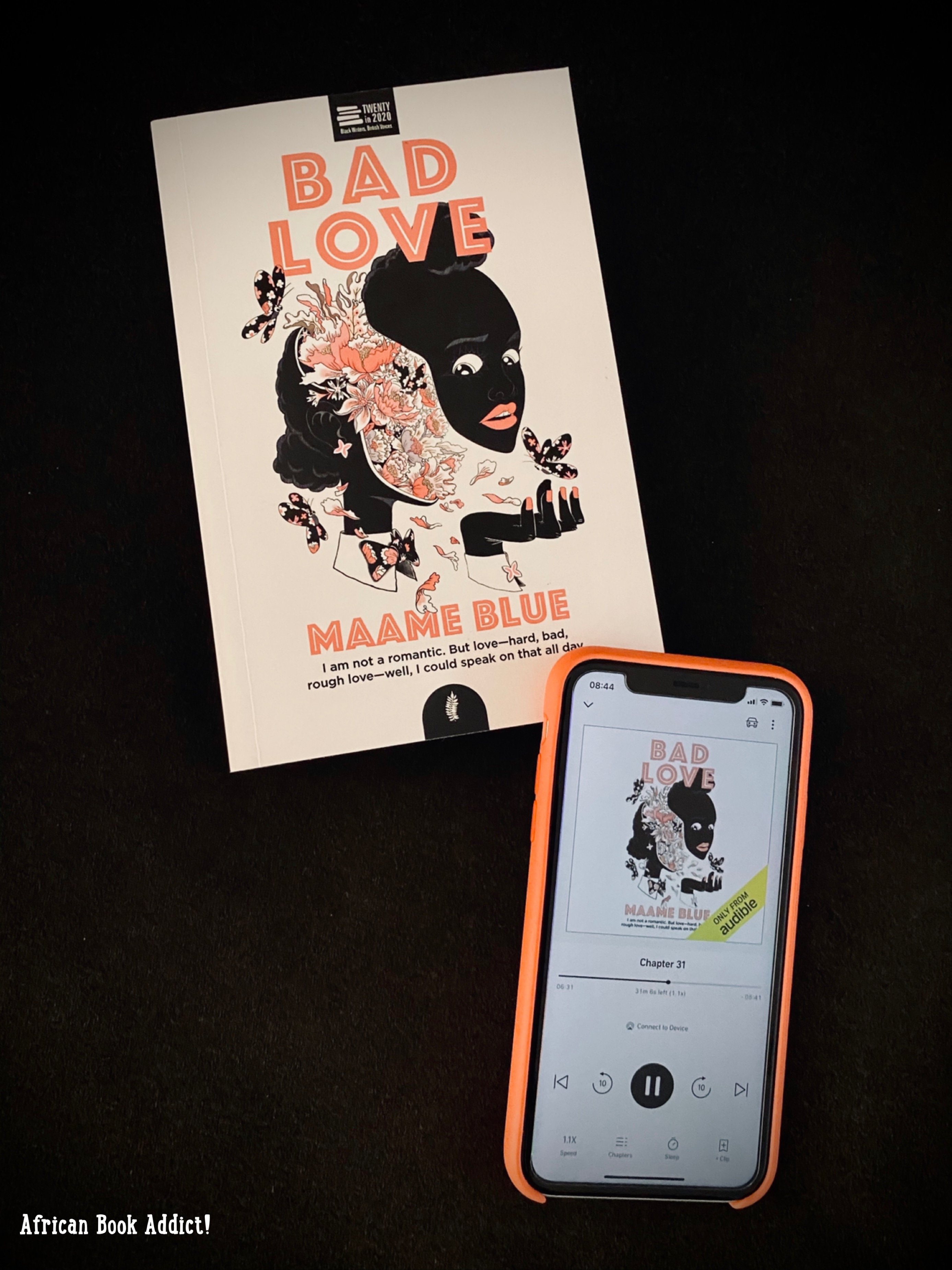
#TwentyIn2020Bad Love is the story of London-born Ghanaian Ekuah Danquah and her tumultuous experience with first love. Marked by this experience, she finds herself at a crossroads – can she fall in love again, or does the siren song of her first love still call?
Against a backdrop of enigmatic nights scattered with spoken-word poetry in London, Venice, Accra and Paris, Ekuah tries to reconcile her personal journey with the love she struggles with for Dee Emeka, a gifted musician who is both passionate and aloof in his treatment of Ekuah.After 18 months together, he disappears from her life, confirming her worst fears about the unstable foundation of their relationship. She attempts to graduate university whilst retreating into herself, searching for new validations and preoccupations from heartbreak.
Life marches on and Ekuah finds personal fulfillment in her poetry and community work. But when she must choose between her first love and the promise of a new, unexpected love, in the form of Jay Stanley, can she handle the vulnerability and forgiveness required? Grappling with her examples of love, Ekuah must forge her own path. With an increasingly successful career, she finds herself travelling around the world. When her rise intersects with Dee’s own fame, the two are pushed to reach a final resolution.
◊◊
Review – ★★★ (3 stars)
In case you’ve been living under a rock, Twenty in 2020 is a collaboration between Jacaranda Books and Words of Color, where they dedicate this year to publishing 20 works by Black British writers. The works include adult fiction, non-fiction and poetry. The aim of this trailblazing program is to normalize the presence of diverse literature, characters and authors across all genres and curricula, with the hope that it will be a source of inspiration for a new generation of publishing professionals and authors. Maame Blue’s debut was among the 20 works published by Jacaranda Books, back in June of this year.
Bad Love is more of a 3.5 stars rating (out of 5), for sure! I double-fisted this debut by listening to the book via Audible alongside reading the paperback, which I recently purchased. I really enjoyed the audio narration of this book! The narrator – Vivienne Acheampong, did a superb job. Maame Blue is a stellar writer and I must say – I enjoyed how smooth and lucid the writing was in this novel.
Black Brits – especially Ghanaian-British readers would appreciate this story, as there are nuances only they can fully grasp within the novel. Since I was a child born and partially raised in the Diaspora, I appreciated these nuances – for example, being raised by Ghanaian parents outside of Ghana; going to Ghanaian restaurants in the West and realizing that bad (rude) customer service is one of our trademarks; constantly grappling with double identities; viewing the world through double lenses, etc. At this novel’s core, Bad Love is a coming-of-age cum love story. At the periphery, the story delves into family, marriage, same-sex love and travel. The latter themes intrigued me most.
I’m not really a fan of the romance genre, especially involving young characters. A part of me felt annoyed by Ekuah’s ‘situationships’, her misplaced priorities and her need to feel wanted. Ekuah’s entanglements with Dee and Jay definitely felt real, but were cliché (and slightly triggering!) and I was not moved by their shenanigans. In fact, I actually really disliked those two male characters – especially Dee. Maame Blue’s mastery in her development of these characters allowed me to have strong emotions towards them, which is telling. Perhaps readers aged 17-26 would be more into Ekuah’s love entanglements. However, while reading, a part of me felt compassion for Ekuah, as I journeyed with her into adulthood. She’s just your typical university student finding her way through life while trying to not lose herself in ‘bad love’.
Bad Love takes readers from London to Venice, Paris to Accra, and back to London. I enjoyed being in different settings with Ekuah – descriptions of places and happenings in Italy and Accra were palpable and made me miss spoken word/literary events and musical concerts during this pandemic.
There are quite a number of characters to keep track of in the novel, and I was very much entertained by Ekuah’s parents and their marriage. Ekuah’s Dad in particular was such a different character. What a man! I wonder what a character like Okonkwo from Chinua Achebe’s Things Fall Apartwould think of him! Ekuah’s Dad was the complete opposite of the African hyper-masculine stereotype that I’m so used to reading about in literature. Without giving too much away, the evolution of Ekuah’s parents’ marriage was fascinating and I loved the trajectory of that relationship, as it was sooo unexpected.
Overall, the title ‘Bad Love’ may have readers expecting a story laden with sour happenings, but this isn’t the case at all. Bad Love is an entertaining coming-of-age story that follows Ekuah into slowly realizing that she is her own best thing.
P.S: I’ll be hosting a GIVEAWAY for Bad Love + other goodies, kind courtesy of Maame Blue over on Bookstagram – Monday November 30th to December 4th. Be sure to enter the giveaway at @africanbookaddict on Monday! It’s open to all readers on the African continent. All the details will be posted on African Book Addict!‘s Bookstagram.
Lastly, if you’re still wondering whether you should indulge in Maame Blue’s writing, definitely read her 2018 award-winning short story, entitled – Black Sky. This is probably the 5th time I’m referencing this short story on this book blog. Read it oh!
It’s been a very trying time, worldwide. I hope everyone is staying (home) safe and not allowing COVID-19 to get us down. Hopefully, all this chaos will subside sooner than later – let’s stay positive!
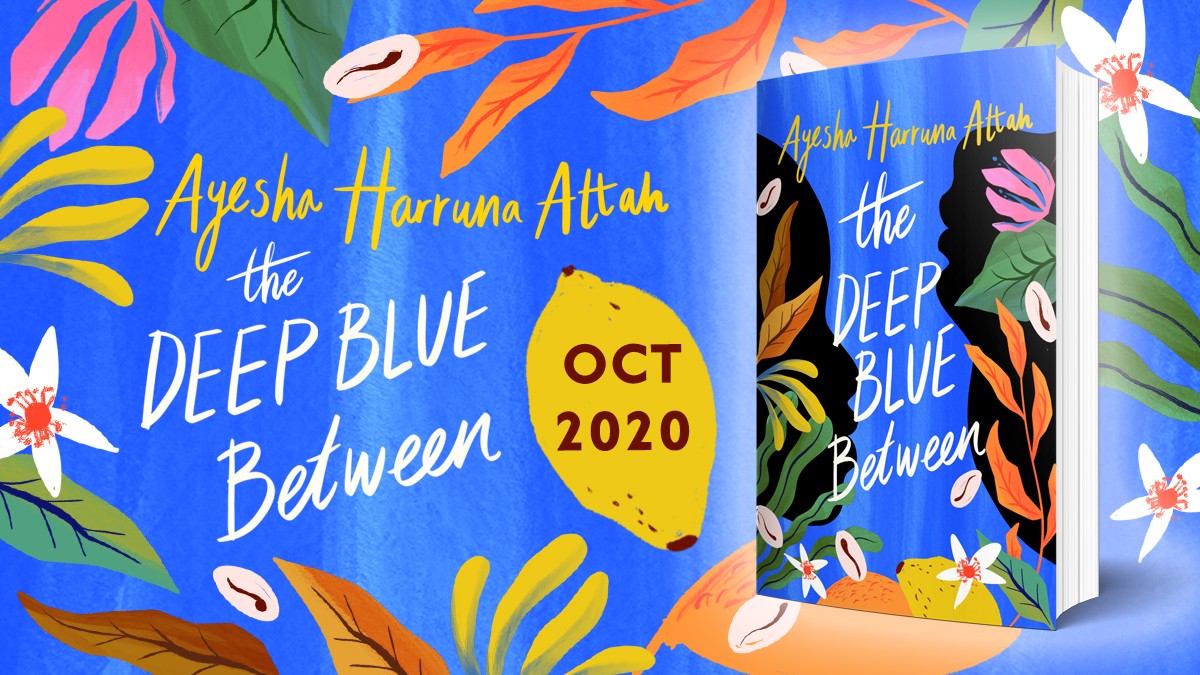
Anyone who frequents this book blog knows I admire the work of Ghanaian writer, Ayesha Harruna Attah. I’ve read (and reviewed) all of her books and I just really resonate with her writing – the subject matter, the writing style, the character-driven plots etc. In my annual post on New Books To Anticipate this year, I mentioned that she would be releasing a YA novel. Today, we are revealing the book cover of this new novel – The Deep Blue Between, which will be published by Pushkin Press in October 2020!
••
Check out the synopsis for The Deep Blue Between below:
A sudden, brutal slave raid tears twins Hassana and Vitória apart, taking them far away from each other. Hassana goes to Accra, where she builds a new family and finds a place for herself in the political world; Vitória goes to Salvador, Bahia where she lives and works with a Priestess, worshipping the gods of the motherland.
But no matter the different obstacles and adventures they encounter, the sisters never forget one another. They remain bound together by their dreams, and slowly their fates begin to draw them back together.
Rich in historical detail, this epic, moving novel evokes a time of great change in West Africa, when slavery has been abolished but colonialism is taking hold, through the lives of two bold young women who are shaping their changing society.
A TEEN FEMINIST EPIC OF LOVE, COURAGE AND DETERMINATION
I connected with Ayesha for some insight into The Deep Blue Between. Enjoy our short book chat below, where she talks about the inspiration for her forthcoming novel and gives us a sneak-peek into the main characters!
The Deep Blue Between is your 4th forthcoming novel, congratulations on this achievement! The book cover is so vibrant and glorious. It feels like yesterday that your 3rd novel, The Hundred Wells of Salaga was published. What was your inspiration for this new novel and how long did it take you to write?
AHA: Thank you! The Hundred Wells of Salaga was the direct inspiration for The Deep Blue Between. This new novel follows twins Hassana and Vitória after they are separated in a human caravan – the same one which sent Aminah to Kintampo and then on to Salaga. Hassana and Vitória are Aminah’s little sisters! After writing The Hundred Wells of Salaga, I couldn’t let go of the girls and had to find out what happened next. Since I knew the sisters well – or at least what they were like at age nine – the story poured out of me and I was able to complete a first draft of the book in five months.
From my knowledge of your previous novels, this is your first book in the (Young Adult) YA genre. Did this genre affect your approach in writing The Deep Blue Between? Does writing a YA novel target a specific audience?
AHA: Yes, it is my first YA book, but in my second novel Saturday’s Shadows, Kojo, one of the four protagonists, is a teenager. I had such a good time writing his character that I was excited for the chance to do so again, even if this time I was working with teenagers living in the 19th century. I let the girls guide me and just wrote the story. It was in rewriting that I started worrying about which parts might have been a stretch for a young adult reader.
Even though I wanted to write a book that teenage Ayesha would have loved to get lost in, I also know that when done well, even adults love YA!
What was the best part about writing Hassana and Vitória’s dynamic?
AHA: I think it was the magic of their journeys. It almost felt as if I were a medium. All I had to do was allow my senses to be open to let their stories in. I also especially loved researching the worlds of Accra, Lagos, and Bahia in the 1890s.
While reading Harmattan Rain, I saw bits of my life reflected in Sugri’s character and in The Hundred Wells of Salaga, Wurche’s character traits mirrored some of mine. How much of your personal life is seeped into The Deep Blue Between?
AHA: My family is filled with twins, so I tried to tap into that energy to write The Deep Blue Between; even my last name – Attah – means twin. Although Hassana and Vitória are so different, it’s inevitable that they both have parts of me. While I probably identify more with Vitória’s introversion, some of Hassana’s compulsions are totally mine!
Why would you like readers to indulge in your forthcoming, The Deep Blue Between? What would you like us to take away from the story?
AHA: I really enjoyed working on The Deep Blue Between and I hope the reader feels that sense of joy and wonder that kept me going as I wrote. It’s a fantastic story about the connection between people, and the unseen things that are at work in this strange world of ours – the strength of community and the power of dreams.
Special thanks to Elise Jackson, Poppy Stimpson (of Pushkin Press) + the rest of the team at Pushkin Press and Ayesha Harruna Attah for this wonderful Cover Reveal collaboration!
Hello everyone! How is the #ReadGhanaian🇬🇭 book challenge going? The year isn’t over yet!
So far I’ve only read 3 out of the 5 books for the challenge. I’m currently a final year dental student and it’s been a struggle to find time to read recently, but I am determined to complete the book challenge. I’m currently reading Tampered Press Vol. 2 – Braided Quilt. This edition of the magazine features many more stories by young Ghanaian writers, which are excellent so far.
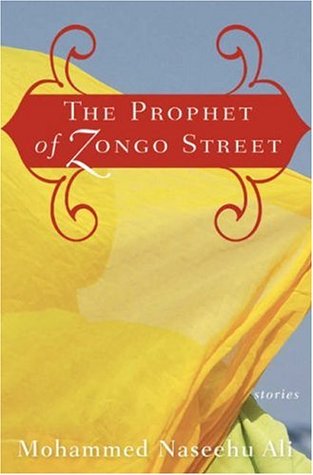
On my #ReadGhanaian🇬🇭 TBR, I want to read Black Gold of The Sun by Ekow Eshun, From Pasta to Pigfootby Frances Mensah-Williams and complete The Prophet of Zongo Street by Mohammed Naseehu Ali. This is an ambitious TBR if I’m being honest, but I will complete this challenge oh!
My artist brother – AduKofs, created a cool template for the #ReadGhanaian🇬🇭 book challenge! To those who are unfamiliar, templates are pretty popular on Instagram/ Bookstagram. This template is to help those participating in the book challenge to track the books they’ve read thus far.
Share the books you’ve read by posting the filled-in template on your Instagram stories or Facebook and Twitter for others to see which books they are missing out on! Including the hashtag also helps others see what books by writers of Ghanaian descent are out there! If you are not active on social media, you can print out this template and simply record the books you have read or plan to read for the book challenge.
Last month, the Malala Fund featured African Book Addict! and the #ReadGhanaian🇬🇭 book challenge on their digital publication and newsletter – Assembly. It was such an honor to shed light on this book challenge with Malala’s audience! Do check out the feature if you have time. Thanks again to the Malala Fund Assembly team!
Please note: These recommendations are not exhaustive by any means! The book challenge includes even reading short stories/non-fiction by writers of Ghanaian descent in anthologies, magazines, cookbooks, poems etc.
What books have you read thus far for the #ReadGhanaian🇬🇭 book challenge? Please share some of your reads!
Once again, the month of March is here! Ghana gained independence in March (TODAY, March 6th 1957), so I like to dedicate this month to celebrating Ghanaian excellence! As a reader of Ghanaian heritage, I enjoy discovering new Ghanaian writers and learning about our pioneer writers. If we don’t celebrate our own, who will?
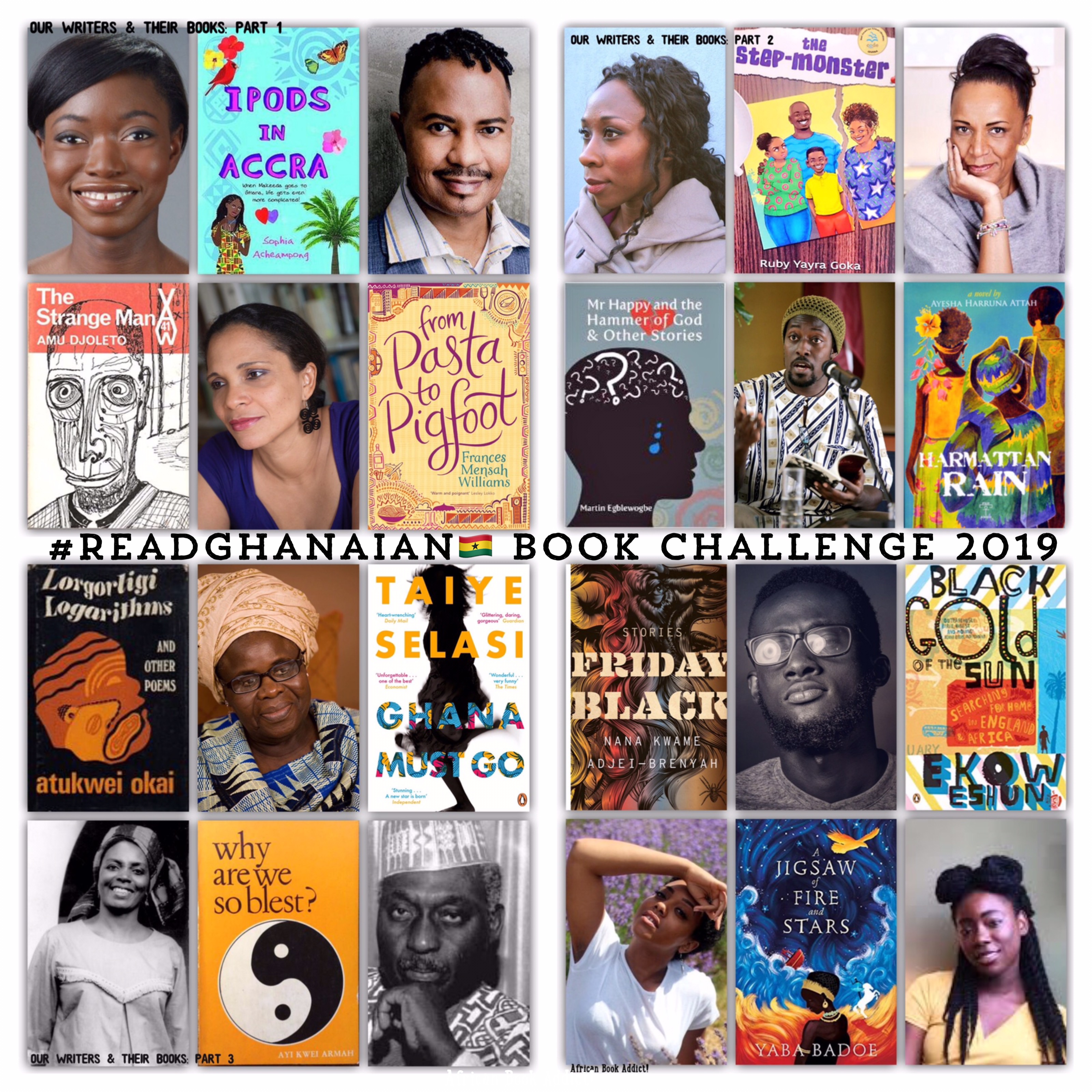
The #ReadGhanaian🇬🇭 book challenge is well underway and it’s great to see lots of folks participating in the challenge of reading at least 5 books by writers of Ghanaian descent! Below is a mini collage showing a snippet of some of the Ghanaian books and writers highlighted two years ago in the GH at 60 | Our Writers & Their Books series ~
While the 3-part series is not exhaustive by any means, it highlights over 80 Ghanaian writers & their books! With the plethora of Ghanaian writers and books highlighted in the series, there is no excuse if anyone claims they don’t know (m)any writers from Ghana!
Below are lit(erature) links I’ve been enjoying lately. These are links to some great short stories, poems and articles on the interwebs, showcasing Ghanaian EXCELLENCE:
Raised by a single, independent mother, one young woman struggles with her familial inheritance and the relationship between self-sufficiency and social isolation.
Instead of using the word ‘goals’, I’ll use the word ‘intentions’. Goals are focused on a specific achievement, while intentions are lived on a daily basis – which is how I intend my reading experience to be every year. My past reading intentions have been tough to adhere to, so this year I hope to set some reasonable ones.
I’ll continue to read what my mood calls for. I don’t have a set number of African, Caribbean or African-American books to read nor do I have a specific number of books written by women or men I’d like to read either. I like to track books read each year via Goodreads, so entering the Goodreads Reading Challenge helps me do that. Every year I like to declare a goal of at least 18 books as a set point, just to help me gauge my reading experience for the year. I’ll probably read a fewer number of books this year as DENTAL SCHOOL life is very real at the moment. I’ll just be going with the flow – no need to make reading stressful. Reading isn’t a race or competition – at least not for me.
Below are some intentions I’ll be considering during the year:
[Some books I plan to (re)read during the first quarter of the year]
To READ MORE GHANAIAN LITERATURE. 2 years ago during Ghana’s 60th Independence Anniversary, I showcased over 75 Ghanaian writers and their books. It was a daunting, yet fulfilling mini project that I’m very proud of! As I was researching the writers and books for the project, I realized I had read just a handful of the books highlighted.
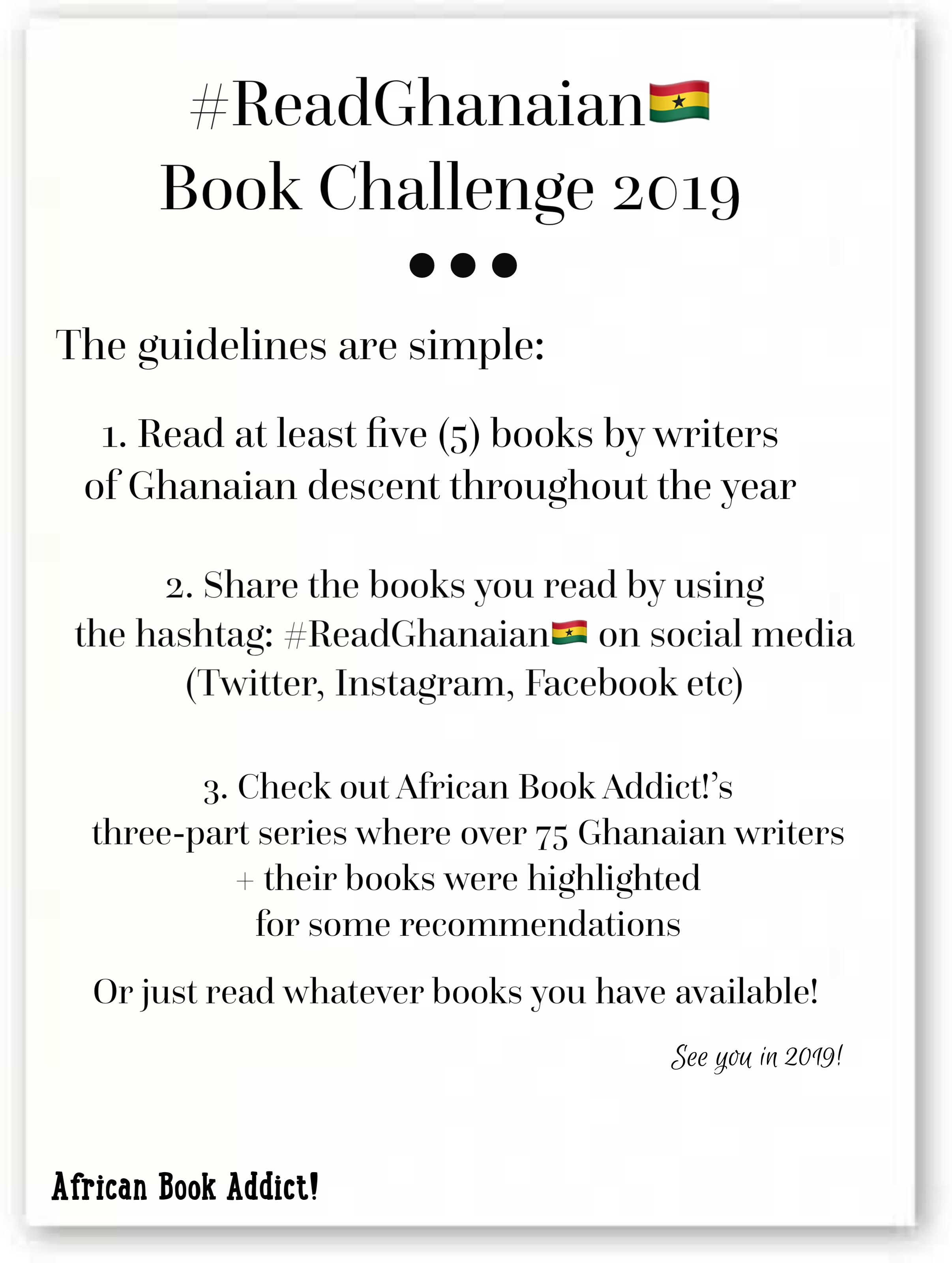
As a Ghanaian, its important for me to read and celebrate the work of writers from my homeland. I recently decided (on Twitter) to start the #ReadGhanaian Book Challenge. Ever since I announced the book challenge with the guidelines (below), many other readers seem to be participating as well! I hope to read at least 5 books by Ghanaian writers this year. Please join me in this challenge, if you can! Ghanaian literature is so underrated.
••
To RE-READ BOOKS I LOVED IN THE PAST. Some readers don’t believe in re-reading books. We live in an age where the hype of new releases makes us forget the phenomenal books of earlier years. I personally don’t think books are meant to be read and forgotten. Books should be read, meditated on and read AGAIN whenever the need arises. So this year, I want to try and re-read at least 3 books I loved in the past (that haven’t been reviewed on this platform). I’m currently re-reading Americanah. The first time I read Adichie’s masterpiece was back in 2013, in October – a whole year before the concept of African Book Addict! was even conceived. So far, this re-read is triggering, but still a glorious experience!
••
ToCATCH UP ON MY BOOK REVIEWS. I’ve incorporated interesting book chats and discussions onto this platform. I plan on continuing the book chats, but I must stay true to the essence of this book blog – which was initially (and still is) a book reviewing / book recommendations space. I have a growing backlog of book reviews from previous years that I plan on posting throughout this year.
••
To FIND TIME TO INTERACT/COMMENT ON MORE BLOGS POSTS from some of my favorite blogs. 2018 was sooo hectic for me, thanks to school. I didn’t even find the time to post a re-cap of my reading year! I follow so many brilliant blogs – Leslie’s Folklore&Literacy, Anais’s Zezee With Books, Zahrah’s Bookshy, Celestine’s Reading Pleasure, Osondu’s Incessant Scribble, Michelle’s Me, Intimately Worded, Didi’s Brown Girl Reading,Kinna Reads, Madamebibliophile, Joanne C. Hillhouse’s JHOHADLI, just to name a few! I’d really like to make a conscious effort to comment more on posts by these amazing writers/bloggers.
I think Bookstagram has been quite distracting for me. While I’ll always value excellent (book) blogs over Bookstagram (this is just my preference – don’t come for me!), it’s a bit easier interacting with other readers and posts on that platform especially since it’s photo-based with less text. Regardless, community is very important to me and I’d like to get back to interacting with other bloggers and writers on their various blogs/websites. I miss the camaraderie and recommendations (of books, TV shows, movies, podcasts) I used to receive from these interactions.
••
To LISTEN TO AT LEAST 3 AUDIOBOOKS. Back in August, I reviewed4excellent audiobooks. As an avid consumer of numerous podcasts, audiobooks – especially essay collections and non-fiction (read by the author), act as extended podcast episodes for me. I’d love to indulge in Michelle Obama’s memoir via audiobook this year, as well as two other gems. I’m open to any great recommendations!
••
To continue to READ FOR AT LEAST 40 MINUTES A DAY. I’m a 5th year dental student (I’m in a 6-year program) so my nose always has to be in a textbook, in group-study discussions or in the lab/clinic completing requirements and attending to patients. But if I’m able to continue to dedicate 40 minutes a day to just reading leisurely, I think that would keep me sane.
I have other intentions – like, collaborating with other creatives, donating to more literary causes, planning events etc. But these intentions are a bit more personal and will be shared if/when the time is right!
Here’s to a successful year of reading (with few reading slumps), for all of us!
It’s almost the end of the 1st month of 2019, have you figured out your reading intentions/goals yet? Please do share some!
Welcome back to part 3 – the final installment of the series: GH at 60 | Our Writers & Their Books.
As a person of Ghanaian heritage, I enjoy discovering new Ghanaian writers and learning about our pioneer writers. Being a lover of African literature and literature of the diaspora, I find that Ghanaian authors and their work aren’t as popular as Kenyan, South African, Nigerian or Zimbabwean literature.
GH at 60 | Our Writers & Their Books isa series thathighlights and celebrates various Ghanaian writers and their work. If we don’t celebrate our own, who will? I hope your TBR lists grow once you take the time to appreciate these writers and their work through the series. This is the final installment of the 3-part series and it’s NOT exhaustive by any means. The list is arranged in alphabetical order, of last names.
Note: Images were taken from Goodreads and the respective writers’ websites.
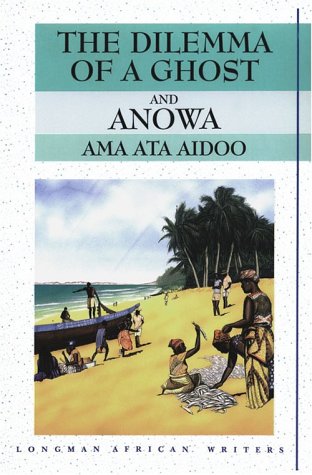
Ama Ata Aidoo
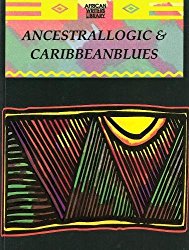
Prof. Ama Ata Aidoo is one of Africa’s foremost woman writers. She’s a feminist, poet, academic, playwright and novelist with many notable works under her belt! Her first play – The Dilemma of a Ghost was published back in 1966 and her debut novel – Our Sister Killjoy was published back in 1977. Aidoo received the Commonwealth Writers’ Prize for Best Book (Africa) for her novel entitled Changes in 1992 and she’s the author of many more poetry collections, short stories collections and plays. Her works highlight women experiences like gender and power dynamics, Western influences on African women and women protagonists defying stereotypical gender roles in family and society. On March 16th of this year, the The African University College for Communication named its new creative writing center after this phenomenal woman- Ama Ata Aidoo Center for Creative Writing.
Kofi Anyidoho
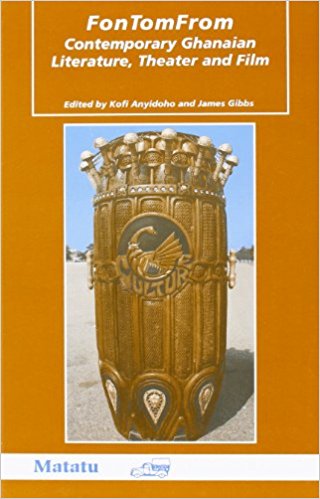
Prof. Kofi Anyidoho is a prominent Ghanaian poet, literary scholar, cultural activist and educator. He’s published 5 collections of poetry and some of these collections are accompanied with audio of the poems in Ewe – his native language. Anyidoho has won many awards for his poetry like the BBC Arts and Africa Poetry Award, Davidson Nicol prize, the Langston Hughes award, Valco Fund Literary Award among others!
Ayi Kwei Armah
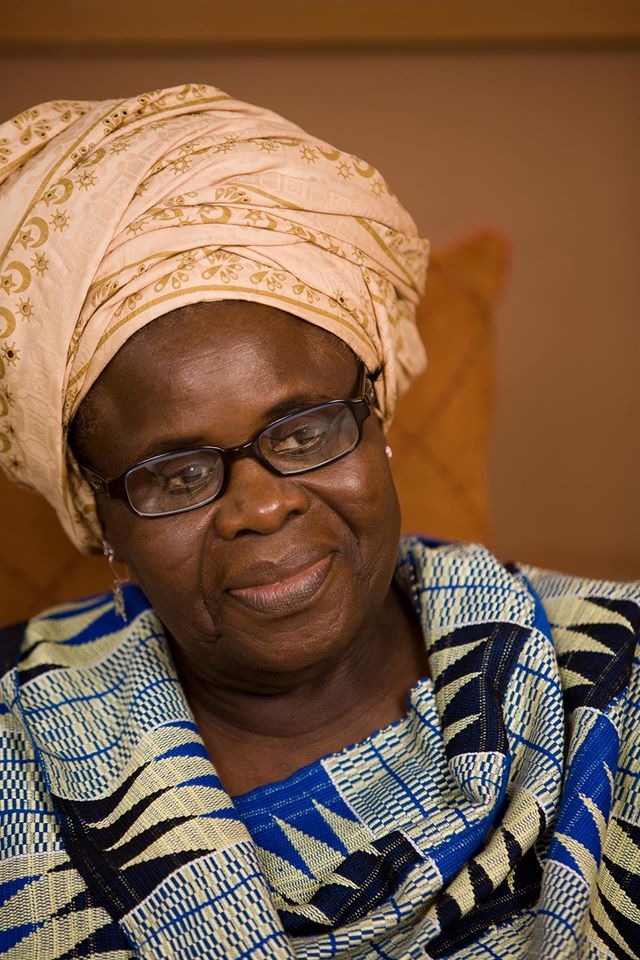
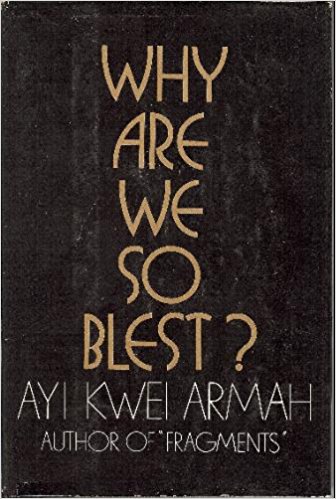
Ayi Kwei Armah is a highly acclaimed Ghanaian novelist, poet and pan-African. Armah’s work is known to critically examine moral integrity that exists between the past and present, with poetic energy. He’s best known for his debut novel – The Beautyful Ones Are Not Yet Born which was published in 1968 as well as the epic historical novel – Two Thousand Seasons (published in 1973) which received mixed reviews and actually received harsh criticism from Chinua Achebe back in 1987. Last year I attended a talk that featured Ayi Kwei Armah and Ayesha Harruna Attah (who was featured in part 2 of this series) and he discussed his latest projects in hieroglyphics.
Kofi Awoonor
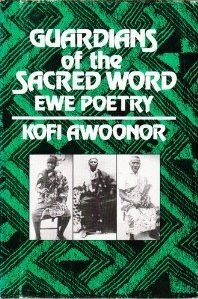
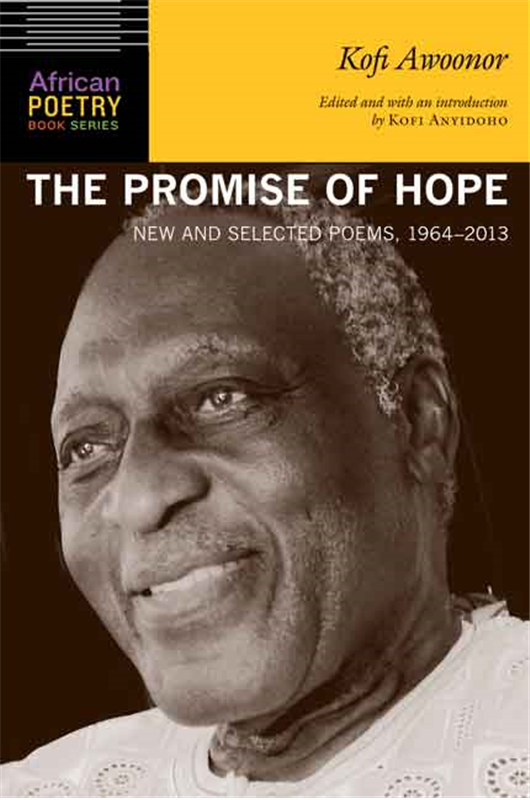
Kofi Awoonor was a phenomenal poet, literary critic and professor of comparative literature. He is the author of novels, plays, political essays, literary criticism, and several volumes of poetry like Rediscovery and Other Poems (1964), Night of My Blood (1971), The House By the Sea (1978), The Promise of Hope: New and Selected Poems (2014) just to name a few. Awoonor made it a point to bring his Ewe culture and ancestry as well as contemporary religious symbolism to depict Africa during the era of decolonization into his poems and other works. Awoonor passed away in the Westgate shopping mall attack in Kenya back in September 2013, but we (Ghanaians and other fans of his work) always make it a point to celebrate him and his great legacy during his birthday. This year on March 13th (his birthday) the hashtag – #Awoonor82 was dedicated to honoring the legend, who would have been 82 years old this year.
Joe de Graft
Joe de Graft was a well-known Ghanaian writer, poet playwright and educator. He’s best known for his play Sons and Daughters(1979) which encourages the youth to follow their dreams. He uses the play to inform Ghanaian youth that careers in medicine, business and law aren’t the only careers that lead to success and inspires them to find interest in the arts like music, dance, writing etc. De Graft is also known for his works Beneath the Jazz and Brass (1975) and Muntu (1977) and Through A Film Darkly (1979). He left a legacy with the launch of the Mfantsipim School (his alma mater) Drama festival.
Yaa Gyasi
Yaa Gyasi is a Ghanaian-American novelist who’s debut – Homegoing, has been receiving well-deserved praise ever since it was published last year. I absolutely loved Homegoing and I explain why in a personal book review I posted last year. But we’re still waiting for Yaa Gyasi to grace Accra with her presence ohhh! Hopefully she’ll plan a trip soon, so that Ghanaians can engage with her and her book at a reading.
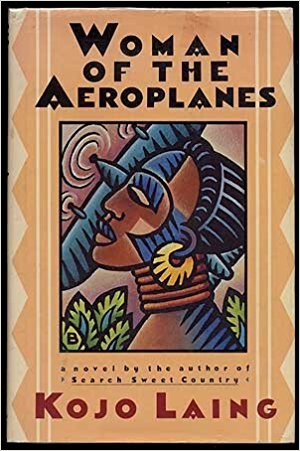
Kojo Laing
Kojo Laing is a poet, novelist and educator. Laing is the author of the novels Search Sweet Country (1986), Women of the Aeroplanes (1988), Major Gentl and the Achimota Wars (1992), Big Bishop Roko and the Altar Gangsters (2006) and the poetry collection Godhorse (1989). His poetry addresses the themes of identity and alienation while his novels combine magical realism with political commentary. Some readers have described his debut – Search Sweet Country as reading a dream with intense vivid imagery and humanization of inanimate objects. Laing’s work is an absorbing experience I hope to encounter soon when I indulge in his debut.
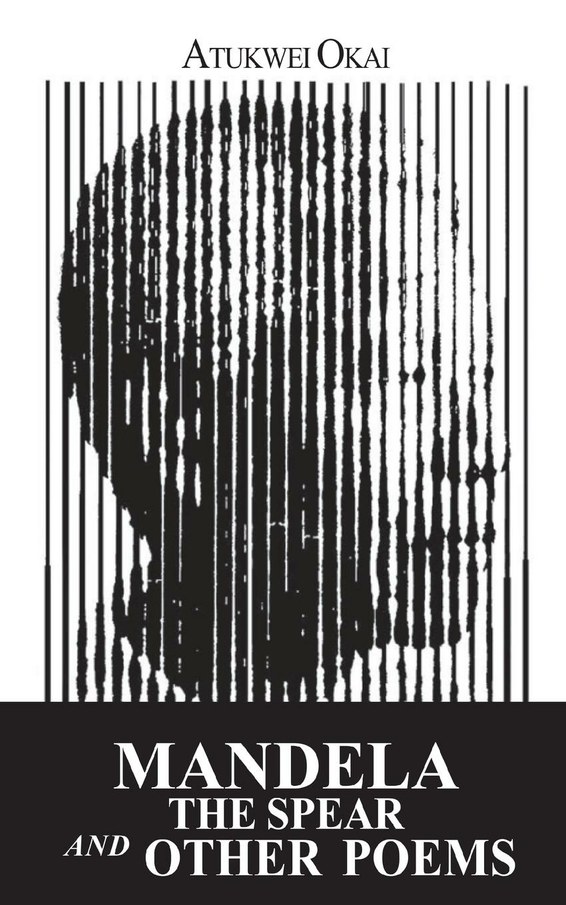
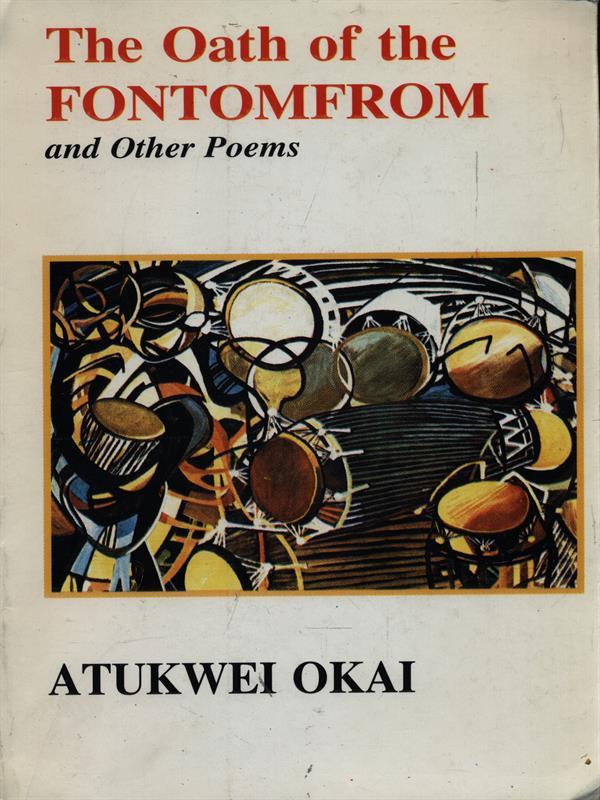
Atukwei Okai
Prof. Atukwei Okai is a prolific poet, cultural activist and academic with many accomplished works and honors. Some of his works include: Flowerfall (1969), Oath Of The Fontomfrom and Other Poems (1971), Lorgorligi: Logarithms and Other Poems (1974), Freedom Symphony: Selected and New Love Poems (2008), Mandela the Spear and Other Poems (2013) as well as children’s books like – The Anthill In the Sea: Verses and chants for children (1988), amongst others!
Taiye Selasi
Taiye Selasi is a writer and photographer of Ghanaian and Nigerian descent who popularized the term Afropolitan, thanks to her 2005 (controversial) essay – Bye-Bye, Babar. Selasi’s writing explores our relationships to our multiple identities – intersectionalities, if you will. She’s most popular for her debut novel – Ghana Must Go (2013). I particularly enjoyed her TEDGlobal talk (2014): Don’t ask where I’m from, ask where I’m a local.
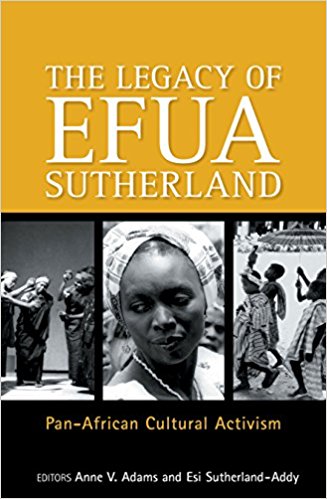
Efua Sutherland
Efua Sutherland was a phenomenal Ghanaian writer, dramatist, teacher, scholar and cultural activist. For about 40 years, she was in the forefront of literary and theatrical movements in Ghana (from the 1950’s) and was a key player in pushing African performance to the university level. She was instrumental in founding various literary establishments like Ghana Society of Writers, the literary magazine Okyeame, the Ghana Drama Studio and the W.E.B. Du Bois Memorial Center for Pan African Culture (which is still in great shape in Cantonments, Accra). She’s well known for her works: Foriwa (1962), Edufa (1967), and The Marriage of Anansewa (1975). Find out more about Sutherland at the Mmofra Foundation – where children and culture connect, for which she is the founder.
Below are some HONORARY MENTIONS comprising of both budding and established writers of Ghanaian descent who you should definitely keep an eye out for. Click on their names to check out their writing portfolios, publications and/or websites:
The end of March is finally here, so the Ghana at 60| Our Writers & Their Books series has come to an end. A TOTAL of 75 Ghanaian writers (including honorary mentions) have been highlighted, as well as some of their work. It has been a pleasure sharing with the world our accomplished Ghanaians writers.
Food for thought: While I feel much pride in highlighting our Ghanaian writers, I also worry that most Ghanaians will never get the chance to read some of these authors’ work. Books by writers of African descent are pretty scarce here in Accra – several titles are either not sold in bookstores or they are super expensive so the average Ghanaian can’t afford them. Readers living abroad can get easy access to all of the works mentioned in this series, thanks to various online bookstores and several well stocked bookstores with African/Black fiction. But how about readers living in Ghana? How can works by Ghanaian writers be accessible to everyone and at affordable prices?
With the plethora of Ghanaian writers and books highlighted in this series, there is no excuse if anyone claims they don’t know (m)any writers from Ghana! I’d love to know who I missed (there are many more writers out there!) – kindly share other writers in the comments. And be sure to share this loaded resource with others, so they can indulge in Ghanaian literature as well.
Welcome back to part 2 of the series: GH at 60 | Our Writers & Their Books.
As a person of Ghanaian heritage, I enjoy discovering new Ghanaian writers and learning about our pioneer writers. Being a lover of African literature and literature of the diaspora, I find that Ghanaian authors and their work aren’t as popular as Kenyan, South African, Nigerian or Zimbabwean literature.
GH at 60 | Our Writers & Their Books isa series thathighlights and celebrates various Ghanaian writers and their work. If we don’t celebrate our own, who will? I hope your TBR lists grow once you take the time to appreciate these writers and their work through the series. This is part 2 of a 3-part series and it’s NOT exhaustive by any means. The list is arranged in alphabetical order, of last names.
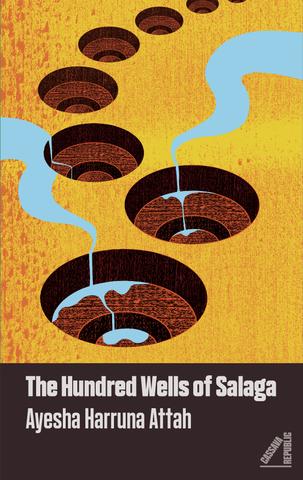
I’ve spoken a lot about Ayesha’s work and there are lots of photos from her readings on this platform. If you haven’t read Harmattan Rain (2008) or Saturday’s Shadows (2015) yet, please get on it!! I’m a huge fan of Ayesha’s work and I’m looking forward to her new novel – The Hundred Wells of Salaga to be published in 2018.
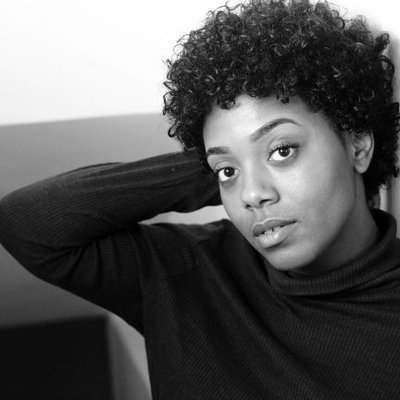
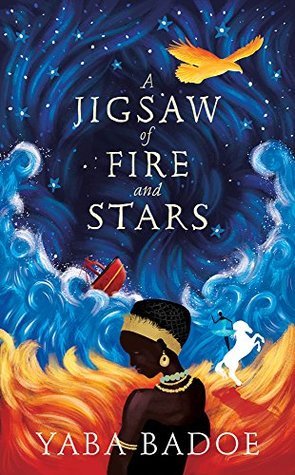
Yaba Badoe
Yaba Badoe is a Ghanaian-British filmmaker and fiction writer (and actually the aunt of one of my besties, Ashorkor). In 2014, she launched a documentary film entitled: The Art of Ama Ata Aidoo, in honor of Ama Ata Aidoo who is one of Ghana’s foremost woman writers. Yaba Badoe was a contributor to an anthology edited by Ama Ata Aidoo – African Love Storiesand her story – ‘The Rival‘was one of my favorites because it was totally absurd, but very entertaining! Her debut novel – True Murder was published back in 2009.
Yaba Blay
Dr. Yaba Blay is a Ghanaian-American professor, producer, writer and researcher. Her research is mostly centered on Black body politics with specific attention to skin color and hair. Her 2007 dissertation- Yellow Fever: Skin Bleaching and the Politics of Skin Color in Ghana, relies upon African-centered and African feminist methodologies to investigate the social practice of skin bleaching in Ghana. Her coffee table book – (1)ne Drop: Shifting the Lens on Race (2013), explores the interconnected nuances of skin color politics, Black racial identity and challenges narrow perceptions of Blackness. Blay’s commentary has been featured on CNN, BET, MSNBC, NPR, O Magazine, Ebony Magazine, The Root, just to name a few!
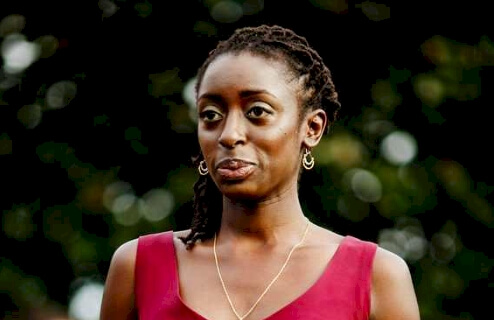
Victoria Adukwei Bulley
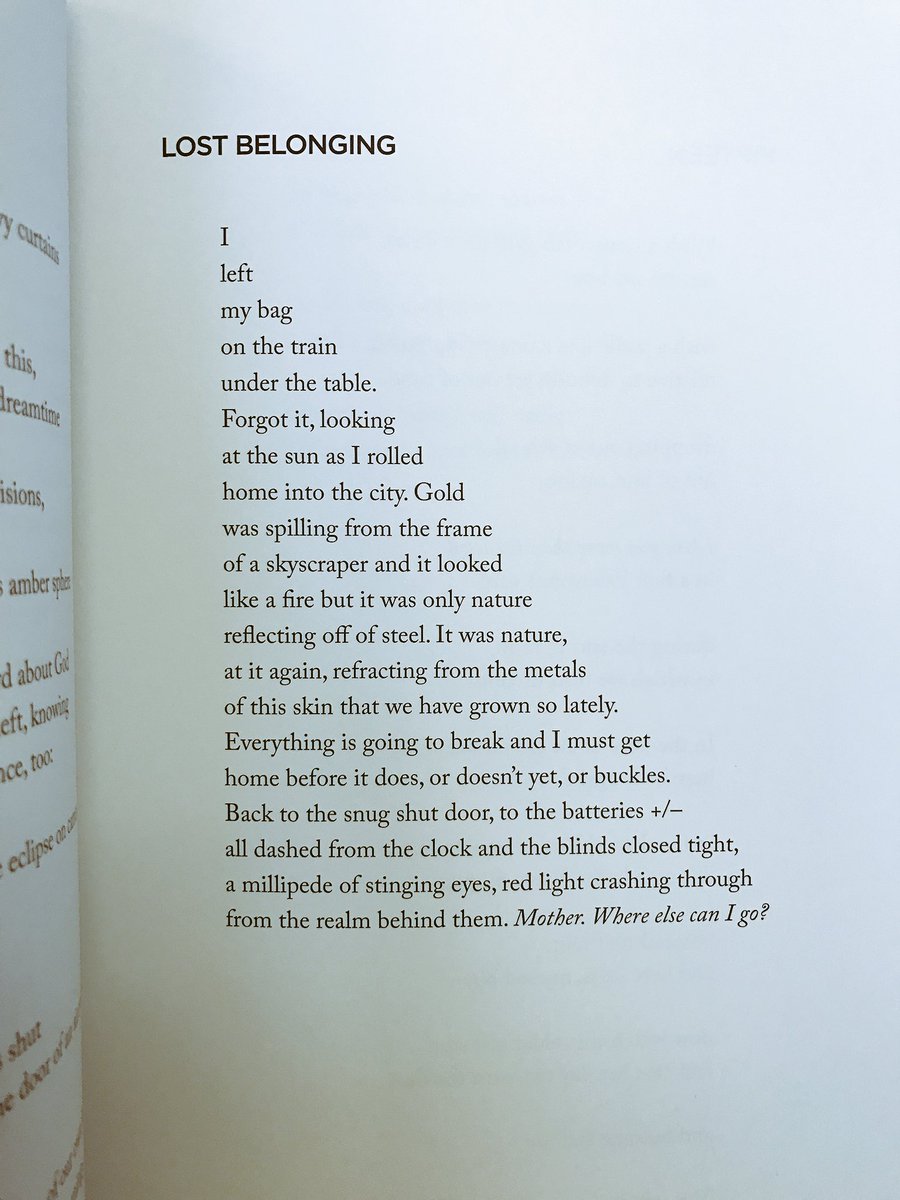
Victoria is a British-born Ghanaian poet, writer and creative facilitator. Her work has been shortlisted for the Brunel University International African Poetry Prize, featured on BBC Radio 4, and has been commissioned by the Royal Academy of Arts. Her debut chapbook, Girl B is forthcoming as part of the 2017 New-Generation African Poets series, edited by Kwame Dawes. I’m always down to read a chapbook, especially those in the African Poetry Book Fund collection, so I’m super excited for Girl B to be released! The cover art for Girl B hasn’t been released yet, but a glimpse of her work from the chapbook was shared on Twitter last month.
Efemia Chela
Efemia is a writer of both Ghanaian and Zambian descent. Her first published story – ‘Chicken’ was shortlisted for the Caine Prize in 2014 and she’s contributed to a number of anthology collections. She’s currently a fellow of the inaugural Short Story Day Africa / Worldreader Editing Mentorship Programme and one of the editors of the anthology – Migrations: New Short Stories from Africa which will be out September of this year!
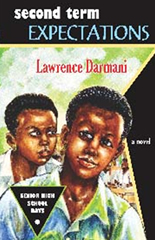
Lawrence Darmani
Lawrence Darmani is a novelist and publisher. I’m very familiar with his daily devotional articles in Our Daily Bread – a popular Christian devotional, available worldwide. Aside Darmani’s devotionals, he’s popularly known in primary & secondary schools in Ghana for his novel – Grief Child (1991), which won the Commonwealth Writers’ Prize in 1992 as best first book from Africa. Darmani is the CEO of Step Publishers, which aims at publishing and distributing quality Christian literature.
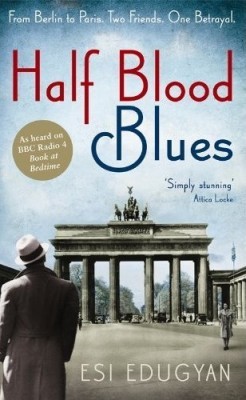
Esi Edugyan
Esi Edugyan was born and raised in Canada (Calgary, Alberta) to Ghanaian parents. She’s popularly known for her sophomore novel Half-Blood Blues (2011), which was shortlisted for the Man Booker Prize and many other prestigious literary awards. Half-Blood Blues won the 2011 Scotiabank Giller Prize which was valued at $50,000. I hardly hear people talk about this book. I must get my hands on it!
Martin Egblewogbe
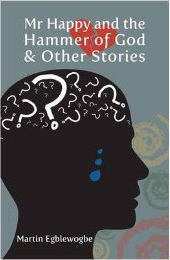
Martin Egblewogbe is a poet, editor, short story writer and Physics lecturer. He’s popularly known as the co-founder of the amazing organization – Writers Project of Ghana that I’ve spoken about on several occasions on this platform. Martin self-published his debut collection of stories entitled Mr. Happy and the Hammer of God & Other Storiesin 2008. Ayebia – a publishing house in the UK that specializes in publishing quality African and Caribbean writing, republished his collection in 2012. Egblewogbe has also edited various anthologies of poetry such as According to Sources (2015) and Look Where You Have Gone to Sit (2010).
Ruby Yayra Goka
Ruby Yayra Goka is a dentist by profession and a well-known Ghanaian YA (young adult) writer with a myriad of great books for children and young adults. Her debut – The Mystery of the Haunted House (2011) as well as 4 other works, The Perfectly Imperfect (first prize winner in 2013), Lost Royal Treasure, Plain Yellowing (second prize winner for 2014) and When the Shackles Fall won the Burt Award for African Literature. I’m really curious to know, who does the amazing illustrations for Goka’s books? Books by Ruby Yayra Goka are easily accessible to Ghanaians – I always spot her books in bookshops I frequent!
Malaka Grant
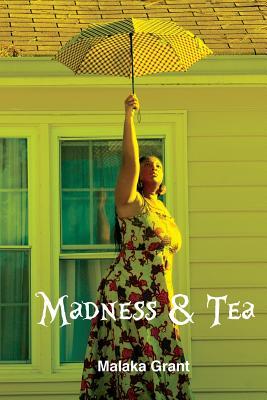
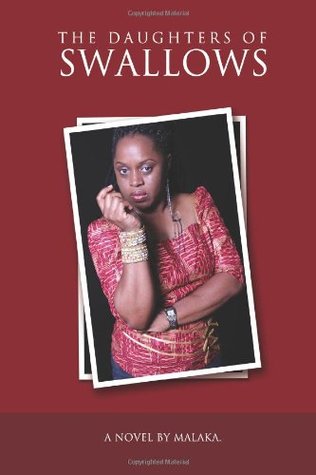
Malaka Grant is a Ghanaian-American author and co-founder of the highly acclaimed blog – Adventures from the Bedrooms of African Women. Her debut novel – The Daughters of Swallows (2013) is actually an adaptation of the blog and is a fictional account that follows 3 women in contemporary Ghana who try to adapt to challenging situations in their lives. Grant also writes children’s books and has published – Sally and the Butterfly, as well as Yaa Traps Death in a Basket. Her latest work – Madness & Tea (I love the green hue of the book cover!) was published in 2015. She has a blog on motherhood, marriage and madness (and everything in between!) at Mind of Malaka.
Ben Hinson
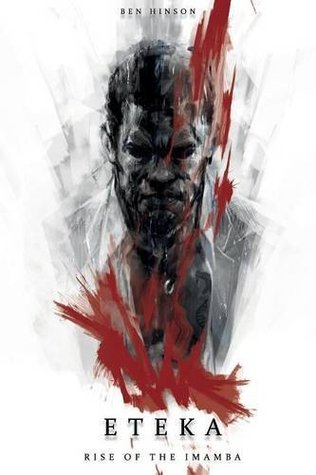
Ben Hinson is a Ghanaian-Nigerian author currently based in New York. He’s popularly known for his super ambitious, action packed historical thriller based on mercenary activity during the Cold War era in the 1990s called – Eteka: Rise of the Imamba (2016). This historical thriller seamlessly fuses Asian, African, American and European cultures and history into an unforgettable reading experience. From an interview I read featuring Hinson, it took him about 6 years (including research) to write this epic novel. From reviews, Eteka: Rise of the Imamba is worth all of its 557 pages. Definitely check it out!
Dorothy Koomson
Dorothy Koomson is a British author and journalist of Ghanaian descent. Her books mainly focus on relationships and families. She wrote her first novel (There’s A Thin Line Between Love And Hate) at the age of 13, but her debut, The Cupid Effect was published back in 2003. From then, 9 more of her books have been published! Out of her catalogue of books, I’m a huge fan of her 6th novel, The Ice Cream Girls and actually saw a television adaptation of the novel.
Lesley Lokko
Lesley Lokko is a Ghanaian-Scottish architect and novelist who lives simultaneously in Johannesburg, London, Accra and Edinburgh. She’s written about 8 books and I’ve been very eager to read Bitter Chocolate (2008) for a while now. Lokko has a pretty amazing book catalogue on her website. I definitely would like to read Bitter Chocolate and Sundowners soon!
Nana Malone
Nana Malone is a Ghanaian-American writer who is actually a USA Today bestselling author of contemporary romance. She’s the author of 3 series: The Love Match Series – which feature contemporary romance stories; The In Stilettos Series– which feature sexy, fun multicultural romantic comedies and The Protectors series – which feature dark, superhero romance stories. I haven’t spotted any of her books here in Accra, but I’m sure they are available wherever books are sold online.
Marilyn Heward Mills
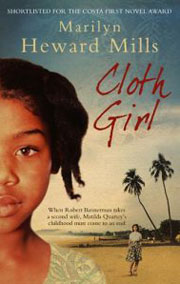
Marilyn Heward Mills is a writer of Ghanaian and Swiss descent. Her debut, The Cloth Girl (2006) is set in the Gold Coast at the end of British rule. It follows 14 year old Matilda – an uneducated, humble ‘cloth girl’ who’s childhood is ended by her marriage to Robert – a lawyer who already has a wife and children. Matilda meets the wife of another white man (a colonial administrator) and the two have tremendous impact on each other. Mills’s second novel, The Association of Foreign Spouses (2011) is set in Ghana in the turbulent 80’s.
Celestine Nudanu
Celestine Nudanu is a poet and passionate reader. Last year I attended the book launch of her debut poetry anthology entitled Haiku Rhapsodies – Verses from Ghana (2016) which features wonderful Afriku – haiku of African origin. Celestine is also the creator of the literary blog- Reading Pleasure, which is home to her Afriku as well as book reviews. Celestine was actually one of the first people to visit and offer encouraging comments on my book reviews here on African Book Addict!, so she holds a dear spot in my heart! Check out her poet profile, which was recently added to the prestigious Haiku Foundation registry.
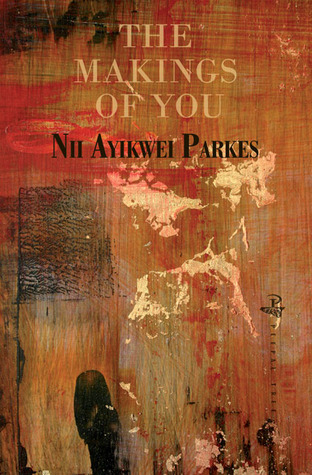
Nii Ayikwei Parkes
Nii Ayikwei Parkes is a poet, essayist, novelist, editor and literary advocate who was born in the UK and raised in Ghana. He also writes under the pseudonym K.P. Kojo and has published a children’s book – The Parade: A Stampede of Stories About Ananse, the Trickster Spiderunder the pseudonym. I’m yet to indulge in Parkes’s poetry, but his novel- Tail of a Blue Bird (2009) is definitely a must read!
Are you familiar with any of these Ghanaian authors? Have you read any of the books mentioned above?
The month of March has been dedicated to honoring Ghanaian authors as it is Ghana’s month of Independence. More writers will be highlighted! Stay tuned for Part 3 – the final installment ofthe series.
Note: Images were taken from Goodreads and the respective writers’ websites.





























































 African Book Addict!