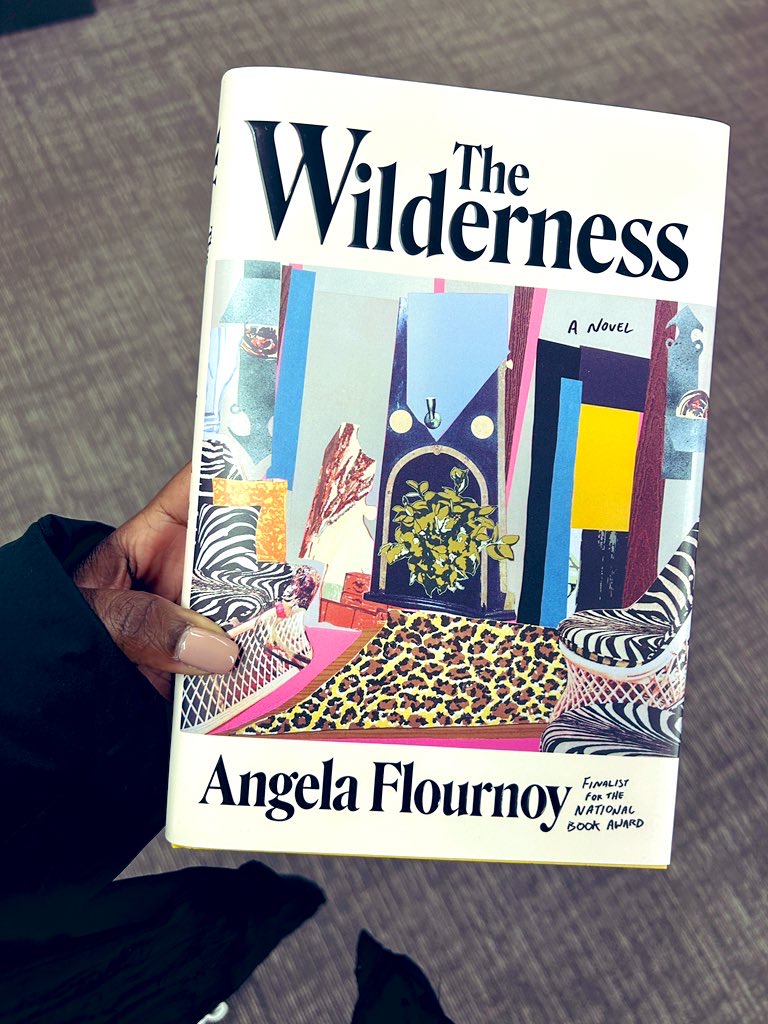
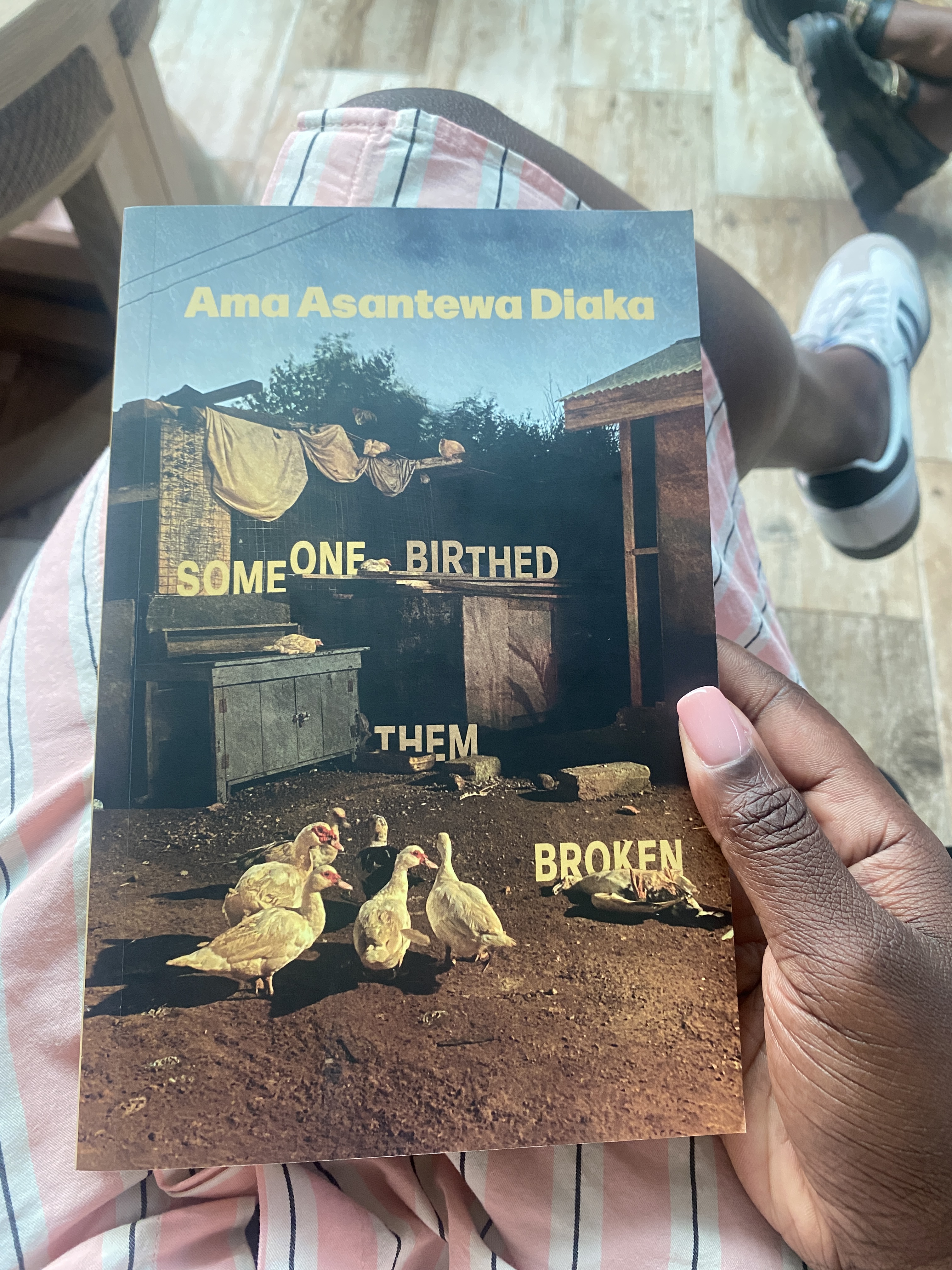
What have you all been reading? Due to my busy schedule, I’ve only managed to finish reading: The Wilderness by Angela Flournoy and Someone Birthed Them Broken by Ama Asantewa Diaka. I rated them were both 4 stars, but Diaka’s book is leaning more towards 4.5 stars – it’s very Ghanaian, in all (fantastic) ways!
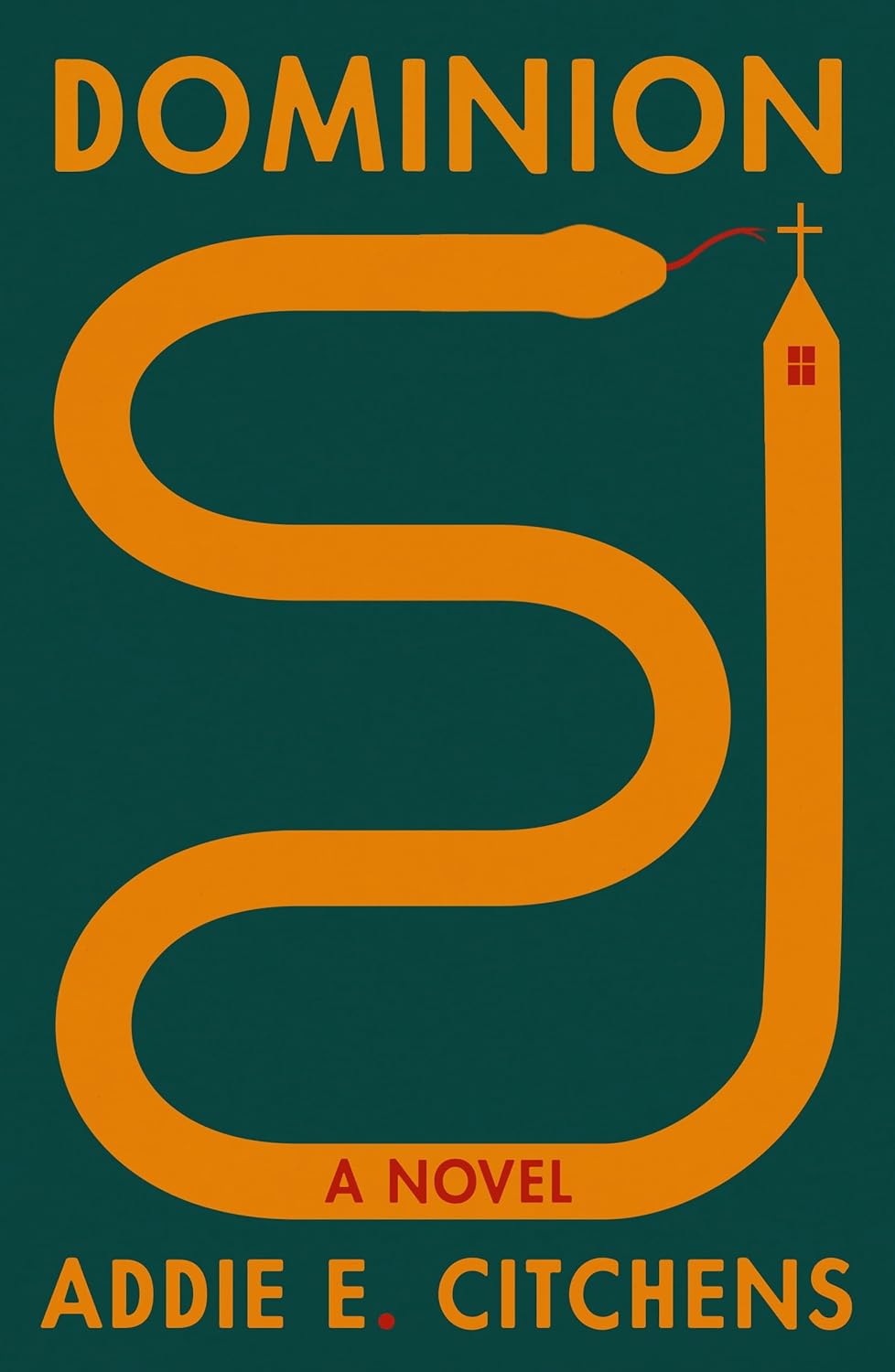
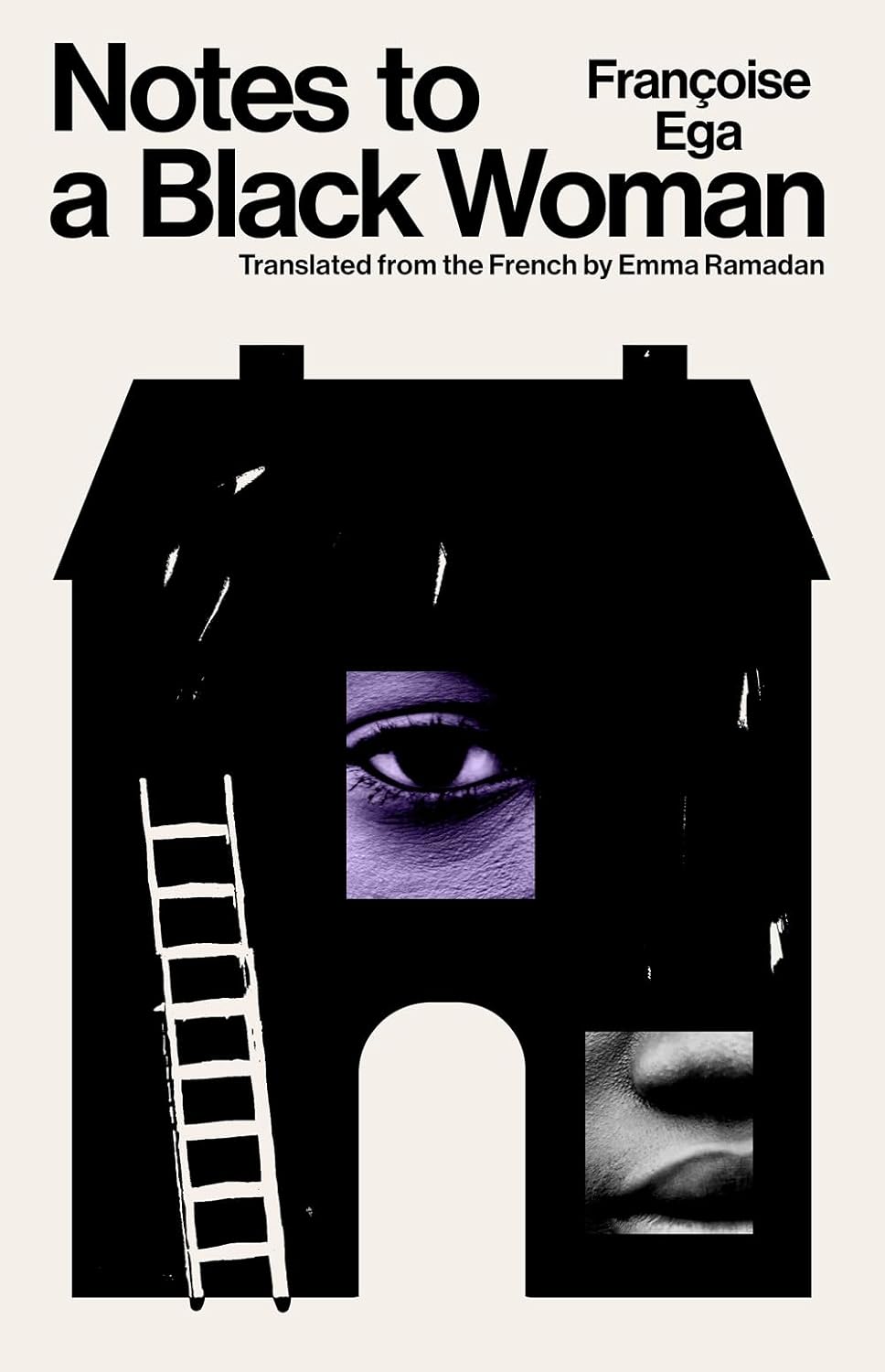
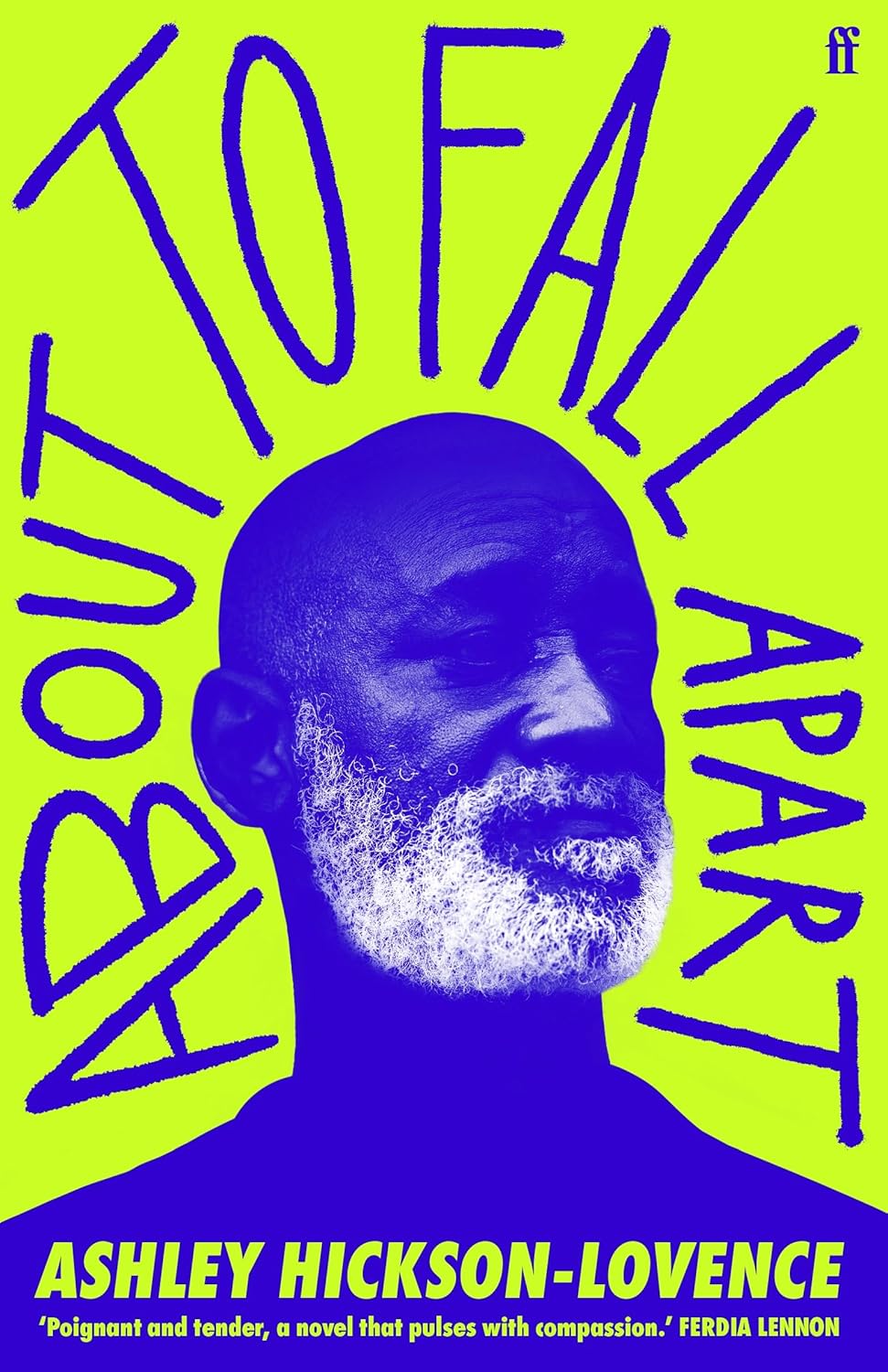
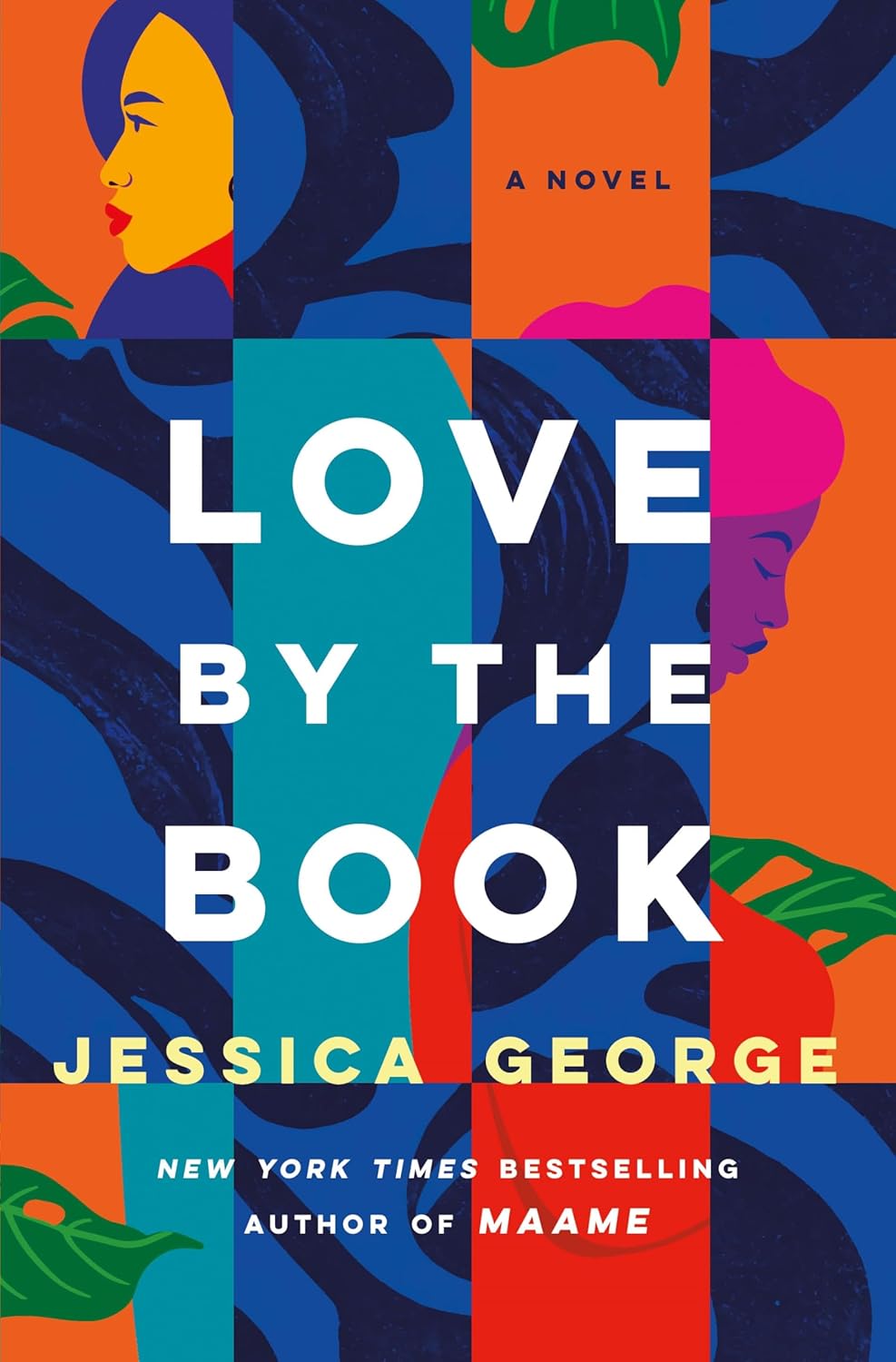
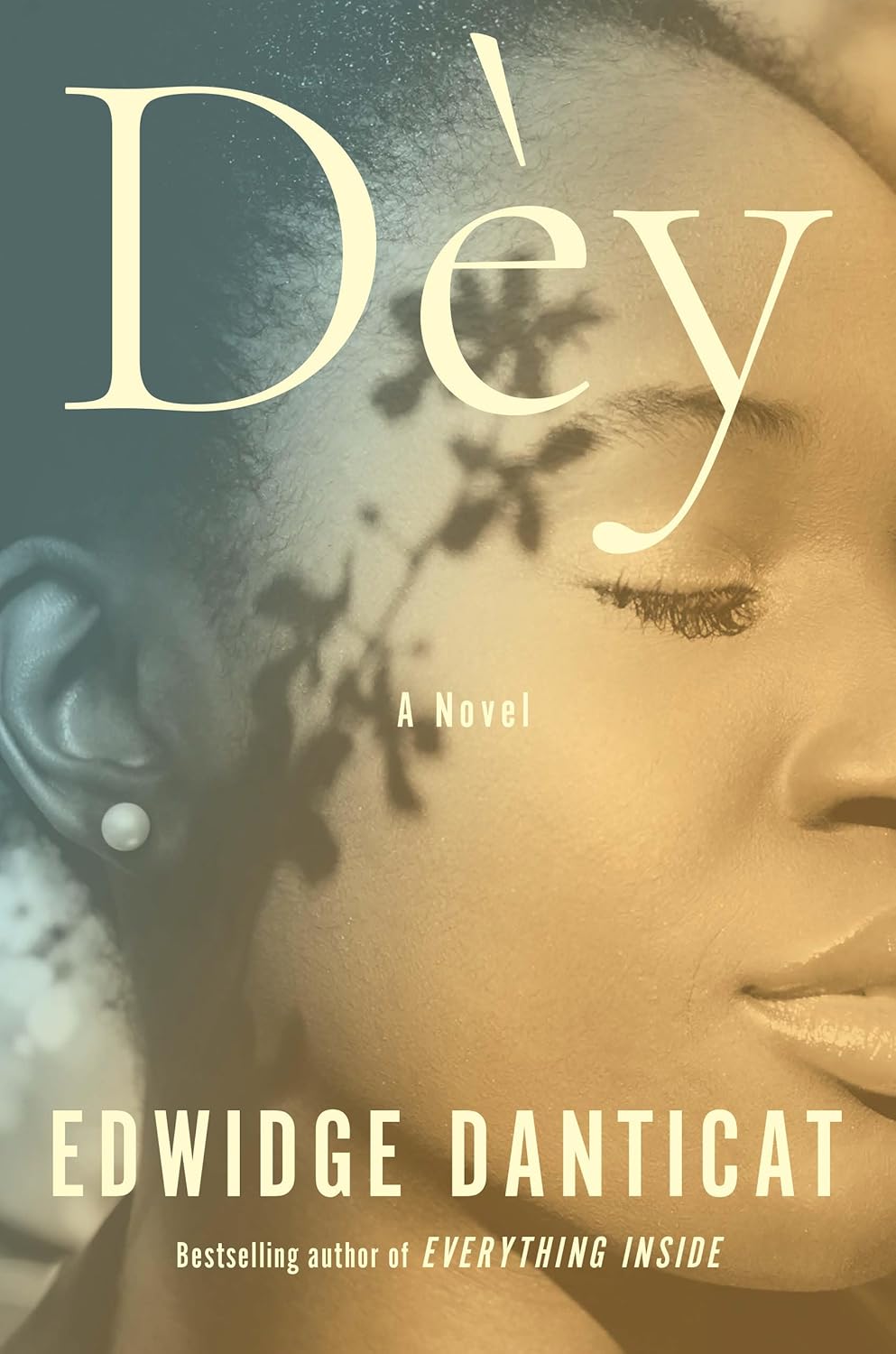
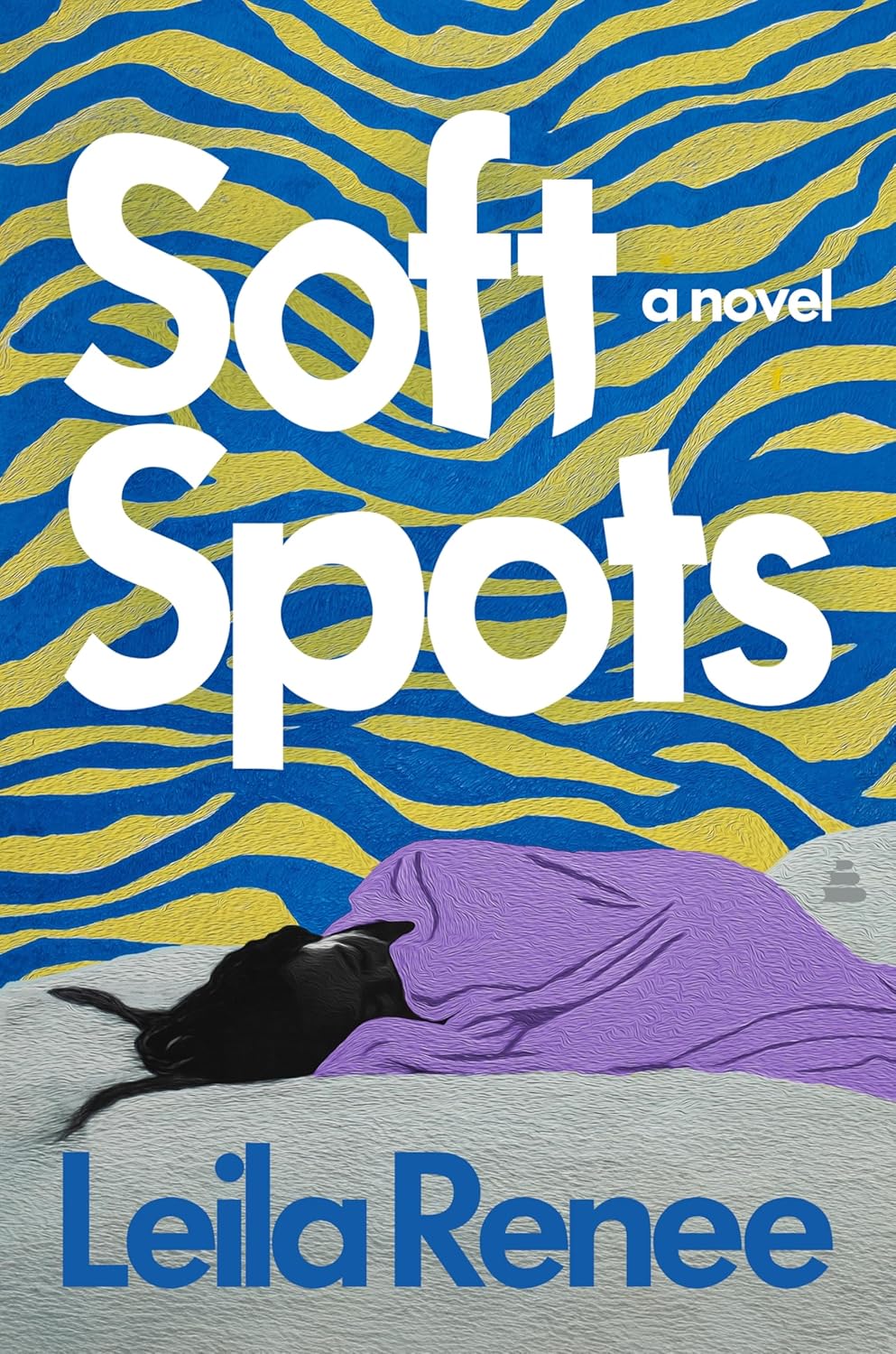
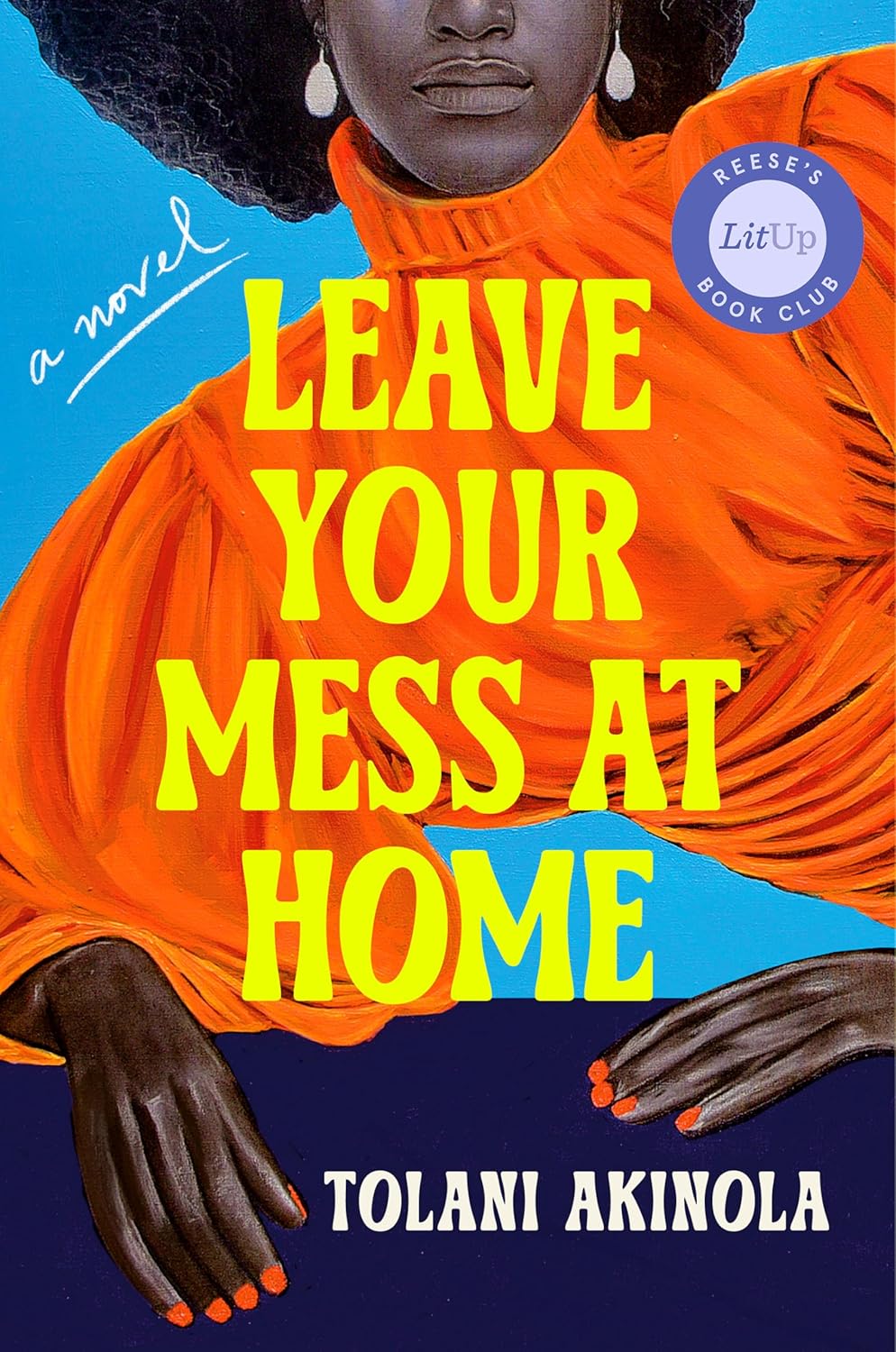
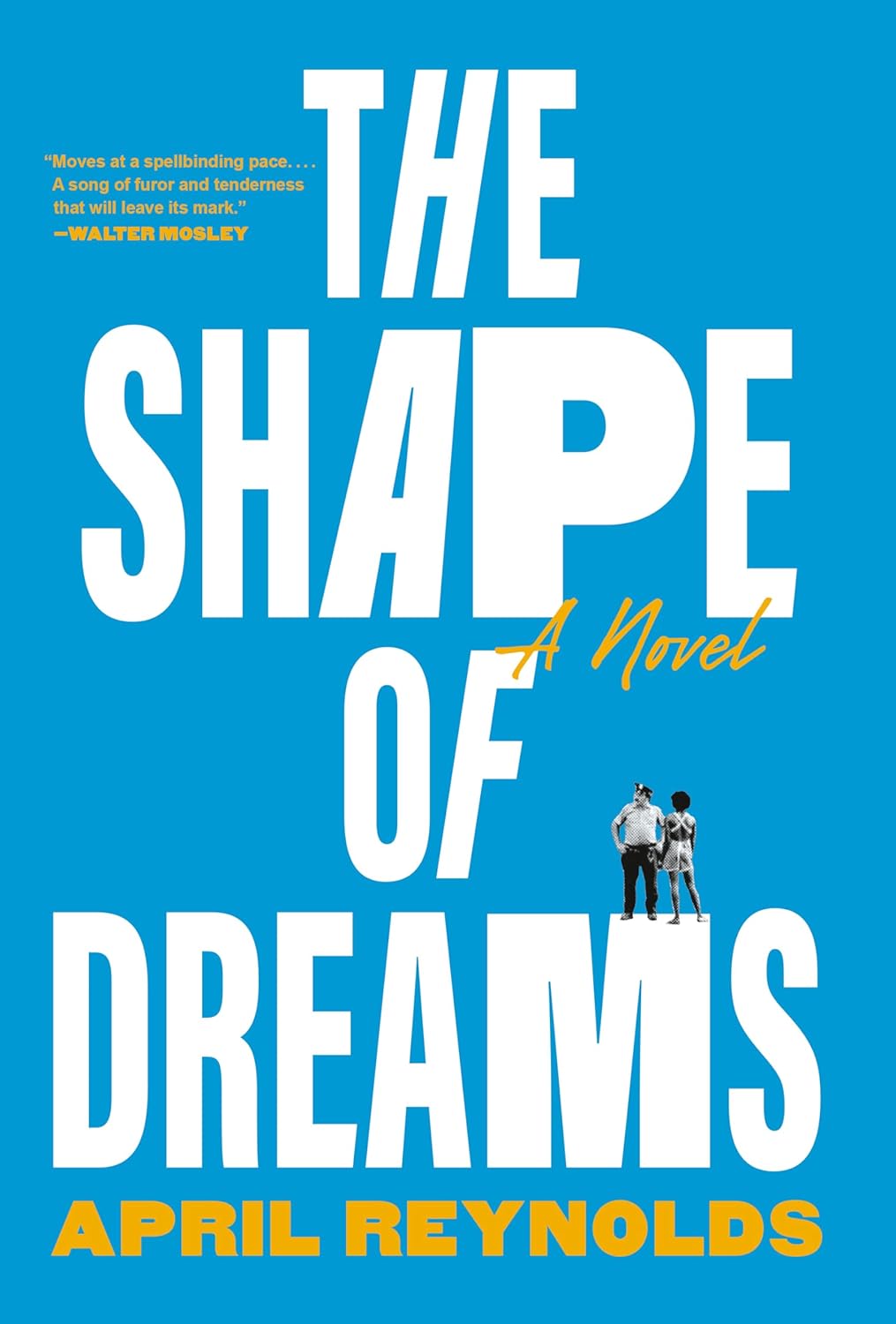
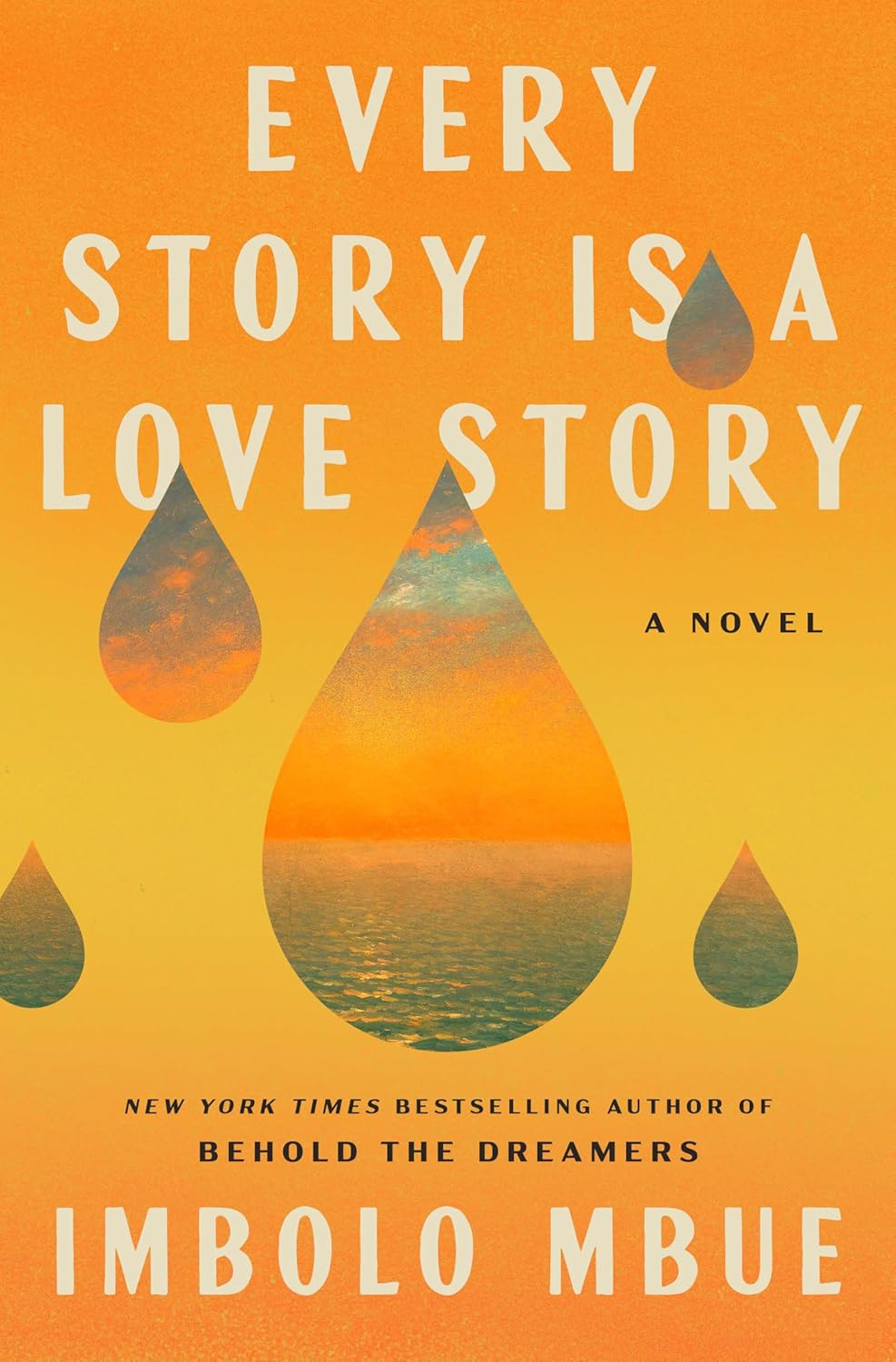
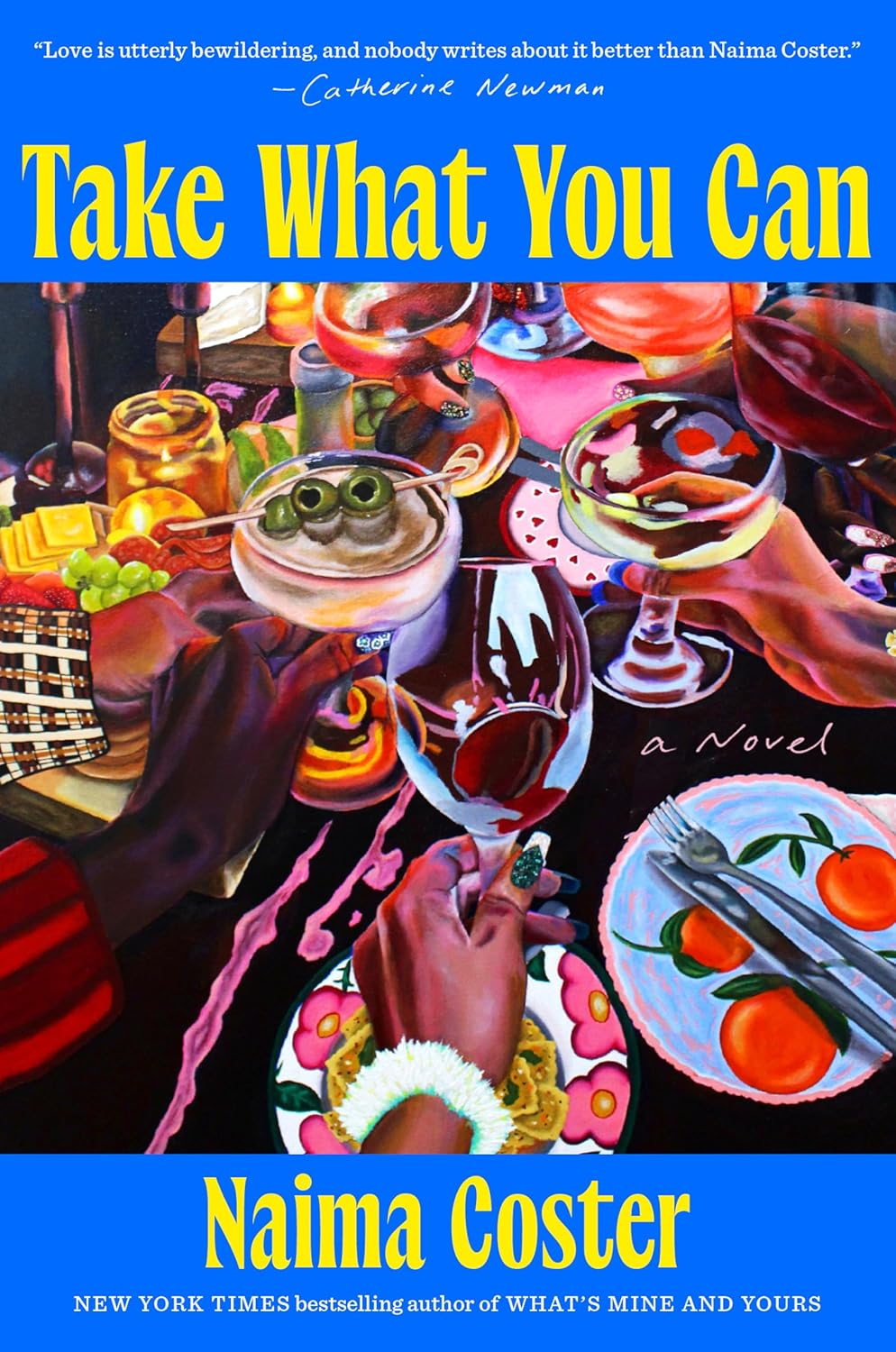
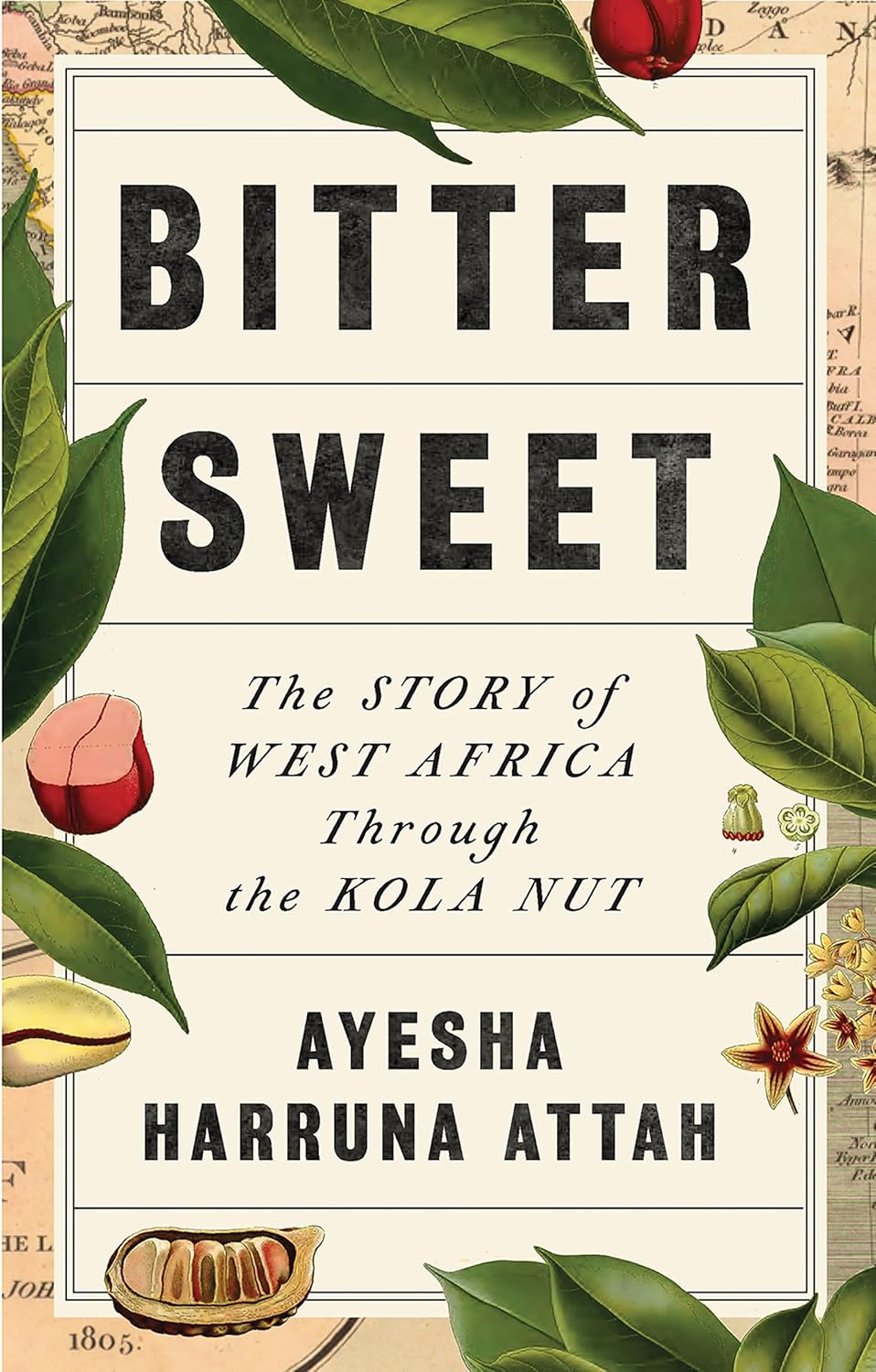
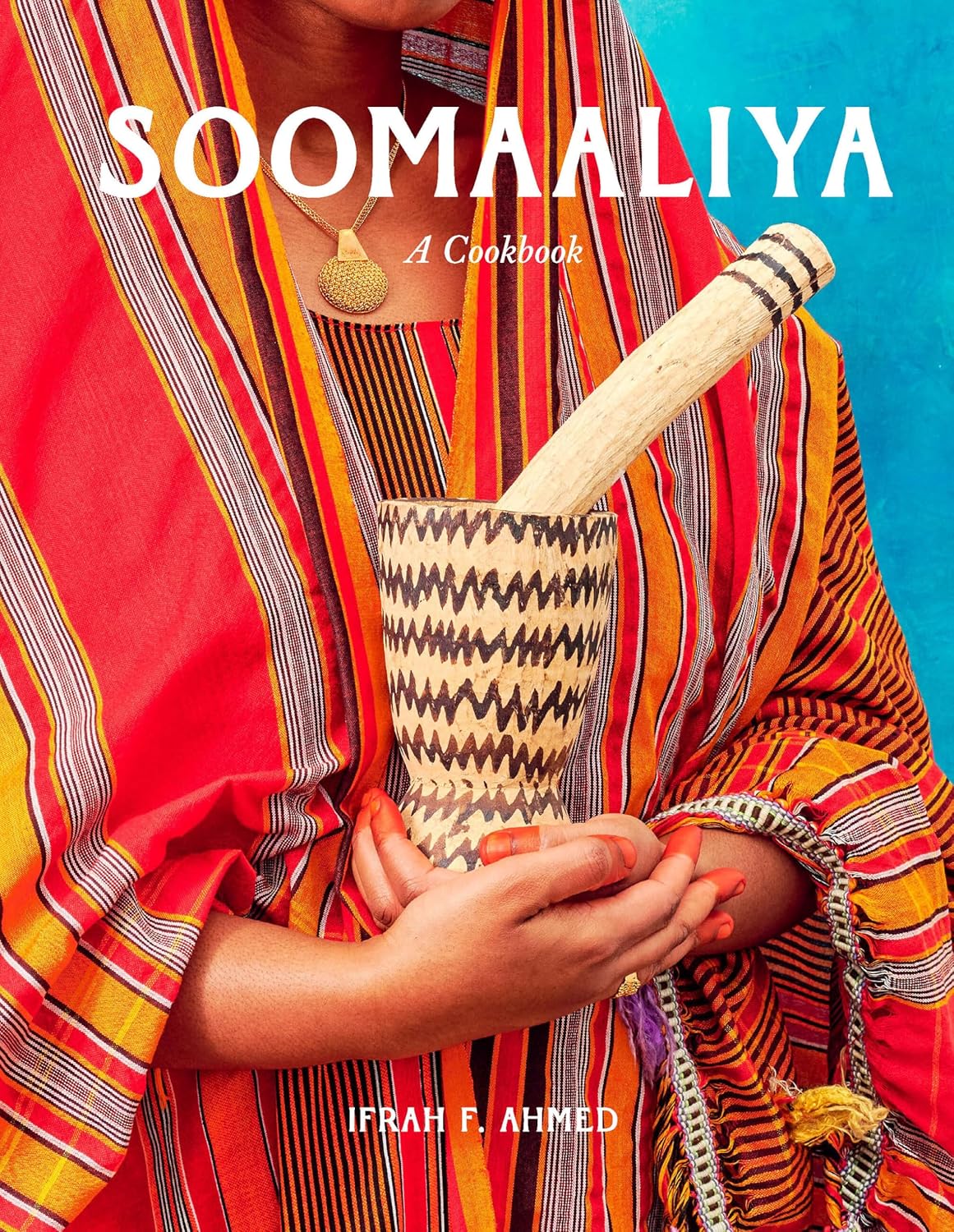
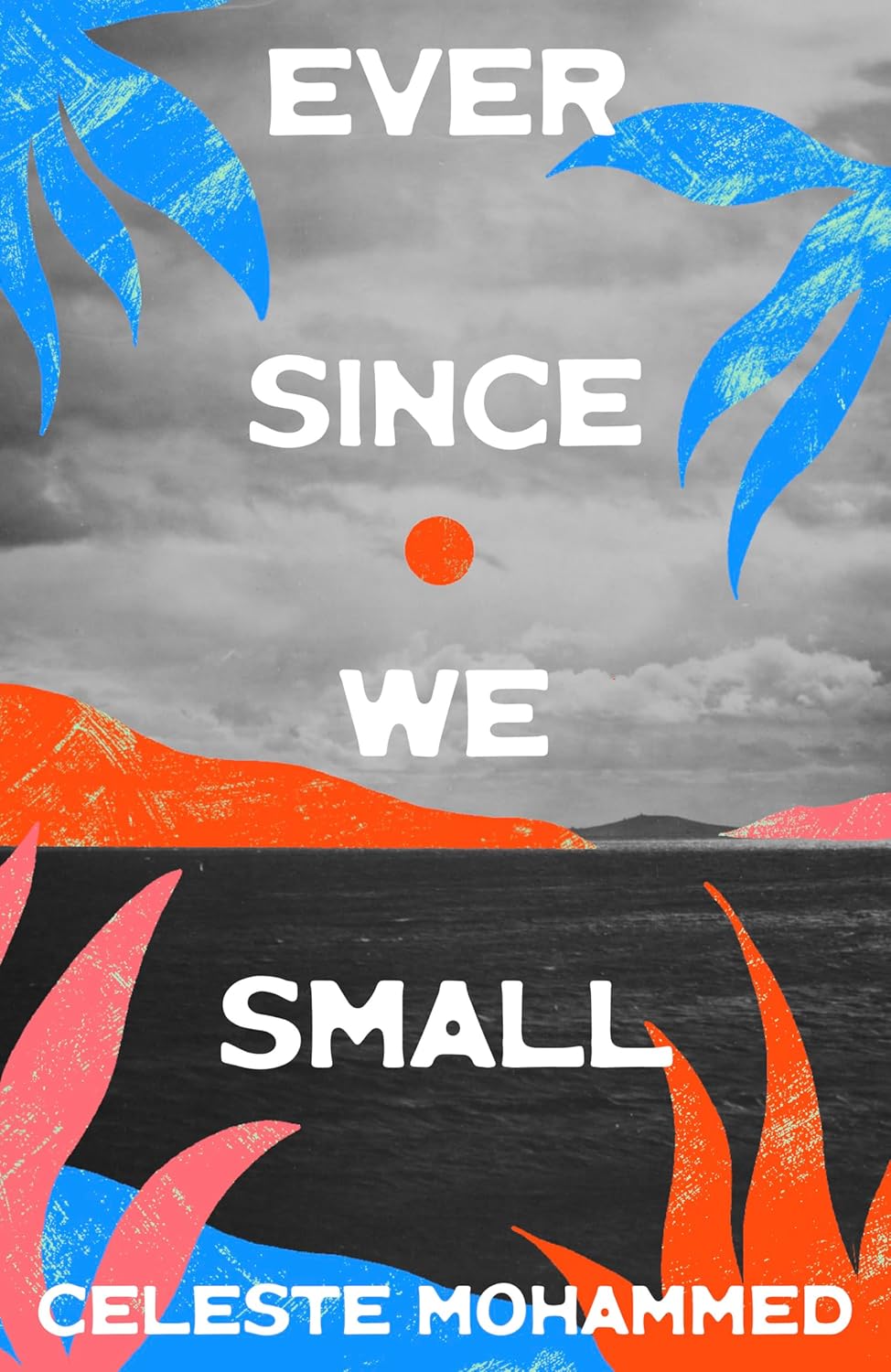
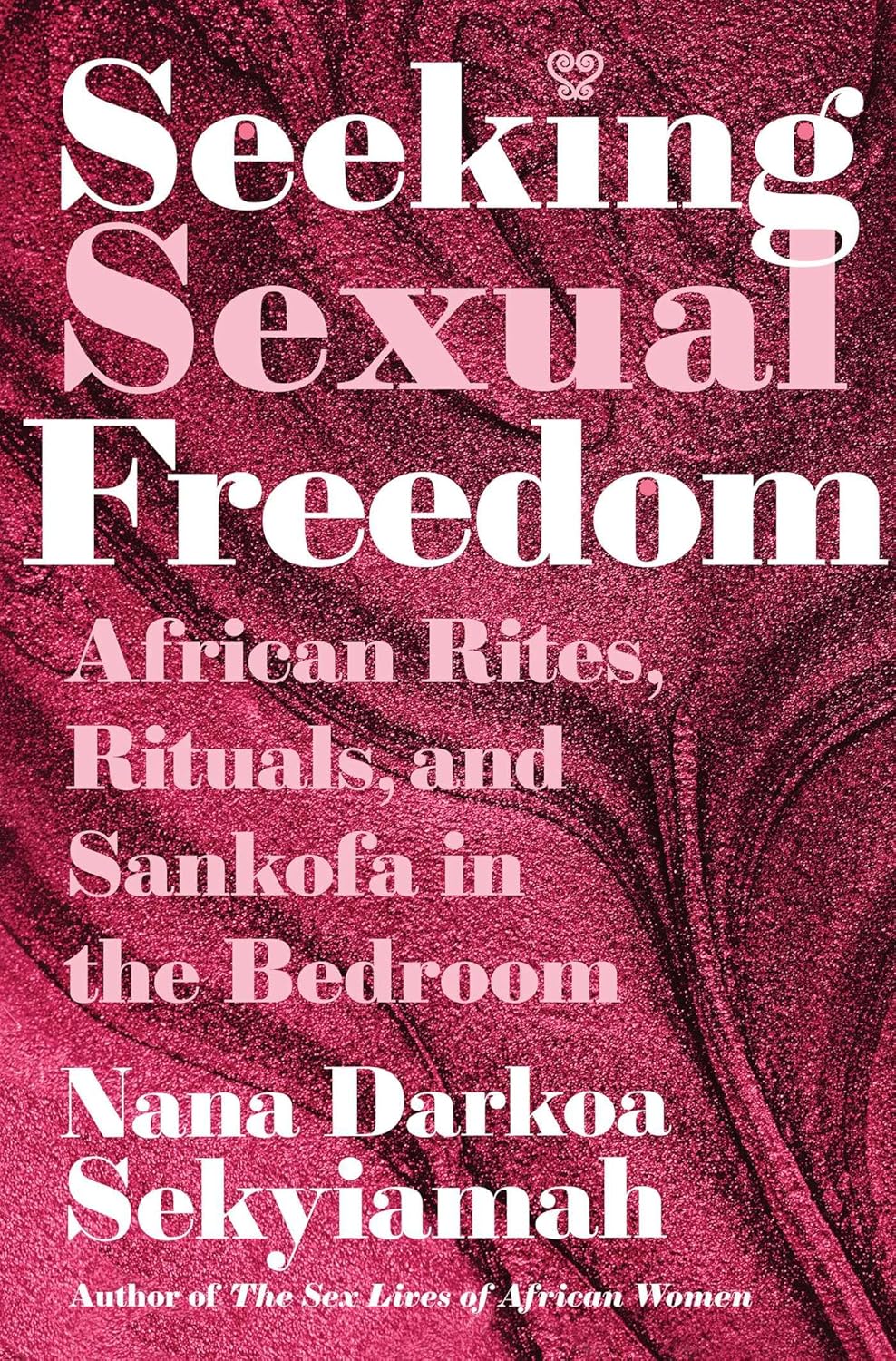
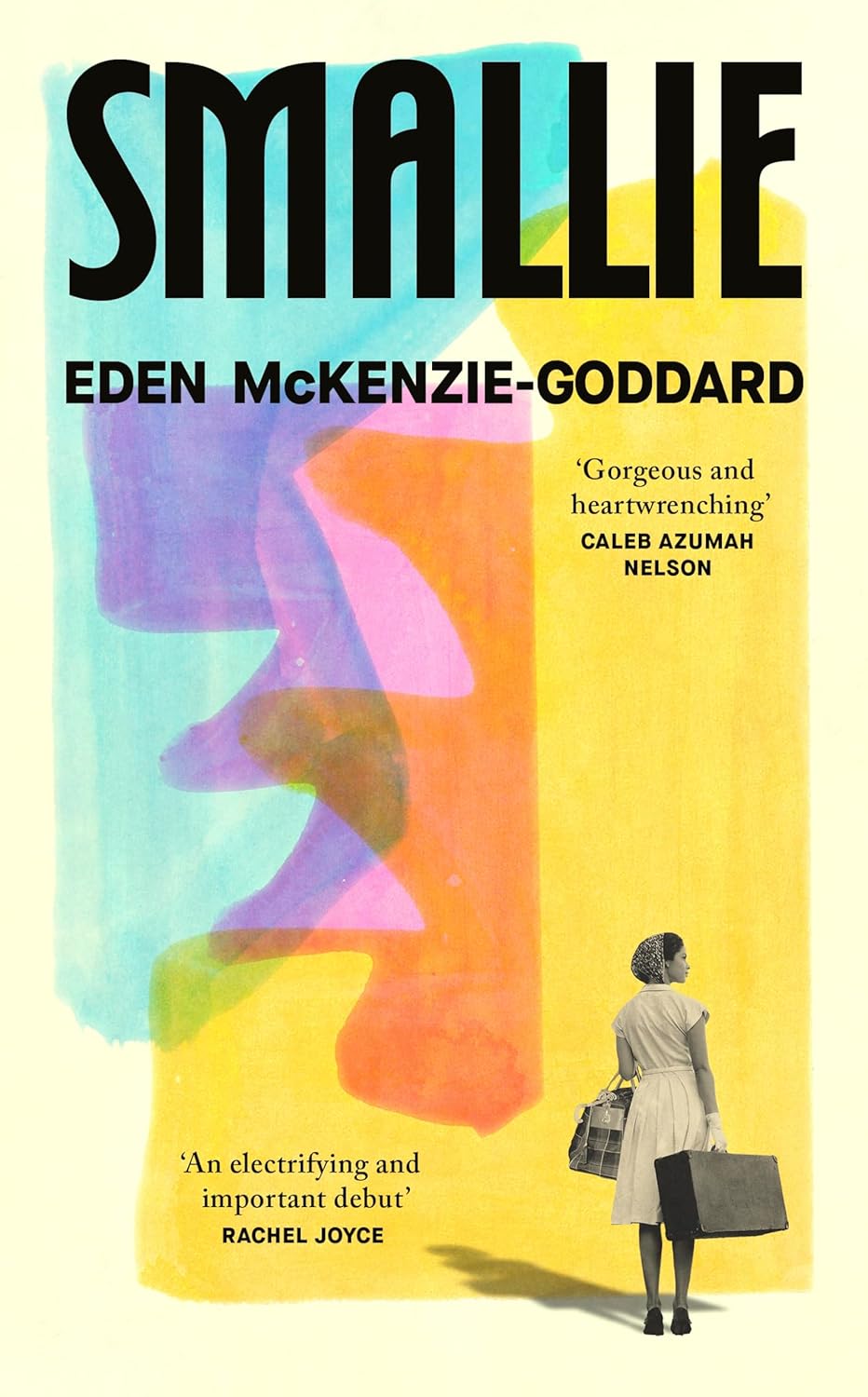
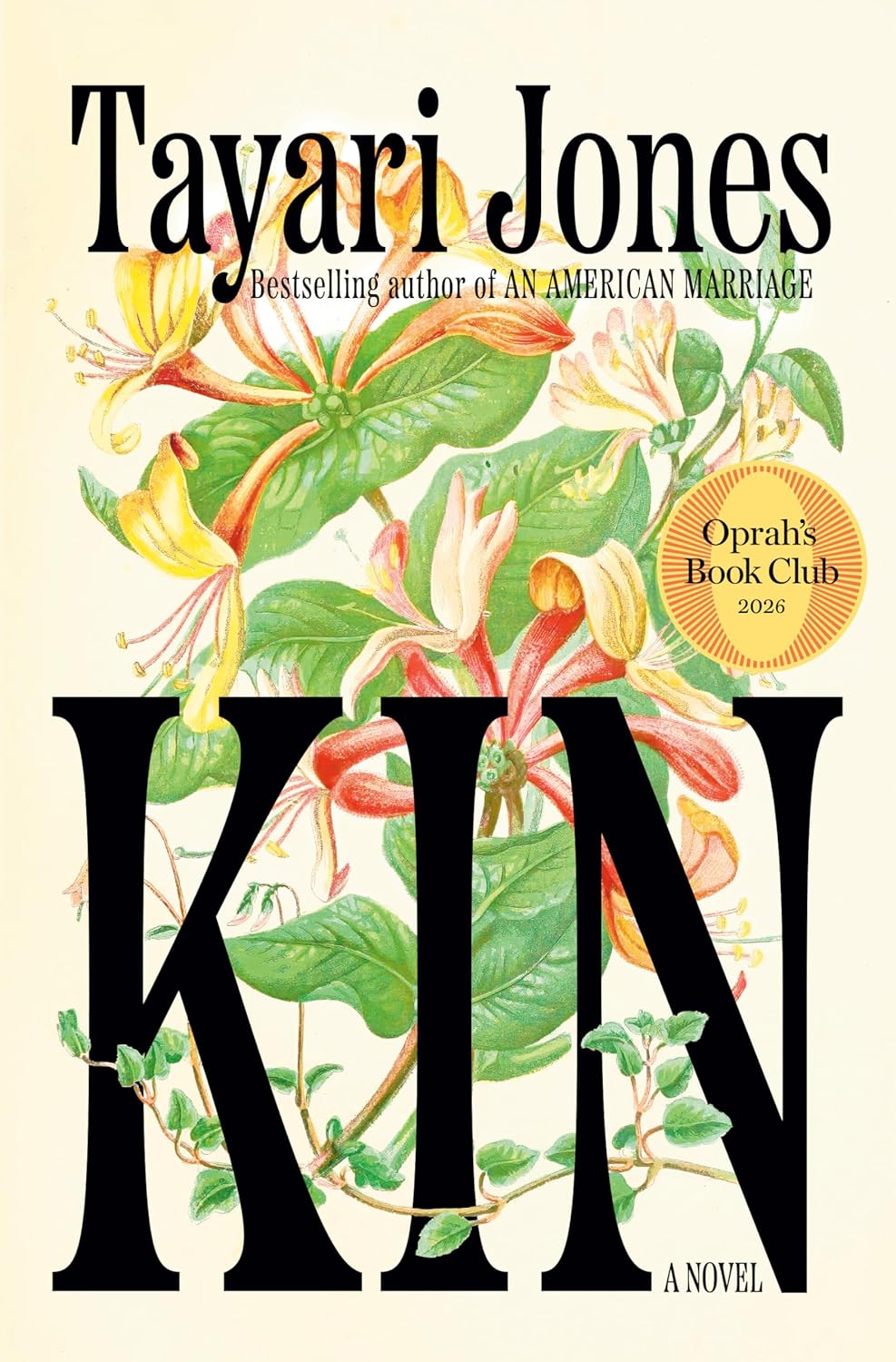
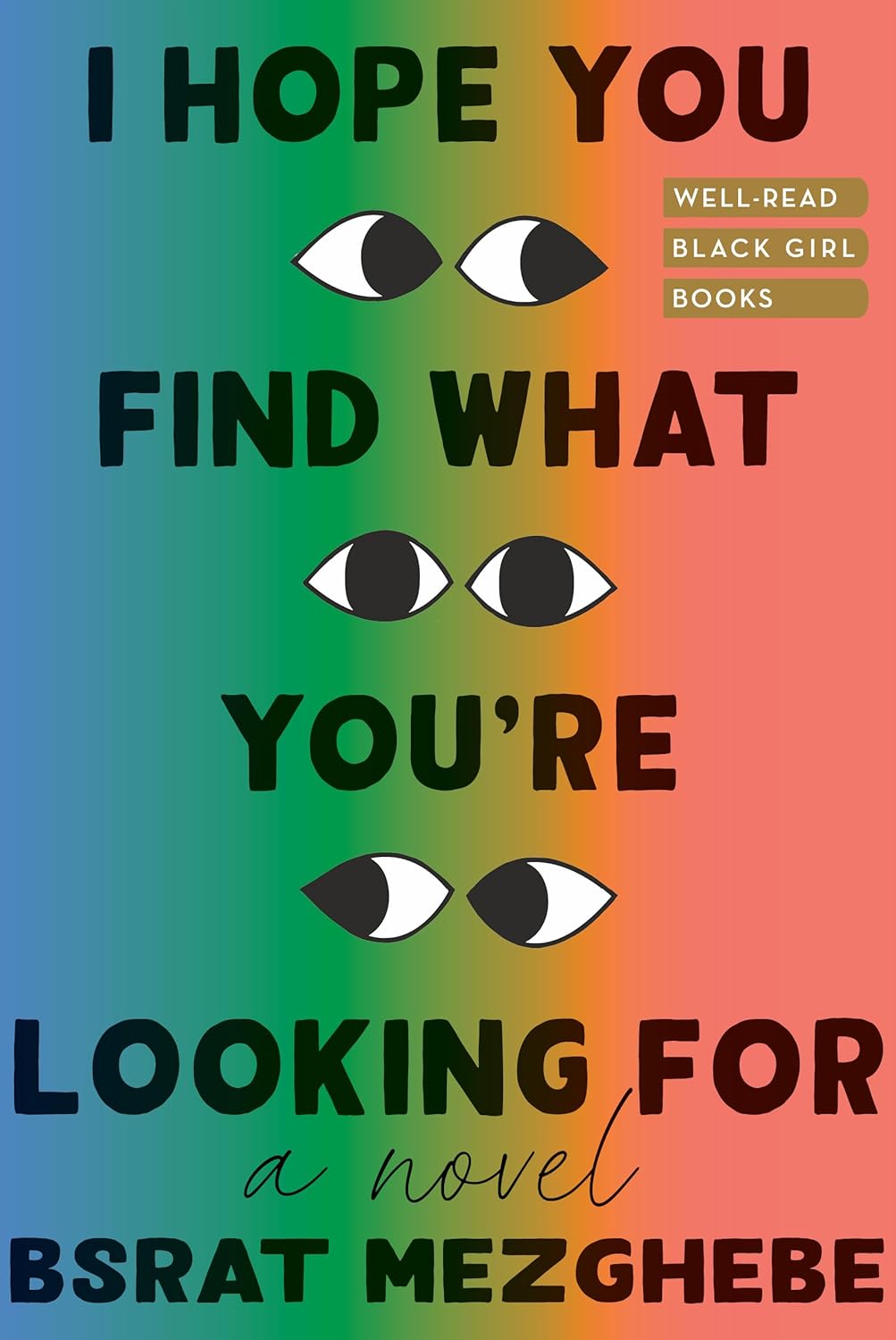
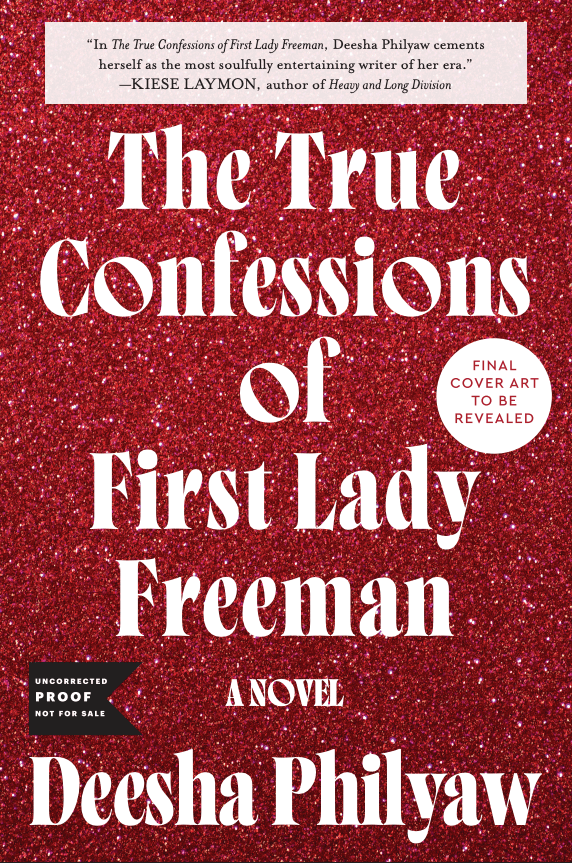
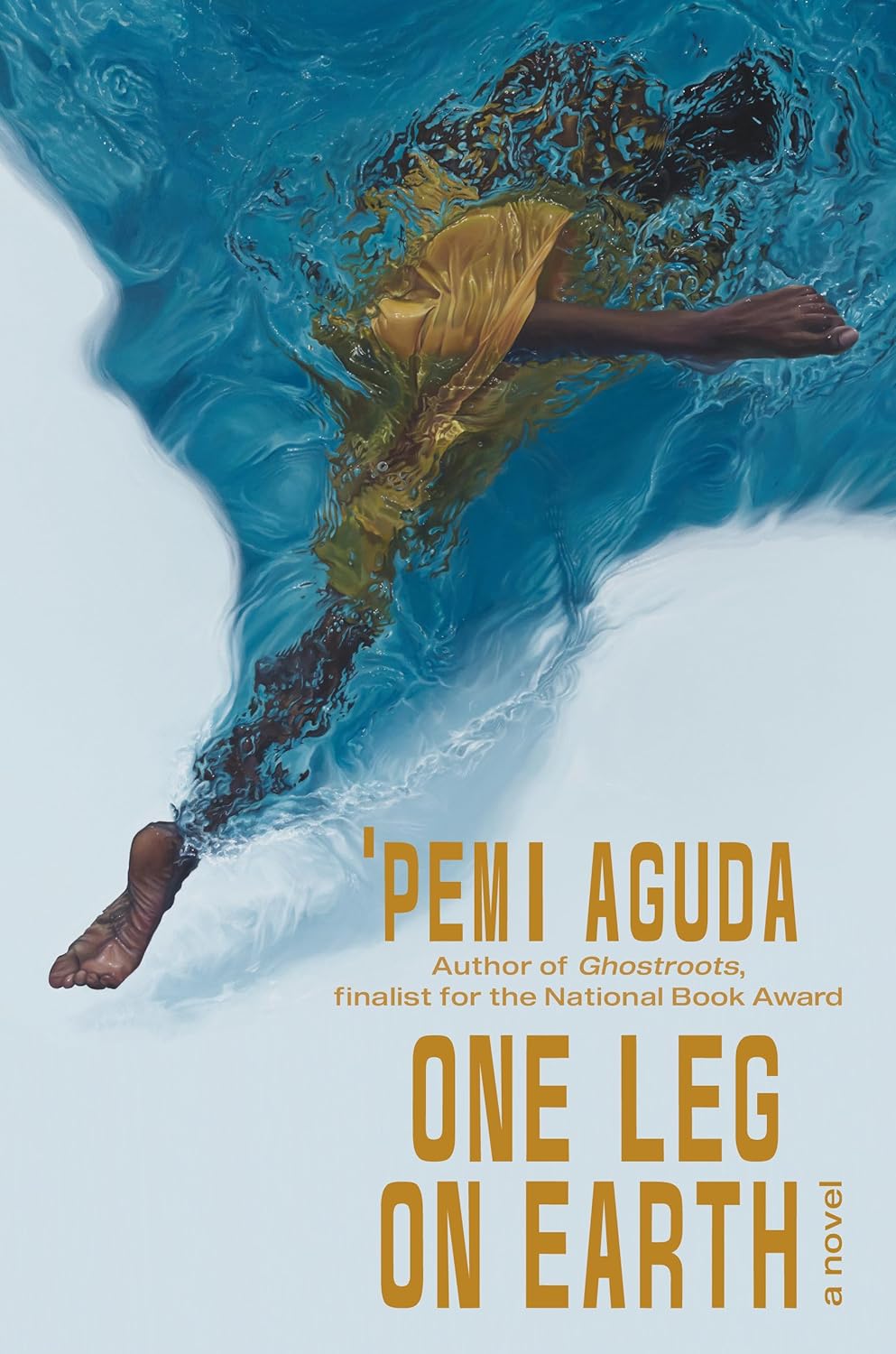
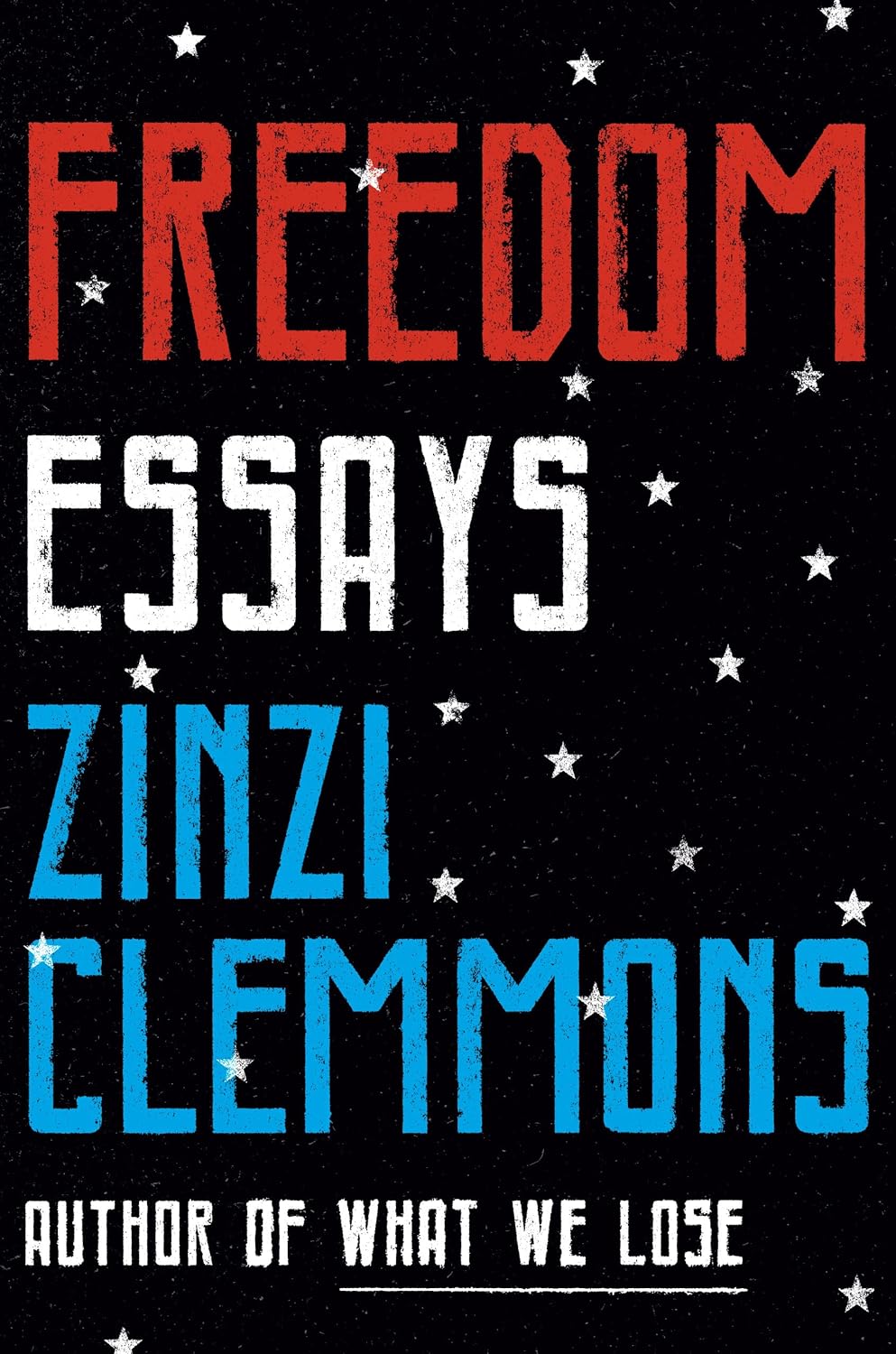
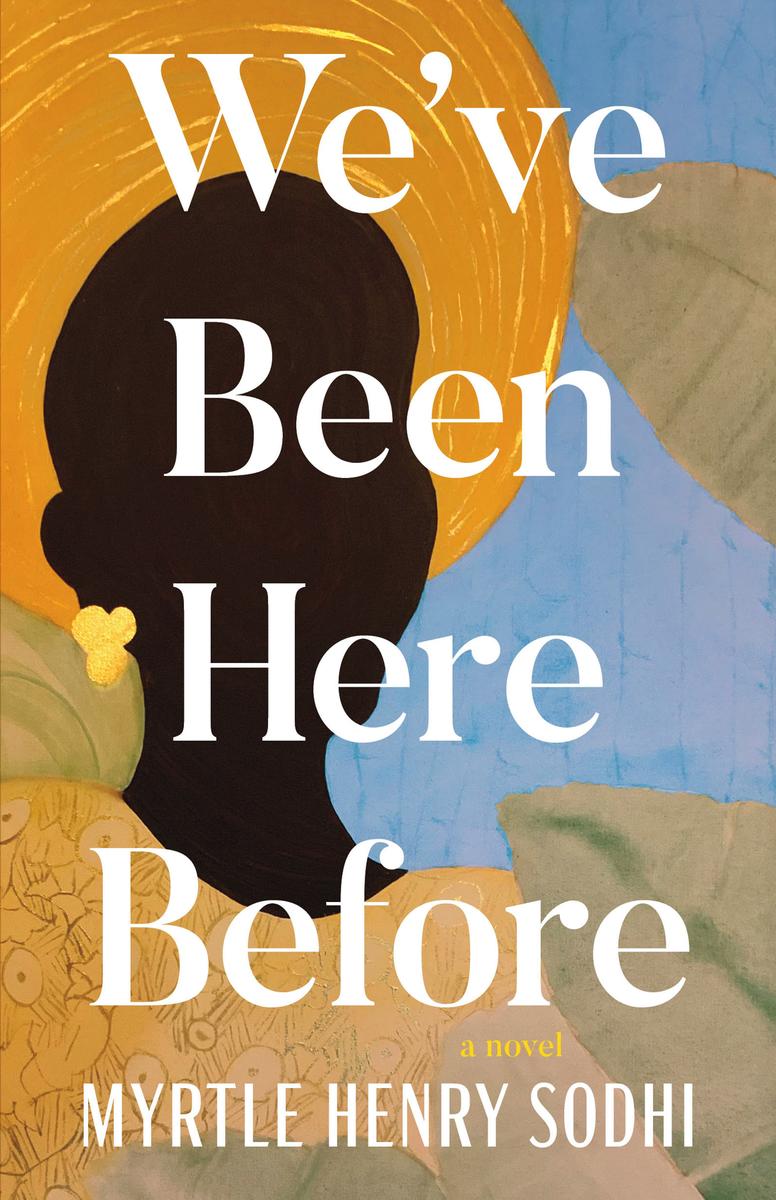
I’ve been perusing the book streets lately and found 21 books super compelling – with respect to their synopses, and book cover designs. Most of these books are/will be published this year (2026) and some were published last year. I’m especially looking forward to new work from Zinzi Clemmons, Jessica George, Imbolo Mbue, Edwidge Danticat, Ayesha Harruna Attah, Tayari Jones, Nana Darkoa Sekyiamah and Deesha Philyaw and Naima Coster. I’ve read and reviewed work by most of these writers, so reading their new work will be very exciting! Those reviews can be found here on this blog, or on my Goodreads.
What books have you read so far this year? What new books have you added to your TBR?
February is a great time to indulge in the romance genre. Even though Valentine’s Day is over, I consider the whole month of February to be the month of love!
Back in 2015, I highlighted The Valentine’s Day Anthology 2015 which was published by Ankara Press. Stories in this anthology are translated into Pidgin, Kpelle, Kiswahili, Yoruba, Igbo, French and Hausa. For every story in English, there is a translated version in either of the languages previously listed.
Some of the writers of the stories include: Hawa Jande Golakai, Sarah Ladipo-Manyika, Chikodili Emelumadu, Edwige-Renée Dro, Abubakar Adam Ibrahim and my favorite- Binyavanga Wainaina, amongst others. A lot of work went into publishing this collection – translating stories is not easy. It’s been 9 years since the publication of the anthology and I think it’s still worth the read!
I know what you were thinking when you saw the title, ‘African Love Stories’ – no, this is not a collection of sappy, romantic, unrealistic, happily-ever-after tales. African Love Stories: An Anthology is a collection of 21 contemporary short stories laden with breathtaking originality.
I stand by this quote. African Love Stories: An Anthology was published in 2006 and is still worth the read! I must give it a re-read soon.
•••••••
This year, I had the honor of chatting with a pair of writer-friends who love reading and writing romance and also co-host a bookish romance podcast called – 2 Hearts In A Pod – Kwatemaa Tweneboah (this is their joint pen name). In case you missed it, I highlighted the fact that they published their debut – The Kelewele Connection last year. I’m not a huge fan of the romance genre, so I found their romance-enthusiastic responses quite informative! Enjoy the book chat below – and get your TBR lists ready!
[Kwatemaa Tweneboah = the joint pen name of Abena Kwatemaa Karikari & Nana Adwoa Tweneboah Amponsah-Mensah]
What’s your favorite romance novel by a Black author?
NA: A very tough question. I’ll make a list instead – Reel by Kennedy Ryan, Seven Days in June by Tia Williams, Before I Let Go by Kennedy Ryan, Behind the Scenes by Christina C Jones, and Call Me Legachi by Adesuwa O’man Nwokedi.
AK: Definitely Reel by Kennedy Ryan. All her books are great but Reel is a masterpiece for me. If I could add a second, Seven Days in June by Tia Williams.
Who are your top 3 Black romance writers and which of their work is your favorite?
NA: I think I answered this at question 1 without realising! Read above.
AK: In no particular order –
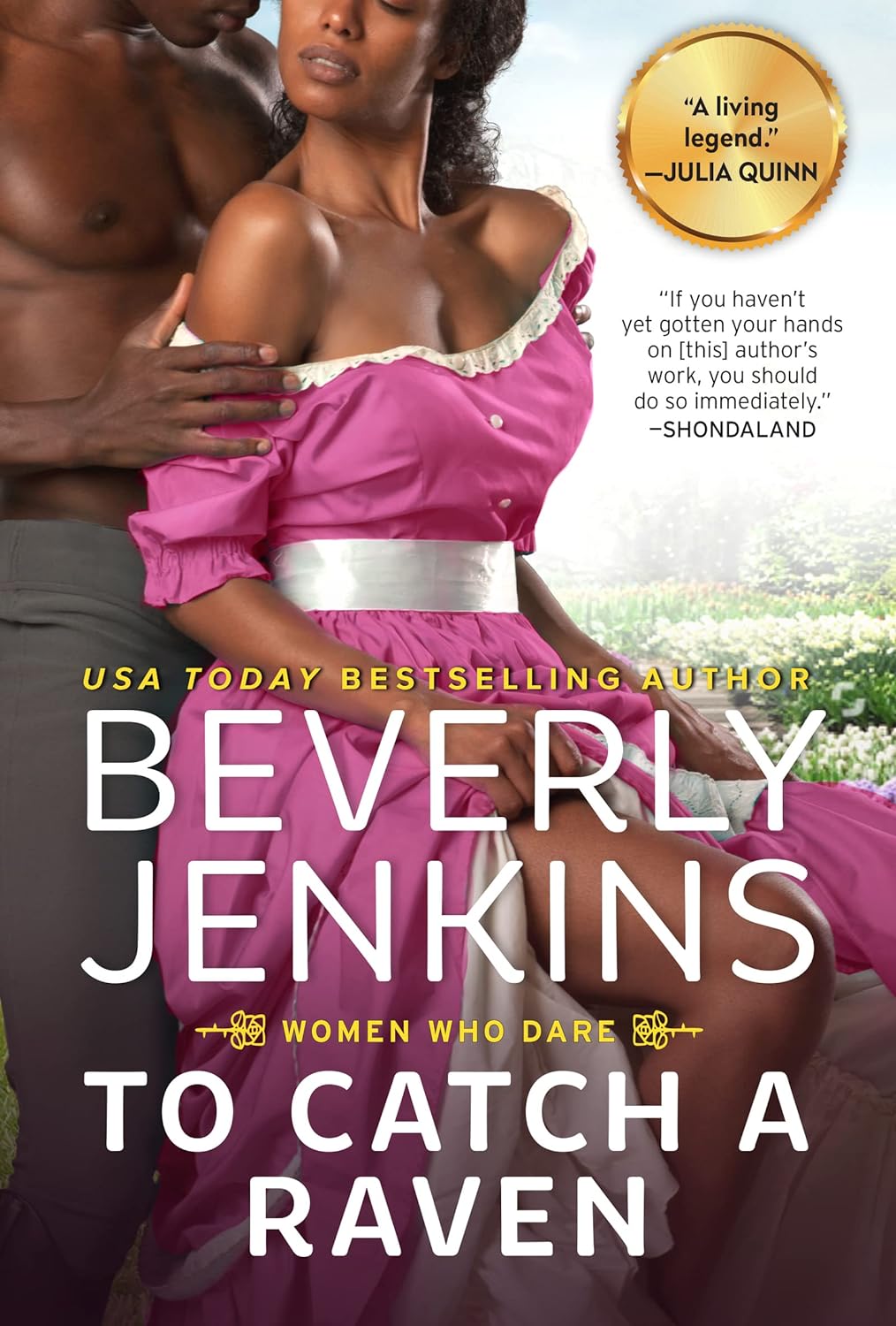
1. Beverly Jenkins – Forbidden, To Catch a Raven
2. M. Monique – Blu
3. Adesuwa O’man Nwokedi – Any Love
What about the romance genre appeals to you? Do you think there’s a difference between romance novels written by Black/POC writers and white writers?
NA: The simple answer is the guaranteed joy at the end ie the Happy Ever After. I love reading a book, going through all these wild emotions, angst, sometimes pain, knowing that in the end, it’ll be ok. I love the assurance. It’s an assurance we don’t often get in real life and it’s soothing.
There is definitely a difference between books written by white authors and black or writers of colour. There is often the overarching sense of being the ‘main character’ that you get from stories by white authors. Their characters are self assured and don’t often question their place in their world. I enjoy both works by white and black authors equally but you can’t help picking up on this. Books by black authors often have a lot more riding on them. they have to be the ones representing their culture. Sometimes, that burden comes out in the story.
AK: The fact that the genre is the only one which can contain other characteristics of other fiction genres while maintaining its goal of a happily ever after. Example fantasy romance, historical romance, paranormal romance and so on. The diversity of themes the genre is able to address fascinates me and gives me so much joy.
There is definitely some difference between romances written by black/POC writers and white writers and this is especially evident from the themes addressed. There are also slight differences in terms of language and style particularly in black/POC authored romances that portray black love, it just hits different in a way that excites me as a black reader of romance.
Given that both of you are relatively well-read in the romance genre, what else/more (or less) would you like to see in the (Black) romance genre?
NA: I would like to see more whispy black romance. A story that doesn’t feel the need to be an ambassador but just is. I want to see black romance that is soft, kind and all about two people connecting and choosing to love each other kindly. They exist, I just want more.
AK: I would love to see traditional/mainstream publishing opening up to black romances that don’t dilute the black experience and also I would love to see more black romance writers experimenting with the fantasy romance sub-genre.
Did any African/Ghanaian romance writers influence The Kelewele Connection?
NA: By the time we were halfway through with The Kelewele Connection we had discovered Adesuwa Nwokedi. Her style definitely influenced us and continues to. I hope she can see some of her influence when she reads our works going forward as well.
Adesuwa O’man Nwokedi is a prolific romance writer of Nigerian descent! Above are some of my (Darkowaa) favorite book covers of her work.
AK: Adesuwa O’man Nwokedi was and continues to be a big inspiration for us having more confidence about self-publishing. She has published so many herself and actually accepted to read the advanced reader’s copy , and gave us encouraging feedback before we put it out.
Long time, no blog! It’s been a while since I posted a book review or book chat… or content, in general. It’s crazy how I started this book blog when I commenced dental school in 2014 and I’m now a Dentist working at a major teaching hospital – praise God! Life is very different now – it’s mostly filled with me looking in peoples’ mouths, making diagnoses, admitting patients with head/neck injuries or infections to the hospital, in the operating room (theater) assisting in head & neck surgeries, extracting, restoring and cleaning teeth.
◊◊
When I was a dental student, I succeeded in reading for about 40 minutes a day prior to studying. Nowadays after work, I’m usually very tired and resort to watching a TV series or YouTube, instead of reading and finishing books I start.
Reading while I was in dental school was a huge coping mechanism for me. Now, indulging (heavily) in TV shows, making and receiving music playlists, reading short pieces online + magazines and napping bring me joy as well. But in general, it’s been really challenging to read during this pandemic (especially during the lockdown period), and I know I’m not alone. So many other readers have been finding it difficult to focus on their hobbies and some readers are now finally getting their reading groove back. In an effort to get my reading juices flowing again, I joined two book clubs this year: Ghana Must Read Book Club (where we read Breasts and Eggs by Mieko Kawakami) and Harare Book Club(where we [re-]read So Long A Letter by Mariama Bâ).
Do book blogs/websites still exist?? With Instagram (or Bookstagram – the section of Instagram dedicated to ALL things books) taking everyone’s attention nowadays, does the average reader even take the time to peruse their favorite bookish websites and engage with the content that book bloggers painstakingly create? Some of the thoughtful book blogs by Black readers/writers I’ve loved since 2014/2015 haven’t been updated in a looong time. Some of these book blogs are/were: Incessant Scribble, Kinna Reads, Mary Okeke Reviews, Reading Pleasure, Bookshy, Brown Girl Reading, The Storyscape, Rowena (on Goodreads), Lynecia (on Goodreads), Reading Has Purpose by Shannon, Folklore and Literacy by Leslie Reece etc. These Black readers/writers have either moved on (to Bookstagram, TikTok or BookTube) or just haven’t found the time or interest to frequently post content on their sites. But I know about 80% of them are still reading and engaging with books in their own private spaces, just not as publicly as before. Very few of my favorite literary sites/ book blogs are still going strong, like Zezee With Books, Paperback Social, K E Garland, JHOHADLI.
It’s really interesting to see how the book review/book blogging sphere has ‘evolved’. Now with influencer culture being so prevalent, the number of followers on your social media (especially Bookstagram) determines your relevance or importance. Receiving physical advance review copies (ARCs) of books to be published is now a super-duper badge of honor. This new influencer culture around books creates a hierarchy of importance amongst readers and book bloggers, and alienates a lot of people who lack access to popular books of the moment. It’s wild how this influencer culture can easily cause burnout too, with Bookstagrammers working so hard against the algorithm to be seen! You want your photos on Bookstagram to get the most likes and you want your follower count to rise so that publishers can start noticing you and you’re eligible to receive ARCs – which will enable you to flaunt on the ‘gram to let your peers know you’re ‘important’. It’s so easy to get sucked into this rat race when your hobby of reading was primarily soothing and free of this anxiety around reading socially.
The new influencer culture looks fun for those who love the challenge of constantly creating content to stay relevant, but it has created a foul competitive nature to blogging, which is tiresome – in MY opinion. Obviously, not everyone on Bookstagram strives to be an ‘influencer’ (by the way, I hate that word), but it’s disheartening for some readers who post compelling captions/reviews and don’t receive meaningful engagement because their follower count is low (I know ‘low’ is relative, please ooo). Don’t get me wrong- the community of readers who avidly read socially is pretty amazing; real friendships have been born out of our shared love (or hate) of certain books… but sometimes I almost miss the days where reading was a bit more intimate without the noise of social media, the hype reviews and the constant need to keep up with new releases.
Another layer to my fatigue is how readers on the continent of Africa aren’t really part of the global reading ecosystem. Readers in Africa don’t push sales for (Western) publishing houses, so we aren’t a priority. I only have access to popular books from publishers because they are delivered to my homes in the US and the UK. But what about other readers who live in countries in Africa that don’t have addresses outside of the continent? Publishers rarely mail books to my address here in Accra; the only times I received books here in Accra were because the authors pushed for them to be sent directly to me- thank you Zinzi Clemmons, Ayesha Harruna Attah and Maame Blue.
It’s mind-boggling how publishing houses want select African book bloggers on the continent to market their books, yet they can’t make any accommodations in their budgets to mail at least 20 physical ARCs of interest to book bloggers on the African continent (apparently this excludes South African book bloggers[?]). I know the lack of vibrant publishing houses here in Ghana has a role to play in this issue. But besides access to ARCs, it’s rare that book bloggers here on the continent are included in certain book campaigns and paid promotions of popular books by our Black writers. Buying new books is also expensive here in Accra – you need at least GH₵ 100 to purchase a book, and it won’t even be a hardback. So for me, all of these things culminated together have dimmed my fire a bit. Obviously, I’ll always be a reader. I’ll continue to post my book reviews and discuss literary happenings on my platform. But these blatant inequalities in the global reading ecosystem have been quite disappointing.
◊◊
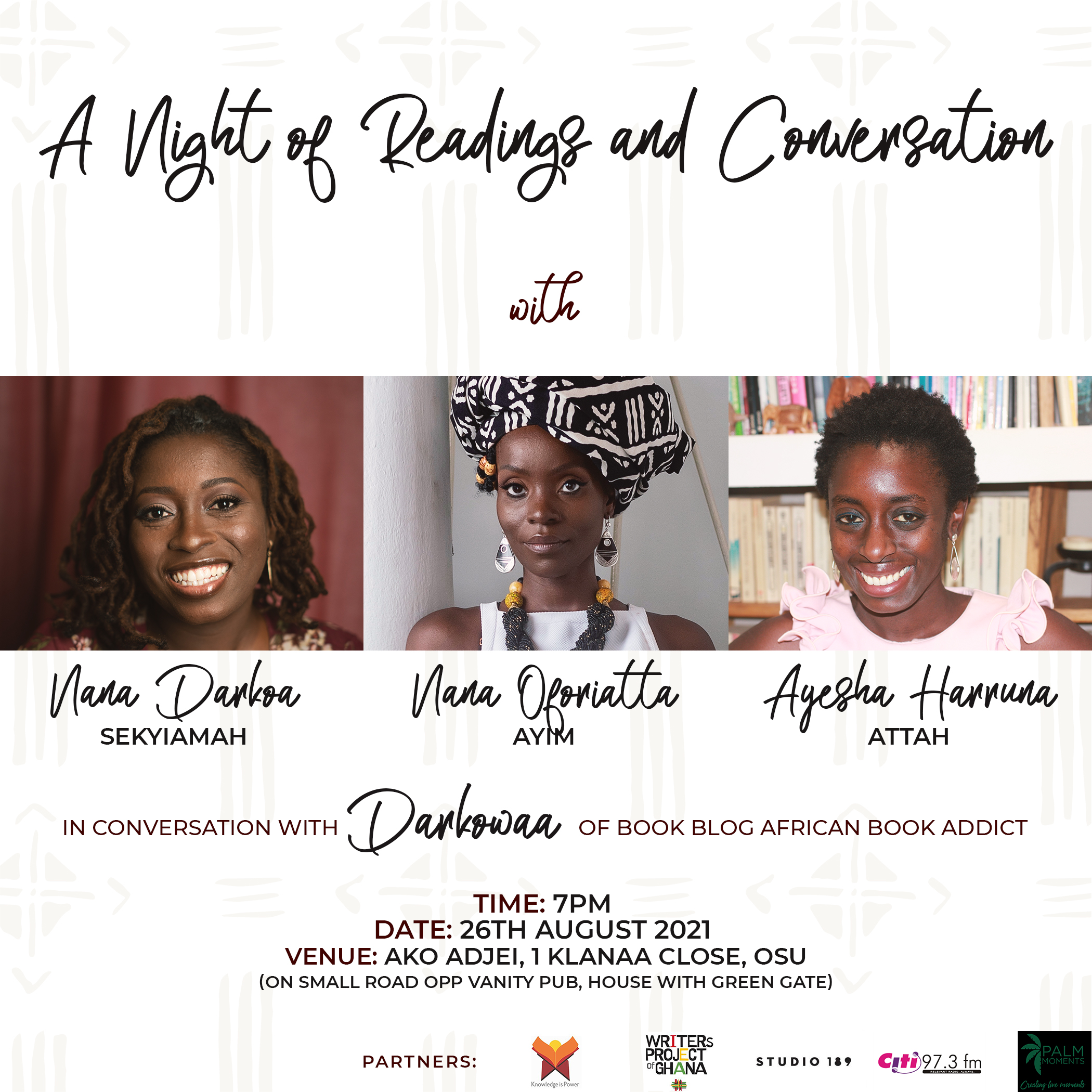
Flyer for the three-way event with Ghanaian women writers.
In August, I had the privilege of moderating a wonderful reading event with three brilliant Ghanaian women writers – Nana Darkoa Sekyiamah, Nana Oforiatta Ayim and Ayesha Harruna Attah. It was a dream come true to be in the midst of Ghanaian women writers that I admire and have loudly celebrated on this platform (via #ReadGhanaian) since 2017. The event was held at Studio 189 in Osu, with an audience of about 50 people in total. The venue was cute and the event was pretty rich and vibrant.
After the event, I realized how starkly different it is to discuss books with writers versus readers. When I’m discussing literature with writers, it’s usually in the presence of an audience, in a Q & A format. There is some level of performance on my part, as I try and ask questions that would give the audience context to the books being discussed, while avoiding spoilers as much as possible. Unless I’m out to dinner with a writer, I don’t feel like I’m able to truly be myself because of the audiences’ presence and my nerves acting up as I try to sound intelligent in keeping the conversation flowing spontaneously.
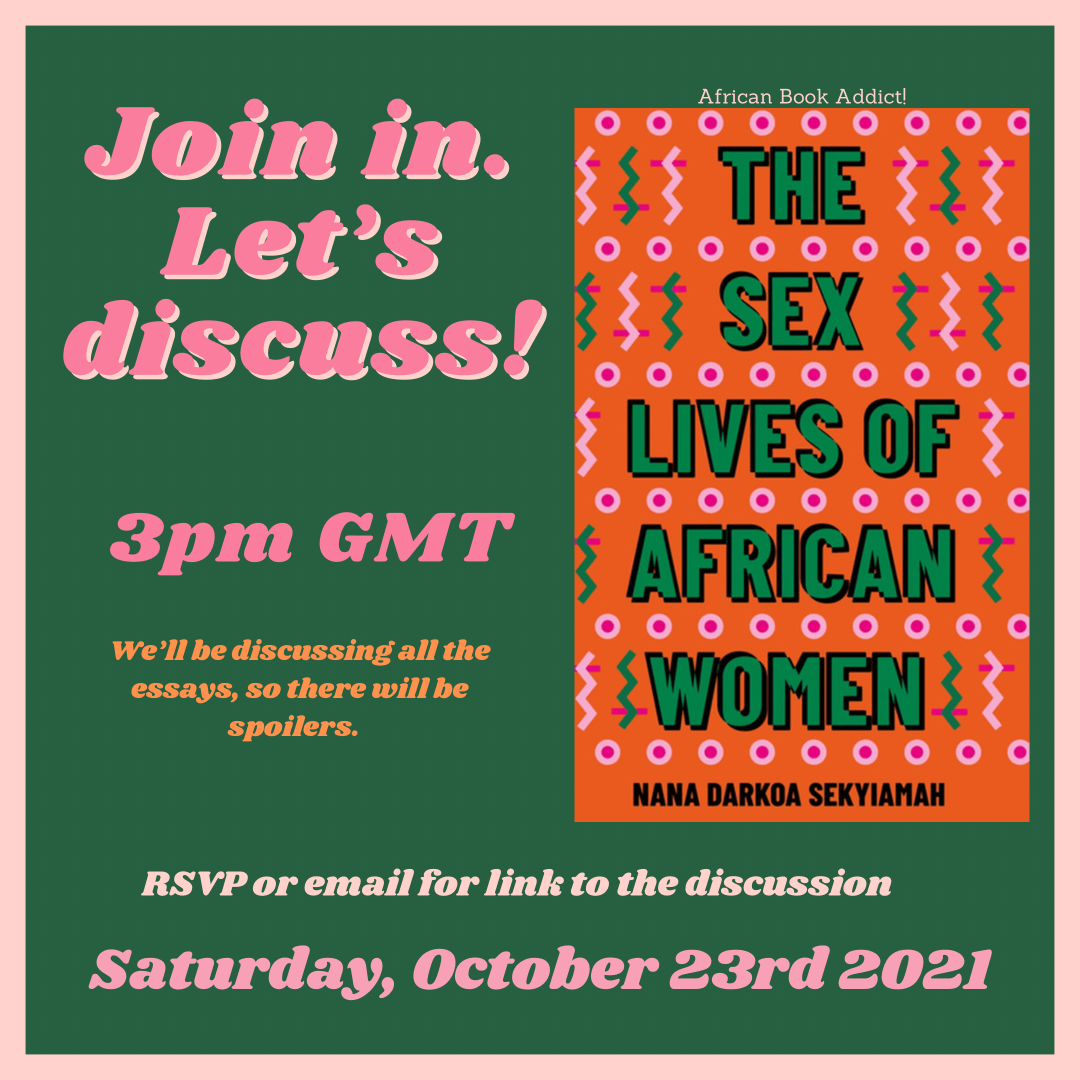
Flyer of the virtual readers’ discussion on Sekyiamah’s collection.
On the other hand, discussing literature with fellow readers feels more laid-back. I’m able to divulge my truest feelings when discussing books/characters/storylines; and just fellowshipping with other readers without an audience feels comfortable and less performative. Two weekends ago, I had a virtual discussion with some readers on Nana Darkoa Sekyiamah’s debut collection, and it felt wholesome! About fifteen womxn RSVP’d, but only five showed up – which was still great. While some readers were not able to finish the book, it was still an eye-opening, nuanced conversation. When I was in dental school, I didn’t have the luxury of time to join book clubs, as I had to focus on school material. And when I was in college (Middlebury College, VT), discussing Black books felt anthropological, so my African American literature class discussions tended to feel flat and very academic. Joining the Ghana Must Read bookclub allowed me to really enjoy discussing books with a group of people who came into the discussion with different perspectives. Maybe I should start a bookclub?
◊◊
Currently Reading:
I’ve read some timeless gems this year. The best book I’ve read thus far is The Sex Lives of African Women by Nana Darkoa Sekyiamah. I might have a review up soon – even though I really don’t have the words to do that collection justice. I’m currently reading fellow Ghanaian-American Zeba Blay’s debut – Carefree Black Girls: A Celebration of Black Women in Popular Culture – which is radically vulnerable and honest, in all the good ways. I’ve attended a couple of her virtual conversations on her book tour and I truly appreciate her deep thought and her love for Black womxn. I’m also finishing up Mikki Kendall’s Hood Feminism: Notes From the Women White Feminists Forgot on Audible – which is sooo smart, thorough and relevant. I have a true understanding of Black feminism, thanks to Mikki Kendall.
Immediate TBR:
Has anyone read The Secret Lives of Church Ladies by Deesha Philyaw? Jouelzy’s #SmartBrownGirl book club raved about it in September, so I just had to get a copy! I’m excited to get to it soon.
◊◊
Last but not least, here’s a music playlist that I’m most proud of. It’s a long-form mélange of: Indie Soul, Neo-Soul, Indie R&B, Jazz, Funk & J Dilla inspired Hip hop. 118 songs for a duration of 8 hours : 30 minutes. Enjoy this playlist with some Palm Wine!
A Spotify Playlist: PalmWine Seltzer, by me. Enjoy
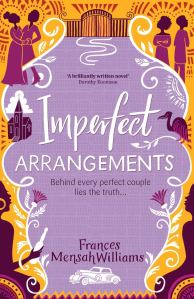
Any fans of Frances Mensah Williams’ work in the house? I’ve been slowly working my way through some compelling Black Brit reads and Williams’ work has been on my radar for a hot minute! Frances Mensah Williams is a Ghanaian-British author of many books. If you remember, back in 2017 she was one of the 80+ Ghanaian writers highlighted in the 3-part series I did on Ghanaian writers and their books. Her latest novel – Imperfect Arrangements, was published back in March and from the synopsis, this novel looks juicy and satisfying!
In the sun-soaked capital of Ghana best friends Theresa, Maku and Lyla struggle with the arrangements that define their relationships.
Ambitious, single-minded Theresa has gambled everything to move with her loving husband Tyler from London to cosmopolitan Accra. But when shocking developments threaten their plans, they also expose the hidden cracks in her fairytale marriage.
Feisty Maku is desperate for professional recognition – and her dream white wedding. But how long can she wait for her laid-back partner Nortey to stop dreaming up pointless projects from the comfort of his local bar and stand up to his family?
Churchgoing Lyla married Kwesi in haste, and six years later she is desperate for a child. But while she battles a vicious mother-in-law, and her growing attraction to the mysterious Reuben, her husband has bitten off more than he can chew with his latest mistress.
Facing lies, betrayal, and shattered illusions, each couple must confront the truth of who they have become and the arrangements they have enabled. Against the backdrop of a shifting culture, each woman must decide what – and who – she is willing to sacrifice for the perfect marriage.
••
I had the honor of chatting with Williams about her novels, the first book she read by a Ghanaian writer, Black writers who influence her work and more. Enjoy!
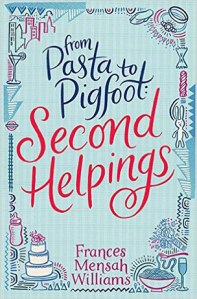
I recently purchased From Pasta to Pigfoot, and I know there is a sequel called From Pasta to Pigfoot: Second Helpings. I’m eager to read your latest novel, Imperfect Arrangements, which was published back in March of this year. How long have you been a writer and what other books have you written?
FMW:I’ve been writing for as long as I can remember; from the early scribbles of my teen years to writing careers books and then, eventually, writing novels.
I’m so pleased you bought From Pasta to Pigfoot! It’s my first novel and very special to me. I wrote the initial draft years ago when I was living and working in Ghana. I wanted to explore the contemporary diaspora experience with the character of Faye Bonsu, a Black British Londoner and pasta fanatic, who’s torn between the culture she’s grown up with and the Ghanaian culture she’s supposed to connect with. Her story mirrors so many of the challenges young Britons of African descent face, and I wanted to depict how navigating between two cultures can be painful, illuminating and occasionally hilarious. In the novel, Faye gets the chance to visit Ghana and discovers that understanding your history can give you the confidence to choose your future.
There is indeed a sequel – From Pasta to Pigfoot: Second Helpings. This picks up Faye’s story three years after the end of the original book. Hoping to escape from her suddenly complicated life and revive her wilting romance, Faye returns to sunny Ghana for what she hopes will be the time of her life. But life doesn’t always offer second chances and when disaster strikes, she is forced to confront the biggest question of her life and to make a choice that comes with consequences she will have to live with forever. I really enjoyed writing this book because Faye’s experiences are so relatable: the boyfriend who never seems ready to commit, the merciless boss who makes you struggle for promotion, the mother-in-law that drives everyone crazy, the bridezilla you love but want to kill – and the struggles we face when we’re trying to have it all!
I read an excerpt of Imperfect Arrangements, in the form of a short story, on AFREADA. In the excerpt, Theresa is at the hospital and she’s shocked to find out that she’s pregnant. By the end of the story, I really wanted to indulge in the lives of the three best friends – Theresa, Maku and Lyla. Why was it important for you to write this story that focuses on three best friends who struggle with the arrangements that define their relationships?
FMW: I first had the idea for Imperfect Arrangements when I was living in Ghana and found myself fascinated by the many arrangements that passed as marriage. As is the case in every part of the world, a perfect relationship really doesn’t exist, and when you layer cultural expectations onto the strains of any relationship, the pressure it brings will reveal the truth.
In Imperfect Arrangements, I chose to write about best friends Theresa, Maku and Lyla because I wanted to celebrate the importance of sister-friends and depict an honest account of the complexity of relationships, both romantic and between best friends. I wanted to explore the joy and pain of relationships, particularly with the added pressures of cultural expectations and norms, and to tell the story from the perspectives of both the women and the men in their lives. Unusually, we also see the story unfold from the viewpoints of the three men in the relationships.
Did you learn anything about yourself while writing Imperfect Arrangements? What about your previous novels – especially From Pasta to Pigfoot and From Pasta to Pigfoot: Second Helpings?
FMW:That is an interesting question! I think I learned a lot as a writer while working on Imperfect Arrangements. The story takes place over one year and is structured in layers – every three months – with the action unfolding through the eyes of each person in the three couples. It was quite a challenge to keep the story moving at pace while ensuring that the characters grew into rounded and realistic people. The three women are very different to each other and, much as they love one another, they also experience the frustration and irritation that we all feel with our besties – loving them, but still keeping it honest and real!
I think this is a story that no-one can read without examining their own relationships and friendships. Although the three couples face different challenges, their situations reflect what so many people grapple with: lies, betrayal, adultery, interfering families, stagnant careers, and more.
Writing From Pasta to Pigfoot was an interesting journey for me; seeing Ghana through the eyes of Faye and depicting her struggles to connect both aspects of her cultural identity. Having myself mostly grown up outside Africa, although Faye and I are very different personalities, I could empathise with her feelings and her dilemma about where to call home.
Some writers dislike being ‘pigeon-holed’ and labelled as ‘African writer’ or ‘Black writer.’ How do you prefer to be identified as a writer? Who do you write for and do you think your novels can be categorized under one genre?
FMW: This is something I get asked a lot. There’s so much debate what constitutes ‘African’ writing and who gets to be called what or has the authority to tell which stories. Because of my heritage and some of the settings in my books, I’m often asked whether I consider myself to be an African writer, a diaspora writer or (sometimes with a slight tinge of disappointment) just a romance writer.
As far as I’m concerned, I’m just writing stories, but the publishing world likes to pigeonhole books for marketing purposes. Broadly, my books fall into the category of ‘commercial women’s fiction’ and for some people that’s enough. There are also those who describe it as ‘chick lit’, which doesn’t offend me, although I know many men who enjoy them, so I’m not sure that properly reflects the content.
For me, what really matters is that readers see my characters as more than simply their ethnicity. By setting Imperfect Arrangements in Ghana, one of my hopes is that it takes the conversation beyond the issue of race, as all the main characters are African. I also hope my books show that irrespective of our backgrounds, we all share the same desires for love of self, love of others, being seen and belonging. So, to answer your question, I’m an African woman and a writer, but I guess I’ve now reached the point where I leave the labelling to those who find it useful, while I focus on writing stories people can enjoy.
What have you been reading and loving lately? Who are some of your favorite Black writers and influencers of your work?
FMW: I enjoy many different types of books – a legacy from being a book addict as a child and reading anything which sounded halfway interesting that I could get my hands on in the local library. I love character driven stories with lots of dialogue: courtroom dramas, rom-coms, thrillers, murder mysteries, biographies, historical dramas – you name it.
My favourite Black writers include Dorothy Koomson, whose books I love, and Terri McMillan, whose books I read voraciously. If I’m honest, I’m probably not as widely read when it comes to African writers, but I’ve really admired the work of fellow Ghanaians, Yaa Gyasi and Ayesha Harruna Attah.
Dorothy Koomson
Yaa Gyasi
Terri McMillan
Ayesha Harruna Attah
In 2017, you were featured in my3-part series #GHat60 project, where I highlighted and celebrated over 80 writers of Ghanaian descent (which later became the#ReadGhanaianbook challenge, in 2019). Do you remember the first book you read by a Ghanaian writer? If so, what book was it and how was the experience?
FMW: I guess that would be probably be The Chocolate Run by Dorothy Koomson. I was attracted to the novel because her name was clearly Ghanaian, and I was desperate to discover Black writers who also wrote commercial, contemporary, women-driven novels. When I read The Chocolate Run, I was blown away by the realisation that there was indeed a market for books about serious issues written in a fun way, and featuring Black female protagonists who were firmly at the centre of the story, instead of at the margins.
Finally, why would you like us to read your latest novel – Imperfect Arrangements? What would you like reader to take away from the story?
FMW: I would love you to read Imperfect Arrangements firstly because – if I say so myself – it’s a great story! I love the characters and I want to take the reader on a roller coaster journey as they get to know the women and their partners. I want you to laugh, cry, grow very frustrated, and cheer! I want every reader to feel exactly what drives and motivates each of the six main protagonists, and to understand what makes them who they are and why the behave as they do.
I want the story of Imperfect Arrangements to provoke a conversation about the themes that arise in the novel: relationships in contemporary Ghana/Africa; myths and expectations confronted by the realities of marriage; friendship and sisterly love between women; the impact of culture on marriage and attitudes towards adultery and infertility in contemporary Ghana/Africa; the power of family versus the individual; the diaspora returnee experience; and the Black male perspective on relationships.
I also want readers to realise that love – whether it is love of self or love between friends or lovers – is the greatest gift of all.
It’s been a very trying time, worldwide. I hope everyone is staying (home) safe and not allowing COVID-19 to get us down. Hopefully, all this chaos will subside sooner than later – let’s stay positive!
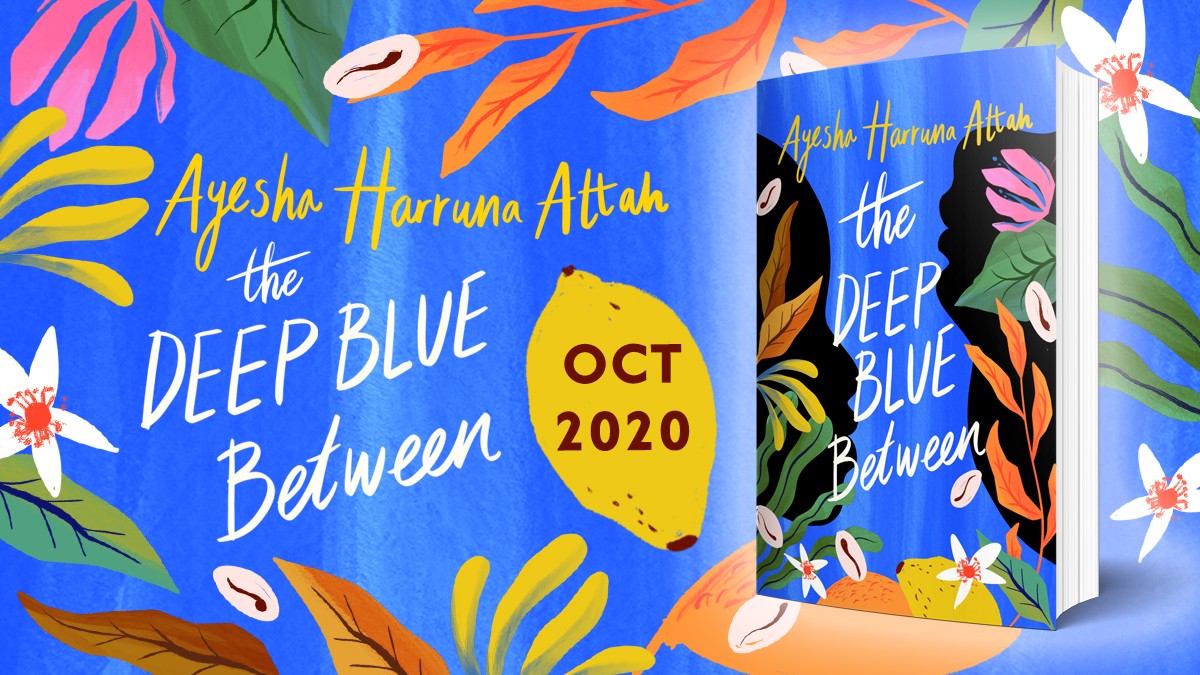
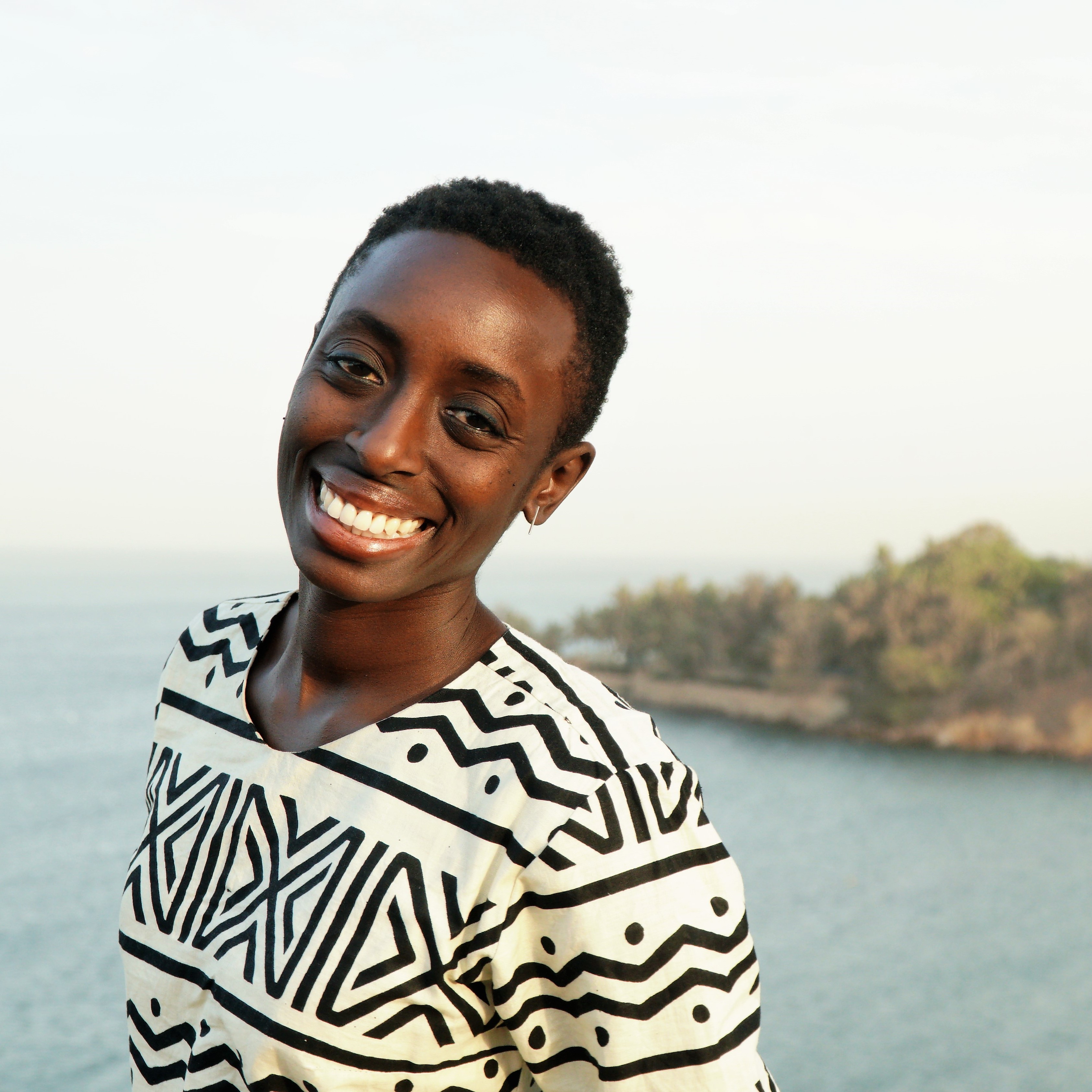
Anyone who frequents this book blog knows I admire the work of Ghanaian writer, Ayesha Harruna Attah. I’ve read (and reviewed) all of her books and I just really resonate with her writing – the subject matter, the writing style, the character-driven plots etc. In my annual post on New Books To Anticipate this year, I mentioned that she would be releasing a YA novel. Today, we are revealing the book cover of this new novel – The Deep Blue Between, which will be published by Pushkin Press in October 2020!
••
Check out the synopsis for The Deep Blue Between below:
A sudden, brutal slave raid tears twins Hassana and Vitória apart, taking them far away from each other. Hassana goes to Accra, where she builds a new family and finds a place for herself in the political world; Vitória goes to Salvador, Bahia where she lives and works with a Priestess, worshipping the gods of the motherland.
But no matter the different obstacles and adventures they encounter, the sisters never forget one another. They remain bound together by their dreams, and slowly their fates begin to draw them back together.
Rich in historical detail, this epic, moving novel evokes a time of great change in West Africa, when slavery has been abolished but colonialism is taking hold, through the lives of two bold young women who are shaping their changing society.
A TEEN FEMINIST EPIC OF LOVE, COURAGE AND DETERMINATION
I connected with Ayesha for some insight into The Deep Blue Between. Enjoy our short book chat below, where she talks about the inspiration for her forthcoming novel and gives us a sneak-peek into the main characters!
The Deep Blue Between is your 4th forthcoming novel, congratulations on this achievement! The book cover is so vibrant and glorious. It feels like yesterday that your 3rd novel, The Hundred Wells of Salaga was published. What was your inspiration for this new novel and how long did it take you to write?
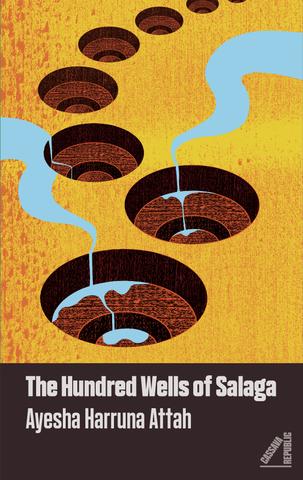
AHA: Thank you! The Hundred Wells of Salaga was the direct inspiration for The Deep Blue Between. This new novel follows twins Hassana and Vitória after they are separated in a human caravan – the same one which sent Aminah to Kintampo and then on to Salaga. Hassana and Vitória are Aminah’s little sisters! After writing The Hundred Wells of Salaga, I couldn’t let go of the girls and had to find out what happened next. Since I knew the sisters well – or at least what they were like at age nine – the story poured out of me and I was able to complete a first draft of the book in five months.
From my knowledge of your previous novels, this is your first book in the (Young Adult) YA genre. Did this genre affect your approach in writing The Deep Blue Between? Does writing a YA novel target a specific audience?
AHA: Yes, it is my first YA book, but in my second novel Saturday’s Shadows, Kojo, one of the four protagonists, is a teenager. I had such a good time writing his character that I was excited for the chance to do so again, even if this time I was working with teenagers living in the 19th century. I let the girls guide me and just wrote the story. It was in rewriting that I started worrying about which parts might have been a stretch for a young adult reader.
Even though I wanted to write a book that teenage Ayesha would have loved to get lost in, I also know that when done well, even adults love YA!
What was the best part about writing Hassana and Vitória’s dynamic?
AHA: I think it was the magic of their journeys. It almost felt as if I were a medium. All I had to do was allow my senses to be open to let their stories in. I also especially loved researching the worlds of Accra, Lagos, and Bahia in the 1890s.
While reading Harmattan Rain, I saw bits of my life reflected in Sugri’s character and in The Hundred Wells of Salaga, Wurche’s character traits mirrored some of mine. How much of your personal life is seeped into The Deep Blue Between?
AHA: My family is filled with twins, so I tried to tap into that energy to write The Deep Blue Between; even my last name – Attah – means twin. Although Hassana and Vitória are so different, it’s inevitable that they both have parts of me. While I probably identify more with Vitória’s introversion, some of Hassana’s compulsions are totally mine!
Why would you like readers to indulge in your forthcoming, The Deep Blue Between? What would you like us to take away from the story?
AHA: I really enjoyed working on The Deep Blue Between and I hope the reader feels that sense of joy and wonder that kept me going as I wrote. It’s a fantastic story about the connection between people, and the unseen things that are at work in this strange world of ours – the strength of community and the power of dreams.
Special thanks to Elise Jackson, Poppy Stimpson (of Pushkin Press) + the rest of the team at Pushkin Press and Ayesha Harruna Attah for this wonderful Cover Reveal collaboration!
Instead of using the word ‘goals’, I’ll use the word ‘intentions’. Goals are focused on a specific achievement, while intentions are lived on a daily basis – which is how I intend my reading experience to be every year. My past reading intentions have been tough to adhere to, so this year I hope to set some reasonable ones.
I’ll continue to read what my mood calls for. I don’t have a set number of African, Caribbean or African-American books to read nor do I have a specific number of books written by women or men I’d like to read either. I like to track books read each year via Goodreads, so entering the Goodreads Reading Challenge helps me do that. Every year I like to declare a goal of at least 18 books as a set point, just to help me gauge my reading experience for the year. I’ll probably read a fewer number of books this year as DENTAL SCHOOL life is very real at the moment. I’ll just be going with the flow – no need to make reading stressful. Reading isn’t a race or competition – at least not for me.
Below are some intentions I’ll be considering during the year:
[Some books I plan to (re)read during the first quarter of the year]
To READ MORE GHANAIAN LITERATURE. 2 years ago during Ghana’s 60th Independence Anniversary, I showcased over 75 Ghanaian writers and their books. It was a daunting, yet fulfilling mini project that I’m very proud of! As I was researching the writers and books for the project, I realized I had read just a handful of the books highlighted.
As a Ghanaian, its important for me to read and celebrate the work of writers from my homeland. I recently decided (on Twitter) to start the #ReadGhanaian Book Challenge. Ever since I announced the book challenge with the guidelines (below), many other readers seem to be participating as well! I hope to read at least 5 books by Ghanaian writers this year. Please join me in this challenge, if you can! Ghanaian literature is so underrated.
••
To RE-READ BOOKS I LOVED IN THE PAST. Some readers don’t believe in re-reading books. We live in an age where the hype of new releases makes us forget the phenomenal books of earlier years. I personally don’t think books are meant to be read and forgotten. Books should be read, meditated on and read AGAIN whenever the need arises. So this year, I want to try and re-read at least 3 books I loved in the past (that haven’t been reviewed on this platform). I’m currently re-reading Americanah. The first time I read Adichie’s masterpiece was back in 2013, in October – a whole year before the concept of African Book Addict! was even conceived. So far, this re-read is triggering, but still a glorious experience!
••
ToCATCH UP ON MY BOOK REVIEWS. I’ve incorporated interesting book chats and discussions onto this platform. I plan on continuing the book chats, but I must stay true to the essence of this book blog – which was initially (and still is) a book reviewing / book recommendations space. I have a growing backlog of book reviews from previous years that I plan on posting throughout this year.
••
To FIND TIME TO INTERACT/COMMENT ON MORE BLOGS POSTS from some of my favorite blogs. 2018 was sooo hectic for me, thanks to school. I didn’t even find the time to post a re-cap of my reading year! I follow so many brilliant blogs – Leslie’s Folklore&Literacy, Anais’s Zezee With Books, Zahrah’s Bookshy, Celestine’s Reading Pleasure, Osondu’s Incessant Scribble, Michelle’s Me, Intimately Worded, Didi’s Brown Girl Reading,Kinna Reads, Madamebibliophile, Joanne C. Hillhouse’s JHOHADLI, just to name a few! I’d really like to make a conscious effort to comment more on posts by these amazing writers/bloggers.
I think Bookstagram has been quite distracting for me. While I’ll always value excellent (book) blogs over Bookstagram (this is just my preference – don’t come for me!), it’s a bit easier interacting with other readers and posts on that platform especially since it’s photo-based with less text. Regardless, community is very important to me and I’d like to get back to interacting with other bloggers and writers on their various blogs/websites. I miss the camaraderie and recommendations (of books, TV shows, movies, podcasts) I used to receive from these interactions.
••
To LISTEN TO AT LEAST 3 AUDIOBOOKS. Back in August, I reviewed4excellent audiobooks. As an avid consumer of numerous podcasts, audiobooks – especially essay collections and non-fiction (read by the author), act as extended podcast episodes for me. I’d love to indulge in Michelle Obama’s memoir via audiobook this year, as well as two other gems. I’m open to any great recommendations!
••
To continue to READ FOR AT LEAST 40 MINUTES A DAY. I’m a 5th year dental student (I’m in a 6-year program) so my nose always has to be in a textbook, in group-study discussions or in the lab/clinic completing requirements and attending to patients. But if I’m able to continue to dedicate 40 minutes a day to just reading leisurely, I think that would keep me sane.
I have other intentions – like, collaborating with other creatives, donating to more literary causes, planning events etc. But these intentions are a bit more personal and will be shared if/when the time is right!
Here’s to a successful year of reading (with few reading slumps), for all of us!
It’s almost the end of the 1st month of 2019, have you figured out your reading intentions/goals yet? Please do share some!
Christmas is right around the corner and I have some new wishes for Santa! Incase you were wondering, I acquired two of the books from my 2017 wish list – Black Cool: One Thousand Streams of Blackness edited by Rebecca Walker and Always Another Country by Sisonke Msimang (which I’m currently reading). Below are books on my 2018 Christmas wish list:
(not in order of preference; click titles to read the blurbs on Goodreads)
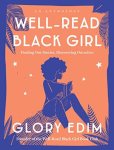
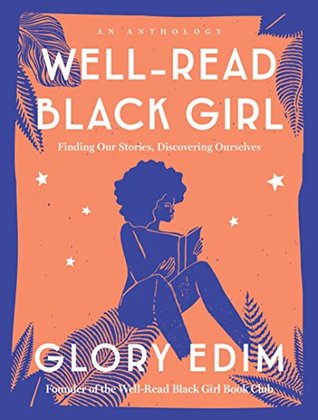
I’ve already ordered by copy of Glory Edim’s Well-Read Black Girl: Finding Our Stories, Discovering Ourselves, so this is definitely a Christmas treat to myself. We all love and relate to stories that specifically speak to us – us, black women; and this anthology prides itself on discussing the importance of recognizing ourselves in literature. I’m ready to be inspired by the contributors of this anthology and especially look forward to the pieces by Zinzi Clemmons, Gabourey Sidibe and Glory Edim! If you’ve already indulged in this anthology, how did you like it?
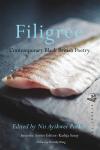
“Filigree typically refers to the finer elements of craftwork, the parts that are subtle; our Filigree anthology contains work that plays with the possibilities that the word suggests, work that is delicate, that responds to the idea of edging, to a comment on the marginalization of the darker voice. Filigree includes work from established Black British poets residing inside and outside the UK; new and younger emerging voices of Black Britain and Black poets who have made it their home as well as a selection of poets the Inscribe project has nurtured and continue to support”
This anthology is fairly new – it was published November of this year. I hope to indulge in it soon and I especially look forward to the poems by the poets of Ghanaian descent: Victoria Adukwei Bulley, Nana-Essi Casely-Hayford, Louisa Adjoa Parker, as well as the other contributors! The collection is edited by Ghanaian-Brit writer/poet Nii Ayikwei Parkes (with a preface by Professor Dorothy Wang), so I know this anthology will be worth the read.
I’m a huge Jamaica Kincaid fan. I’ve read a good number of her work and still have a couple of books to finish before I can confidently declare that I’m an OG fan. Talk Stories (how chic is the book cover?!) is a book I’d love to add to my collection. It’s a collection of her original writing for the New Yorker’s ‘Talk of the Town’ column, where the young Kincaid (fresh from Antigua) wrote on her experiences in New York back in the late 1970’s – early 1980’s. I expect these stories to be humorous, thoughtful, slightly miserable and sensitive – in good ol’ Kincaid style!
Check out Jamaica Kincaid’s pieces from the 1970’s to the early 2000’s – The New Yorker
Everyone has been raving about this short story collection! I’m seriously out of the loop. Some of my online bookish-friends describe this collection as intense, raw, too much – the list goes on. According to the blurb:
‘Adjei-Brenyah reveals the violence, injustice, and painful absurdities that black men and women contend with every day. These stories tackle urgent instances of racism and cultural unrest and explore the many ways we fight for humanity in an unforgiving world.’
Another thing that attracts me to this collection is that fact that Nana Kwame Adjei-Brenyah is of Ghanaian descent. If you follow me on social media (Bookstagram & Twitter), you’d know I’m all for supporting Ghanaian literature/Ghanaian writers, hence I created the #ReadGhanaian hashtag where readers can explore the plethora of books by Ghanaian writers out there. Friday Black is at the top of my TBR!
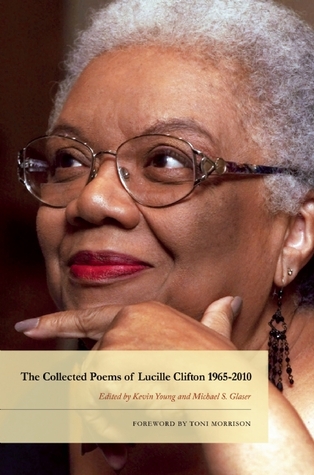
This collection is 720 pages! I’ve only read a few of Clifton’s poems online, or quotes from friends who are fans of her work. Her poem – won’t you celebrate with me is pure brilliance:
These are the types of poems that speak to me directly. Poems like this are comforting and unforgettable. It’s written so eloquently, but echoes loudly. I’d be privileged to own any of Lucille Clifton’s work and the generations after me would benefit from The Collected Poems of Lucille Clifton 1965-2010 as part of my collection of books as well.
What books are on your Christmas wish list? Please share some titles!
Do you listen to music when you read? If you do, what kind of music goes well with the books you read?
I like many different genres of music – Neo-soul / Soul (think Raphael Saadiq, Georgia Muldrow, Jill Scott, Bilal, Erykah Badu, D’Angelo, Sade etc), Jazz (think Robert Glasper, Thelonious Monk, John Coltrane etc), Rap/Hip hop (think The Roots, J-Hus, Kendrick Lamar, A Tribe Called Quest, Noname, Sa-Ra, J Dilla etc), R&B (think Faith Evans, The Internet, Moonchild, Res, The Foreign Exchange etc), Highlife (think Ebo Taylor, Osibisa, Kwadwo Antwi), Afrobeats (think Wizkid, Tiwa Savage, R2Bees, KiDi, Davido, Simi), I could go on and on!
I prefer reading in silence, but when I listen to music while reading, I like to listen to music without any words (especially not Rap), just so the words being sung don’t jumble with the words I read. Music has always been a form of storytelling. I love vibing to the beats and rhythms of music, but once I pay close attention to the lyrics of a song, I’m opened up to a new world.
Lately I’ve been trying to figure out what songs or albums would go well with some of the great novels, short story collections, magazines, poems I’ve read in recent years. I asked Hakeem Adam (who’s knowledge in ALL things Black culture and the arts is vast!), the founder of Dandano – a Digital platform dedicated to the distilled love of African Film and Music, to help me pair some great songs and albums to great literature.
Enjoy our final pairings below!
Fairytales for Lost Children by Diriye Osman – Comfort Woman by Me’shell Ndegeocello
In this phenomenal collection of eleven stories, Brit-Somali writer & visual artist – Diriye Osman, incorporates lots of Neo-Soul (my ultimate favorite music genre) and old school Hip-Hop music into his stories. He refers to Me’shell Ndegeocello’s 2003 soul album, Comfort Woman in about three of the stories, so I just had to purchase her album after I read this collection!
•
‘Come smoke my herb
Make your heart like the ocean
Your mind like the clear blue sky’
(lyrics from Come Smoke My Herb from album- Comfort Woman)
•
The song Come Smoke My Herb in particular pairs excellently with Osman’s liberating collection. The dreamy instrumentals take you to another planet with Me’shell’s soothing voice. Comfort Woman is such a ‘feel good’ album that can be played back-to-back to help anyone relax and feel free! In the same way, readers around the world will find solace in Fairytales for Lost Children as Diriye Osman’s stories speak on being true to yourself, following your heart and the universal human need to love one another, regardless of sexual orientation, race, occupation, religion – by Darkowaa.
Blackass by Igoni Barret – Fantastic Man by William Onyeabor
William Onyaebor, despite being a mystery man is one of the most brilliant African electronic musicians. His story is weird and almost unbelievable, but not as unbelievable as Ignoi Barret’s Blackass. The Lagosian remix of Kafka’s Metamorphoses is the kind of book you love and hate and love all at the same time. The writer engages the simple mechanics of Kafka’s classic to engineer a riveting story about race and colorism in modern Nigerian society. Similarly, William Onyaebor also transformed the not so simple mechanics of the Moog synthesizer to redefine how electronic music was created.
In both pieces of art, there exists this mystery that marries them – where William Onyeabor’s brilliance and life in general has been a source of fuel for myth makers in the music world, Ignoni Barret’s main character lives an even greater myth, defying logic yet remaining real enough for us to identify with and appreciate – by Hakeem Adam, founder of Dandano.
No Disrespect by Sister Souljah – The Miseducation of Lauryn Hill by Lauryn Hill
Sister Souljah’s memoir, No Disrespect (published in 1995) and Lauryn Hill’s debut solo album, The Miseducation Of Lauryn Hill (released in 1998) are both classics, in my opinion! My dad got me Lauryn Hill’s album back in year 2000 and I’ve kept it safe ever since! Hill’s album pairs well with Souljah’s memoir as they both speak on love found and love lost while exploring the growing pains & joys of Black womanhood.
While songs like Ex Factor and Forgive Them Father deal with heartbreak and betrayal, Souljah vividly takes readers through bitter heartbreaks as she vicariously lives through her mother’s numerous, toxic relationships as well as her own heartbreaks from the married men she naively entertained. More intimate tracks like Nothing Even Matters feat (my favorite!) D’Angelo pair well with Souljah’s bold, explicit descriptions of her physical features and her intimate interactions with the men who miseducate her on love and life – by Darkowaa.
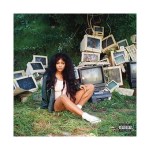
One thing Emezi’s debut Freshwater and SZA’s Ctrl album have in common is how angsty their masterpieces are.
Akwaeke Emezi and SZA’s work may not be for everyone, but I personally found solace in reading/listening to how prevalent anxiety and insecurity are among women my age (late twenties). While Emezi explores the difficulties of loving and accepting oneself in Freshwaterthrough Ada’s character, the songs on SZA’s Ctrl openly speak on the many issues we 20-something women face in the dating world today, growing pains, vulnerability, self-esteem, self love (or lack thereof) and femininity, which I truly resonate with. SZA’s relatable messages coupled with catchy melodies are what keep me going back to re-listen to songs like 20 Something, Supermodel, Broken Clocks, Gina etc.
‘How could it be?
20 something, all alone still
Not a phone in my name
Ain’t got nothin’, runnin’ from love
Only know fear
That’s me, Ms. 20 Something
Ain’t got nothin’, runnin’ from love
Wish you were here, oh’
•
‘Why I can’t stay alone just by myself?
Wish I was comfortable just with myself
But I need you, but I need you, but I need you’
Both Emezi and SZA do a great job of bolding exploring how we all battle with ‘other selves’ within us – in the form of our blended temperaments, alter egos and moods, through embracing vulnerability – by Darkowaa.
As The Crow Flies by Véronique Tadjo – Find Your Free by Ria Boss
There is something beautiful about the technique of vignetting, especially in literature, by presenting a glimpse of an image and allowing the reader to wander. In Véronique Tadjo’s deeply poetic collection of vignettes that is As the Crow Flies, you flip through these loosely knit images around love and loss.
In some way, Ria Boss’ debut EP – Find Your Free, also presents sonic vignettes that could easily flow in the same rhythm as the stories in Tadjo’s book. The deeply soulful singer/songwriter bares out intimate truths about life, love and survival. Her lyrics weave trinkets of poetic gold as she creates a warm and fuzzy mood to aid her own healing. Just like in Tadjo’s book, Ria’s vignettes are layered, revealing more detail, the harder you interact with the songs – by Hakeem Adam, founder of Dandano.
What are some of your favorite book-music pairings? I’d love some book-music pairing recommendations, or any good music you think goes well with reading!





















 African Book Addict!