Sweet Medicine by Panashe Chigumadzi

Date Read: June 3rd 2016

Published: 2015

Publisher: Blackbird Books

Pages: 203

sweet medicine

The Blurb

Sweet Medicine is the story of Tsitsi, a young woman who seeks romantic and economic security through ‘otherworldly’ means. The story takes place in Harare at the height of Zimbabwe’s economic woes in 2008.

โ—Šโ—Š

Review โ€“ โ˜…โ˜…โ˜… (3 stars)

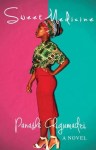
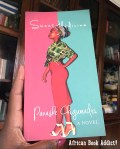
Sweet Medicine is a good debut! Don’t you love the book cover? It’s one of the reasons I just had to have this book. In between reading, I watched interviews and talks on YouTube that featured Panashe, where she spoke on racism in South Africa (where she was raised. She’s originally from Zimbabwe), feminism and the makings of an online magazine she founded – Vanguard Magazine, which is a womanist platform for young black women in South Africa speaking to the intersectionality of queer politics, Black Consciousness and pan-Africanism. Panashe is simply an amazing inspiration, and she’s only 25!

Set in present day Zimbabwe, Tsitsi – the main character, seems to be a victim of the economic crisis in Zimbabwe. Throughout this novel, she does all she can to achieve economic and romantic stability through ways that seriously contradict her staunch Christian upbringing. I must say – it was hard not to judge Tsitsi while reading this novel. Her forbidden relationship with Mr. Zvobgo (a rich man who’s recently divorced from his wife) was uncalled for, yet understandable, I guess? Unfortunately, just like Tsitsi in Sweet Medicine, many young women find themselves at the mercy of rich men as they try to survive in the midst of economic crises. This novel tackles several dichotomies of dilemmas Tsitsi and other ordinary women (even with university degrees) suffer thanks to the terrible economic states of their nations, like – desperation versus true love; spirituality versus worldliness; feminism versus patriarchy; tradition verses modernity; poverty versus abundance, and much more.

Sweet Medicine might be one of the few African novels Iโ€™ve read, where I can confidently say is written for Africans โ€“ Zimbabweans to be exact. Panashe unapologetically throws readers into Zimbabwean slang & Shona and into the happenings of Zimbabweโ€™s economic crisis โ€“ as if we are natives! Initially, Sweet Medicine was a little challenging for me to read as it took me a while to adjust to the writing style and the myriad of Shona expressions and phrases blended into the dialogue. But once I got the hang of it, I enjoyed the measured suspense of Tsitsi and Mr. Zvobgo’s undulating relationship issues, as well as the glimpses of Zimbabwean life Sweet Medicine fed me.

If you get the chance to read Sweet Medicine, just immerse yourself into the atmosphere of 2008 Zimbabwe for about 200 pages. Cringe at the silly interactions and exchanges between Tsitsi and her super bold sister-friend, Chiedza. Appreciate Tsitsiโ€™s relationship and her tortuous quandary of wanting to live a comfortable life (and provide for her family) with the man of her dreams versus wanting to honor God and her mother. And when youโ€™re done, go back and admire the ultra-chic book cover which I believe, embodies Tsitsiโ€™s persona. Sweet Medicine made for a decent summer read! I recommend this โ€“ especially to readers who’ve been longing to read a contemporary African novel, written for us โ€“ Africans.

P.S: I have an extra, brand new copy of Sweet Medicine which I will be giving away- amongst other goodies during my hosting the second and last give-away of the year. Stay tuned! ๐Ÿ™‚

โ˜…โ˜…โ˜… (3 stars) โ€“ Good book. I recommend it, I guess.

IMG_4283

Purchase Sweet Medicine on Amazon

African Love Stories: An Anthology edited by Ama Ata Aidoo

Date Read: January 23rd 2016

Published: 2006

Publisher: Ayebia Publishing

Pages: 249

aidoo

The Blurb

African love stories? Is that not some kind of anomaly? This radical collection of short stories, most published in this edition for the first time, aims to debunk the myth about African women as impoverished helpless victims. With origins that span the continent, it combines budding writers with award-winning authors; the result is a melting pot of narratives from intriguing and informed perspectives.

These twenty odd tales deal with challenging themes and represent some of the most complex of love stories. Many are at once heart breaking yet heart warming and even courageous. In Badoe’s hilarious ‘The Rival’, we encounter a 14 -year-old girl who is determined to capture her uncle’s heart. His wife, she decided would just have to go. Mr. Mensah the uncle is all of sixty years old.

Crafted by a stellar cast of authors that includes El Saadawi, Ogundipe, Magona, Tadjo, Krog, Aboulela, Adichie, Oyeyemi, wa Goro, Atta, Manyika and Baingana, there is hardly any aspect of women’s love life untouched. From labour pains to burials, teenagers to octogenarians, and not to mention race-fraught and same-sex relationships, the human heart is all out there: beleaguered and bleeding, or bold, and occasionally triumphant.

โ—Šโ—Š

Review – โ˜…โ˜…โ˜…โ˜…โ˜… (5 stars)

I think I have a soft spot for anthologies. Anthologies help me discover new writers. African Love Stories: An Anthology is the second African womenโ€™s anthology Iโ€™ve enjoyed. In 2014, I reviewed Opening Spaces: Contemporary African Womenโ€™s Writing edited by Yvonne Vera (1999) and was thrilled by the diverse stories and cast of African women writers. I even took interest in the writers who were unfamiliar to me at the time, like Leila Aboulela and Lรญlia Momplรฉ.

I know what you were thinking when you saw the title, โ€˜African Love Storiesโ€™ – no, this is not a collection of sappy, romantic, unrealistic, happily-ever-after tales. African Love Stories: An Anthology is a collection of 21 contemporary short stories laden with breathtaking originality. The stories speak on: the issues inter-racial couples face, a womanโ€™s wrath when she discovers her lover is married, the lengths a village boy goes to rescue his wife-to-be, domestic violence, a child born out-of-wedlock who is scorned at her fatherโ€™s funeral, same-sex relationships, sisterhood, a motherโ€™s love, sacrifice and so much more. There are layered complexities in all 21 stories and the writers skillfully consummate each short tale such that readers ponder and cherish them, even days after enjoying the stories.

The women writers and the stories of this anthology span across the African continent โ€“ from Egypt to South Africa. Well-known authors such as: Nawal El Saadawi, Veronique Tadjo, Chimamanda N. Adichie, Leila Aboulela, Sindiwe Magona, Sefi Atta, Monica Arac de Nyeko, Helen Oyeyemi amongst others, are featured in the anthology. But I expected more diversity with respect to the countries represented in this collection. I didnโ€™t expect a lot of the stories (11 of them) to be written by Nigerian women – this is not a bad thing, donโ€™t get me wrong! I just wish there was a better mix of countries represented, as was in Opening Spaces: Contemporary African Womenโ€™s Writing edited by Yvonne Vera (1999). (Iโ€™m not comparingโ€ฆ but Iโ€™m comparing haha)

Anyways, I enjoyed all the stories from this collection (well, except two) and my faves were:

“Something Old, Something New” by Leila Aboulela (Sudan) โ€“ This is a story that chronicles the events that occur prior to a wedding between a young, muslim, dark-skinned Sudanese woman of the diaspora and a white, muslim man from Edinburgh. During their trip to Khartoum for the ceremony, several events occur that threaten their impending wedding. I really admire the calm manner of Aboulela’s storytelling, especially in this tale.

“The Rival” by Yaba Badoe (Ghana) โ€“ The Rival has got to be the most absurd story Iโ€™ve ever read! In this story, a wife tries her best to keep her marriage from falling apart by the twisted, affectionate love of her husbandโ€™s niece. Since when did nieces start falling for their uncles and dreaming of being the โ€˜madamโ€™ of the house? How awkward! Yaba Badoe created a masterpiece with this strange story.

“Tropical Fish” by Doreen Baingana (Uganda) โ€“ University student – Christine, finds herself sleeping with a British expat who exports fish to the UK. The story takes us through the inner thoughts of Christine as she tries to find herself โ€“ because she truly seems lost. I was disgusted and at times mad at Christine for tolerating the intolerable in this story. I loved how Doreen Baingana kept me on the edge of my seat while reading this! (I have Doreen Bainganaโ€™s novel Tropical Fish which this story is an excerpt from, and Iโ€™m excited to read it soon!)

“Needles of the Heart” by Promise Ogochukwu (Nigeria) โ€“ I enjoyed the easy, simple nature in the writing of this story. A woman marries a man who she discovers is a chronic abuser. She constantly finds herself making excuses for her husband, even while she suffers on hospital beds from his fury. The ending of the story had me wondering if the author actually condones domestic violence… This story is pretty scary, but holds a great message if you read in-between the lines.

The editor, Ama Ata Aidoo urges readers to enjoy this collection slowly:

Dear reader, it is highly recommended that you take these stories one at a time, so that you meet these African women properly and individually, and listen to them and their hearts: whether Sudanese, Kenyan, Ghanaian, Nigerian or Zimbabweanโ€ฆ (pg. xiv)

and I totally concur with her. I read these stories slowly and savored them. Why rush through such a rich anthology? Thatโ€™s no fun!

Even though this anthology was published in 2006 – about 10 years ago, I believe the content is ever so relevant to this day. I wholeheartedly recommend this collection to everyone. These contemporary stories may be set in countries in Africa, but the theme of love is universal to all!

โ˜…โ˜…โ˜…โ˜…โ˜… (5 stars) โ€“ Amazing book, I loved it. Absolutely recommend!

IMG_3007

Purchase African Love Stories: An Anthology on Amazon


GIVEAWAY ALERT!

February is the month of love, and Iโ€™d like to give away one brand new copy of this lovely anthology! Enter the giveaway below to stand a chance at winning African Love Stories: An Anthology. The winner will be announced a day after Valentineโ€™s Day โ€“ so you have about 10 days to try your luck!

a Rafflecopter giveaway

Giveaway TERMS & CONDITIONS:

  • Giveaway starts Feb 4th 2016 at 12am GMT & ends Feb 15th 2016 at 12am GMT (Greenwich Mean Time)
  • This is an international giveaway – it is open to everyone, worldwide.
  • You must be 18 years and older to participate in this giveaway.
  • The winner will be selected by Random.org, through Rafflecopter and will be notified by email.
  • The winner will have 48 hours to respond to the email before a new winner is selected.
  • If you are the lucky winner of the book, Darkowaa will be shipping your prize to you directly.
  • Once the winner is notified via email, providing shipping details will go to Darkowaa only and will only be used for the purpose of shipping the prize to the winner.
  • The item offered in this giveaway is free of charge, no purchase is necessary.
  • If there are any questions and concerns about this giveaway, please email: africanbookaddict@gmail.com

Good luck, everyone!

Update: This giveaway has ended. Thanks to those who participated! Congrats to the winner! 

The Housemaid by Amma Darko

Date Read: May 7th 2015

Published: 1998

Publisher: Heinemann (African Writerโ€™s Series)

Pages: 107

the housemaid

The Blurb

A dead baby and bloodstained clothes are discovered near a small village. Everyone is ready to comment on the likely story behind the abandoned infant. The men have one opinion, the women another. As the story rapidly unfolds it becomes clear that seven different women played their part in the drama. All of them are caught in a web of superstition, ignorance, greed and corruption.

โ—Šโ—Š

Review – โ˜…โ˜…โ˜… (3 stars)

I bought The Housemaid back in 2008, but finally gave this book a chance and finished reading it in May of this year. This is such a messy, messy story- but in a good way! This novel tells a story of how a poor family in a Ghanaian village decides to jilt a rich businesswoman in the city, by using their daughter – who becomes a housemaid, to attempt to steal this rich woman’s wealth. As usual, Amma Darko tackles a lot of social issues in this novel and this is why I respect her as a writer. Darko explores issues of socio-economic differences between the rich and the poor, city life versus village life, feminism, spinsterhood, gender roles, religious beliefs and superstition. I liked how the story was consummated at the end, even though this novel consists of a series of crazy events.

But I was a little disappointed with Amma Darkoโ€™s writing style in this novel. The writing was choppy and too colloquial for my liking. It was quite annoying to spot basic grammatical errors and the misusage of words like โ€˜yourโ€™ and โ€˜you’reโ€™ in some chapters. Nonetheless, the social issues addressed in this book made me appreciate the story. Amma Darko’s novel Beyond the Horizon is still a gem and a more meticulously written book than The HousemaidThe Housemaid is more of a 2.5 stars rating for me.

โ˜…โ˜…โ˜… (3 stars) โ€“ Good book. I recommend it, I guess.

Purchase The Housemaid on Amazon

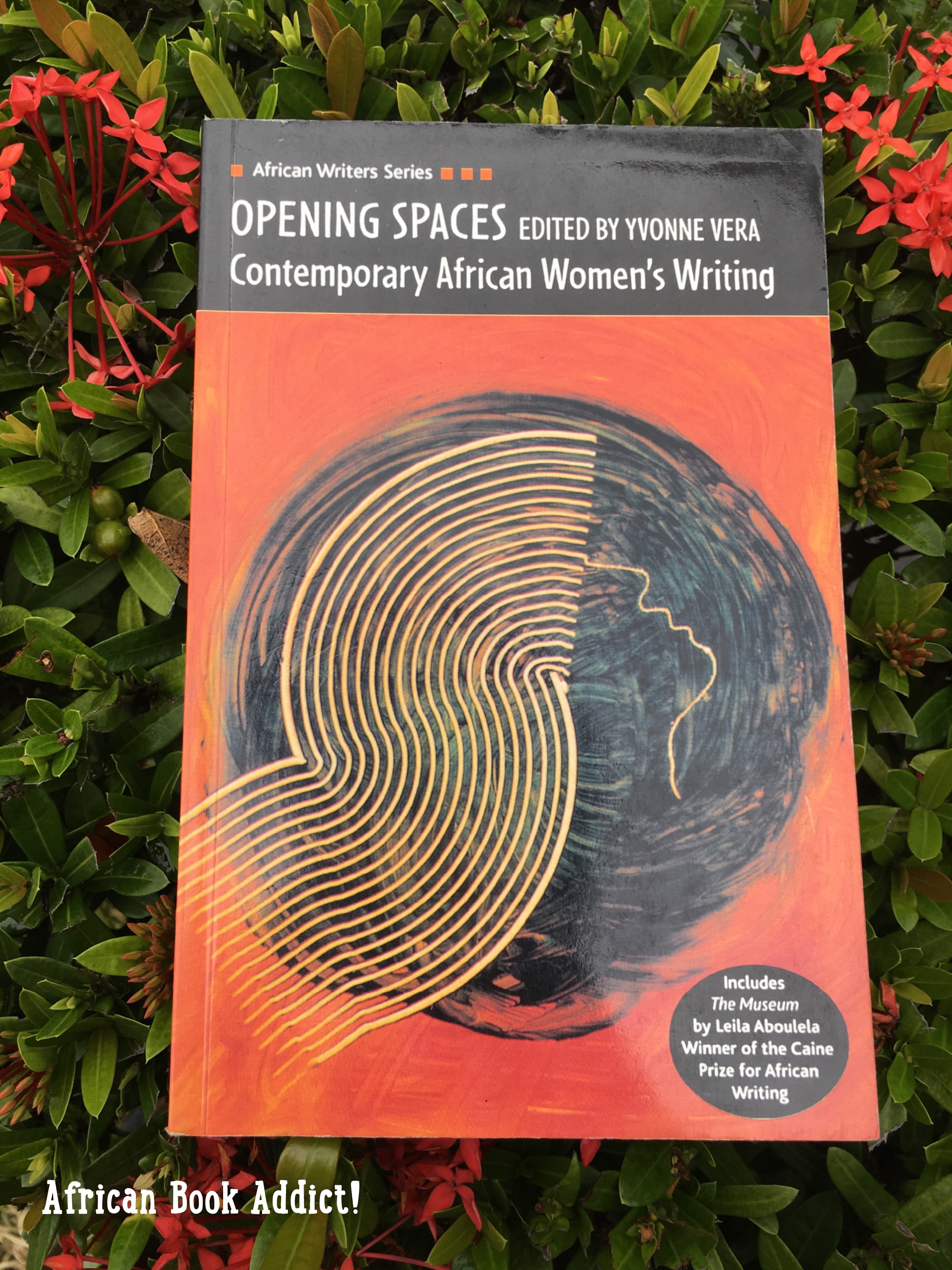
Opening Spaces: Contemporary African Womenโ€™s Writing edited by Yvonne Vera

Date Read: March 7th 2014

Published: 1999

Publisher: Heinemann (African Writers Series)

Pages: 186

yvonne vera

The Blurb

African women are seldom given the space to express their concerns, their ideas and their reflections about the societies in which they live.

 In situations where a good woman is expected to remain silent, literature can provide an important medium for the expression of deeply felt and sometimes shocking views. In this anthology the award-winning author Yvonne Vera brings together the stories of many talented writers from different parts of Africa. They act as witnesses to the dramas of private and public life. Their stories challenge contemporary attitudes and behavior, leaving no room for complacency.

Contributors include Ama Ata Aidoo, Veronique Tadjo, Farida Karodia, Lindsey Collen and Sindiwe Magona.

โ—Šโ—Š

Review – โ˜…โ˜…โ˜…โ˜… (4 stars)

This is a powerful collection of fifteen stories by African women writers from various countries such as: Zimbabwe, Ghana, South Africa, Mauritius, Nigeria, Mozambique, Sudan, Cote dโ€™Ivoire, Mali, Namibia and Zambia. It was cool to read stories from countries that are not very active in the African literature scene- like Mauritius, Mali and Sudan.

These stories tackle the positives and negatives of being an African woman in their own unique ways. Some themes in the stories are: coming-of-age, motherhood, women empowerment, polygamy, abortion, death, political instability, faith and many more!

My favorite stories were:

โ€˜The Museumโ€™ by Leila Aboulela (Sudan) โ€“ This is the story that won the first Caine Prize in 2000! Itโ€™s a tale of the challenges a Sudanese girl- Shadia, faces as she is studying Mathematics in university in the United Kingdom. Despite the fact that she has a fiancรฉ back home in Sudan, she starts to fall for fellow Scottish classmate- Bryan, who seems to be the brightest in the class. As Shadia and Bryan spend more time together, Aboulela teaches readers about the importance of religion (Islam). After Shadia and Bryan take a trip to a museum and Shadia is disappointed at how wrongly the West portrays Africa, I learned that Africa will always be where the heart is, for Africans living abroad.

โ€˜The Power of a Plate of Riceโ€™ by Ifeoma Okoye (Nigeria) โ€“ A hilarious tale of a single mother, who is a schoolteacher, struggling to keep her family alive. The principal of her school refuses to pay her salary while her children are sick and starving. This schoolteacher ends up doing something unpredictable which shocks her principal. This was a fun and easy read.

โ€˜Stressโ€™ by Lรญlia Momplรฉ (Mozambique) โ€“ A mistress of a rich married man sits in her luxurious apartment and spends her days staring out of her window, desperately desiring and fantasizing about her neighbor across the street. Meanwhile, this neighbor barely notices this mistress across the street as he struggles living as a deeply stressed schoolteacher. I enjoyed the unpredictability of the storyโ€™s ending!

โ€˜The Barrel of a Penโ€™ by Gugu Ndlovu (Zimbabwe) โ€“ This was a heart-wrenching tale of two girls who spend their afternoon in a hotel. An unqualified nurse visits the girls in the hotel and executes an abortion on one of them. The gory descriptions of this story had me cringing. But I loved how the friendship between the two girls was strong enough to save a life.

This collection was published in 1999, but the stories, themes and the lessons learned are still relevant to readers today, in 2014. I recommend this!

โ˜…โ˜…โ˜…โ˜… (4 stars) โ€“ Great book. Highly recommend!

Purchase Opening Spaces: Contemporary African Women’s Writing on Amazon

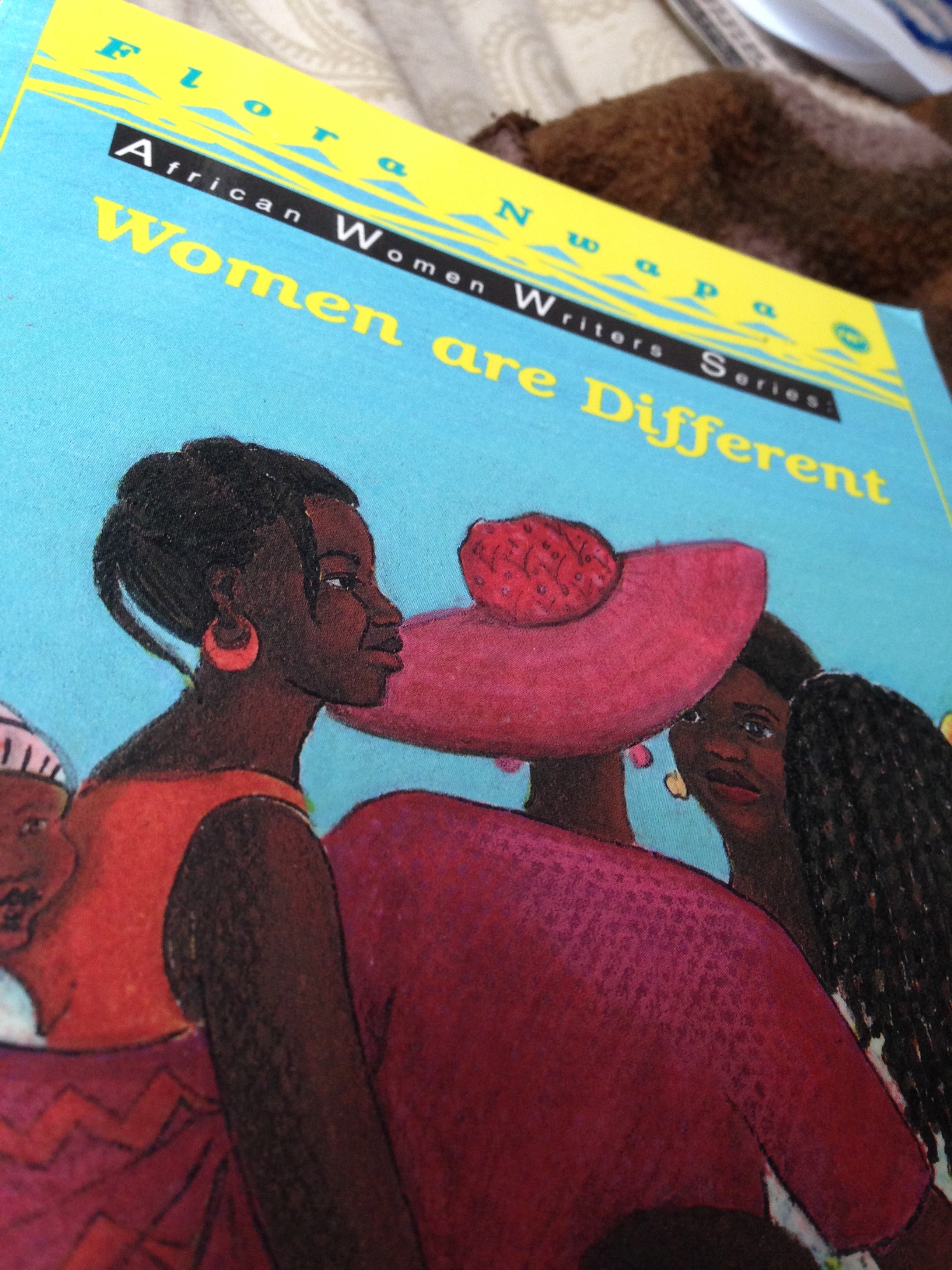
Women Are Different by Flora Nwapa

Date Read: June 10th 2014

Published: 1992

Publisher: Africa World Press (African Women Writers Series)

Pages: 138

The Blurb

Women are Different is the moving story of a group of Nigerian women, from their schooldays together through the trials and tribulations of their adult lives. Through their stories we see some of the universal problems faced by women everywhere: the struggle for financial independence and a rewarding career, combined with the need to bring up a family, often without a man.

โ—Šโ—Š

Review – โ˜…โ˜… (2 stars)

This book was quite painful to read… the details of the storyline were superfluous, Nwapaโ€™s writing style wasnโ€™t great and there were too many characters to keep track of in the book. Furthermore, there were spelling and grammatical errors in my copy of the book (I have the African Women Writer Series- First Africa World Press, edition 1992).

I love that Flora Nwapa sought out to enlighten readers on the lives of Nigerian women from the 1940โ€™s to the 1970โ€™s- after the Biafran war, but I did not enjoy the writing style. It was written in third-person, but quite shabbily. The sentence structures were very simple and I felt like I was reading a childโ€™s novel.

I will commend Nwapa for raising various issues women faced in Nigeria, like: arranged marriages, child marriages, poverty, the importance of girl-child education, prostitution, spinsterhood, betrayed love etc. Nwapa portrayed all of these issues through the lives of Dora, Rose, Agnes and Comfort from their high school days to their late motherhood days. The girls’ different personalities and opinions on life were basically a microcosm of the opinions and lives of other women in Nigeria. I enjoyed Comfortโ€™s character the most, as she was vivacious and fearless- typical of Nigerian women!

But several parts of the novel were dragged out. For example: the food strike in the girlsโ€™ secondary school went on for about ten pages; Dora complaining to Rose about her wayward daughterโ€™s failed marriage dragged on for another ten pages; Agnesโ€™ prostitute daughterโ€™s plight went on forever as well.

The girlsโ€™ lives did not end up how they wished it would romantically, but they were quite successful, strong women by the end of the novel.

I initially wanted to purchase Nwapaโ€™s popular novel, Efuru but after reading this simple book that took me 18 days to complete, I think I will pass. I love African literature and I admire Flora Nwapa for being one of the pioneering African women writers, but unfortunately I do not recommend this book.

BUT!! Another African literature book blogger, Mary Okeke, loved this novel! Check out her positive review of Women Are Differenthere.

โ˜…โ˜… (2 stars) โ€“ Thumbs down. I do not recommend this.

IMG_5964

Purchase Women Are Different on Amazon

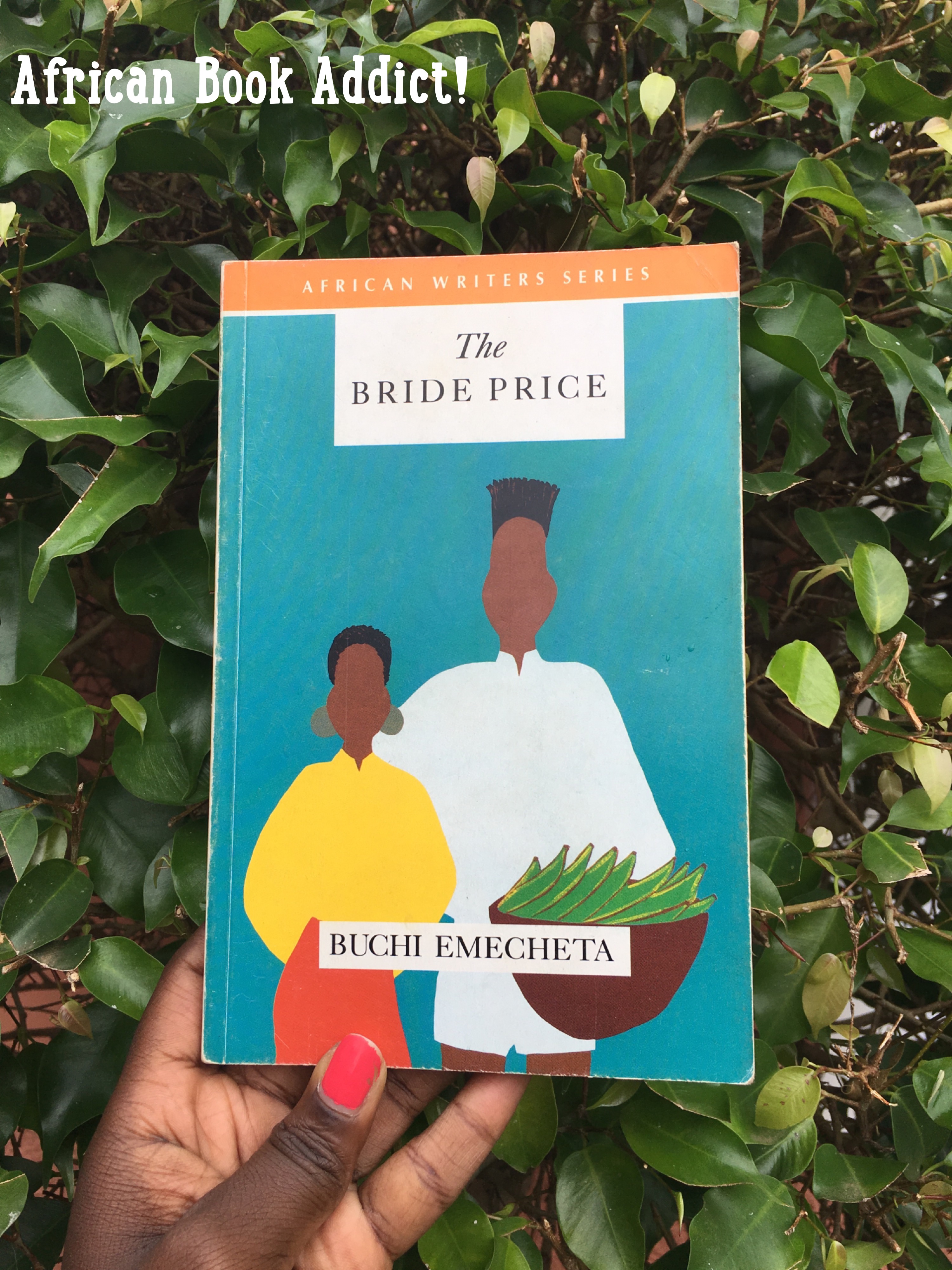
The Bride Price by Buchi Emecheta

Date Read: March 21st 2014

Published: 1995

Publisher: Heinemann (African Writers Series)

Pages: 180

TheBridePrice

The Blurb

‘Always remember that you are mine,’ says Aku-nna’s father before he dies. But as Aku-nna approaches womanhood her ambitious uncle makes plans to marry her off for a high bride price. Caught in a web of tradition, lust and greed, Aku-nna falls for the one young man she is forbidden to love.

โ—Šโ—Š

 Review –  โ˜…โ˜…โ˜…โ˜… (4 stars)

The Bride Price was a bittersweet read for me. The story is about a girl named Aku-nna who lived a fairly comfortable life in the city of Lagos, Nigeria with her family. But after the sudden death of her father, her family moves to their hometown, a village called Ibuza. Life is very different for Aku-nna in her hometown: by tradition, her mother has to marry her uncle (her fatherโ€™s oldest brother), her education isnโ€™t seen as a priority, she becomes an introvert, village life is quite mundane and her uncle plans on gaining a large sum of money from her bride price. Aku-nnaโ€™s uncle already makes plans to marry her off to the highest bidder once she reaches womanhood, but Aku-nna simply desires to finish her secondary school education, become a teacher and marry the man she falls in love with. Once Aku-nna starts school, she falls in love with one of her teachers, Chike. Aku-nna and Chike keep their love secret, because their love is forbidden in Ibuza. Chike is from a family whose descendants were once slaves hence making him โ€˜unfitโ€™ to marry Aku-nna according to her family (who are descendants of a noble family).

Old traditions and new missionary ways of life are constantly interrupting Aku-nna and her quiet, confused spirit. Buchi Emecheta portrays the struggles of Nigerian women during colonial times. The roles of the women during this time were very different from the roles of women in Nigeria today. From the novel, women during these days were imprisoned in traditional norms: they were meant to serve their husbands, bear children (preferably sons) and have little say in family affairs.

Since this story occurs during the colonial times of Nigeria it is characteristic that the men in the story dictate the course of Aku-nnaโ€™s life. Her schooling, the people she interacts with, her chores at home and who she marries are all controlled by her uncle. If Aku-nna rebels and marries Chike, her life could be in danger, because her acting father must accept her bride price. If the bride price is not accepted and she elopes, it is believed that she would not live to raise her children – this is an old taboo known to Ibuza.

โ€œIf a girl wished to live long and see her childrenโ€™s children, she must accept the husband chosen for her by her people, and the bride price must be paid. If the bride price was not paid, she would never survive the birth of her first childโ€ (pg. 176).

Aku-nnaโ€™s life is more or less dependent on her greedy uncleโ€™s need for a high bride price since old traditions require women to have no say in their future marital affairs and superstitious beliefs seem to rule their lives.

Emechetaโ€™s brilliant style of writing and the traditional proverbs she uses allow readers sympathize with Aku-nna and her predicament of being in love with a โ€˜slaveโ€™ and having to marry a man she would never love. This is a classic love story and Emecheta writes about it passionately to the point where her words hold your emotions. The ending of the story was quite shocking and actually had a psychological hold on me for a while. I did not give the book 5 stars because some parts of the story were a bit dragged out due to excessive description. Also, it was a hopeful, yet sad love story to meโ€ฆ I felt hurt by the end! Emecheta seems to like to write on depressing issues because I hear her novel The Joys of Motherhood is also quite blue. Nevertheless, this was a great novel and I loved learning about the roles of Nigerian women and the traditions of the people in Ibuza during the pre-independence era.

โ˜…โ˜…โ˜…โ˜… (4 stars) โ€“ Great book. Highly recommend!

Purchase The Bride Price on Amazon